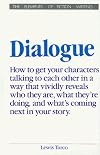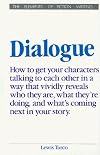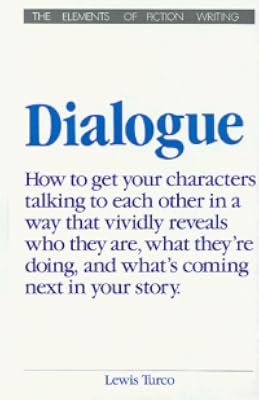
Dialogue: A Socratic Dialogue on the Art of Writing Dialogue in Fiction
by Lewis Turco
Elements of Fiction Writing
On This Page
Description
For more than 10 years, this successful series has helped writers improve their work -- one element at a time. Featuring quality instruction from award-winning authors, each book focuses on a key facet of fiction writing, making it easy for writers to find the specific guidance they're looking for.Tags
Recommendations

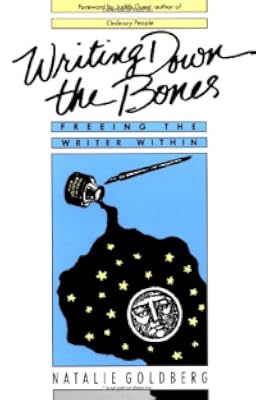
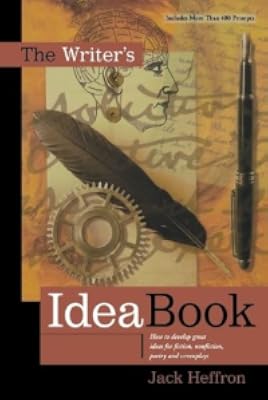
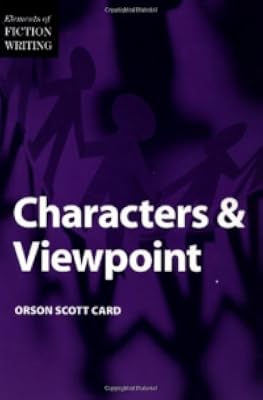
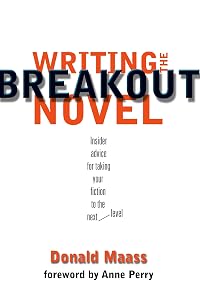
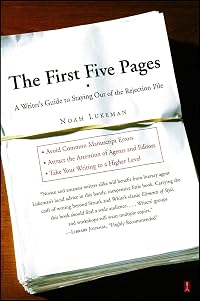
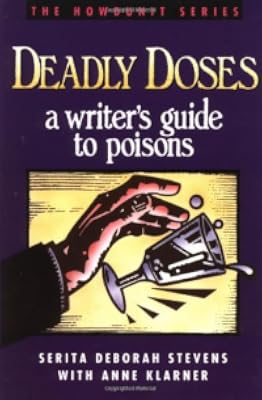
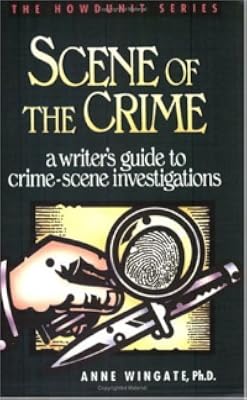
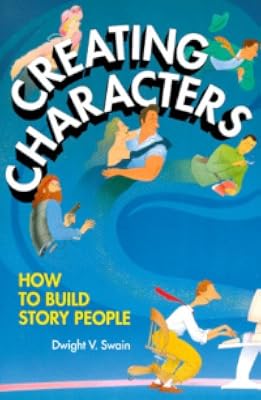

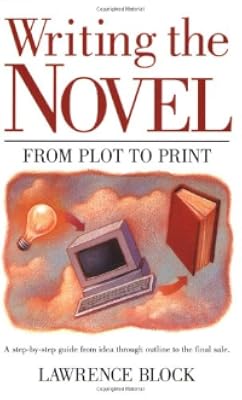





Member Reviews
This was pretty decent.
I thought the book didn't really deliver what it promised on the cover (i.e. "How to get your characters talking to each other in a way that vividly reveals who they are, what they're doing, and what's coming next in your story"), even if it did have some useful information. Most of the formatting/grammatical issues that it covered I already knew about, which is why I didn't pick out a book on dialogue's structure and where to put quotation marks, etc.
I was very glad that it covered things like adverbs and unnecessary words that mark out a newbie writer. There were some concepts and issues very well-explained here, and I was grateful to have read this for those reasons, like how the use of dialect in dialogue show more has changed over time, and about what's acceptable nowadays. That was so interesting.
And I loved that that the book was written using dialogue. So clever! It was a bit unnerving at first, but I grew to love it, actually. I didn't like the book's slightly sexist tone, though, or its tendency to accentuate stereotypes--especially gender, cultural, and classist stereotypes. That's something you really shouldn't do in your writing . . . maybe he should've mentioned that. Or explained that the book was an example of that as well.
Anyway, it was interesting at times, but I don't think I'd necessarily recommend it. show less
I thought the book didn't really deliver what it promised on the cover (i.e. "How to get your characters talking to each other in a way that vividly reveals who they are, what they're doing, and what's coming next in your story"), even if it did have some useful information. Most of the formatting/grammatical issues that it covered I already knew about, which is why I didn't pick out a book on dialogue's structure and where to put quotation marks, etc.
I was very glad that it covered things like adverbs and unnecessary words that mark out a newbie writer. There were some concepts and issues very well-explained here, and I was grateful to have read this for those reasons, like how the use of dialect in dialogue show more has changed over time, and about what's acceptable nowadays. That was so interesting.
And I loved that that the book was written using dialogue. So clever! It was a bit unnerving at first, but I grew to love it, actually. I didn't like the book's slightly sexist tone, though, or its tendency to accentuate stereotypes--especially gender, cultural, and classist stereotypes. That's something you really shouldn't do in your writing . . . maybe he should've mentioned that. Or explained that the book was an example of that as well.
Anyway, it was interesting at times, but I don't think I'd necessarily recommend it. show less
A very short book, perfect to learn the basics of writing good fiction dialogue.
I would rate this as the least helpful writing book in my entire collection (about 40 books).
Ratings
Members
- Recently Added By
Author Information

33+ Works 957 Members
Lewis Turco is Emeritus Professor of English at State University of New York
Series

Common Knowledge
- Canonical title
- Dialogue: A Socratic Dialogue on the Art of Writing Dialogue in Fiction
Classifications
Statistics
- Members
- 262
- Popularity
- 124,316
- Reviews
- 3
- Rating
- (3.28)
- Languages
- English
- Media
- Paper, Ebook
- ISBNs
- 3
- ASINs
- 3