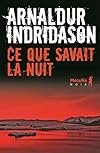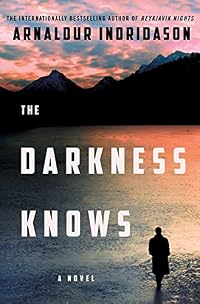
On This Page
Description
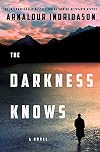
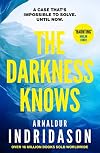
"Fans of Nordic noir will enjoy this performance. For those new to the genre and looking for an easy start, Barrett offers an expert entry into a world of danger and intrigue." –AudioFile MagazineRetired detective Konrad returns to a haunting cold case in The Darkness Knows by Arnaldur Indridason, the "undisputed King of the Icelandic thriller." —The Guardian (UK)
A frozen body is discovered in the icy depths of Langjökull glacier, apparently that of a businessman who disappeared show more thirty years before. At the time, an extensive search and police investigation yielded no results—one of the missing man's business associates was briefly held in custody, but there wasn't enough evidence to charge him.
Now the associate is arrested again and Konrad, the retired policeman who originally investigated the disappearance, is called back to reopen the case that has weighed on his mind for decades.
When a woman approaches him with new information that she obtained from her deceased brother, progress can finally be made in solving this long-cold case.
In The Darkness Knows, the master of Icelandic crime writing reunites listeners with Konrad, the unforgettable retired detective from The Shadow District. This is a powerful and haunting story about the poisonous secrets and cruel truths that time eventually uncovers.
A Macmillan Audio production from Minotaur Books
. show less
Tags
Recommendations














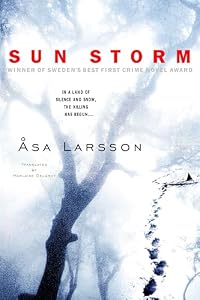

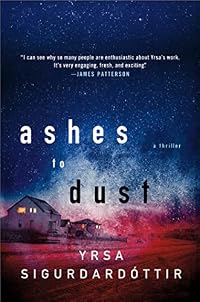
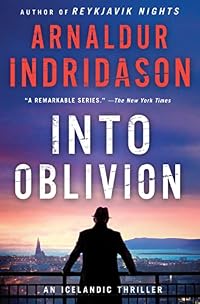
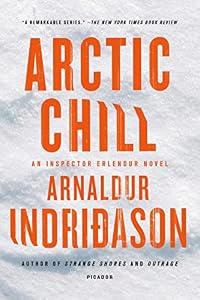


Member Reviews
Talk about cold cases ... In “The Darkness Knows” (2017), a fascinating mystery by Arnaldur Indridason, the well-preserved body of a man missing for 30 years is found in a melting glacier in Iceland. Konrad was the cop who led the investigation at the time. Now retired and restless, he is prompted by the discovery of the body to pursue his own independent investigation of what is now clearly a murder.
A witness at the time of Sigurvin's disappearance had said that a business associate named Hjaltalin had threatened to kill him, making Hjaltalin the prime suspect. Yet there was never sufficient evidence to charge him with anything, especially with no body, and Konrad had always had doubts about his guilt. Yet now the police are again show more focusing on Hjaltalin, who is dying of cancer.
The key to solving the case turns out to be another death, this of a man who may have been a witness to the original crime but, because he was a boy at the time, had never come forward. Later he may have talked about it too much, for he has been killed in a suspicious hit-and-run. If Konrad can solve this case, perhaps he can solve the much older one.
Subplots abound in this fine murder mystery, including an even colder case involving the murder of Konrad's own father, also a cop, but reputed to be a dirty one.
Arnaldur (I am following the Icelandic tradition of referring to people by their first names) has written a number of fine mysteries and thriller, and “The Darkness Knows” ranks among the best. show less
A witness at the time of Sigurvin's disappearance had said that a business associate named Hjaltalin had threatened to kill him, making Hjaltalin the prime suspect. Yet there was never sufficient evidence to charge him with anything, especially with no body, and Konrad had always had doubts about his guilt. Yet now the police are again show more focusing on Hjaltalin, who is dying of cancer.
The key to solving the case turns out to be another death, this of a man who may have been a witness to the original crime but, because he was a boy at the time, had never come forward. Later he may have talked about it too much, for he has been killed in a suspicious hit-and-run. If Konrad can solve this case, perhaps he can solve the much older one.
Subplots abound in this fine murder mystery, including an even colder case involving the murder of Konrad's own father, also a cop, but reputed to be a dirty one.
Arnaldur (I am following the Icelandic tradition of referring to people by their first names) has written a number of fine mysteries and thriller, and “The Darkness Knows” ranks among the best. show less
Having read the complete Inspector Erlendur series by Indriðason, I was thrilled to learn about this book which is apparently the first in a new series featuring Konrád, a retired police detective.
The body of Sigurvin, a man who went missing in 1985, is found frozen in a glacier. The police suspected Hjaltalín, a business associate with whom Sigurvin had a disagreement, as being responsible for the disappearance, but charges were not laid because of lack of evidence. Thirty years later, Hjaltalín is still claiming innocence, and Konrád, though retired, gets drawn back into the case when Hjaltalín refuses to speak to anyone but him. Hjaltalín wants his name cleared and Konrád wants to close the case which he was not able to show more solve. Then the detective is approached by a woman who wants him to investigate the hit-and-run death of her brother Villi six years earlier; she mentions her brother’s belief that he witnessed something relevant to the Sigurvin case. Konrád soon becomes convinced there may be a connection between the deaths of the two men.
Since this is apparently the first in a new series, there is considerable focus on describing Konrád’s background and developing his personality. What emerges is a complex character study. We learn about Konrád’s early years living with his criminal father, his relationship with his wife Erna, and his having to cope with a withered arm. We see him in various roles: detective, son, brother, husband, father, grandfather. Now widowed and retired, he is bored and feels a lack of purpose in his life. Frustrated at not having been able to solve the Sigurvin case years ago, he sets out with dogged determination to do so now. Though there is much to admire about him, so most will find him an appealing character, he is a flawed person. As a youth he was not always law-abiding, and he also feels guilt at choices he made in the past. Anger management has been a struggle on more than one occasion. Having a complex character as protagonist is key to a successful series.
Because Konrád is investigating cold cases, the pace is slower than one would find with homicide investigations in real time. He proceeds slowly and methodically; most of his time is spent
(re-)interviewing people, many of whom seem to have very tenuous connections to either Sigurvin or Villi. He does have the advantage of having connections at the police department, but herein lies a problem. Marta, the chief inspector at Reykjavík CID, behaves inconsistently. She calls on Konrád to assist by speaking to Hjaltalín, but later snaps at him for investigating: “’You can’t just start investigating the whole thing again off your own bat . . . It’s totally unacceptable. Surely you can understand that? You have to leave it to us.’” Then later, she actually helps Konrád by compiling a list of people for him to interview.
There are some awkward moments. The reference to Konrád’s weak arm is mentioned only mid-way through the book. The conversations he has about his own father’s criminal past and murder seem out of place, though undoubtedly those are foreshadowing Konrád’s preoccupation in a later installment. Then there are the coincidences, like the sudden appearance of a woman whose name Konrád has just confirmed.
With Sigurvin’s body being disinterred from the ice, the past is brought to the attention of the present. In many ways, the novel examines how the past, people’s choices and actions, haunts their present. Konrád feels guilt and remorse because of his extramarital affair. Unexplained deaths (Konrád’s father, Villi, Engilbert) haunt surviving family members. Egill and Fridný feel so guilty about a hidden treasure that they confess to the police. When those who played a role in Sigurvin and Villi’s deaths are revealed, it is obvious that they too have been haunted by their actions. As Konrád unearths long-buried secrets, the lives of many people are disturbed, but in fact their lives have been uneasy for years.
I’ve toured Iceland and reading this book was like returning for a second visit. I will certainly make another “visit” when the next book in this series is released. The nuanced characters and the complex plot kept my attention and I’m curious to see what awaits Konrád.
Note: I received a digital galley from the publisher via NetGalley.
Please check out my reader's blog (https://schatjesshelves.blogspot.com/) and follow me on Twitter (@DCYakabuski). show less
The body of Sigurvin, a man who went missing in 1985, is found frozen in a glacier. The police suspected Hjaltalín, a business associate with whom Sigurvin had a disagreement, as being responsible for the disappearance, but charges were not laid because of lack of evidence. Thirty years later, Hjaltalín is still claiming innocence, and Konrád, though retired, gets drawn back into the case when Hjaltalín refuses to speak to anyone but him. Hjaltalín wants his name cleared and Konrád wants to close the case which he was not able to show more solve. Then the detective is approached by a woman who wants him to investigate the hit-and-run death of her brother Villi six years earlier; she mentions her brother’s belief that he witnessed something relevant to the Sigurvin case. Konrád soon becomes convinced there may be a connection between the deaths of the two men.
Since this is apparently the first in a new series, there is considerable focus on describing Konrád’s background and developing his personality. What emerges is a complex character study. We learn about Konrád’s early years living with his criminal father, his relationship with his wife Erna, and his having to cope with a withered arm. We see him in various roles: detective, son, brother, husband, father, grandfather. Now widowed and retired, he is bored and feels a lack of purpose in his life. Frustrated at not having been able to solve the Sigurvin case years ago, he sets out with dogged determination to do so now. Though there is much to admire about him, so most will find him an appealing character, he is a flawed person. As a youth he was not always law-abiding, and he also feels guilt at choices he made in the past. Anger management has been a struggle on more than one occasion. Having a complex character as protagonist is key to a successful series.
Because Konrád is investigating cold cases, the pace is slower than one would find with homicide investigations in real time. He proceeds slowly and methodically; most of his time is spent
(re-)interviewing people, many of whom seem to have very tenuous connections to either Sigurvin or Villi. He does have the advantage of having connections at the police department, but herein lies a problem. Marta, the chief inspector at Reykjavík CID, behaves inconsistently. She calls on Konrád to assist by speaking to Hjaltalín, but later snaps at him for investigating: “’You can’t just start investigating the whole thing again off your own bat . . . It’s totally unacceptable. Surely you can understand that? You have to leave it to us.’” Then later, she actually helps Konrád by compiling a list of people for him to interview.
There are some awkward moments. The reference to Konrád’s weak arm is mentioned only mid-way through the book. The conversations he has about his own father’s criminal past and murder seem out of place, though undoubtedly those are foreshadowing Konrád’s preoccupation in a later installment. Then there are the coincidences, like the sudden appearance of a woman whose name Konrád has just confirmed.
With Sigurvin’s body being disinterred from the ice, the past is brought to the attention of the present. In many ways, the novel examines how the past, people’s choices and actions, haunts their present. Konrád feels guilt and remorse because of his extramarital affair. Unexplained deaths (Konrád’s father, Villi, Engilbert) haunt surviving family members. Egill and Fridný feel so guilty about a hidden treasure that they confess to the police. When those who played a role in Sigurvin and Villi’s deaths are revealed, it is obvious that they too have been haunted by their actions. As Konrád unearths long-buried secrets, the lives of many people are disturbed, but in fact their lives have been uneasy for years.
I’ve toured Iceland and reading this book was like returning for a second visit. I will certainly make another “visit” when the next book in this series is released. The nuanced characters and the complex plot kept my attention and I’m curious to see what awaits Konrád.
Note: I received a digital galley from the publisher via NetGalley.
Please check out my reader's blog (https://schatjesshelves.blogspot.com/) and follow me on Twitter (@DCYakabuski). show less
This may be the beginning of a series but if you had read some of Indridason's recent novels, you had already met the main character Konrád - in [The Shadow District]. If you had not read it and plan to, you may want to do that before you continue here - the main story is not spoiled but a lot of the additional ones, especially the ones around Konrád, get revisited. This story opens a few months after the first one, Konrád is still retired, mourns the loss of his wife and still had done nothing to solve the murder of his own father all those years ago.
But that is not what he ends up solving in this book. 30 years ago, a young man called Sigurvin disappeared. The police, with Konrád as the lead detective, was pretty sure he was dead show more but they could not prove it and the man they believed to have killed him never admitted. And now, with one of the glaciers slowly melting, the body of the missing man shows up, turning the very cold case into a frozen one (ok... I could not resist).
The police expect an easy solution but the "killer" keeps refusing to admit to the murder. Meanwhile, Konrád is visited by the sister of a man who died a few years earlier and who may have had information our detective never got. Even without the extra scene that the readers got (and the police did not), it is obvious that these two cases are connected - and Konrád resolves to try to solve Villi's death which looks less and less as the accident it was recorded as.
Before long the first of the alibis from 30 years ago shatters and the foundation of the old case crumbles and old lies emerge. But it is not a fat moving case - it moves slow and methodically, even when the police does not much care (but at least they do not block Konrád - plus he is trying to solve Villi's death, not Sigurvin's. The end is as surprising as it it is logical - but then Indridason knows how to write tight plots. We do get some interesting details of Iceland in the mid 80s but even they don't offset the slowness.
But as much as I like his style, this novel could have been half its length and possibly worked better. Yes, lulling you into believing that you know what happened and then pulling the rug under you repeatedly, is part of the charm of the novel but the constant slowing down got a bit annoying at one point. It is not a bad story and it make you wonder about witnesses and who can be trusted. I still plan to check the rest of the series if they get translated - but I hope that the tempo will speed up a bit in the next one. show less
But that is not what he ends up solving in this book. 30 years ago, a young man called Sigurvin disappeared. The police, with Konrád as the lead detective, was pretty sure he was dead show more but they could not prove it and the man they believed to have killed him never admitted. And now, with one of the glaciers slowly melting, the body of the missing man shows up, turning the very cold case into a frozen one (ok... I could not resist).
The police expect an easy solution but the "killer" keeps refusing to admit to the murder. Meanwhile, Konrád is visited by the sister of a man who died a few years earlier and who may have had information our detective never got. Even without the extra scene that the readers got (and the police did not), it is obvious that these two cases are connected - and Konrád resolves to try to solve Villi's death which looks less and less as the accident it was recorded as.
Before long the first of the alibis from 30 years ago shatters and the foundation of the old case crumbles and old lies emerge. But it is not a fat moving case - it moves slow and methodically, even when the police does not much care (but at least they do not block Konrád - plus he is trying to solve Villi's death, not Sigurvin's. The end is as surprising as it it is logical - but then Indridason knows how to write tight plots. We do get some interesting details of Iceland in the mid 80s but even they don't offset the slowness.
But as much as I like his style, this novel could have been half its length and possibly worked better. Yes, lulling you into believing that you know what happened and then pulling the rug under you repeatedly, is part of the charm of the novel but the constant slowing down got a bit annoying at one point. It is not a bad story and it make you wonder about witnesses and who can be trusted. I still plan to check the rest of the series if they get translated - but I hope that the tempo will speed up a bit in the next one. show less
Arnaldur Indridason's "The Darkness Knows," translated by Victoria Cribb, is a gloomy novel of Icelandic noir about a retired detective, Konrád, who has too much time on his hands. He spends a great deal of it brooding about his late wife and past mistakes. He awakens from his lethargy when one of his cold cases unexpectedly heats up. A tour guide discovers the well-preserved corpse of Sigurvin, a man who had vanished thirty years ago in a glacial area but, thanks to global warming, the ice that had concealed his body has receded. In addition, our hero investigates the death of a young man who was hit by a car six years earlier and left to die. Konrád has reason to suspect that this tragic incident is connected to Sigurvin's show more murder.
The author focuses on how selfish, deceitful, greedy, and cowardly people affect those who are unlucky enough to interact with them. Among the unsavory characters depicted here are sloppy drunks, down-on-their-luck misfits, and elderly curmudgeons. Although Marta—the Chief Inspector of the Reykjavík CID—is annoyed that Konrád is meddling in police business, he is not dissuaded from conducting his own private search for the perpetrator.
Indridason evocatively describes Iceland's unique climate, exotic landscape, and economic turmoil. In his determination to uncover the truth, this likable and determined seeker of justice questions men and women who may have pertinent information to share. Unfortunately, this is a talky and slow-moving novel with an implausible and unsatisfying conclusion. Konrád is an insightful and dedicated sleuth; he deserves a better vehicle for his talents. show less
The author focuses on how selfish, deceitful, greedy, and cowardly people affect those who are unlucky enough to interact with them. Among the unsavory characters depicted here are sloppy drunks, down-on-their-luck misfits, and elderly curmudgeons. Although Marta—the Chief Inspector of the Reykjavík CID—is annoyed that Konrád is meddling in police business, he is not dissuaded from conducting his own private search for the perpetrator.
Indridason evocatively describes Iceland's unique climate, exotic landscape, and economic turmoil. In his determination to uncover the truth, this likable and determined seeker of justice questions men and women who may have pertinent information to share. Unfortunately, this is a talky and slow-moving novel with an implausible and unsatisfying conclusion. Konrád is an insightful and dedicated sleuth; he deserves a better vehicle for his talents. show less
Nicht nur Gletscher, sondern auch Menschen können Geheimnisse über sehr lange Zeit bewahren. Doch irgendwann kommt der Tag der Wahrheit. Als eine deutsche Touristengruppe einen Toten auf dem Langjökull-Gletscher findet, muss Kommissar Konráð aus dem Ruhestand zurückkehren, denn dieser Fall aus den 1980ern ist bis heute nicht gelöst. Nach so vielen Jahren scheint es keine Hoffnung auf neue Erkenntnisse zu geben, doch plötzlich sprechen die Menschen. Einige wollen sich kurz vor dem Tod das Herz erleichtern, andere denken es ist nun an der Zeit, ihr Wissen zu teilen und plötzlich erscheint der Fall in einem ganz anderen Licht.
Arnaldur Indriðason ist mir als erstes mit seinen Erlendur Romanen begegnet, die später um Bände mit show more dem jungen Ermittler ergänzt wurden. Auch seine Reihe um Flovent und Thorson, die während der Kriegszeit und Besatzung Islands spielen, konnten mich überzeugen. Nun also Konráð, der in „Verborgen im Gletscher“ sein Debut gibt. Ein ungewöhnlicher Charakter für einen Mordermittler, zum einen, da er schon längst im Ruhestand ist und daher kein offizielles Mandat hat, zum anderen weil er sich als Ein-Mann-Team ganz auf seine Menschenkenntnis verlassen muss, um seinen Fall zu lösen.
Leser, die an nervenzerreißenden Krimis mit grausamen Szenen Spaß haben, werden mit diesem Krimi vermutlich eher hadern. „Verborgen im Gletscher“ geht in eher gemäßigtem Tempo voran, was ganz hervorragend zum Protagonisten passt, der keinerlei Zeit- oder Öffentlichkeitsdruck unterliegt und daher auch nicht in Hektik und wilde Agitation verfällt. Die Weisheit des Alters hält ihn auch davon ab, gleich auf neue Ansätze zu springen. Die Figur trägt die Handlung ganz maßgeblich und ist damit auch der entscheidende Faktor in der Frage, ob man mit der Geschichte etwas anfangen kann. Mir persönlich hätte es bisweilen gerne etwas schneller gehen können, so mancher Dialog war absolut realistisch dargestellt, forderte dadurch aber auch die Geduld des Lesers heraus. Daneben muss Konráð auch mit seinen Dämonen, vorrangig seiner verstorbenen Frau, kämpfen, die ihn nicht loslässt und immer wieder das Denken bestimmt.
Der Kriminalfall selbst ist wieder einmal und erwartungsgemäß komplex und lange Zeit nicht durchschaubar. So unberechenbar die Menschen agieren, so unvorhersehbar entwickelt sich die Ermittlung, die jedoch zu einem sauberen und überzeugenden Ende gebracht wird.
Indriðason konnte schon immer mit starken Figuren punkten, sein aktueller Protagonist hat hier einiges zu bieten, was jedoch leider etwas zu Lasten der Spannung geht. Daher ein Krimi, der eher auf anderen Ebenen punkten kann. show less
Arnaldur Indriðason ist mir als erstes mit seinen Erlendur Romanen begegnet, die später um Bände mit show more dem jungen Ermittler ergänzt wurden. Auch seine Reihe um Flovent und Thorson, die während der Kriegszeit und Besatzung Islands spielen, konnten mich überzeugen. Nun also Konráð, der in „Verborgen im Gletscher“ sein Debut gibt. Ein ungewöhnlicher Charakter für einen Mordermittler, zum einen, da er schon längst im Ruhestand ist und daher kein offizielles Mandat hat, zum anderen weil er sich als Ein-Mann-Team ganz auf seine Menschenkenntnis verlassen muss, um seinen Fall zu lösen.
Leser, die an nervenzerreißenden Krimis mit grausamen Szenen Spaß haben, werden mit diesem Krimi vermutlich eher hadern. „Verborgen im Gletscher“ geht in eher gemäßigtem Tempo voran, was ganz hervorragend zum Protagonisten passt, der keinerlei Zeit- oder Öffentlichkeitsdruck unterliegt und daher auch nicht in Hektik und wilde Agitation verfällt. Die Weisheit des Alters hält ihn auch davon ab, gleich auf neue Ansätze zu springen. Die Figur trägt die Handlung ganz maßgeblich und ist damit auch der entscheidende Faktor in der Frage, ob man mit der Geschichte etwas anfangen kann. Mir persönlich hätte es bisweilen gerne etwas schneller gehen können, so mancher Dialog war absolut realistisch dargestellt, forderte dadurch aber auch die Geduld des Lesers heraus. Daneben muss Konráð auch mit seinen Dämonen, vorrangig seiner verstorbenen Frau, kämpfen, die ihn nicht loslässt und immer wieder das Denken bestimmt.
Der Kriminalfall selbst ist wieder einmal und erwartungsgemäß komplex und lange Zeit nicht durchschaubar. So unberechenbar die Menschen agieren, so unvorhersehbar entwickelt sich die Ermittlung, die jedoch zu einem sauberen und überzeugenden Ende gebracht wird.
Indriðason konnte schon immer mit starken Figuren punkten, sein aktueller Protagonist hat hier einiges zu bieten, was jedoch leider etwas zu Lasten der Spannung geht. Daher ein Krimi, der eher auf anderen Ebenen punkten kann. show less
Thanks to Netgalley, St. Martins Press, and Minotaur Books for this ARC.
This is my first time reading author Arnaldur Indridason and thoroughly enjoyed it. There's something about Icelandic thrillers that is just different (in a good way) - the atmosphere, dread, and intrigue all seem to have your attention from the get-go. I will be seeking out other similar authors because of this and look forward to reading more by Indridason. 4 stars
This is my first time reading author Arnaldur Indridason and thoroughly enjoyed it. There's something about Icelandic thrillers that is just different (in a good way) - the atmosphere, dread, and intrigue all seem to have your attention from the get-go. I will be seeking out other similar authors because of this and look forward to reading more by Indridason. 4 stars
A body is found exposed on a glacier in Iceland, resurrecting a (literally) cold case. A retired cop, still bothered by that murder case, is asked to visit a man who has always insisted on his innocence, but who is also a compulsive liar, which doesn't help his case. When a woman asks the former detective to find out who killed her brother in a hit and run, a connection between the two deaths slowly emerges.
And I mean slowly. I'm a great fan of Arnaldur's books but this one didn't draw me in as the others did. Konrad, the retired detective, is as gloomy as Erlander but without a team of detectives to lighten things up and provide some contrast. The mystery itself didn't have the social roots that made many of the Erlander series show more engaging, or the narrative brio (such as the two timelines in Silence of the Grave). The pace picked up toward the end, but overall I found myself disappointed, perhaps because my expectations for this author are high. show less
And I mean slowly. I'm a great fan of Arnaldur's books but this one didn't draw me in as the others did. Konrad, the retired detective, is as gloomy as Erlander but without a team of detectives to lighten things up and provide some contrast. The mystery itself didn't have the social roots that made many of the Erlander series show more engaging, or the narrative brio (such as the two timelines in Silence of the Grave). The pace picked up toward the end, but overall I found myself disappointed, perhaps because my expectations for this author are high. show less
Members
- Recently Added By
Lists

Books Read in 2020
4,379 works; 124 members
Author Information

67+ Works 19,911 Members
Arnaldur Indriðason was born in Reykjavík January 28, 1961 and writes crime fiction. He is the son of writer Indriði G. Þorsteinsson. Arnaldur graduated with a degree in history from the University of Iceland in 1996. Arnaldur's first published book, Sons of Dust (Synir duftsins) in 1997, is the first in the Detective Erlendur series. show more Arnaldur's books have been published in twenty-six countries and have been translated into Russian, Polish, German, Greek, Danish, Catalan, English, Italian, Czech, Swedish, Norwegian, Dutch, Finnish, Spanish, Portuguese, Hungarian, Chinese, Croatian, Romanian and French. He won the Crime Writers' Association Gold Dagger Award in 2005 for the novel Silence of the Grave. Arnaldur lives in Reykjavík with his wife and three children. (Bowker Author Biography) show less
Series

Common Knowledge
- Canonical title
- The Darkness Knows
- Original title
- Myrkrið veit
- Original publication date
- 2021-07-01
- People/Characters
- Konráð Flovent
- Important places
- Langjökull glacier, Iceland; Reykjavik, Iceland
- Epigraph*
- O, hoeveel het duister weet.
Hoeveel om te treuren.
Op het groene weidekleed
In de gletsjer gapen dodelijk diepe scheuren.
Jóhann Sigurjónsson - First words*
- Het weer kon niet beter.
- Last words*
- (Click to show. Warning: May contain spoilers.)'Suja, suja, kindje,' fluisterde de vrouw. 'Suja, kind van mij.'
- Original language
- Icelandic
*Some information comes from Common Knowledge in other languages. Click "Edit" for more information.
Classifications
- Genres
- Fiction and Literature, Mystery
- DDC/MDS
- 839.6934 — Literature & rhetoric German & related literatures Other Germanic literatures Old Norse, Old Icelandic, Icelandic, Faroese literatures Modern West Scandinavian; Modern Icelandic Modern Icelandic fiction 1900-1999
- LCC
- PT7511 .A67 .M97 — Language and Literature German, Dutch and Scandinavian literatures Modern Icelandic literature Individual authors or works 19th-20th centuries
- BISAC
Statistics
- Members
- 332
- Popularity
- 95,164
- Reviews
- 35
- Rating
- (3.51)
- Languages
- 11 — Arabic, Danish, Dutch, English, Finnish, French, German, Hungarian, Icelandic, Italian, Swedish
- Media
- Paper, Audiobook, Ebook
- ISBNs
- 36
- ASINs
- 13