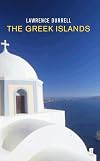
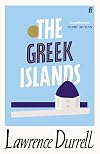
The Greek Islands
by Lawrence Durrell 
On This Page
Description
Lose yourself in this dazzling travelogue of the idyllic Greek Islands by the king of travel writing and real-life family member of The Durrells in Corfu.Tags
Recommendations





























Member Reviews
(master review copy at: http://viking2917.blogspot.com/2008/01/greek-islands.html, reproduced here)
I'm currently reading "The Greek Islands" by Lawrence Durrell. First, let's be clear. I haven't been to Greece, although (like many I am sure), I dream of a day when I can pilot my own sailboat into the harbor of a small Greek village washed in blue sky and white buildings. But reading Durrell, I feel like I've been there. The book reads hypnotically. Consider this passage. Durrell is writing about Corfu, and speculating that it is the site for The Tempest:
"One of the magical things in The Tempest is the way the atmosphere of the island is experienced and conveyed by the shipwrecked souls when they come ashore. The sleep - the enormous show more spell of sleep which the land casts upon them. They become dreamers, and somnambulists, a prey to vision and to loves quite outside the ordinary boundaries of their narrow Milanese lives. This seductive quality, its bewitched disengagement from all concern, is something you will not be long in feeling here. The air around you becomes slowly more and more anaesthetic, more blissful, more impregnated with holy sleep. You will realize that this is exactly what happened to the conquerors who landed here - they fell asleep. The French started to build the Rue de Rivoli but fell asleep before it was finished. The British, who had almost a hundred year lease on the place, decided that it needed a seat of Government and built a most elegant one with imported Malta stone, as well as a chapter for the Ionian Parliament which they planned to create (for once, memorable and apposite architecture - is there any other British colony with buildings so fine?). But they fell asleep and the island slipped from their nerveless fingers into the freedom it had always desired. Freedom to dream."
Or:
"Coming out of the dark church into the market he will be almost blinded by the light, for the sun is up; and it is now that the impact of this extraordinary phenomenon will begin to intrigue him. The nagging question, 'In what way does Greece differ from Italy or Spain?' will answer itself. The light! One hears the word everywhere 'To Phos' and can recognize its pedigree - among other derivatives is our English word 'phosphorescent', which summons up at once the dancing magnesium-flare quality of the sunlight blazing on a white wall; in the depths of the light there is blackness, but it is a blackness which throbs with violet - a magnetic unwearying ultra-violet throb. This confers a sort of brilliant skin of white light on material objects, linking near and far, and bathing simple objects in a sort of celestial glow-worm hue. It is the naked eyeball of God, so to speak, and it blinds one. "
Durrell's casual erudition is on display throughout, especially in his discussion of Minoan and Mycenaean history, where many of his comments about arcane corners of history come off almost as afterthoughts, rather than carefully studied history. And his portrayal of small village customs and interaction styles, while perhaps dated by now, speak to a deep well of experience.
This book, being from the late 70s, may be dated in spots. And as I said, I haven't been there (yet!). But like the best travel writing, reading this book, I feel like I have. show less
I'm currently reading "The Greek Islands" by Lawrence Durrell. First, let's be clear. I haven't been to Greece, although (like many I am sure), I dream of a day when I can pilot my own sailboat into the harbor of a small Greek village washed in blue sky and white buildings. But reading Durrell, I feel like I've been there. The book reads hypnotically. Consider this passage. Durrell is writing about Corfu, and speculating that it is the site for The Tempest:
"One of the magical things in The Tempest is the way the atmosphere of the island is experienced and conveyed by the shipwrecked souls when they come ashore. The sleep - the enormous show more spell of sleep which the land casts upon them. They become dreamers, and somnambulists, a prey to vision and to loves quite outside the ordinary boundaries of their narrow Milanese lives. This seductive quality, its bewitched disengagement from all concern, is something you will not be long in feeling here. The air around you becomes slowly more and more anaesthetic, more blissful, more impregnated with holy sleep. You will realize that this is exactly what happened to the conquerors who landed here - they fell asleep. The French started to build the Rue de Rivoli but fell asleep before it was finished. The British, who had almost a hundred year lease on the place, decided that it needed a seat of Government and built a most elegant one with imported Malta stone, as well as a chapter for the Ionian Parliament which they planned to create (for once, memorable and apposite architecture - is there any other British colony with buildings so fine?). But they fell asleep and the island slipped from their nerveless fingers into the freedom it had always desired. Freedom to dream."
Or:
"Coming out of the dark church into the market he will be almost blinded by the light, for the sun is up; and it is now that the impact of this extraordinary phenomenon will begin to intrigue him. The nagging question, 'In what way does Greece differ from Italy or Spain?' will answer itself. The light! One hears the word everywhere 'To Phos' and can recognize its pedigree - among other derivatives is our English word 'phosphorescent', which summons up at once the dancing magnesium-flare quality of the sunlight blazing on a white wall; in the depths of the light there is blackness, but it is a blackness which throbs with violet - a magnetic unwearying ultra-violet throb. This confers a sort of brilliant skin of white light on material objects, linking near and far, and bathing simple objects in a sort of celestial glow-worm hue. It is the naked eyeball of God, so to speak, and it blinds one. "
Durrell's casual erudition is on display throughout, especially in his discussion of Minoan and Mycenaean history, where many of his comments about arcane corners of history come off almost as afterthoughts, rather than carefully studied history. And his portrayal of small village customs and interaction styles, while perhaps dated by now, speak to a deep well of experience.
This book, being from the late 70s, may be dated in spots. And as I said, I haven't been there (yet!). But like the best travel writing, reading this book, I feel like I have. show less
Great fun to read, especially in connection with younger brother Gerry's childhood biographies set in the same area. Beautiful photography.
Indeholder "Forord", "Kort", "De Joniske Øer", " Korfu", " Paxos, Antipaxos, Legkas, Ithaka, Kefalinia, Zakynthos", "Det Kretiske Hav", " Kreta", " Kythira og Antikythira", " Santorin", "De Sydlige Sporader", " Rhodos", " Karpathos, Nisyros, Kassos, Tilos, Astypalea, Symi, Kastelorizo, Kos, Kalymnos, Leros, Patmos, Ikaria", "De Nordlige Sporader", " Samos og Chios", "Det Nordlige Ægæerhav", " Lesbos, Lemnos, Samothrake, Tasos, Skiathos, Skopelos, Skyros", "Kykladerne", " Naxos og Paros", " Mykonos, Delos, Rhenea, Tinos, Andros", " Syros, Kythnos, Kea", " Scrifos, Sifnos, Kimolos, Milos, Sikonos, Amorgos, Folegandros, Ios", "Saroniske og Argoliske Øer", " Salamis, Aegina, Poros, Hydra, Spetsai", "Flora, fauna og festdage på de show more græske øer", "Billedoplysninger", "Register".
"Forord" handler om ???
"Kort" handler om ???
"De Joniske Øer" handler om ???
" Korfu" handler om ???
" Paxos, Antipaxos, Legkas, Ithaka, Kefalinia, Zakynthos" handler om ???
"Det Kretiske Hav" handler om ???
" Kreta" handler om ???
" Kythira og Antikythira" handler om ???
" Santorin" handler om ???
"De Sydlige Sporader" handler om ???
" Rhodos" handler om ???
" Karpathos, Nisyros, Kassos, Tilos, Astypalea, Symi, Kastelorizo, Kos, Kalymnos, Leros, Patmos, Ikaria" handler om ???
"De Nordlige Sporader" handler om ???
" Samos og Chios" handler om ???
"Det Nordlige Ægæerhav" handler om ???
" Lesbos, Lemnos, Samothrake, Tasos, Skiathos, Skopelos, Skyros" handler om ???
"Kykladerne" handler om ???
" Naxos og Paros" handler om ???
" Mykonos, Delos, Rhenea, Tinos, Andros" handler om ???
" Syros, Kythnos, Kea" handler om ???
" Scrifos, Sifnos, Kimolos, Milos, Sikonos, Amorgos, Folegandros, Ios" handler om ???
"Saroniske og Argoliske Øer" handler om ???
" Salamis, Aegina, Poros, Hydra, Spetsai" handler om ???
"Flora, fauna og festdage på de græske øer" handler om ???
"Billedoplysninger" handler om hvor de forskellige billeder kommer fra.
"Register" er et glimrende og næsten uundværligt opslagsregister, for det vrimler med navne i bogen.
??? show less
"Forord" handler om ???
"Kort" handler om ???
"De Joniske Øer" handler om ???
" Korfu" handler om ???
" Paxos, Antipaxos, Legkas, Ithaka, Kefalinia, Zakynthos" handler om ???
"Det Kretiske Hav" handler om ???
" Kreta" handler om ???
" Kythira og Antikythira" handler om ???
" Santorin" handler om ???
"De Sydlige Sporader" handler om ???
" Rhodos" handler om ???
" Karpathos, Nisyros, Kassos, Tilos, Astypalea, Symi, Kastelorizo, Kos, Kalymnos, Leros, Patmos, Ikaria" handler om ???
"De Nordlige Sporader" handler om ???
" Samos og Chios" handler om ???
"Det Nordlige Ægæerhav" handler om ???
" Lesbos, Lemnos, Samothrake, Tasos, Skiathos, Skopelos, Skyros" handler om ???
"Kykladerne" handler om ???
" Naxos og Paros" handler om ???
" Mykonos, Delos, Rhenea, Tinos, Andros" handler om ???
" Syros, Kythnos, Kea" handler om ???
" Scrifos, Sifnos, Kimolos, Milos, Sikonos, Amorgos, Folegandros, Ios" handler om ???
"Saroniske og Argoliske Øer" handler om ???
" Salamis, Aegina, Poros, Hydra, Spetsai" handler om ???
"Flora, fauna og festdage på de græske øer" handler om ???
"Billedoplysninger" handler om hvor de forskellige billeder kommer fra.
"Register" er et glimrende og næsten uundværligt opslagsregister, for det vrimler med navne i bogen.
??? show less
Jun 26, 2016 (Edited)Danish
Ratings
Members
- Recently Added By
Lists

Spirit of Place
46 works; 1 member
Author Information

152+ Works 18,675 Members
Lawrence Durrell was born on February 27, 1912 in Jullundur, India to British parents. During World War II, he served as a British press officer. His first novel, Pied Piper of Lovers, was published in 1935, but was considered a failure. Some of his other works include The Black Book, The Alexandria Quartet, The Avignon Quintet, and Caesar's Vast show more Ghost: A Portrait of Provence. Bitter Lemons won the Duff Cooper Prize in 1959. He died on November 7, 1990 at the age of 78. (Bowker Author Biography) show less
Lawrence Durrell has a Legacy Library. Legacy libraries are the personal libraries of famous readers, entered by LibraryThing members from the Legacy Libraries group.
Series
Belongs to Publisher Series
Common Knowledge
- Original publication date
- 1978 (Faber Illustrated Edition) (Faber Illustrated Edition); 1980 (Faber Paperback, Non-Illustrated, Edition) (Faber Paperback, Non-Illustrated, Edition)
Classifications
- Genres
- Travel, Nonfiction, General Nonfiction, Biography & Memoir
- DDC/MDS
- 949.9 — History & geography History of Europe Greece, Albania, Yugoslavia, Serbia, Romania, Bulgaria Bulgaria (formerly Aegean islands)
- LCC
- DF895 .D87 — History of Europe, Asia, Africa and Oceania Greece History of Greece Modern Greece Local history and description
- BISAC
Statistics
- Members
- 406
- Popularity
- 76,545
- Reviews
- 3
- Rating
- (3.87)
- Languages
- 7 — Danish, English, French, German, Portuguese, Spanish, Swedish
- Media
- Paper, Ebook
- ISBNs
- 21
- ASINs
- 11