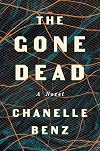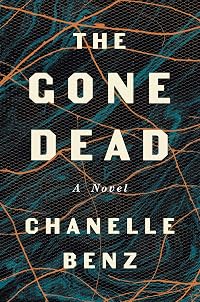
The Gone Dead
by Chanelle Benz
On This Page
Description
Billie James' inheritance isn't much: a little money and a shack in the Mississippi Delta. The house once belonged to her father, a renowned black poet who died unexpectedly when Billie was four years old. Though Billie was there when the accident happened, she has no memory of that day, and she hasn't been back to the South since. Thirty years later, Billie returns but her father's home is unnervingly secluded: her only neighbors are the McGees, the family whose history has been entangled show more with hers since the days of slavery. As Billie encounters the locals, she hears a strange rumor: that she herself went missing on the day her father died. As the mystery intensifies, she finds out that this forgotten piece of her past could put her in danger. show lessTags
Recommendations







Member Reviews
Because there are many secrets, the author chose to tell the story from many points of view, but some of the viewpoints fail to flow into or with the narrative. There are also many lies and many more good intentions gone wrong, together forming a fascinating story, but the mystery of what happened to one character overtakes the whole book, or maybe it was just that what I wanted the book to explore most was eclipsed by the mystery. I wanted to know more about Clifton James' return, why he chose to go back to Mississippi and how his connection to childhood friend Jim had altered with time, and what exactly the radical notions were that he passed to teen crush turned settled wife of another man Shirley. And I wanted to know more about the show more primary narrator, James' daughter, and how she would have reacted to James' radical ideas, and about James' younger brother and his regrets and perceptions of James as a man, a poet, and a radical. These three members of the James family and perhaps one outside point of view could have evinced parallels and conflicts that the full array of POVs could not exemplify and that the insufficiently connected medieval history anecdotes could not mirror with that strangeness that gives counterpoint its beauty. Would like to see more from this author, just more finished, more tightly woven. show less
This is a story about a lot of things.
The central character is Billie James who has returned to her childhood home in Greendale, Mississippi after her mother’s death to visit, reconnect, and to spend a few days in the house left her by her mother.
Reconnecting means reconnecting with the suspicious death of her father, Cliff James, a renowned black poet and activist who died years earlier when Billie was a young child. While staying in the mostly derelict house that belonged to her parents, and in which she spent her youngest years, she discovers an unpublished chapter of a memoir by her father. The memoir, along with some other incidents — discovering that she had been reported missing at the time of her father’s death and the show more general guarded treatment she gets whenever her father’s name is mentioned — spur Billie to a full-on investigation into what really happened in her father’s death.
Her father had left Greendale, following his career, but he returned, as Billie later would, to Greendale. Cliff died in what was reported as a fall in the woods behind his house. Supposedly his head struck a tree root or something that caused the fatal injury. It didn’t sound right to Billie then and even less so now.
Her Uncle Dee offers evasive answers to her questions, sometimes either contradicting himself or, as in the case of the report that Billie was missing, answers that just don’t hold any water.
Billie is joined in her investigation by Carlotta, her father’s girlfriend, and by a scholar, Melvin Hurley, who has built his career around studying and analyzing Billie’s father. Carlotta has never been convinced by the official version of Cliff’s death, and Harlan, in a running conflict with Billie’s and others’ personal interests, needs to close his upcoming book about Cliff with something new and revealing about Cliff’s death.
All fingers point to the policemen who responded to the call the night of Cliff’s death. One is a member of the landowning white family that Billie’s family’s land was carved from. He seems genuine in his care for Billie and her family, but his story doesn’t quite fit together, just as no one’s seems to.
One of the other policemen is presumed to have died, but Billie and Melvin Hurley can’t find any record of his death. The plot thickens more and more until a final scene in which the lies and coverups unravel and what Billie will ever find of the truth struggles out.
It’s better than just a mystery. It’s a story about race that takes us back to the days of the Civil Rights Movement and forward from there to today, with not just the stereotypical patterns of racial tension but the ambiguities of personal passions on all sides. It’s also a story about justice and how to live without justice, or even how to choose to live without justice when justice seems impossible.
A good story, with lots of ambiguity to churn over. show less
The central character is Billie James who has returned to her childhood home in Greendale, Mississippi after her mother’s death to visit, reconnect, and to spend a few days in the house left her by her mother.
Reconnecting means reconnecting with the suspicious death of her father, Cliff James, a renowned black poet and activist who died years earlier when Billie was a young child. While staying in the mostly derelict house that belonged to her parents, and in which she spent her youngest years, she discovers an unpublished chapter of a memoir by her father. The memoir, along with some other incidents — discovering that she had been reported missing at the time of her father’s death and the show more general guarded treatment she gets whenever her father’s name is mentioned — spur Billie to a full-on investigation into what really happened in her father’s death.
Her father had left Greendale, following his career, but he returned, as Billie later would, to Greendale. Cliff died in what was reported as a fall in the woods behind his house. Supposedly his head struck a tree root or something that caused the fatal injury. It didn’t sound right to Billie then and even less so now.
Her Uncle Dee offers evasive answers to her questions, sometimes either contradicting himself or, as in the case of the report that Billie was missing, answers that just don’t hold any water.
Billie is joined in her investigation by Carlotta, her father’s girlfriend, and by a scholar, Melvin Hurley, who has built his career around studying and analyzing Billie’s father. Carlotta has never been convinced by the official version of Cliff’s death, and Harlan, in a running conflict with Billie’s and others’ personal interests, needs to close his upcoming book about Cliff with something new and revealing about Cliff’s death.
All fingers point to the policemen who responded to the call the night of Cliff’s death. One is a member of the landowning white family that Billie’s family’s land was carved from. He seems genuine in his care for Billie and her family, but his story doesn’t quite fit together, just as no one’s seems to.
One of the other policemen is presumed to have died, but Billie and Melvin Hurley can’t find any record of his death. The plot thickens more and more until a final scene in which the lies and coverups unravel and what Billie will ever find of the truth struggles out.
It’s better than just a mystery. It’s a story about race that takes us back to the days of the Civil Rights Movement and forward from there to today, with not just the stereotypical patterns of racial tension but the ambiguities of personal passions on all sides. It’s also a story about justice and how to live without justice, or even how to choose to live without justice when justice seems impossible.
A good story, with lots of ambiguity to churn over. show less
Chanelle Benz makes her debut with The Gone Dead, a novel set deep in the Mississippi Delta near the turn of the twenty-first century (2002, to be exact). The novel begins with an interesting hook in which its main character Billie James, a young black woman, returns to the Delta to take possession of the shack of a home that once belonged to her father. Billie was only four years old when her father died, and she remembers almost nothing about that chaotic day. Now thirty-four years old, and returning to the South for the first time in thirty years, Billie is dangerously naïve about what to expect when she comes “home” to claim her property.
All Billie knows is that her father died in some kind of bizarre accident near the old show more house – and that nobody, including her uncle and other family members, wants to talk about it. Although she had planned to stay in Mississippi for only a couple of weeks – a family reunion/ vacation kind of thing – Billie becomes so intrigued with the reluctance of anyone to tell her anything helpful about her father that she changes her plans. That’s when she makes a big mistake: she starts asking the kind of questions that make a whole lot of people so nervous that they want her to shut up and go away. And they are willing to do whatever it takes to make that happen.
The Gone Dead is about race relations in the South during the Jim Crow era - a period that lasted well into the 1960s. The number one priority of Jim Crow laws was segregation of the races, a policy that was enforced by threats of violence that often became reality for those blacks who dared try to change things for the better. Billie’s father, a poet, was one of those people who dreamed of better days, and Billie suspects that his accident may not have been exactly accidental. And now that she’s stirred up a hornet’s nest from the past, Billie may end up being a little accident-prone herself if she’s not careful.
Bottom Line: The Gone Dead is a good enough debut novel, but it really doesn’t break any new ground and the story starts to feel like one you’ve heard too many times already. Benz, though, has created some interesting characters here, Billie James among them, and it’s easy to root for them as they finally begin to realize just how deeply they gotten themselves into a situation that could cost them their lives. Really, this is a pretty good mystery – even if it has the kind of open-ended finale that will probably not please readers who like their mysteries to be wrapped up a little more tightly at the end. show less
All Billie knows is that her father died in some kind of bizarre accident near the old show more house – and that nobody, including her uncle and other family members, wants to talk about it. Although she had planned to stay in Mississippi for only a couple of weeks – a family reunion/ vacation kind of thing – Billie becomes so intrigued with the reluctance of anyone to tell her anything helpful about her father that she changes her plans. That’s when she makes a big mistake: she starts asking the kind of questions that make a whole lot of people so nervous that they want her to shut up and go away. And they are willing to do whatever it takes to make that happen.
The Gone Dead is about race relations in the South during the Jim Crow era - a period that lasted well into the 1960s. The number one priority of Jim Crow laws was segregation of the races, a policy that was enforced by threats of violence that often became reality for those blacks who dared try to change things for the better. Billie’s father, a poet, was one of those people who dreamed of better days, and Billie suspects that his accident may not have been exactly accidental. And now that she’s stirred up a hornet’s nest from the past, Billie may end up being a little accident-prone herself if she’s not careful.
Bottom Line: The Gone Dead is a good enough debut novel, but it really doesn’t break any new ground and the story starts to feel like one you’ve heard too many times already. Benz, though, has created some interesting characters here, Billie James among them, and it’s easy to root for them as they finally begin to realize just how deeply they gotten themselves into a situation that could cost them their lives. Really, this is a pretty good mystery – even if it has the kind of open-ended finale that will probably not please readers who like their mysteries to be wrapped up a little more tightly at the end. show less
A debut novel of history and family in the Mississippi delta. Billie, her father found dead in what was called an accident when she was four, returns to the Delta in what she hopes is a short visit. Her mother recently gone as well, she wants to see, what is basically little more than a shack and to visit her uncle, her father's much young brother. She finds more than she expected and finds herself the target of those who do not want the truth of her father's death to be revealed.
I'm not a big fan of stories that use multiple viewpoints within, often feeling that characterization is lost. Here though it works, Billie our main narrator, but also others that fill in the blanks from what she was too young to remember. The Delta is show more portrayed with depth and authenticity, firmly entrenching this story in time and place. A time of racial injustice and when recurring racism was the norm.
The dialogue is another strong point, fitting each character with admirable efficiency. As each layer is peeled away, new revelations are revealed, the danger Billie is in heightens. This is, in my opinion, a wonderful first effort by a talented new writer.
ARC from Netgalley. show less
I'm not a big fan of stories that use multiple viewpoints within, often feeling that characterization is lost. Here though it works, Billie our main narrator, but also others that fill in the blanks from what she was too young to remember. The Delta is show more portrayed with depth and authenticity, firmly entrenching this story in time and place. A time of racial injustice and when recurring racism was the norm.
The dialogue is another strong point, fitting each character with admirable efficiency. As each layer is peeled away, new revelations are revealed, the danger Billie is in heightens. This is, in my opinion, a wonderful first effort by a talented new writer.
ARC from Netgalley. show less
This book was a disappointment. I was expecting a mystery with some focus on serious issues, but there is no real mystery, just people not wanting to discuss the past and confront racial injustice.
After an absence of three decades, Billie James returns to the Mississippi Delta. She has inherited the house where her father Clifton, a well-known black poet, died in 1972, 30 years earlier. During her time in Glendale, she finds out that some people suspect Clifton’s death may not have been the result of an accidental fall as determined by the police. She decides to stay and try to learn the truth, though there are people who keep warning her not to ask too many questions. As she persists, she finds herself in increasing danger.
The novel show more focuses on Billie’s perspective, but the viewpoints of eight others are interspersed. The most interesting one is that of Avalon, “an old juke joint” frequented by Clifton. After describing all it has seen in its life, which has included “too much weeping too damn much of the time,” it addresses Billie: “Listen, girl, everything you want to know is near, telling itself over again, the song is on repeat.”
This statement really indicates the theme of the novel: racism still exists. People who know what happened to Clifton do not want to address the issue of unjust treatment of blacks in the past. Even her Uncle Dee does not want her investigating his brother’s death. In the present, Billie becomes friends with a white man but their relationship does not receive the community’s approval. Given the high incarceration rate for blacks, Billie does not think she can trust the police.
The pace of the narrative is slow so I found my interest waning. There is considerable extraneous information that seems to serve little purpose. For instance, Uncle Dee brings Billie to talk to one of Clifton’s former girlfriends who says, “’Dee tells me you have been asking questions about your daddy’s death.’” The following paragraph follows that statement: “Her uncle is still hovering. Her mother had a print of the Röttgen Pietà, a fourteenth-century German sculpture. In it, a mutilated Christ lies emaciated in Mary’s lap, ribs showing, mouth fallen open, tiny compared to the mass of his mother. But it is Mary’s stony expression that is so disturbing: the wooden, embittered agony. ‘She got the police report,’ her uncle says.” What does a German sculpture have to do with the discussion of the police report of Clifton’s death? What’s with the fixation with deodorant which is mentioned three times? Her uncle comes to take her to a bar and Billie responds with “’What bar? I don’t have deodorant on’”?? And how about this disjointed conversation: “’My mother was an academic. She specialized in Christian medieval theology. So I know me some King James.’ She inspects her raw elbow. ‘My cousin is in jail. I hate thinking of him in there. He was such a sweetheart’”??
The ending is disappointing. There is no real closure since many questions are left unanswered. One character, Dr. Melvin Hurley, an academic writing Clifton’s biography, is just dropped; he is present at the climax but then is never mentioned again. The rushed climax and abrupt ending – with no dramatic revelations – are not in keeping with the pace of the rest of the novel.
The most positive element of the novel is its rich sense of place. There is no doubt that the author is familiar with the Mississippi Delta. Unfortunately, I didn’t find much else to recommend the book. There is no real mystery because the manner of Clifton’s death is totally predictable. The theme is worth developing but its impact is lessened by an uneven, disjointed narrative.
Note: Please check out my reader's blog (https://schatjesshelves.blogspot.com/) and follow me on Twitter (@DCYakabuski). show less
After an absence of three decades, Billie James returns to the Mississippi Delta. She has inherited the house where her father Clifton, a well-known black poet, died in 1972, 30 years earlier. During her time in Glendale, she finds out that some people suspect Clifton’s death may not have been the result of an accidental fall as determined by the police. She decides to stay and try to learn the truth, though there are people who keep warning her not to ask too many questions. As she persists, she finds herself in increasing danger.
The novel show more focuses on Billie’s perspective, but the viewpoints of eight others are interspersed. The most interesting one is that of Avalon, “an old juke joint” frequented by Clifton. After describing all it has seen in its life, which has included “too much weeping too damn much of the time,” it addresses Billie: “Listen, girl, everything you want to know is near, telling itself over again, the song is on repeat.”
This statement really indicates the theme of the novel: racism still exists. People who know what happened to Clifton do not want to address the issue of unjust treatment of blacks in the past. Even her Uncle Dee does not want her investigating his brother’s death. In the present, Billie becomes friends with a white man but their relationship does not receive the community’s approval. Given the high incarceration rate for blacks, Billie does not think she can trust the police.
The pace of the narrative is slow so I found my interest waning. There is considerable extraneous information that seems to serve little purpose. For instance, Uncle Dee brings Billie to talk to one of Clifton’s former girlfriends who says, “’Dee tells me you have been asking questions about your daddy’s death.’” The following paragraph follows that statement: “Her uncle is still hovering. Her mother had a print of the Röttgen Pietà, a fourteenth-century German sculpture. In it, a mutilated Christ lies emaciated in Mary’s lap, ribs showing, mouth fallen open, tiny compared to the mass of his mother. But it is Mary’s stony expression that is so disturbing: the wooden, embittered agony. ‘She got the police report,’ her uncle says.” What does a German sculpture have to do with the discussion of the police report of Clifton’s death? What’s with the fixation with deodorant which is mentioned three times? Her uncle comes to take her to a bar and Billie responds with “’What bar? I don’t have deodorant on’”?? And how about this disjointed conversation: “’My mother was an academic. She specialized in Christian medieval theology. So I know me some King James.’ She inspects her raw elbow. ‘My cousin is in jail. I hate thinking of him in there. He was such a sweetheart’”??
The ending is disappointing. There is no real closure since many questions are left unanswered. One character, Dr. Melvin Hurley, an academic writing Clifton’s biography, is just dropped; he is present at the climax but then is never mentioned again. The rushed climax and abrupt ending – with no dramatic revelations – are not in keeping with the pace of the rest of the novel.
The most positive element of the novel is its rich sense of place. There is no doubt that the author is familiar with the Mississippi Delta. Unfortunately, I didn’t find much else to recommend the book. There is no real mystery because the manner of Clifton’s death is totally predictable. The theme is worth developing but its impact is lessened by an uneven, disjointed narrative.
Note: Please check out my reader's blog (https://schatjesshelves.blogspot.com/) and follow me on Twitter (@DCYakabuski). show less
This novel, with a promising premise, is a disappointment. Billie, daughter of a Black poet/activist father and a white mother who meet during Freedom Summer in Mississippi, inherits her grandmother's dilapidated Delta home and moves in, putting aside her life and job in Philadelphia. Her father Cliff died under suspicious circumstances in Greendale when Billie was three, and with her mother now also gone, she becomes more curious about him. But there's very little of Billie revealed here; in fact, her dog Rufus, also inherited, is a more sympathetic character. She becomes involved with the white son of a neighbor, finds an early chapter of a memoir written by Cliff before his death, and enlists the help of an uncle, cousin, and a show more scholar who's writing her father's biography. But when the mystery is solved, the climactic scene is low key and lacking drama.
Quote: "A Black man in the South walked around with a target on his back for every angry white man who felt life hadn't given him what he deserved." show less
Quote: "A Black man in the South walked around with a target on his back for every angry white man who felt life hadn't given him what he deserved." show less
Alternating perspectives from several characters shows how people justify silence to protect themselves or those they love. It also slightly demonstrates how people who don't speak up can still consider themselves a "good" person. The narrative was engaging and the subject thought-provoking.
Members
- Recently Added By
Lists

Fiction: Crime, Detective, Mystery
350 works; 3 members
Author Information

4+ Works 330 Members
Awards and Honors
Awards
Distinctions
Common Knowledge
- Canonical title
- The Gone Dead
- Original publication date
- 2019
- People/Characters
- Billie James
- Important places
- Mississippi Delta Region, Mississippi, USA
- First words
- It is not exactly as she was picturing.
- Blurbers
- Laymon, Kiese; Franklin, Tom; McLaughlin, James A.; Spiotta, Dana; Adjei-Brenyah, Nana Kwame
- Canonical DDC/MDS
- 813.6
- Canonical LCC
- PS3602.E7248
Classifications
Statistics
- Members
- 231
- Popularity
- 141,031
- Reviews
- 10
- Rating
- (3.54)
- Languages
- English
- Media
- Paper, Audiobook, Ebook
- ISBNs
- 10
- ASINs
- 2