On This Page
Description
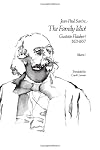
A psychoanalytic portrait of Flaubert with reference to the ideology of his period, the crisis in literature, and his role as one both influenced by all this and influencing the future of literature. -- Dust jacket.Tags
Recommendations








































Member Reviews
Members
- Recently Added By
Author Information

728+ Works 57,703 Members
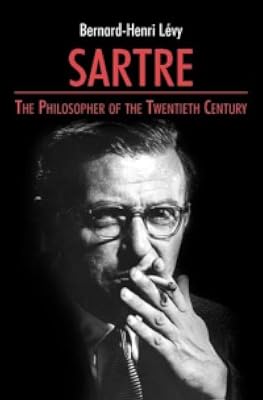
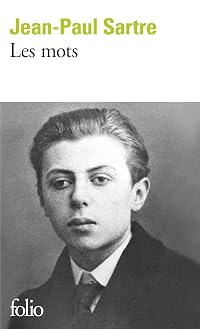
Sartre is the dominant figure in post-war French intellectual life. A graduate of the prestigious Ecole Normale Superieure with an agregation in philosophy, Sartre has been a major figure on the literary and philosophical scenes since the late 1930s. Widely known as an atheistic proponent of existentialism, he emphasized the priority of existence show more over preconceived essences and the importance of human freedom. In his first and best novel, Nausea (1938), Sartre contrasted the fluidity of human consciousness with the apparent solidity of external reality and satirized the hypocrisies and pretensions of bourgeois idealism. Sartre's theater is also highly ideological, emphasizing the importance of personal freedom and the commitment of the individual to social and political goals. His first play, The Flies (1943), was produced during the German occupation, despite its underlying message of defiance. One of his most popular plays is the one-act No Exit (1944), in which the traditional theological concept of hell is redefined in existentialist terms. In Red Gloves (Les Mains Sales) (1948), Sartre examines the pragmatic implications of the individual involved in political action through the mechanism of the Communist party and a changing historical situation. His highly readable autobiography, The Words (1964), tells of his childhood in an idealistic bourgeois Protestant family and of his subsequent rejection of his upbringing. Sartre has also made significant contributions to literary criticism in his 10-volume Situations (1947--72) and in works on Baudelaire, Genet, and Flaubert. In 1964 he was awarded the Nobel Prize in Literature and refused it, saying that he always declined official honors. (Bowker Author Biography) show less
Awards and Honors
Distinctions
Series

Belongs to Publisher Series
Work Relationships
Is contained in
Common Knowledge
- People/Characters
- Gustave Flaubert
Classifications
- Genres
- Literature Studies and Criticism, Fiction and Literature, Biography & Memoir
- DDC/MDS
- 843.8 — Literature & rhetoric French Literature French fiction Later 19th century 1848–1900
- LCC
- PQ2247 .S313 — Language and Literature French, Italian, Spanish and Portuguese literatures French literature Modern literature 19th century
- BISAC
Statistics
- Members
- 66
- Popularity
- 474,041
- Rating
- (4.25)
- Languages
- English, French, German, Portuguese
- Media
- Paper, Ebook
- ISBNs
- 4
- ASINs
- 4