On This Page
Description
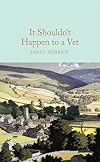
When taking a cow's temperature the old-fashioned way, never let go of the thermometer... James Herriot has settled happily into life as a Darrowby vet, tending to livestock and pets alike - not to mention dealing with his mercurial boss Siegfried and his irrepressible, puckish vet student brother Tristan. Day to day, he finds himself testing entire herds of cattle for tuberculosis; acquiring another generous animal nephew alongside Tricki Woo the Peke (this time, Nugent the pig); fending show more off a ferocious Great Dane with a rickety chair - and attempting to court a farmer's daughter, the lovely Helen Alderson... show lessTags
Recommendations




















Member Reviews
This is pure “comfort food” for me: James Herriot’s memoirs are like a soothing, nurturing balm for the soul for me.
Nestled within the pages of this book is not only the continuation of the endearing sagas I came to love from his previous work but also a wealth of humour, warmth, and genuine affection for both animals and humanity.
»It was to a moribund horse, and Mr. Sidlow, describing the treatment to date, announced that he had been pushing raw onions up the horse’s rectum; he couldn’t understand why it was so uneasy on its legs. Siegfried had pointed out that if he were to insert a raw onion in Mr. Sidlow’s rectum, he, Mr. Sidlow, would undoubtedly be uneasy on his legs.«
What strikes me most about Herriot's writing is show more the effortlessly vivid way he captures the life of a country vet in Yorkshire. His narrative weaves intricate tales that both amuse and move, with a cast of characters that could only belong to the unique world he describes. From farmers set in their ways to a range of animals that bring to life the breathtaking canvas of the Yorkshire dales, Herriot's storytelling paints a picture so compelling it's as if the drystone walls and rolling hills leap from the pages.
The anecdotes shared within the book seem almost too extraordinary to be true, yet it's the authenticity of Herriot's experiences that infuses his writing with such heartwarming appeal. Whether he's recounting midnight emergencies or the quirks and foibles of his four-legged patients, one can't help but be enchanted by the compassionate interplay between man and beast.
»Yet what made him trail down that hillside every day in all weathers? Why had he filled the last years of those two old horses with peace and beauty? Why had he given them a final ease and comfort which he had withheld from himself?
It could only be love.«
Part of the book's allure also comes from Herriot's narrative tone, which is at once entirely self-deprecating and brimming with a gentle humour. He portrays his younger self with such candour, reflecting on the trials and tribulations of a novice vet that his experiences become wonderfully, and hilariously, relatable. The moments of exasperation, the triumphs over seemingly insurmountable challenges, and the lessons learned in the most unexpected of ways have a way of resonating with anyone who's ever pursued a passion or followed a calling.
»A backhander on the side of the head drove me violently against Helen’s shoulder and I was beginning to apologise when I saw that her twitching and frowning had come on again. But this time it spread and her whole face seemed to break up. She began to laugh, silently and helplessly.
I had never seen a girl laugh like this. It was as though it was something she had wanted to do for a long time. She abandoned herself utterly to it, lying back with her head on the back of the seat, legs stretched out in front of her, arms dangling by her side. She took her time and waited until she had got it all out of her system before she turned to me.
She put her hand on my arm. “Look,” she said faintly. “Next time, why don’t we just go for a walk?”«
While the humour is a constant thread — with escapades often leading to side-splitting laughter — there is a profound sense of respect that Herriot extends towards his profession. His depiction of the intimate relationship between humans and their animal companions serves as a tender reminder of the trust and responsibility placed in the hands of those who care for our non-human friends.
»I tried to be cheerful. “Well, I don’t think she’ll die, and even if the quarter goes she’ll make it up on the other three.” But there was the feeling of helplessness I always had when I could do little about something which mattered a great deal.«
Yet, it's not merely the insightful look into veterinary life that captivated me, but also the rich portrayal of rural England in the 1930s. The social history wrapped within the book's humourous anecdotes paints an evocative image of the period. We're given a snapshot of a world that teeters on the threshold of change, and through Herriot's eyes, we can witness the shifts in society that herald the modern era whilst clinging to the timeless traditions that define Yorkshire and its people.
»But the effort fell flat; the effect was entirely spoiled. He was polishing the glass with a dead hen.«
In short, 'It Shouldn't Happen to a Vet' is a splendid read that I would wholeheartedly recommend to anyone with a love for animals or a fondness for the English countryside and its stories. Herriot's well-told stories are soaked in warmth, wisdom, and a touch of good old-fashioned humanity.
I love them deeply. Five out of five stars.
Also: »nincompoop« - how not to love that?!
Blog | Facebook | Twitter | Mastodon | Instagram | Pinterest | Medium | Matrix | Tumblr
Ceterum censeo Putin esse delendam show less
Nestled within the pages of this book is not only the continuation of the endearing sagas I came to love from his previous work but also a wealth of humour, warmth, and genuine affection for both animals and humanity.
»It was to a moribund horse, and Mr. Sidlow, describing the treatment to date, announced that he had been pushing raw onions up the horse’s rectum; he couldn’t understand why it was so uneasy on its legs. Siegfried had pointed out that if he were to insert a raw onion in Mr. Sidlow’s rectum, he, Mr. Sidlow, would undoubtedly be uneasy on his legs.«
What strikes me most about Herriot's writing is show more the effortlessly vivid way he captures the life of a country vet in Yorkshire. His narrative weaves intricate tales that both amuse and move, with a cast of characters that could only belong to the unique world he describes. From farmers set in their ways to a range of animals that bring to life the breathtaking canvas of the Yorkshire dales, Herriot's storytelling paints a picture so compelling it's as if the drystone walls and rolling hills leap from the pages.
The anecdotes shared within the book seem almost too extraordinary to be true, yet it's the authenticity of Herriot's experiences that infuses his writing with such heartwarming appeal. Whether he's recounting midnight emergencies or the quirks and foibles of his four-legged patients, one can't help but be enchanted by the compassionate interplay between man and beast.
»Yet what made him trail down that hillside every day in all weathers? Why had he filled the last years of those two old horses with peace and beauty? Why had he given them a final ease and comfort which he had withheld from himself?
It could only be love.«
Part of the book's allure also comes from Herriot's narrative tone, which is at once entirely self-deprecating and brimming with a gentle humour. He portrays his younger self with such candour, reflecting on the trials and tribulations of a novice vet that his experiences become wonderfully, and hilariously, relatable. The moments of exasperation, the triumphs over seemingly insurmountable challenges, and the lessons learned in the most unexpected of ways have a way of resonating with anyone who's ever pursued a passion or followed a calling.
»A backhander on the side of the head drove me violently against Helen’s shoulder and I was beginning to apologise when I saw that her twitching and frowning had come on again. But this time it spread and her whole face seemed to break up. She began to laugh, silently and helplessly.
I had never seen a girl laugh like this. It was as though it was something she had wanted to do for a long time. She abandoned herself utterly to it, lying back with her head on the back of the seat, legs stretched out in front of her, arms dangling by her side. She took her time and waited until she had got it all out of her system before she turned to me.
She put her hand on my arm. “Look,” she said faintly. “Next time, why don’t we just go for a walk?”«
While the humour is a constant thread — with escapades often leading to side-splitting laughter — there is a profound sense of respect that Herriot extends towards his profession. His depiction of the intimate relationship between humans and their animal companions serves as a tender reminder of the trust and responsibility placed in the hands of those who care for our non-human friends.
»I tried to be cheerful. “Well, I don’t think she’ll die, and even if the quarter goes she’ll make it up on the other three.” But there was the feeling of helplessness I always had when I could do little about something which mattered a great deal.«
Yet, it's not merely the insightful look into veterinary life that captivated me, but also the rich portrayal of rural England in the 1930s. The social history wrapped within the book's humourous anecdotes paints an evocative image of the period. We're given a snapshot of a world that teeters on the threshold of change, and through Herriot's eyes, we can witness the shifts in society that herald the modern era whilst clinging to the timeless traditions that define Yorkshire and its people.
»But the effort fell flat; the effect was entirely spoiled. He was polishing the glass with a dead hen.«
In short, 'It Shouldn't Happen to a Vet' is a splendid read that I would wholeheartedly recommend to anyone with a love for animals or a fondness for the English countryside and its stories. Herriot's well-told stories are soaked in warmth, wisdom, and a touch of good old-fashioned humanity.
I love them deeply. Five out of five stars.
Also: »nincompoop« - how not to love that?!
Blog | Facebook | Twitter | Mastodon | Instagram | Pinterest | Medium | Matrix | Tumblr
Ceterum censeo Putin esse delendam show less
I enjoyed this, the second book in James Herriot's memoirs as much as I did the first book. These little vignettes are remarkable in their realism and in the wonderful descriptions of the countryside of Yorkshire and of the marvellous and real people that lived in Yorkshire in the late 1930's. These stories made me chuckle, laugh out load, and some even brought some tears to my eyes. This is why I love to read and these stories have restored my faith in the world and restored my faith in humanity. During these trying times it is very nice to simply enjoy and revel in the simplicity of life during the last century. By the end of this book James is marred to his Helen, and the last story describing their honeymoon made me smile as I show more closed my e-reader. The story in this book about the man with his two old draft horses is a classic, and I had to grab a tissue after I finished that one. I am going to continue to read the other books in this wonderful series, and the sooner the better. show less
It Shouldn't Happen to a Vet - James Herriot *****
I read the first in this series (If Only They Could Talk) over two years ago and then bought the box set, for whatever reason I never picked up the next book and coming across them the other day decided it was about time I did. James Herriot is a bit of a change in author and genre for me. I very rarely read comedy novels (although I did love the Reggie Perrin books by David Nobbs) and yet I really enjoyed this and its predecessor. Based on his real life career as a country vet in Yorkshire the book is a series of tales detailing his personal life at the time and the way in which vets practiced in the first half of the 20th Century. Published in 1972 it is still as fresh today as it was show more then and I can see why it has remained in print all these years as well as spawning a TV series and films.
Herriot is one of those writers that just emanates warmth and takes you on the journey with him; I honestly feel that after reading one of his chapters I could put on a nice warm coat on and go for a wander across the mountains. One minute he can be telling you an amusing tale of a pet pig sending him gifts, and the next a heartbreaking story of an elderly dog passing away or a riotous night in the local pub. You can tell that he really cares about his job and the people around him and he leaves you with no misguided apprehensions about how difficult life was really like in those days, where a family may break even based on the health of a single animal. Written as a memoir it is best to read the series in the order they were written as many of his life events are carried through each book, (they are just as much about his own personal life as the animals he cares for).
The only thing that put a dampener on this book was that I read another article about the author and it seems that not all the book was autobiographical. I liked the thought of him treading through the snow to tend to an injured cow, or being reprimanded by a farmer that feels they know best. The thought that this somehow may not have happened does take the shine off a little, but I suppose the majority of the book must have been based on real life experiences, no matter how loosely.
If you are looking for a nice relaxing read of a bygone era, written with a dose of humour then give the Herriot books a try. There is even a museum dedicated to him in Thirsk, North Yorkshire that I would like to visit one day. An easy 5 stars and I won’t be leaving it so long until I read the next instalment. show less
I read the first in this series (If Only They Could Talk) over two years ago and then bought the box set, for whatever reason I never picked up the next book and coming across them the other day decided it was about time I did. James Herriot is a bit of a change in author and genre for me. I very rarely read comedy novels (although I did love the Reggie Perrin books by David Nobbs) and yet I really enjoyed this and its predecessor. Based on his real life career as a country vet in Yorkshire the book is a series of tales detailing his personal life at the time and the way in which vets practiced in the first half of the 20th Century. Published in 1972 it is still as fresh today as it was show more then and I can see why it has remained in print all these years as well as spawning a TV series and films.
Herriot is one of those writers that just emanates warmth and takes you on the journey with him; I honestly feel that after reading one of his chapters I could put on a nice warm coat on and go for a wander across the mountains. One minute he can be telling you an amusing tale of a pet pig sending him gifts, and the next a heartbreaking story of an elderly dog passing away or a riotous night in the local pub. You can tell that he really cares about his job and the people around him and he leaves you with no misguided apprehensions about how difficult life was really like in those days, where a family may break even based on the health of a single animal. Written as a memoir it is best to read the series in the order they were written as many of his life events are carried through each book, (they are just as much about his own personal life as the animals he cares for).
The only thing that put a dampener on this book was that I read another article about the author and it seems that not all the book was autobiographical. I liked the thought of him treading through the snow to tend to an injured cow, or being reprimanded by a farmer that feels they know best. The thought that this somehow may not have happened does take the shine off a little, but I suppose the majority of the book must have been based on real life experiences, no matter how loosely.
If you are looking for a nice relaxing read of a bygone era, written with a dose of humour then give the Herriot books a try. There is even a museum dedicated to him in Thirsk, North Yorkshire that I would like to visit one day. An easy 5 stars and I won’t be leaving it so long until I read the next instalment. show less
Delightful vignettes of life as a young vet in the remote Yorkshire hills in the 1930's. Although these books are thought of as light reading, he has a sharp pen, and doesn't hesitate to skewer the bullies and the tight fisted, as well as showing generosity and joy of life where he finds it.
The Literary cure for depression.
Being a vet in rural England in the early 20th Centuary was tough. I mean, it takes more than passion to get by with this job. Imagine spending your days shoulder deep inside a cow, and when you finally get to your car, it's brakes don't work and it's rolling down the hill into someone's shed.
I loved it, Herriot is a truely funny writer.
Being a vet in rural England in the early 20th Centuary was tough. I mean, it takes more than passion to get by with this job. Imagine spending your days shoulder deep inside a cow, and when you finally get to your car, it's brakes don't work and it's rolling down the hill into someone's shed.
I loved it, Herriot is a truely funny writer.
This review is written with a GPL 3.0 license and the rights contained therein shall supersede all TOS by any and all websites in regards to copying and sharing without proper authorization and permissions. Crossposted at Bookstooge.booklikes.blogspot. wordpress.leafmarks.com & Bookstooge's Reviews on the Road Facebook Group by Bookstooge's Exalted Permission. Title: It Shouldn't Happen to a Vet Series: All Creatures Great and Small Author: James Herriot Rating: 4 of 5 Stars Genre: Autobiography Pages: 290 Format: Scan Synopsis: Year 2 of Jim's Adventuring in Vet'ing. My Thoughts: I didn't enjoy this one quite as much as the previous book. I think that is mostly because the novelty had worn itself out in book one. Other than show more that, this was just as solid. Good character sketches, interesting descriptions of happy and sad times. This time around we also get some of the social interactions that Jim has; even if only to get completely plastered, fall down a hill with a drunk woman and then meet the girl he wants to impress. I am glad I am reading these. " show less
The second book in the series, almost as good as the first. In addition to the 'bona fide veterinary' episodes also follows the author's nascent love for and courtship of his future wife.
Members
- Recently Added By
Author Information

135+ Works 52,853 Members
James Herriot was born James Alfred Wight in Sunderland, England on October 3, 1916. He and his family moved to Glasgow, Scotland in late October of 1916. Herriot attended Yoker Primary School from August 1921 to June 1928. He went on to attend Hillhead High School from September 1928 to 30 June 1933, before graduating from Glasgow Veterinary show more College in 1939. Herriot got a job at the Yorkshire practice of J. Donald Sinclair in 1940. He was a part of the Royal Air Force from 1941 to 1943. In 1966 Herriot began writing at the age of 50. In 1972, All Creatures Great and Small is published, followed by All Things Bright and Beautiful in 1974. On February 4, 1975, Herriot received the American Veterinary Medical Association's Award of Appreciation. In 1977, All Things Wise and Wonderful is published, and a year later the BBC television series of All Creatues Great and Small begins. In 1979, Herriot receives the Order of the British Empire and honorary Litt.D. From Heriot-Watt University in Edinburgh. He follows that honor with the publication of The Lord God Made Them All in 1981.The following year, Herriot is made a fellow of the Royal College of Veterinary Surgeons and in 1983, receives an honorary D.V.Sc. from Liverpool University. Nearly a decade later, Herriot publishes Every Living Thing in 1992. He had written 15 books, which sold 50 million copies in 20 countries and worked as a vet for over 50 years before finally retiring. James Herriot died February 23, 1995, at the age of 78 of cancer. (Bowker Author Biography) show less
Some Editions
Awards and Honors
Awards
Series

Belongs to Publisher Series
Work Relationships
Common Knowledge
- Canonical title
- It Shouldn't Happen to a Vet
- Original title
- It shouldn't happen to a vet
- Original publication date
- 1972
- Important places
- Yorkshire, England, UK
- Related movies
- It Shouldn't Happen to a Vet (1975 | IMDb)
- Dedication
- To DONALD and BRIAN SINCLAIR
Still my friends - First words
- I could see that Mr Handshaw didn't believe a word I was saying.
- Last words
- (Click to show. Warning: May contain spoilers.)'Come on, lad, let's get off into those hills.'
Classifications
Statistics
- Members
- 969
- Popularity
- 27,104
- Reviews
- 17
- Rating
- (4.10)
- Languages
- 6 — Czech, English, French, Norwegian (Bokmål), Slovak, Swedish
- Media
- Paper, Audiobook, Ebook
- ISBNs
- 36
- ASINs
- 21