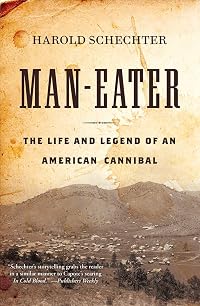
Man-Eater: The Life and Legend of an American Cannibal
by Harold Schechter
On This Page
Description
In the winter of 1873, a small band of prospectors lost their way in the frozen wilderness of the Colorado Rockies. Months later, when the snow finally melted, only one of them emerged. His name was Alfred G. Packer, though he would soon become infamous throughout the country under a different name: "the Man-Eater."After the butchered remains of his five traveling companions were discovered in a secluded valley by the Gunnison River, Packer vanished for nine years, becoming the West's most show more wanted man. What followed was a saga of evasion and retribution as the trial of the century worked to extricate fact from myth and Polly Pry, a once-famed pioneering journalist, took on the cause of Packer. Man-Eater is the definitive story of a legendary crime--a gripping tale of unspeakable suffering, the desperate struggle for survival, and the fight to uncover the truth. show lessTags
Recommendations







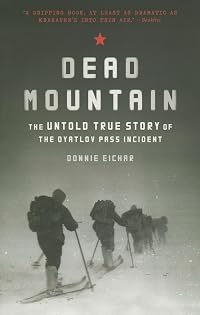

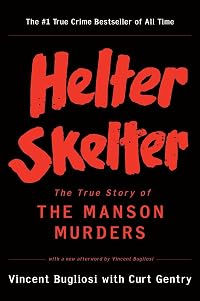



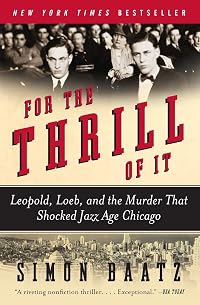
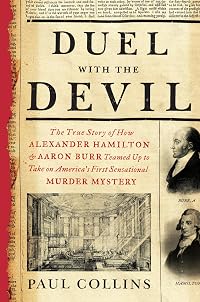
















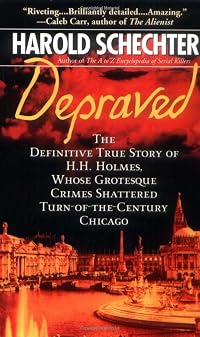

Member Recommendations
Member Reviews
I first heard of Alfred "Alferd" Packer when a friend and I were on our way from Grand Junction, CO to Cortez, CO to spend a few days at Hovenweep National Monument. The quickest, and most scenic, way to get there was to cross through the San Juan Mountains of southwestern Colorado. It was late April (!!), and we got stranded in a snow squall south of Telluride, near Priest Lake. "Do you think this will blow over soon?" I asked, a primal sort of fear in my stomach as I watched the snow pummel our vehicle for over an hour. "Well, if it doesn't," my friend said, "please don't go Alferd Packer on me."
The San Juans are both beautiful and terrifying. It snows early and hard up there; I could see them from my backyard (I lived in Montrose at show more the time), and you could just watch the dark clouds unleashing holy hell on the mountains regularly from September to April. And even though the Packer murder scene is now located near Lake City, actually close to a golf course, it didn't look a thing like that at the time that six men hiked up there - and only Alfred Packer emerged.
I mean, here my friend and I were in a heated car with a nearly full tank of gas, cell phones at the ready, and I was getting a little panicky, I admit. I cannot imagine what it would be like to be stuck out in that kind of weather with none of that at my disposal.
Alfred Packer is well known in Colorado; the University of Colorado Boulder's cafeteria is even named after him. But the legend has eclipsed what really happened, I think. Do I think that he murdered those men? Yep. But let me tell you, I don't think it was to rob them. I think bad things happen when you're hungry, and a bad thing happened near where Lake City stands today. The money was a bonus, because I do believe that Packer though there was a good chance that he would never emerge from those mountains. And having been up to Lake City and the Gunnison area (which, by the way, is one of the top five coldest cities in the entire continental United States - I almost snorted my tea in disbelief when someone who professed to be an expert on the crime called Gunnison "balmy"), I can see why.
I definitely recommend the book; Schechter is one of my favorites in this genre, and he doesn't disappoint with his latest offering. show less
The San Juans are both beautiful and terrifying. It snows early and hard up there; I could see them from my backyard (I lived in Montrose at show more the time), and you could just watch the dark clouds unleashing holy hell on the mountains regularly from September to April. And even though the Packer murder scene is now located near Lake City, actually close to a golf course, it didn't look a thing like that at the time that six men hiked up there - and only Alfred Packer emerged.
I mean, here my friend and I were in a heated car with a nearly full tank of gas, cell phones at the ready, and I was getting a little panicky, I admit. I cannot imagine what it would be like to be stuck out in that kind of weather with none of that at my disposal.
Alfred Packer is well known in Colorado; the University of Colorado Boulder's cafeteria is even named after him. But the legend has eclipsed what really happened, I think. Do I think that he murdered those men? Yep. But let me tell you, I don't think it was to rob them. I think bad things happen when you're hungry, and a bad thing happened near where Lake City stands today. The money was a bonus, because I do believe that Packer though there was a good chance that he would never emerge from those mountains. And having been up to Lake City and the Gunnison area (which, by the way, is one of the top five coldest cities in the entire continental United States - I almost snorted my tea in disbelief when someone who professed to be an expert on the crime called Gunnison "balmy"), I can see why.
I definitely recommend the book; Schechter is one of my favorites in this genre, and he doesn't disappoint with his latest offering. show less
The story of Alfred Packer is rather interesting and gripping. Unfortunately this piece about him is not.
Yes, true crime can be dry especially when dealing with the 19th century turn-of-phrase and style of dictation, I'll admit that. But the books layout presents a jumpy narrative which interrupts what little flow the book has going for it making it hard to get caught up in the events being discussed. Added to that is the overly plodding pace set by the author which makes it feel like a textbook rather than look inside the lives of living people.
On the good hand I have to give enough credit that the research was very well done which offered up a very nice bibliography for other sources to look up later. Schechter did try to do justice show more to the subject but it just didn't have the grip to make me want to finish the book for the sake of enjoyment but rather to be able to say I'd done it and never again. show less
Yes, true crime can be dry especially when dealing with the 19th century turn-of-phrase and style of dictation, I'll admit that. But the books layout presents a jumpy narrative which interrupts what little flow the book has going for it making it hard to get caught up in the events being discussed. Added to that is the overly plodding pace set by the author which makes it feel like a textbook rather than look inside the lives of living people.
On the good hand I have to give enough credit that the research was very well done which offered up a very nice bibliography for other sources to look up later. Schechter did try to do justice show more to the subject but it just didn't have the grip to make me want to finish the book for the sake of enjoyment but rather to be able to say I'd done it and never again. show less
Disclaimer: I received this as part of the GoodReads First Reads program.
This is the story of Alfred Packer. In 1873, Packer was part of a group heading west to find their fortune. While trapped in deep snow and frigid temperatures in Colorado, Packer allegedly killed 5 of his partners, robbed them and butchered them, cooking and eating their remains for several weeks before he could finally make his way out. He always claimed that one of the others killed them all, and he killed that person in self-defence when he was attacked. He was tried and convicted of murder, and sentenced to death, but a legislative blunder in drafting the law voided the sentence. He was retried, found guilty of manslaughter and sentenced to 40 years in prison, show more the maximum sentence allowed. Eventually he received a pardon and was able to die a free man, protesting his innocence to his dying breath.
Did he do it? That remains inconclusive. The author believes so, but gives plenty of room for debate. I am undecided, and don't believe the true story will ever be known. Packer's name has often been used in comedic fashion to mark dining rooms, often misspelled (as he himself did) Alferd Packer.
This is a fascinating bit of American history that was unknown to me, written in a very engaging way, and was very difficult to put down. I'd highly recommend it. show less
This is the story of Alfred Packer. In 1873, Packer was part of a group heading west to find their fortune. While trapped in deep snow and frigid temperatures in Colorado, Packer allegedly killed 5 of his partners, robbed them and butchered them, cooking and eating their remains for several weeks before he could finally make his way out. He always claimed that one of the others killed them all, and he killed that person in self-defence when he was attacked. He was tried and convicted of murder, and sentenced to death, but a legislative blunder in drafting the law voided the sentence. He was retried, found guilty of manslaughter and sentenced to 40 years in prison, show more the maximum sentence allowed. Eventually he received a pardon and was able to die a free man, protesting his innocence to his dying breath.
Did he do it? That remains inconclusive. The author believes so, but gives plenty of room for debate. I am undecided, and don't believe the true story will ever be known. Packer's name has often been used in comedic fashion to mark dining rooms, often misspelled (as he himself did) Alferd Packer.
This is a fascinating bit of American history that was unknown to me, written in a very engaging way, and was very difficult to put down. I'd highly recommend it. show less
Just the other day, while reading this, l reviewed a photo and other Alferd Packer memorabilia at the Museum of Death in New Orleans. This detailed and engrossing (pun intended) investigation of this American prospector who confessed to cannibalism during the winter of 1874. He and five other men attempted to travel through the high mountains of Colorado during the peak of a harsh winter. When only Alfred reached civilization, he claimed that the others had killed each other for food in the style of the survivors of the shipwrecks of the Essex and Méduse also in the 19th century and the Donner Party. Packer confessed to having lived off the flesh of his companions during his snowbound state and to having used it to survive his trek out show more of the mountains two months later. After his story was called into question largely because of the way he also lived high off their specie, he hid from justice for nine years before being tried, convicted of murder, and sentenced to death. Packer won a retrial and was eventually sentenced to five counts of manslaughter and sentenced to 40 years (8 years for each count). This book covers the details of expedition, first trial, second trial, publicity building during imprisonment, eventual parole and life in public. Beside the actual crime – which this study convinces me was intentional, if even a crazed, starvation-induced frenzy – this book covers the legal implications (the time sentenced was far and above that of similar and more heinous cases) and the folklore that grew up around Packer as both folklore bogeyman and sort of antihero legend, even among Republicans for ingesting so many Democrats. show less
I received a ARC of this book in exchange for an unbiased review. I was first introduced to Harold Schector was through his book Nevermore, which is a murder mystery with Poe as the detective and Davy Crockett as his 'assistant' in the proceedings. I later discovered that Schector seems to have an obsessive interest in the darker area of true crime with all his psycho/serial killer books! All that being said, I do find his books rather interesting and so, when I found a new book of his on Netgalley, I had to read it - maybe, I am a little crazy over serial killers.
Man-eater: The Saga of Alfred G. Packer, American Cannibal is a fascinating read to say the least. It is about Alfred Packer, a man who may have committed five murders and show more then feasted on the corpses. He definitely did eat the men, but he denied killing all of them. The man, himself goes through a number of changes in the book or I seem to think he is characterised in a number of different ways by those he meats and by those who decide to champion his bids for freedom. Packer was a solider, a miner, and then participated in one of the many rushes to discover silver/gold. During one of these rushes, he becomes a guide for party in search of gold and of course, things go wrong because they go off in the middle of winter and then, as the poem at beginning of the book says, six miners went into the mountains, but only one came back!
The book is not just about Packer; it uses him as a jumping point to discuss a number of different things. Schector gives us several little pieces of historical contexts, background on various cases of cannibalism - he mentions, the Donner Party and that nautical instances of cannibalism are mostly given a pass whereas those that are land based don't. Also, we are introduced to several different people who are involved, either as witnesses during the trail or who have become enmeshed in the campaign to exonerate Packer.
The book is divided into parts dealing with Packer, his trails, then his bids for freedom, and finally, his historical impact. Schector shares his views in a witty way and there is a lot of dark humour in the book. Unfortunately, the book does drag a bit, but only where it goes into the trial; however, I found the last section of the book hilarious. This section talks about the cultural impacts of Packer the Cannibal such as him being the inspiration for a couple of films, namely Cannibal! The Musical and the brilliant horror/western, Ravenous. Overall, I would recommend this book to those of us who enjoy our history through a slightly demented lens. Bon appetite! show less
Man-eater: The Saga of Alfred G. Packer, American Cannibal is a fascinating read to say the least. It is about Alfred Packer, a man who may have committed five murders and show more then feasted on the corpses. He definitely did eat the men, but he denied killing all of them. The man, himself goes through a number of changes in the book or I seem to think he is characterised in a number of different ways by those he meats and by those who decide to champion his bids for freedom. Packer was a solider, a miner, and then participated in one of the many rushes to discover silver/gold. During one of these rushes, he becomes a guide for party in search of gold and of course, things go wrong because they go off in the middle of winter and then, as the poem at beginning of the book says, six miners went into the mountains, but only one came back!
The book is not just about Packer; it uses him as a jumping point to discuss a number of different things. Schector gives us several little pieces of historical contexts, background on various cases of cannibalism - he mentions, the Donner Party and that nautical instances of cannibalism are mostly given a pass whereas those that are land based don't. Also, we are introduced to several different people who are involved, either as witnesses during the trail or who have become enmeshed in the campaign to exonerate Packer.
The book is divided into parts dealing with Packer, his trails, then his bids for freedom, and finally, his historical impact. Schector shares his views in a witty way and there is a lot of dark humour in the book. Unfortunately, the book does drag a bit, but only where it goes into the trial; however, I found the last section of the book hilarious. This section talks about the cultural impacts of Packer the Cannibal such as him being the inspiration for a couple of films, namely Cannibal! The Musical and the brilliant horror/western, Ravenous. Overall, I would recommend this book to those of us who enjoy our history through a slightly demented lens. Bon appetite! show less
Schechter's got a bias and he's not afraid of it, which makes reading this an odd experience if you don't totally agree with him (and it's hard to tell if you do or not, because he doesn't actually explain his bias until the afterward). But one thing I particularly liked was the similar cases presented for context - there was a lot of cannibalism going on at the time, some of it considered downright heroic, compared to Packer's trials.
Man-Eater: The Life and Legend of an American Cannibal by Harold Schechter is a highly recommended nonfiction narrative about Alfred (Alferd) G. Packer, a prospector who was accused of cannibalism.
Six miners went into the mountains
to hunt for precious gold;
It was the middle of the winter,
the weather was dreadful cold.
Six miners went into the mountains,
they had nor food nor shack—
Six miners went into the mountains,
But only one came back.
"The Lost Miners"(or the Ballad of Alferd Packer; nineteenth century)
In 1873 Packer and a group of five other men set off through the high mountains of Colorado to seek their fortune in gold or silver. It was winter, a brutal time to be traveling through the mountains, and the men were lost and show more starving. Packer was the only man to make it out alive. Though he changed his story several times, it was widely believed that he killed the others and ate them in order to survive. Packer claimed, at one point, that the men were killed by another member of the group, Shannon Wilson Bell, who Packer in turned shot before Bell killed him. Then he did eat the flesh of his deceased companions to ward off starvation. It was also believed that he may have killed the other men to rob them; he did admittedly take money from the dead men.
Schechter covers Packer's two trials, along with a plethora of historical information to place the legendary crime story in context. He includes Polly Pry's efforts on Packer's behalf, and the cultural impact of Packer's story. For example, a cafeteria at the University of Colorado Boulder is named after Packer, several films and a musical based on the story have been made, and songs have been written about it. Schechter also discusses James Starr's efforts in to use modern forensic science techniques to resolve the questions surrounding Packer's case.
This is one of those books that is simply interesting to read. If you enjoy nonfiction about the late 1800s, prospectors, cases of cannibalism in US history, and sensational historical figures, this may be a good choice for you. Written in 50 short, well organized chapters, the book includes chapter notes and a bibliography.
(The spelling of the name Alfred as “Alferd” is because Packer didn’t know how to spell his name when younger and used the alternate misspelling.)
Disclosure: My Kindle edition was courtesy of Little A for review purposes. show less
Six miners went into the mountains
to hunt for precious gold;
It was the middle of the winter,
the weather was dreadful cold.
Six miners went into the mountains,
they had nor food nor shack—
Six miners went into the mountains,
But only one came back.
"The Lost Miners"(or the Ballad of Alferd Packer; nineteenth century)
In 1873 Packer and a group of five other men set off through the high mountains of Colorado to seek their fortune in gold or silver. It was winter, a brutal time to be traveling through the mountains, and the men were lost and show more starving. Packer was the only man to make it out alive. Though he changed his story several times, it was widely believed that he killed the others and ate them in order to survive. Packer claimed, at one point, that the men were killed by another member of the group, Shannon Wilson Bell, who Packer in turned shot before Bell killed him. Then he did eat the flesh of his deceased companions to ward off starvation. It was also believed that he may have killed the other men to rob them; he did admittedly take money from the dead men.
Schechter covers Packer's two trials, along with a plethora of historical information to place the legendary crime story in context. He includes Polly Pry's efforts on Packer's behalf, and the cultural impact of Packer's story. For example, a cafeteria at the University of Colorado Boulder is named after Packer, several films and a musical based on the story have been made, and songs have been written about it. Schechter also discusses James Starr's efforts in to use modern forensic science techniques to resolve the questions surrounding Packer's case.
This is one of those books that is simply interesting to read. If you enjoy nonfiction about the late 1800s, prospectors, cases of cannibalism in US history, and sensational historical figures, this may be a good choice for you. Written in 50 short, well organized chapters, the book includes chapter notes and a bibliography.
(The spelling of the name Alfred as “Alferd” is because Packer didn’t know how to spell his name when younger and used the alternate misspelling.)
Disclosure: My Kindle edition was courtesy of Little A for review purposes. show less
Members
- Recently Added By
Lists

Best Biographies
216 works; 26 members

Works Cited in Kevin Wetmore's Eaters of the Dead
61 works; 1 member

Weirdo Nonfiction
138 works; 3 members
Author Information

57+ Works 7,251 Members
Harold Schechter is a professor of American literature and culture at Queens College, the City University of New York.
Common Knowledge
- Original publication date
- 2015
- People/Characters
- Alfred Packer
Classifications
Statistics
- Members
- 152
- Popularity
- 215,568
- Reviews
- 14
- Rating
- (3.76)
- Languages
- English
- Media
- Paper, Audiobook, Ebook
- ISBNs
- 7
- ASINs
- 2