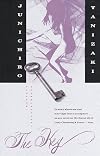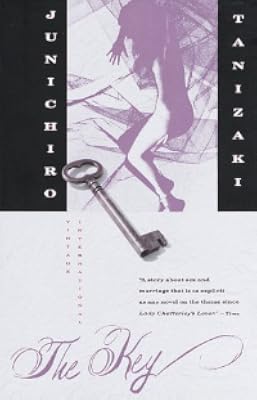
The Key
by Jun'ichirō Tanizaki
On This Page
Description
Scintillating, elegant, darkly comic, The Key is the story of a dying marriage, told in the form of parallel diaries. After nearly thirty years of marriage, a dried-up, middle-aged professor frenziedly strives for new heights of carnal pleasure with his repressed, dissatisfied wife, resorting to stimulants galore for her: brandy, a handsome young lover. During the day, they record their adventures of the previous night. When they begin to suspect each other of peeping into their respective show more diaries, it becomes unclear whether each spouse's confessions might not be intended for the other's eyes. Translated from the Japanese by Howard Hibbett. show lessTags
Recommendations
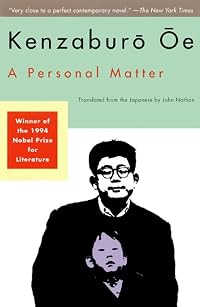

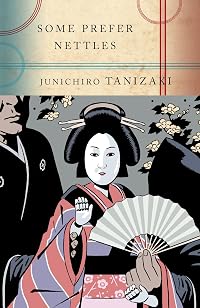
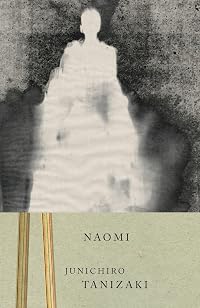
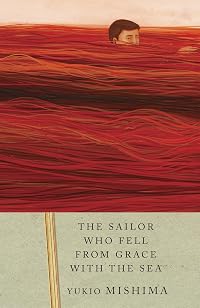




Member Reviews
A muted psychosexual thriller in its midst, Tanizaki's The Key is a strangely gripping story of a middle-aged couple who decide to write their sexual shortcomings and fantasies on their respective diaries. Bound by suspicions of adultery and deceit, what develops is a sexual manipulation each, to an extent, enjoys and inflicts/receives upon the other intentionally. And indeed this novelette would have been nothing but a real bore if only for the repetitive (inexplicit) sexual acts girded by the unconsciousness of a nightly drunken stupor but it ultimately becomes interesting once jealousy and kinks taint not only a marriage but the whole family with a future son-in-law in tow. But none of this is without dire and deathly consequences; show more love and lust mutate into hate and disgust. Sadly The Key fizzles out into a tiring set of diary entries to analyse the has-beens and what-ifs without any concrete message but a disappointing ménage à trois. At times, it seems done in sarcastic humour. And whilst its sexual acts provoke the question of consent's blurry role in a marriage, there is also the frustration and annoyance of the inability to fully communicate issues within the relationship; even the appalling degree people will voluntarily go through to save face is vaguely alluded to. And this may root from the submissiveness/modesty expected of women and the priority given to so-called family reputations. In the end, it's just a continuous perpetual mind game without the much needed mental gymnastics. Fantasies are not as good as our realities. Most often than not they're likely better off kept within the confines of our skulls. The key is perhaps to communicate and compromise. And don't be surprised that women are sexual beings. show less
Kívülről decensnek tűnő japán házasság – de a felszín alatt a szexuális degenerációk kígyóverme. Mindenki titkol valamit, de azért úgy, hogy a másik tisztában legyen azzal, hogy itt valami titkolva van, mert a titok, amiről a másik nem tudja, hogy titkolva van, olyan, mintha nem is lenne – úgy meg mi értelme van? Szerkezetileg két darab párhuzamos naplóból épül fel a szöveg, ami módot adhatna arra, hogy két, egymásnak ismeretlen tudat az olvasó értelmezésében lépjen szimbiózisba egymással, de ebből a szerző nem hozta ki a maximumot. Gyakran volt olyan érzésem, mintha az egyik szöveg csak azért lenne, hogy megismételje és ezáltal megerősítse az előző szövegben foglaltakat. Mintha show more rá kéne bólintania, hogy igen, az előző naplóbejegyzés elkövetője tényleg megtette azt a böszmeséget, amiről tudósít minket, de ez – szerintem – egyszerűen felesleges. Ezzel együtt érdekes olvasmány volt, meg is kapta volna a 4 csillagot, ha a vége nem olyan szájbarágós.
Ja, erotikus olvasmánynak olvastam a lúdbőrző izgalommal várt márciusi molyklubra. De lehet, kénytelen leszek mást olvasni helyette, mert ez a hűvös, távolságtartó tónusban megírt szexuálpatológiai rémtanulmány kábé annyi erotikus borzongást tartalmaz, mint egy életunt nőgyógyász fárasztó hétfői munkanapja. show less
Ja, erotikus olvasmánynak olvastam a lúdbőrző izgalommal várt márciusi molyklubra. De lehet, kénytelen leszek mást olvasni helyette, mert ez a hűvös, távolságtartó tónusban megírt szexuálpatológiai rémtanulmány kábé annyi erotikus borzongást tartalmaz, mint egy életunt nőgyógyász fárasztó hétfői munkanapja. show less
Romanzo del 1956 che per molti versi (l'ossessione per il sesso e il feticismo, la malattia e i farmaci, lo stile epistolare, l'alternanza di due punti di vista e il lasciare spazio a uno solo nella parte finale) anticipa il Diario di un vecchio pazzo del 1962 (da me letto precedentemente e con cui mi viene naturale fare raffronti). Al centro c'è il desiderio di perdizione e realizzazione di una spinta fisica (il sesso, la passione) più forte delle mediazioni familiari e culturali che a poco a poco si cancellano (vedi anche l'ambiguo personaggio della figlia). E poi l'inganno, a spese non solo dell'altra parte ma anche del lettore, tramite la brillante idea di un diario "mentitore". Questi gli elementi più interessanti di questo show more testo oscuro e ossessionato, con cui immagino che il noto film di Tinto Brass abbia poco a che fare. show less
Ein ästhetisch-literarischer Meilenstein. Ich habe dieses 1956 erschienene Meisterwerk in nur wenigen Stunden gelesen. Ein unglaublich fesselnder Erzählstil und ein fantastischer Plot. Es wird in meiner Erinnerung bleiben.
Even more intense than I thought. I've been catching drips and drabs of Tanizaki lately and he never fails to impress me with his studies of domination and power and human relations.
So captivating it was difficult to put down. I read it in a matter of hours. Illustrates a web of erotic obsession that ultimately leads to destruction, fragmentation, and loss. I plan to read much more of Tanizaki's work.
My second Tanizaki book, and I must admit that I am not really a fan. While I appreciated the premise of this novel, it just didn't manage to draw me in - I didn't find it erotic, or even interesting. I just didn't care about the characters. While Tanizaki appeals to a wide range of discerning readers, sadly I am obviously not one of them.
Members
- Recently Added By
Published Reviews
That [The Key] is a work of art can never be in doubt.
added by GYKM
Lists

Japanese Literature
230 works; 40 members

Tammen Keltainen kirjasto
81 works; 1 member

Canon de la narrativa universal del s. XX (cicutadry)
499 works; 3 members
Author Information

198+ Works 12,662 Members
Some Editions
Awards and Honors
Series
Belongs to Publisher Series
Signet Books (D2073)
Keltainen pokkari (28)
Keltainen kirjasto (38)
Work Relationships
Common Knowledge
- Canonical title
- The Key
- Original title
- 鍵; Kagi
- Alternate titles*
- Ключ
- Original publication date
- 1956; 1956 (original Japanese) (original Japanese)
- People/Characters*
- Jago; Ikuko; Toshiko; Kimura
- First words
- New Year's Day
This year I intend to begin writing freely about a topic which, in the past, I have hesitated to even mention here. - Last words*
- (Click to show. Warning: May contain spoilers.)Niin Kimura minulle ainakin sanoo...
- Original language*
- japani
*Some information comes from Common Knowledge in other languages. Click "Edit" for more information.
Classifications
- Genres
- General Fiction, Fiction and Literature
- DDC/MDS
- 895.6344 — Literature & rhetoric Literatures of other languages Literatures of East and Southeast Asia Japanese Japanese fiction Meiji/Taishō periods 1868–1945 1912–1945
- LCC
- PL839 .A7 .K313 — Language and Literature Languages and literatures of Eastern Asia, Africa, Oceania Languages of Eastern Asia, Africa, Oceania Japanese language and literature Japanese literature Individual authors and works
- BISAC
Statistics
- Members
- 873
- Popularity
- 31,050
- Reviews
- 17
- Rating
- (3.64)
- Languages
- 19 — Catalan, Czech, Danish, Dutch, English, Finnish, French, German, Greek, Hebrew, Hungarian, Italian, Japanese, Latvian, Portuguese, Russian, Spanish, Swedish, Turkish
- Media
- Paper, Ebook
- ISBNs
- 52
- ASINs
- 24