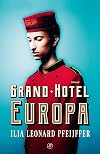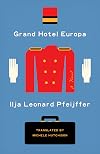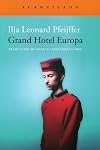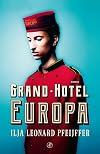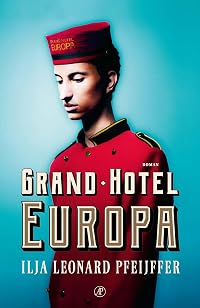
Grand Hotel Europa
by Ilja Leonard Pfeijffer
On This Page
Description
A writer takes residence in the illustrious but decaying Grand Hotel Europa, to think about where things went wrong with Clio, with whom he fell in love in Genoa and moved to Venice. He reconstructs a compelling story of love in times of mass tourism, about their trips to Malta, Palmaria, Portovenere and the Cinque Terre and their thrilling search for the last painting of Caravaggio. Meanwhile, he becomes fascinated by the mysteries of Grand Hotel Europe and gets more and more involved with show more the memorable characters who inhabit it, and who seem to come from a more elegant time. All the while, globalisation seems to be grabbing hold even on this place frozen in time. Grand Hotel Europa is Ilja Leonard Pfeijffer's masterly novel on the old continent, where so much history resides that there is no place left for a future and where the most realistic future perspectives are offered in the form of exploiting the past in the shape of tourism. show lessTags
Recommendations


















Member Reviews
Strange and utterly wonderful!
At first, I could not figure out what it is - a memoir, a documentary, a novel, a danbrownish thriller, a very-very long essay? I guess all of them, really. But then all the pieces fell into the right place and I'm still a bit flabbergasted. HIGHLY recommended!
(Spoiler alter: if you like to travel, this book can fuck you up quite thoroughly.)
At first, I could not figure out what it is - a memoir, a documentary, a novel, a danbrownish thriller, a very-very long essay? I guess all of them, really. But then all the pieces fell into the right place and I'm still a bit flabbergasted. HIGHLY recommended!
(Spoiler alter: if you like to travel, this book can fuck you up quite thoroughly.)
I first want to mention that I read this book in English translated by Michele Hutchinson.
Somehow my opinions on this book were split evenly between "I love this", "this is okay", and "I'm really not enjoying this". I can pin point where I had these opinions too. The inner ramblings and open conversations about tourism were great. I was especially engrossed about all of the chapters based around the documentary making. I hated the long rants about specific art and if I had known there would be so much focus on this I might have thought twice about picking it up. Everything else was neutral.
I feel somewhat cheated that the blurb puts focus on the book being about "mysteries of the hotel" with it's "memorable characters" considering show more this was the weaker aspect of the book and the characters living there were definitely NOT memorable.
The discussions around tourism were strong enough to keep the book entertaining though, so I enjoyed the read and feel like 3 stars is fair. show less
Somehow my opinions on this book were split evenly between "I love this", "this is okay", and "I'm really not enjoying this". I can pin point where I had these opinions too. The inner ramblings and open conversations about tourism were great. I was especially engrossed about all of the chapters based around the documentary making. I hated the long rants about specific art and if I had known there would be so much focus on this I might have thought twice about picking it up. Everything else was neutral.
I feel somewhat cheated that the blurb puts focus on the book being about "mysteries of the hotel" with it's "memorable characters" considering show more this was the weaker aspect of the book and the characters living there were definitely NOT memorable.
The discussions around tourism were strong enough to keep the book entertaining though, so I enjoyed the read and feel like 3 stars is fair. show less
Prachtig erudiet boek over eigenlijk van alles, liefde, geschiedenis, massatoerisme, het failliet van Europa.
sharp analyses of netherlands and, less so, whole of Europe
Ik kan er een hee lang verhaal over schrijven, maar doe dat niet. Heel simpel: lees dit boek. Het is echt goed.
not my cup of tea..
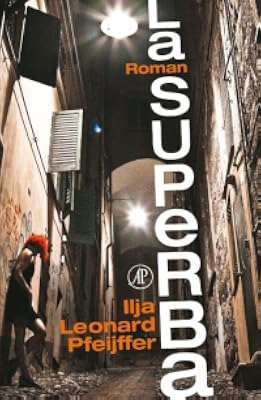
Na La Superba weerom zo'n magistrale roman van Pfeijffer vol met van die prachtige gecomponeerde zinnen die gans het boek door met elkaar wedijveren om te worden herlezen en onthouden. Het is zeker geen amalgaam geworden van door elkaar lopende verhaallijnen. Ik ga die hier niet nog eens opsommen; andere besprekingen doen dat al voldoende. Alles past alleszins hoe langer hoe meer in elkaar tot op het einde echt alles samenkomt. Wonderlijk mooi gedaan. Doorheen het lezen noteerde ik meermaals regels die ik wilde bijhouden om in deze bespreking te kunnen opnemen maar het zijn er gewoon te veel geworden. Het schrijven van het boek lijkt voor de verteller een therapeutisch proces: "Wie zich niet alles herinnert wat hij wil vergeten, loopt show more het risico dat hij bepaalde zaken vergeet te vergeten. Ik moest alles opschrijven, hoewel ik besefte dat de noodzaak van het vertellen, in de woorden van Aeneas aan Dido, het verdriet zou verversen." (p. 19)
Voor mijn gevoel draait veel in het boek rond zoeken. Zoeken naar zingeving, naar identiteit, naar liefde, naar profilering, naar authenticiteit. "Het is nostalgie naar exclusiviteit. Heimwee naar de tijd dat dingen nog zo moeilijk waren dat weinigen het konden. Als ik hierover zou schrijven, zou ik het optuigen tot een symbool voor de toestand waarin de Europese kunst vandaag de dag terecht is gekomen, en misschien zelfs voor de conditie van het continent in het algemeen. In plaats van iets te betekenen worden we geleid door nostalgie naar de tijd dat we iets betekenden. Onze identiteit ligt verankerd in het verleden en daar zijn wij trots op. Maar onze cultus van vervlogen tijden is niets anders dan een krakkemikkig verdedigingsmechanisme tegen de teloorgang van onze identiteit in het heden. En efficiënt is iets anders." (p. 195)
Centraal in alle bespiegelingen over Europa, kunst, toerisme, reizen enzovoort staat toch nog altijd een verhaal, een liefdesverhaal. En dat is maar goed ook. "Mensen denken dat het leven leuker wordt door verhalen. Dat is ook wel waar, maar het is niet het punt. Het wordt zinloos zonder verhalen. Zin bestaat uit zinnen. De woorden die het verhaal vertellen, leggen een geruststellend verband van oorzaak en gevolg over de lukrake feiten en gebeurtenissen. Mensen snakken naar plot omdat een plot de ondraaglijke en onbehapbare chaos in het ondermaanse reduceert tot de menselijke maat en tot een keten van initiatieven en consequenties die een mens vermag te bevatten. Een plot geeft een idee van controle, herkomst en bestemming, oorsprong en richting." (p. 370) En zo gaat Pfeijffer maar door. Zeker lezen dit boek. show less
Voor mijn gevoel draait veel in het boek rond zoeken. Zoeken naar zingeving, naar identiteit, naar liefde, naar profilering, naar authenticiteit. "Het is nostalgie naar exclusiviteit. Heimwee naar de tijd dat dingen nog zo moeilijk waren dat weinigen het konden. Als ik hierover zou schrijven, zou ik het optuigen tot een symbool voor de toestand waarin de Europese kunst vandaag de dag terecht is gekomen, en misschien zelfs voor de conditie van het continent in het algemeen. In plaats van iets te betekenen worden we geleid door nostalgie naar de tijd dat we iets betekenden. Onze identiteit ligt verankerd in het verleden en daar zijn wij trots op. Maar onze cultus van vervlogen tijden is niets anders dan een krakkemikkig verdedigingsmechanisme tegen de teloorgang van onze identiteit in het heden. En efficiënt is iets anders." (p. 195)
Centraal in alle bespiegelingen over Europa, kunst, toerisme, reizen enzovoort staat toch nog altijd een verhaal, een liefdesverhaal. En dat is maar goed ook. "Mensen denken dat het leven leuker wordt door verhalen. Dat is ook wel waar, maar het is niet het punt. Het wordt zinloos zonder verhalen. Zin bestaat uit zinnen. De woorden die het verhaal vertellen, leggen een geruststellend verband van oorzaak en gevolg over de lukrake feiten en gebeurtenissen. Mensen snakken naar plot omdat een plot de ondraaglijke en onbehapbare chaos in het ondermaanse reduceert tot de menselijke maat en tot een keten van initiatieven en consequenties die een mens vermag te bevatten. Een plot geeft een idee van controle, herkomst en bestemming, oorsprong en richting." (p. 370) En zo gaat Pfeijffer maar door. Zeker lezen dit boek. show less
May 2, 2019Dutch
Members
- Recently Added By
Lists

Favorite Long Books
330 works; 41 members

Top Five Books of 2019
387 works; 111 members

Five star books
1,767 works; 110 members

Books Read in 2019
4,052 works; 110 members

EU Fiction: 1950-2022
223 works; 70 members

Dublin Literary Award 2023 Longlist
67 works; 5 members

De 50 beste Nederlandstalige boeken van de 21ste eeuw (De Standaard)
50 works; 1 member
Author Information

57+ Works 2,291 Members
Some Editions
Awards and Honors
Awards
Series
Belongs to Publisher Series
Piper (31858)
Common Knowledge
- Canonical title*
- Grand Hotel Europa
- Original title
- Grand Hotel Europa
- Original publication date
- 2018
- Important places
- Venice, Veneto, Italy
- Publisher's editor*
- Arbeiderspers
- Original language
- Dutch
- Canonical DDC/MDS
- 839.3137
*Some information comes from Common Knowledge in other languages. Click "Edit" for more information.
Classifications
- Genres
- General Fiction, Fiction and Literature
- DDC/MDS
- 839.3137 — Literature & rhetoric German & related literatures Other Germanic literatures Netherlandish literatures Dutch Dutch fiction 21st Century
- LCC
- PT5881.26 .F45 .G73 — Language and Literature German, Dutch and Scandinavian literatures Dutch literature Individual authors or works 1961-2000
- BISAC
Statistics
- Members
- 545
- Popularity
- 54,644
- Reviews
- 22
- Rating
- (4.00)
- Languages
- 14 — Czech, Danish, Dutch, English, Finnish, French, German, Greek, Italian, Norwegian, Portuguese, Romanian, Spanish, Swedish
- Media
- Paper, Audiobook, Ebook
- ISBNs
- 31
- ASINs
- 4