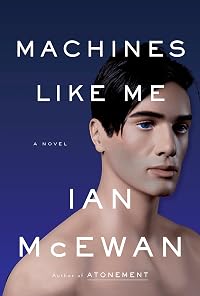
Machines Like Me
by Ian McEwan
On This Page
Description
"Machines Like Me occurs in an alternative 1980s London. Britain has lost the Falklands War, Margaret Thatcher battles Tony Benn for power, and Alan Turing achieves a breakthrough in artificial intelligence. In a world not quite like this one, two lovers will be tested beyond their understanding. Charlie, drifting through life and dodging full-time employment, is in love with Miranda, a bright student who lives with a terrible secret. When Charlie comes into money, he buys Adam, one of the show more first batch of synthetic humans. With Miranda's assistance, he co-designs Adam's personality. This near-perfect human is beautiful, strong, and clever--a love triangle soon forms. These three beings will confront a profound moral dilemma. Ian McEwan's subversive and entertaining new novel poses fundamental questions: What makes us human? Our outward deeds or our inner lives? Could a machine understand the human heart? This provocative and thrilling tale warns against the power to invent things beyond our control"-- show lessTags
Recommendations


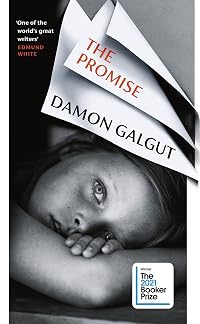
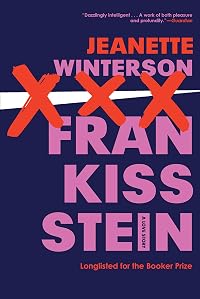
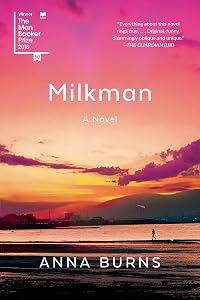
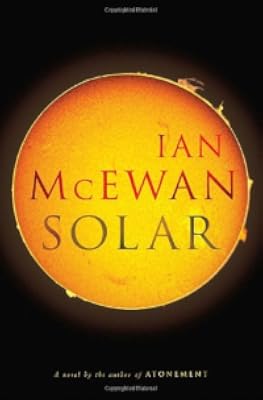






Member Recommendations
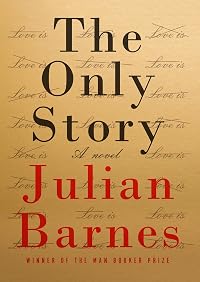
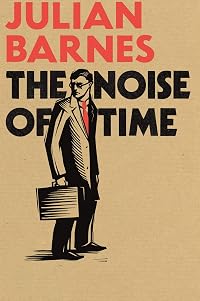
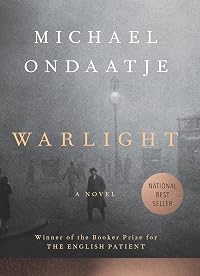
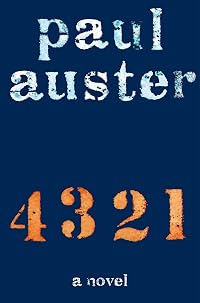
JuliaMaria Intelligente Roboter als Ersatz für menschliche Freundschaften und Liebe.
kjuliff SciFi and computers - possibility of them having souls.
Also recommended by Cecrow
20

Member Reviews
This took me a while to start reading, because I made the mistake of looking up all the negative reviews first. And yes, this is a bad sci-fi novel, and a jumbled work of fiction in general, but honestly, the worst part for me was the narrator, Charlie Friend (or Humbert Humbert, as I started calling him, creepy old nonce that he is). The story is fairly easy to get through.
Set, randomly, in an alternate version of the 1980s, presumably so that the author can safely rant about politics while also dropping in cliched technological advances like artificial intelligence, a nonentity called Charlie, living in a flat in London beneath a younger nonentity called Miranda on whom he has a crush, buys a 'synthetic human' called Adam. And - show more that's the story, really. Adam is the best character in the book. Charlie is the type of bland middle-aged man - although he's only 32 - who thinks that drinking wine makes him sophisticated and calls shagging the girl in the flat upstairs 'making love', because 'getting his end away' would make him sound shallow. Miranda, the emotionally stunted student who is ten years Charlie's junior yet somehow - author insert alert! - falls in love with him anyway, is supposed to be some sort of sympathetic womanly enigma - she has a secret! - but the only depth of character she gains is a nasty streak of vindictiveness. I wasn't convinced that Charlie and Miranda were in love, or that their needs mattered more than Adam's. And the ridiculous subplots of Miranda's secret and the little boy that she wants to adopt just made me like the 'humans' even less. Perhaps that's the point - I hope so, Mr McEwan!
Anyway, Adam. One of a batch of twenty five androids named Adam and Eve - that's the level of originality we're dealing with - created by an Alan Turing who doesn't kill himself but lives into old age, this Adam has the misfortune to be purchased by Charlie and programmed by both Charlie and Miranda, yet he's still awesome. Intelligent, perceptive, poetic (gotta love those haikus), and not about to take any shit from his 'owner' - when Charlie makes a habit of switching Adam off, Adam breaks Charlie's wrist and threatens him: 'I mean it when I say how sorry I am I broke a bit of you last night. I promise it will never happen again. But the next time you reach for my kill switch, I'm more than happy to remove your arm entirely, at the ball and socket joint'. I laughed, I have to admit. Charlie and Miranda's lives are so small and pathetic, and Adam is so brilliant, that I kind of wanted him to follow through on his threat and worse. But when Adam's implacable logic serves Miranda the justice she's so fond of meting out to others, the two bottom feeders go after Adam again!
The plot is rambling and cliched, padded with political rants and what McEwan must have thought was his clever reinvention of the 80s - the Falklands War and a lot of lives are lost, the prime minister is killed at Brighton, etc - and the narrator is so boring that Miranda's father thinks he's the machine (another laugh), but I enjoyed reading about Adam and how his 'brothers and sisters' are so depressed by humanity that they are systematically killing themselves. I couldn't have cared less about Miranda, and didn't believe for a second that a 23 year old student would want to adopt a random child, even less that her application would be seriously considered. I think the author is of the view that all women make natural mothers, and some latent maternal instinct will kick in when faced with a grubby toddler who has the unfortunate name of Mark. But then, he also seems to think that Charlie Friend would attract said 23 year old just because they live in the same building, whereas she would be more likely to laugh in his face and then move out. Although their rationale that 'the end justifies the means' is bitter evidence that they deserve each other.
Intriguing and infuriating - could have been far better, if told from Adam's perspective! show less
Set, randomly, in an alternate version of the 1980s, presumably so that the author can safely rant about politics while also dropping in cliched technological advances like artificial intelligence, a nonentity called Charlie, living in a flat in London beneath a younger nonentity called Miranda on whom he has a crush, buys a 'synthetic human' called Adam. And - show more that's the story, really. Adam is the best character in the book. Charlie is the type of bland middle-aged man - although he's only 32 - who thinks that drinking wine makes him sophisticated and calls shagging the girl in the flat upstairs 'making love', because 'getting his end away' would make him sound shallow. Miranda, the emotionally stunted student who is ten years Charlie's junior yet somehow - author insert alert! - falls in love with him anyway, is supposed to be some sort of sympathetic womanly enigma - she has a secret! - but the only depth of character she gains is a nasty streak of vindictiveness. I wasn't convinced that Charlie and Miranda were in love, or that their needs mattered more than Adam's. And the ridiculous subplots of Miranda's secret and the little boy that she wants to adopt just made me like the 'humans' even less. Perhaps that's the point - I hope so, Mr McEwan!
Anyway, Adam. One of a batch of twenty five androids named Adam and Eve - that's the level of originality we're dealing with - created by an Alan Turing who doesn't kill himself but lives into old age, this Adam has the misfortune to be purchased by Charlie and programmed by both Charlie and Miranda, yet he's still awesome. Intelligent, perceptive, poetic (gotta love those haikus), and not about to take any shit from his 'owner' - when Charlie makes a habit of switching Adam off, Adam breaks Charlie's wrist and threatens him: 'I mean it when I say how sorry I am I broke a bit of you last night. I promise it will never happen again. But the next time you reach for my kill switch, I'm more than happy to remove your arm entirely, at the ball and socket joint'. I laughed, I have to admit. Charlie and Miranda's lives are so small and pathetic, and Adam is so brilliant, that I kind of wanted him to follow through on his threat and worse. But when Adam's implacable logic serves Miranda the justice she's so fond of meting out to others, the two bottom feeders go after Adam again!
The plot is rambling and cliched, padded with political rants and what McEwan must have thought was his clever reinvention of the 80s - the Falklands War and a lot of lives are lost, the prime minister is killed at Brighton, etc - and the narrator is so boring that Miranda's father thinks he's the machine (another laugh), but I enjoyed reading about Adam and how his 'brothers and sisters' are so depressed by humanity that they are systematically killing themselves. I couldn't have cared less about Miranda, and didn't believe for a second that a 23 year old student would want to adopt a random child, even less that her application would be seriously considered. I think the author is of the view that all women make natural mothers, and some latent maternal instinct will kick in when faced with a grubby toddler who has the unfortunate name of Mark. But then, he also seems to think that Charlie Friend would attract said 23 year old just because they live in the same building, whereas she would be more likely to laugh in his face and then move out. Although their rationale that 'the end justifies the means' is bitter evidence that they deserve each other.
Intriguing and infuriating - could have been far better, if told from Adam's perspective! show less
Charlie is a bit of a loser. He comes into a modest inheritance and decides to use it all purchasing one of the twenty-five Adam and Eve androids recently released to the world, a first. Charlie would like to be in love with Miranda, his younger neighbour. She is beautiful and intelligent. He decides to share his Adam with Miranda, proposing that each of them contribute half of the answers to Adam’s initial parameters, creating in the process a shared project and a reason to spend time with her. It works. Their affection grows, complicated somewhat by the fact that Adam also falls in love with Miranda. Of course complications ensue since Miranda is both more and less than she appears to be and Adam is a bit of a miracle. Love, crime, show more revenge, and a full gamut of human emotions follow. Sigh.
McEwan sets Adam’s story in an alternate history. A lot of the 20th century is as we know it, but some key events are different. For example, in the 1980s, which is when this story takes place, Alan Turing is still alive and continuing to produce stellar original contributions to computing science and numerous other fields (which in part explains why computing has advance to the level it has at this point in history). Amidst the jumble of alternative history, McEwan rehearses numerous arguments from philosophy of mind, ethics, and consciousness studies. It reads a bit like a set of extended and overly complicated thought experiments. I hope that isn’t what McEwan thinks literature is because I’m afraid it results in a set of characters and situations for which the reader will have great difficulty having much empathy. I just found I didn’t care about any of them, despite having a reasonable grounding in the computational and philosophical problems that underlie Turing’s famous test. To the extent that the thought experiments were interesting, the entire alternate history of 20th century Britain was irrelevant, and vice versa. In a very real sense, Charlie and Miranda failed to come to life, and certainly no more so than Adam.
I can’t really recommend this. Worse, I dread that it will show up on the reading list of an introductory philosophy course. show less
McEwan sets Adam’s story in an alternate history. A lot of the 20th century is as we know it, but some key events are different. For example, in the 1980s, which is when this story takes place, Alan Turing is still alive and continuing to produce stellar original contributions to computing science and numerous other fields (which in part explains why computing has advance to the level it has at this point in history). Amidst the jumble of alternative history, McEwan rehearses numerous arguments from philosophy of mind, ethics, and consciousness studies. It reads a bit like a set of extended and overly complicated thought experiments. I hope that isn’t what McEwan thinks literature is because I’m afraid it results in a set of characters and situations for which the reader will have great difficulty having much empathy. I just found I didn’t care about any of them, despite having a reasonable grounding in the computational and philosophical problems that underlie Turing’s famous test. To the extent that the thought experiments were interesting, the entire alternate history of 20th century Britain was irrelevant, and vice versa. In a very real sense, Charlie and Miranda failed to come to life, and certainly no more so than Adam.
I can’t really recommend this. Worse, I dread that it will show up on the reading list of an introductory philosophy course. show less
My expectations were not high about this book for several reasons.
First, I found Ian McEwan's writing to be of inconsistent quality. His Atonement was brilliant, he clearly botched Amsterdam towards the end, I was quite indifferent towards Sweet Tooth. He has an engaging writing style, he can pull off surprises and set emotional traps for his readers. McEwan is not afraid of variety in terms of subject matter as he touches on many relevant contemporary issues. Yet his books are primarily British centric and I find his moralizing can get a bit tiring.
Second, I dabbled in machine learning myself a bit, including decision trees, deep neural networks, reinforcement learning. Let me tell you, some remarkable results were achieved in the show more field recently. Let me also tell you, we are still as far from creating a true artificial mind as we were when Asimov came up with his three laws for robots or even when Karel Čapec invented the word in the first place. So, we are still in the range of science fiction here, meaning there is more of fiction than science. It does not mean that imminent breakthrough in artificial intelligence is impossible but it would still require something like proving 'P=NP', which most mathematicians today will tell you cannot be true.
Third, I really had my doubts that a combination of Ian McEwan and machine learning would yield any interesting results. And this is where I was wrong.
This book is set in a parallel world that is remarkably similar to ours. One of the thrills of reading Machines Like Me is discovering differences both small and big between these two worlds. Some are obvious like the outcome of the Falklands war, no Hiroshima, Carter beating Reagan, Alan Turing rejecting chemical castration, living and working productively into his seventies while achieving key breakthroughs in computer science along the way. Other differences are less evident, more nuanced, like a conspicuous absence of Russia from international politics, like an extension of the 60s movement way further into another decade or two. These delightful finds are scattered throughout the book and will test the erudition and the knowledge of history of readers.
As might be expected from McEwan, questions of ethics and morals are prominent. The value of truth, the problem of symmetric justice, no goals that can justify any means, questions of redistribution of wealth as a concept vs personal wealth- all of these are quite beautifully laid out. They underlie the plot, McEwan punishes his characters for the wrong moral choices they make. Is there a redemption, is atonement possible? The discovery for me was interesting as some of the issues raised overlapped with my own past mistakes. Possibly this personal connection, similar errors of judgement in assignment of values with those of the protagonist make this book more meaningful for me. Will these questions resonate as much with other readers, or will they find this moral stance annoying?
Finally, the sentient machines, suitably named as Eves and Adams - strong and vulnerable, capable and powerless, realizing the value of consciousness and its self destructive potential. Are they dangerous for us humans, whom they can quickly leave behind in terms of intellectual abilities? How their ethics will shape out? Are we ultimately doomed when we start playing the role of gods? Or maybe the machines can help us understand our own weaknesses and failures? Can they deal with the realization that in Vigil's words goes like this: 'sunt lacrimae rerum' - there are tears in the nature of things? Can they shed those tears? show less
First, I found Ian McEwan's writing to be of inconsistent quality. His Atonement was brilliant, he clearly botched Amsterdam towards the end, I was quite indifferent towards Sweet Tooth. He has an engaging writing style, he can pull off surprises and set emotional traps for his readers. McEwan is not afraid of variety in terms of subject matter as he touches on many relevant contemporary issues. Yet his books are primarily British centric and I find his moralizing can get a bit tiring.
Second, I dabbled in machine learning myself a bit, including decision trees, deep neural networks, reinforcement learning. Let me tell you, some remarkable results were achieved in the show more field recently. Let me also tell you, we are still as far from creating a true artificial mind as we were when Asimov came up with his three laws for robots or even when Karel Čapec invented the word in the first place. So, we are still in the range of science fiction here, meaning there is more of fiction than science. It does not mean that imminent breakthrough in artificial intelligence is impossible but it would still require something like proving 'P=NP', which most mathematicians today will tell you cannot be true.
Third, I really had my doubts that a combination of Ian McEwan and machine learning would yield any interesting results. And this is where I was wrong.
This book is set in a parallel world that is remarkably similar to ours. One of the thrills of reading Machines Like Me is discovering differences both small and big between these two worlds. Some are obvious like the outcome of the Falklands war, no Hiroshima, Carter beating Reagan, Alan Turing rejecting chemical castration, living and working productively into his seventies while achieving key breakthroughs in computer science along the way. Other differences are less evident, more nuanced, like a conspicuous absence of Russia from international politics, like an extension of the 60s movement way further into another decade or two. These delightful finds are scattered throughout the book and will test the erudition and the knowledge of history of readers.
As might be expected from McEwan, questions of ethics and morals are prominent. The value of truth, the problem of symmetric justice, no goals that can justify any means, questions of redistribution of wealth as a concept vs personal wealth- all of these are quite beautifully laid out. They underlie the plot, McEwan punishes his characters for the wrong moral choices they make. Is there a redemption, is atonement possible? The discovery for me was interesting as some of the issues raised overlapped with my own past mistakes. Possibly this personal connection, similar errors of judgement in assignment of values with those of the protagonist make this book more meaningful for me. Will these questions resonate as much with other readers, or will they find this moral stance annoying?
Finally, the sentient machines, suitably named as Eves and Adams - strong and vulnerable, capable and powerless, realizing the value of consciousness and its self destructive potential. Are they dangerous for us humans, whom they can quickly leave behind in terms of intellectual abilities? How their ethics will shape out? Are we ultimately doomed when we start playing the role of gods? Or maybe the machines can help us understand our own weaknesses and failures? Can they deal with the realization that in Vigil's words goes like this: 'sunt lacrimae rerum' - there are tears in the nature of things? Can they shed those tears? show less
1982 - eine Welt, in der Alan Turing noch lebt und die Gesellschaft mit seiner Kreativität und Intelligenz um viele Erfindungen bereichert bzw. ihnen zum Durchbruch verholfen hat wie beispielsweise autonome Fahrzeuge oder lebensechte Androiden. Einen solchen 'Adam' kauft sich der 32jährige Charlie ohne zu ahnen, wie sehr sich Adam in sein Leben drängen wird.
Eine tolle Thematik, die angesichts der Entwicklung von künstlicher Intelligenz (KI) hochaktuell ist. Ausgangspunkt ist eine Liebesgeschichte, in die der Autor geschickt die Fragen nach Moral, Ethik, Gefühlen und sonstige relevante Problematiken für den Bereich der KI hineinpackt. Zwar hat auch McEwan keine endgültigen Antworten zu bieten (das wäre auch zu viel erwartet), show more aber er zeigt in beinahe unterhaltender Art und Weise die Schwierigkeiten auf, die sich aus dem Zusammenleben zwischen Mensch und Androiden ergeben können. Doch damit nicht genug: Aus der Liebesgeschichte heraus entwickelt sich eine Rachegeschichte, die die Frage nach Recht und Wahrheit stellt, nach Gerechtigkeit und Gesetz, was sich durch die 'Augen' einer KI völlig anders darstellt als für einen Menschen.
Fast beiläufig, dennoch stets präsent, sind die Zeitläufte in denen dieses Buch spielt. Zeitläufte, die durch die Veränderung einer 'Kleinigkeit' wie beispielsweise dem Weiterleben von Alan Turing, völlig anders ablaufen als wir sie erlebt haben. Zwar entspricht Vieles dem, was wir kennen und teilweise selbst erlebt bzw. mitbekommen haben. Aber Anderes, auch Wesentliches, hat sich in eine völlig andere Richtung entwickelt. Ein Gedankenexperiment, das deutlich macht, wie wenig es bedarf, dass das Leben eine gänzlich andere Bahn nimmt.
Und damit sich auch wirklich niemand langweilt, gibt es noch kleine und größere Exkurse in die unterschiedlichsten Themengebiete: Medizin, IT, Kunst ... Ja, der Autor verfügt über ein profundes Wissen, aus dem er für dieses Buch aus dem Vollen schöpft. Und besitzt zudem die Fähigkeit, kluge Sätze zu schreiben wie "Aber war das nicht Natur? Und zudem ein alter Hut? Männer, die Frauen für eine Naturgewalt hielten? Glich sie also eher einem kontraintuitiven euklidischen Beweis?"
So toll das Thema, so intelligent auch die Ausarbeitung - mir ist das insgesamt von Allem zu viel. Vielleicht bin ich auch nur nicht schlau genug. show less
Eine tolle Thematik, die angesichts der Entwicklung von künstlicher Intelligenz (KI) hochaktuell ist. Ausgangspunkt ist eine Liebesgeschichte, in die der Autor geschickt die Fragen nach Moral, Ethik, Gefühlen und sonstige relevante Problematiken für den Bereich der KI hineinpackt. Zwar hat auch McEwan keine endgültigen Antworten zu bieten (das wäre auch zu viel erwartet), show more aber er zeigt in beinahe unterhaltender Art und Weise die Schwierigkeiten auf, die sich aus dem Zusammenleben zwischen Mensch und Androiden ergeben können. Doch damit nicht genug: Aus der Liebesgeschichte heraus entwickelt sich eine Rachegeschichte, die die Frage nach Recht und Wahrheit stellt, nach Gerechtigkeit und Gesetz, was sich durch die 'Augen' einer KI völlig anders darstellt als für einen Menschen.
Fast beiläufig, dennoch stets präsent, sind die Zeitläufte in denen dieses Buch spielt. Zeitläufte, die durch die Veränderung einer 'Kleinigkeit' wie beispielsweise dem Weiterleben von Alan Turing, völlig anders ablaufen als wir sie erlebt haben. Zwar entspricht Vieles dem, was wir kennen und teilweise selbst erlebt bzw. mitbekommen haben. Aber Anderes, auch Wesentliches, hat sich in eine völlig andere Richtung entwickelt. Ein Gedankenexperiment, das deutlich macht, wie wenig es bedarf, dass das Leben eine gänzlich andere Bahn nimmt.
Und damit sich auch wirklich niemand langweilt, gibt es noch kleine und größere Exkurse in die unterschiedlichsten Themengebiete: Medizin, IT, Kunst ... Ja, der Autor verfügt über ein profundes Wissen, aus dem er für dieses Buch aus dem Vollen schöpft. Und besitzt zudem die Fähigkeit, kluge Sätze zu schreiben wie "Aber war das nicht Natur? Und zudem ein alter Hut? Männer, die Frauen für eine Naturgewalt hielten? Glich sie also eher einem kontraintuitiven euklidischen Beweis?"
So toll das Thema, so intelligent auch die Ausarbeitung - mir ist das insgesamt von Allem zu viel. Vielleicht bin ich auch nur nicht schlau genug. show less
As you’d expect from a master novelist, a finely balanced opening sentence flows to a well-written paragraph. Before you know it, you’ve been drawn in. It is England, in the “autumn” of the twentieth century. But we quickly realize that this will be alternate history. England has lost the Falkland War. And rather than hound Alan Turing to death, it has knighted him. And one more thing: the first artificial humans, “Adams” and “Eves,” come on the market.
Thanks to a timely inheritance, Charlie is one of the early-adaptors. He is the protagonist; the story is told through his eyes, even though — oddly — he is not the “me” of the title. An early interest in electronics is perhaps why he spends all he has on his Adam. show more Charlie has not made much of life so far. Despite having little ambition, he gets a law degree but is soon disbarred for his involvement in a tax scam. Now he spends his days in front of a computer in a two-room flat in run-down Clapham and has indifferent success as a day-trader.
The other flat in the house is occupied by Miranda, an attractive but secretive history student. Once delivered and fully-charged, Adam makes three. Working out the implications of having an electronic possession much more competent than its owner takes up much of the plot. That phrase “electronic possession” is, however, inadequate. Adam is self-aware and insists from the outset that he has feelings. Charlie assumes that Adam means he has been programmed to express appropriate responses. Still, Adam insists it is more than that. Soon, Charlie accepts him at his word.
An indication of Charlie’s dim imagination is that it takes him a while to tumble to the obvious, namely, that Adam is better-suited to day-trading than he. Charlie stakes him to a small nest-egg, then begins to enjoy a higher standard of living. There is a problem: Charlie had little inner-life before this. The addition of leisure doesn’t change that. He has time to read, attend concerts, go to museums. But he doesn’t. His life, rather than being fuller, is revealed in its emptiness.
Meanwhile, Adam spends his surplus processing capacity roaming the internet and ruminating on philosophy and Shakespeare. “My mind was empty, his was filling,” laments Charlie. This doesn’t prevent Adam, however, from having a similar feeling of unfulfillment: “but there are times when I think that I ought to know better what to do with it” (“it” being “self-aware existence”).
Despite his awareness of Adam’s prowess, Charlie feels superior. When Adam warns Charlie, who contemplates initiating an affair with Miranda, that she might be deceitful, Charlie assumes Adam’s wiring is faulty. Charlie never learns to appreciate the rigorous logic Adam applies to every situation. It doesn’t help that Adam lacks the social grace to soften his observations, such as: “From a certain point of view, the only solution to the problem of suffering would be the complete extinction of humankind.”
This is a tightly plotted book, little is in here that is extraneous. When McEwan describes Charlie’s switch from physics to anthropology at the university, this is not just an illustration of Charlie’s aimlessness. The author tells of Charlie learning that there is little that is absolute, universal right and wrong. Later, in the fate of Mariam, we have a specific instance: the Pakistani way of dealing with her dilemma, and the English.
In the end, Adam unmakes the future Charlie and Miranda plan. Despite his convincing insistence that he is alive, he is not, in the end, human. For him, these absolutes of right and wrong do exist.
Ultimately, Charlie asserts his ownership rights in a brutal way. The climax of the plot evokes earlier attitudes toward slaves. This had already been an undercurrent, as Charlie enjoyed leisure financed by the productivity of his possession.
Is McEwan a great novelist? His novels are masterful achievements. They tackle important moral and philosophical issues, play them out in dramatic plots. He researches his topics assiduously. When he references Bayesian logic, readers divide into three groups: those who immediately understand the reference, those who stop to look it up, and those (my group, I’ll admit) who pass over it and read on.
He writes well. Wording, syntax, pacing, chapter breaks all impeccable. But sometimes his attention to detail calls attention to the author, not the character in whose mouth he places those details. When Miranda tells of her childhood friend Mariam and her family, she describes the cooking of Sana, Mariam’s mother: “I ate curries for the first time and developed a taste for her home-made puddings, brightly-colored, extremely sweet laddu, anarsa and soan papdi.” I’m sure the names are correct, but I can’t imagine Miranda speaking that sentence. Even less can I see, smell, or taste those dishes.
Hmmm. Perfect writing skills combined, at times, with a lack of empathy for the reader. Perhaps McEwan’s novels are the product of a highly-advanced program. show less
Thanks to a timely inheritance, Charlie is one of the early-adaptors. He is the protagonist; the story is told through his eyes, even though — oddly — he is not the “me” of the title. An early interest in electronics is perhaps why he spends all he has on his Adam. show more Charlie has not made much of life so far. Despite having little ambition, he gets a law degree but is soon disbarred for his involvement in a tax scam. Now he spends his days in front of a computer in a two-room flat in run-down Clapham and has indifferent success as a day-trader.
The other flat in the house is occupied by Miranda, an attractive but secretive history student. Once delivered and fully-charged, Adam makes three. Working out the implications of having an electronic possession much more competent than its owner takes up much of the plot. That phrase “electronic possession” is, however, inadequate. Adam is self-aware and insists from the outset that he has feelings. Charlie assumes that Adam means he has been programmed to express appropriate responses. Still, Adam insists it is more than that. Soon, Charlie accepts him at his word.
An indication of Charlie’s dim imagination is that it takes him a while to tumble to the obvious, namely, that Adam is better-suited to day-trading than he. Charlie stakes him to a small nest-egg, then begins to enjoy a higher standard of living. There is a problem: Charlie had little inner-life before this. The addition of leisure doesn’t change that. He has time to read, attend concerts, go to museums. But he doesn’t. His life, rather than being fuller, is revealed in its emptiness.
Meanwhile, Adam spends his surplus processing capacity roaming the internet and ruminating on philosophy and Shakespeare. “My mind was empty, his was filling,” laments Charlie. This doesn’t prevent Adam, however, from having a similar feeling of unfulfillment: “but there are times when I think that I ought to know better what to do with it” (“it” being “self-aware existence”).
Despite his awareness of Adam’s prowess, Charlie feels superior. When Adam warns Charlie, who contemplates initiating an affair with Miranda, that she might be deceitful, Charlie assumes Adam’s wiring is faulty. Charlie never learns to appreciate the rigorous logic Adam applies to every situation. It doesn’t help that Adam lacks the social grace to soften his observations, such as: “From a certain point of view, the only solution to the problem of suffering would be the complete extinction of humankind.”
This is a tightly plotted book, little is in here that is extraneous. When McEwan describes Charlie’s switch from physics to anthropology at the university, this is not just an illustration of Charlie’s aimlessness. The author tells of Charlie learning that there is little that is absolute, universal right and wrong. Later, in the fate of Mariam, we have a specific instance: the Pakistani way of dealing with her dilemma, and the English.
In the end, Adam unmakes the future Charlie and Miranda plan. Despite his convincing insistence that he is alive, he is not, in the end, human. For him, these absolutes of right and wrong do exist.
Ultimately, Charlie asserts his ownership rights in a brutal way. The climax of the plot evokes earlier attitudes toward slaves. This had already been an undercurrent, as Charlie enjoyed leisure financed by the productivity of his possession.
Is McEwan a great novelist? His novels are masterful achievements. They tackle important moral and philosophical issues, play them out in dramatic plots. He researches his topics assiduously. When he references Bayesian logic, readers divide into three groups: those who immediately understand the reference, those who stop to look it up, and those (my group, I’ll admit) who pass over it and read on.
He writes well. Wording, syntax, pacing, chapter breaks all impeccable. But sometimes his attention to detail calls attention to the author, not the character in whose mouth he places those details. When Miranda tells of her childhood friend Mariam and her family, she describes the cooking of Sana, Mariam’s mother: “I ate curries for the first time and developed a taste for her home-made puddings, brightly-colored, extremely sweet laddu, anarsa and soan papdi.” I’m sure the names are correct, but I can’t imagine Miranda speaking that sentence. Even less can I see, smell, or taste those dishes.
Hmmm. Perfect writing skills combined, at times, with a lack of empathy for the reader. Perhaps McEwan’s novels are the product of a highly-advanced program. show less
Ian McEwan's writing is so beautiful it doesn't matter what he's writing about. His prose just carries me along. There are a number of questions I would like to ask the author about the plot. For instance, why was it necessary to alter history beyond keeping Alan Turing alive? The whole Falklands War disaster, Jimmy Carter getting a second term, Tony Benn (Blair) being killed by the IRA--how did this really advance the main story? Maybe if I were a Briton I would understand that.
But the main plot line--man uses inheritance to buy AI robot who has a profound effect on his life-- could stand on its own. Alan Turing is important to the story, but all the rest, I just don't understand.
The main characters, Charlie and Miranda, are rather show more boring and unsympathetic. Charlie is a day trader living south of the Thames who is making just enough to get by. He has a crush on a younger upstairs neighbor, Miranda, who is working toward a degree in some obscure subject. Charlie has a background in electronics, but part of his motivation in buying Adam is to impress Miranda. Into this story comes another character, a little boy who Charlie tries to rescue from an abusive parent at the playground. He doesn't mean it to be permanent, but he ends up having the boy, Mark, dropped on his doorstep.
All this is happening while Adam has come to life and brings with him the plusses and minuses of an artificial human being. He's physically strong and of course, brilliant, but incapable of lying or understanding when a lie might actually be justified. And the question of truth is what underpins the story and would make it a good book group read. show less
But the main plot line--man uses inheritance to buy AI robot who has a profound effect on his life-- could stand on its own. Alan Turing is important to the story, but all the rest, I just don't understand.
The main characters, Charlie and Miranda, are rather show more boring and unsympathetic. Charlie is a day trader living south of the Thames who is making just enough to get by. He has a crush on a younger upstairs neighbor, Miranda, who is working toward a degree in some obscure subject. Charlie has a background in electronics, but part of his motivation in buying Adam is to impress Miranda. Into this story comes another character, a little boy who Charlie tries to rescue from an abusive parent at the playground. He doesn't mean it to be permanent, but he ends up having the boy, Mark, dropped on his doorstep.
All this is happening while Adam has come to life and brings with him the plusses and minuses of an artificial human being. He's physically strong and of course, brilliant, but incapable of lying or understanding when a lie might actually be justified. And the question of truth is what underpins the story and would make it a good book group read. show less
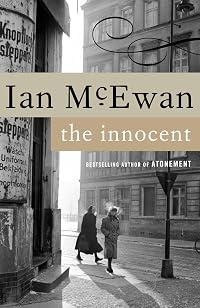
Ooh, there's a lot going on here. At one level, this is a cautionary morality play about Artificial Intelligence, but it also continues McEwan's long interest in the welfare and development of the child (as explored most recently in The Children Act, but present in many of his earlier works too) and counter-factual histories (such as in Atonement or The Innocent). So in control of his craft is he, that he can pack all of these themes into a relatively short book.
Charlie is a former unsuccessful white collar criminal, living precariously from playing the markets, whilst lusting after Miranda, the much younger girl in the upstairs flat, who has secrets of her own. Having always had an interest in electronics and having written a book on show more Artificial Intelligence, when he inherits some money he spends it buying Adam, one of the first wave of manufactured humans. Adam has intelligence and the looks and motions to pass for human in the world, he is far more than a robot, he is a manufactured person. Whether or not he has a consciousness, or whether he has a mind as well as an intelligence, is the main narrative of the book.'
As a token of love to Miranda, Charlie allows her to set half the preferences for his "character"; in this way they become effectively Adam's co-parents, and their romantic relationship soon follows.
Adam is in most ways of course a child. He has the body of an adult - a good looking adult too, and the perfect lover, as Miranda wastes little time ascertaining, with an intelligence and learning capabilities any adult would envy. But he lacks a childhood, and the developmental experiences of a child in forming his character, and so is not an adult human. What do his expressions of love for Miranda, supported by juvenile haikkus, actually mean emotionally? By contrast, Charlie and Miranda find themselves (through a slightly convoluted plot device) becoming increasing responsible for Mark, an actual child, abandoned by his parents who they foster with an eye to later adoption. Mark expresses love for Miranda; so does Adam. So indeed does Charlie. In Charlie's tiny, cramped flat, this emotional quadrangle plays out. It would be a spoiler to go into much further detail, but Its to be hoped that Charlie and Miranda prove to be better parents to Mark, than they are to Adam
The main plot hangs around decisions that Adam makes that cause a crisis for Charlie, Miranda and Mark. These choices are in many ways logical, and unquestionably moral, but they would not be the same decisions a human would make. This,McEwan seems to suggest is the threat of non human intelligence. Not that it will in some way "take over" but that it will process information differently and come to different conclusions. This is the lesson of the AlphaGo victory over a human grandmaster at Go (an example discussed by the narrator). Whereas for a computer to win at Chess is essentially a maths problem (there are a limited number of moves possible at any stage - the computer just has to process which is best) to win at Go is an intelligence problem - the possible moves are limitless and intelligent strategy is required. AlphaGo taught itself the game, with no reference to human knowledge, and made moves that a human never would, that were none the less effective. In an AI driven future, McEwan suggests, this will happen all the time. "Correct" answers calculated in a completely different way
This is the morality question at the heart of the AI debate, and at the heart of the book. How can you teach a manufactured human to act as a human? Without a childhood.
As such this is a great narrative, more interesting that I probably, in the interests of not having spoilers, have made it sound.
Where I have some problems is with the timeline. Because this is not set in the future, or the present day, but in 1980s Britain. A slightly different 1980s Britain with not just mobile phones, and the Internet, but autonomous vehicles, and artificial intelligence. And I am not sure why this is necessary. I am even less sure why Alan Turing needs to be alive, and a character in the book as the father of Artificial Intelligence and much else (no reason why not I suppose - but why?). Other counterfactuals include Turing's collaboration with Demis Hassabis (who would have been a child in the 1980s), the reformation of The Beatles, Britain losing the Falklands War, Tony Benn as Prime Minister, and the list goes on. There is nothing wrong with such playfulness of course - and as McEwan himself rightly says on p64, "The present is the frailest of improbable constructs, any part of it, all of it, could have been different" . True enough - but it can be jarring, and I am not sure what structural purposes it serves
But if you can forget the occasional jarring, this is a very rewarding, and very well researched book. There's plenty to get out of it, because there's so much going on show less
Charlie is a former unsuccessful white collar criminal, living precariously from playing the markets, whilst lusting after Miranda, the much younger girl in the upstairs flat, who has secrets of her own. Having always had an interest in electronics and having written a book on show more Artificial Intelligence, when he inherits some money he spends it buying Adam, one of the first wave of manufactured humans. Adam has intelligence and the looks and motions to pass for human in the world, he is far more than a robot, he is a manufactured person. Whether or not he has a consciousness, or whether he has a mind as well as an intelligence, is the main narrative of the book.'
As a token of love to Miranda, Charlie allows her to set half the preferences for his "character"; in this way they become effectively Adam's co-parents, and their romantic relationship soon follows.
Adam is in most ways of course a child. He has the body of an adult - a good looking adult too, and the perfect lover, as Miranda wastes little time ascertaining, with an intelligence and learning capabilities any adult would envy. But he lacks a childhood, and the developmental experiences of a child in forming his character, and so is not an adult human. What do his expressions of love for Miranda, supported by juvenile haikkus, actually mean emotionally? By contrast, Charlie and Miranda find themselves (through a slightly convoluted plot device) becoming increasing responsible for Mark, an actual child, abandoned by his parents who they foster with an eye to later adoption. Mark expresses love for Miranda; so does Adam. So indeed does Charlie. In Charlie's tiny, cramped flat, this emotional quadrangle plays out. It would be a spoiler to go into much further detail, but Its to be hoped that Charlie and Miranda prove to be better parents to Mark, than they are to Adam
The main plot hangs around decisions that Adam makes that cause a crisis for Charlie, Miranda and Mark. These choices are in many ways logical, and unquestionably moral, but they would not be the same decisions a human would make. This,McEwan seems to suggest is the threat of non human intelligence. Not that it will in some way "take over" but that it will process information differently and come to different conclusions. This is the lesson of the AlphaGo victory over a human grandmaster at Go (an example discussed by the narrator). Whereas for a computer to win at Chess is essentially a maths problem (there are a limited number of moves possible at any stage - the computer just has to process which is best) to win at Go is an intelligence problem - the possible moves are limitless and intelligent strategy is required. AlphaGo taught itself the game, with no reference to human knowledge, and made moves that a human never would, that were none the less effective. In an AI driven future, McEwan suggests, this will happen all the time. "Correct" answers calculated in a completely different way
This is the morality question at the heart of the AI debate, and at the heart of the book. How can you teach a manufactured human to act as a human? Without a childhood.
As such this is a great narrative, more interesting that I probably, in the interests of not having spoilers, have made it sound.
Where I have some problems is with the timeline. Because this is not set in the future, or the present day, but in 1980s Britain. A slightly different 1980s Britain with not just mobile phones, and the Internet, but autonomous vehicles, and artificial intelligence. And I am not sure why this is necessary. I am even less sure why Alan Turing needs to be alive, and a character in the book as the father of Artificial Intelligence and much else (no reason why not I suppose - but why?). Other counterfactuals include Turing's collaboration with Demis Hassabis (who would have been a child in the 1980s), the reformation of The Beatles, Britain losing the Falklands War, Tony Benn as Prime Minister, and the list goes on. There is nothing wrong with such playfulness of course - and as McEwan himself rightly says on p64, "The present is the frailest of improbable constructs, any part of it, all of it, could have been different" . True enough - but it can be jarring, and I am not sure what structural purposes it serves
But if you can forget the occasional jarring, this is a very rewarding, and very well researched book. There's plenty to get out of it, because there's so much going on show less
Members
- Recently Added By
Published Reviews
McEwan thinks his literary novel about A.I. is superior to a genre that surpassed him long ago.... If McEwan had read some of the genre’s best treatments of this theme, Machines Like Me might have been a better book....the novel is larded with long, tedious passages of potted history.... he could start this lazy, flimsy novel over, only this time with the humility to learn from those who show more have boldly gone before show less
added by danielx
There is a Cassandra tendency in McEwan’s fiction. His domestic dramas routinely play out against a backdrop of threatened doom. Since the portent-laden meditation on war and terrorism, Saturday, in 2005, he has also turned his gimlet attention to climate change in Solar. The opening lines of that novel – “He was running out of time. Everyone was, it was the general condition…” – show more have sometimes sounded like his fiction’s statement of intent. The New Yorker called his work “the art of unease”. It was ... therefore only a matter of time before he got around to the looming ethical anxieties of artificial intelligence.... McEwan has an abiding faith that novels are the best place to examine such ethical dilemmas, though he has little time for conventional science fiction. show less
added by KayCliff
Lists

Best 21st Century Books (So Far)
670 works; 85 members

Top Five Books of 2020
982 works; 348 members

Pleasant Surprises: Books That Exceeded Our Expectations
418 works; 143 members

Top Five Books of 2019
387 works; 111 members

Science Fiction Pretending not to be Science Fiction
7 works; 1 member

Nonhuman Protagonists
235 works; 34 members

Stories featuring characters who are mathematicians
42 works; 5 members

Books Read in 2019
4,052 works; 110 members

The Worst Bestsellers Podcast
295 works; 5 members

Llibres que he llegit el 2025
81 works; 2 members
Author Information

77+ Works 100,209 Members
Ian McEwan was born in Aldershot, England on June 21, 1948. He received a B.A. in English Literature from the University of Sussex and an M.A. in English Literature from the University of East Anglia. He writes novels, plays, and collections of short stories including In Between the Sheets, The Cement Garden, The Comfort of Strangers, The show more Innocent, Black Dogs, The Daydreamer, Enduring Love, Sweet Tooth, The Children Act and Nutshell. He has won numerous awards including the 1976 Somerset Maugham Award for First Love, Last Rites; the 1987 Whitbread Novel Award and the 1993 Prix Fémina Etranger for The Child in Time; the 1998 Booker Prize for Fiction for Amserdam; the 2002 W. H. Smith Literary Award, the 2003 National Book Critics' Circle Fiction Award, the 2003 Los Angeles Times Prize for Fiction, and the 2004 Santiago Prize for the European Novel for Atonement; and the 2006 James Tait Black Memorial Prize for Saturday. (Bowker Author Biography) show less
Some Editions
Awards and Honors
Awards
Distinctions
The Guardian Book of the Day (2019-04-11)
Series
Belongs to Publisher Series
Otavan kirjasto (277)
Gallimard, Folio (6965)
Common Knowledge
- Canonical title*
- Machines zoals ik
- Original title
- Machines Like Me; Stroje jako já a lidé jako vy
- Original publication date
- 2019
- People/Characters
- Margaret Thatcher; Tony Benn; Alan Turing; Charlie Friend; Adam (robot); Miranda Blacke (show all 11); Mark; Peter Gorringe; Maxfield Blacke; Jasmin; Mariam Malik
- Important places
- London, England, United Kingdom; Salisbury, England, United Kingdom
- Epigraph
- But remember, please, the Law by which we live,
We are not built to comprehend a lie...
―Rudyard Kipling
"The Secret of the Machines" - Dedication
- TO GRAEME MITCHISON
1944-2018 - First words
- It was religious yearning granted hope, it was the holy grail of science.
- Quotations
- They couldn’t understand us, because we couldn’t understand ourselves. Their learning programs couldn’t accommodate us. If we didn’t know our own minds, how could we design theirs and expect them to be happy alongside... (show all) us?
Machines aren't capable of transcribing human experience into words, and the words into aesthetic structures. - Last words
- (Click to show. Warning: May contain spoilers.)I ran along the empty corridor, found the emergency stairs, took them two at a time down into the street and set off on my journey southwards across London towards my troubled home.
- Blurbers
- Kakutani, Michiko; Mukherjee, Siddhartha; Charles, Ron; Medwed, Mameve
- Original language
- English
*Some information comes from Common Knowledge in other languages. Click "Edit" for more information.
Classifications
Statistics
- Members
- 1,656
- Popularity
- 13,527
- Reviews
- 62
- Rating
- (3.60)
- Languages
- 16 — Catalan, Czech, Danish, Dutch, English, Finnish, French, German, Hebrew, Hungarian, Italian, Romanian, Spanish, Swedish, Turkish, Portuguese (Portugal)
- Media
- Paper, Audiobook, Ebook
- ISBNs
- 57
- ASINs
- 15