On This Page
Description
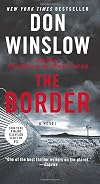
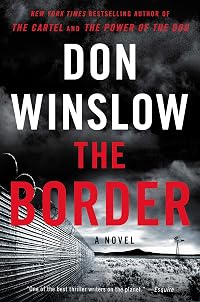
The explosive, highly anticipated conclusion to the epic Cartel trilogy from the New York Times bestselling author of The ForceFor over forty years, Art Keller has been on the front lines of America's longest conflict: the War on Drugs. His obsession to defeat the world's most powerful, wealthy, and lethal kingpin-the godfather of the Sinaloa Cartel, Adan Barrera-has left him bloody and scarred, cost him people he loves, even taken a piece of his soul.
Now Keller is elevated to the highest show more ranks of the DEA, only to find that in destroying one monster, he has created thirty more that are wreaking even more chaos and suffering in his beloved Mexico. But not just there.
Barrera's final legacy is the heroin epidemic scourging America. Throwing himself into the gap to stem the deadly flow, Keller finds himself surrounded by enemies-men that want to kill him, politicians that want to destroy him, and worse, the unimaginable-an incoming administration that's in bed with the very drug traffickers that Keller is trying to bring down.
Art Keller is at war with not only the cartels, but with his own government. And the long fight has taught him more than he ever imagined. Now, he learns the final lesson-there are no borders.
In a story that moves from deserts south of the border to Wall Street, from the slums of Guatemala to the marbled corridors of Washington, DC, Winslow follows a new generation of narcos, the cops that fight them, the street traffickers, the addicts, the politicians, money-launderers, real-estate moguls, and mere children fleeing the violence for the chance of a life in a new country.
This last novel in Don Winslow's magnificent, award-winning, internationally bestselling trilogy is packed with unforgettable, drawn-from-the-headlines scenes. Shocking in its brutality, raw in its humanity, The Border is an unflinching portrait of modern America, a story of-and for-our time.
. show less
Tags
Recommendations





Member Reviews
Exciting, sometimes gruesome exploration of the war on drugs and how it has evolved under a thinly-disguised Trump administration. This book takes us into stories of the cartels, but also puts us in touch with the smaller players involved who struggle to survive on the garbage heaps of a society that preys on anyone of a lower status. The longest war, the war on drugs, is the main target here. When all is said and done the main character breaks the rules to try to break though this senseless battle against corruption and a struggle to line pockets. "We can say that the roots of the heroin epidemic are in Mexican soil, but opiates are always a response to pain. What is the pain in the heart of American society that sends us searching for show more a drug to lessen t, to dampen it." show less
“What you think happen if Obama said he grab a white woman by the pussy? They bring back lynching.”
Pretty up-to-date with what’s going on right now in the United States. Heck, the John Dennison character IS Donald Trump!
Keller is head of the DEA now. Adan Barrera is dead. And the war on drugs just keeps on going...
“Because they’re rich, white and connected. Have a ten-dollar bill change hands in the projects, you go to jail. Change three hundred million on Wall Street, you go to dinner at the White House.”
“The vicious maras were conceived in an American-backed war and born in American prisons.”
Seriously, I feel like I could quote this whole damn book! It's that good!
The chapter “La Bestia” is excellent! It’s the show more story of a boy named Nico and his life in Guatemala City and his journey north to the United States, by train.
Nico, Jacqui, Cirello, and heroin. Keller vs. Mexico, Keller vs. the U.S., Keller vs., well, everyone!
“Prisoners were a more reliable source of money. You never ran out of them.” Especially the ones caught at the border.
So many issues are touched in here, and I agree with the points of view wholeheartedly. The war on drugs really is more about the buyer than the seller, and the U.S. is the buyer. But it's profitable for so many in this country, and so it goes on. And on.
The book wraps up a trilogy, and it does so very, very well. I'm sad it's over, but I'm glad it was written. Keller's testimony sort of summarizes all of the books, and drives home the point that the 'war on drugs', while the longest war in U.S. history, remains a terrible failure. I'll end my review with one more quote -
" What is the pain in the heart of American society that sends us searching for a drug to lessen it, dampen it? Is it poverty? Injustice? Isolation? I don't have the answers, but we must ask the real question -
Why?" show less
Pretty up-to-date with what’s going on right now in the United States. Heck, the John Dennison character IS Donald Trump!
Keller is head of the DEA now. Adan Barrera is dead. And the war on drugs just keeps on going...
“Because they’re rich, white and connected. Have a ten-dollar bill change hands in the projects, you go to jail. Change three hundred million on Wall Street, you go to dinner at the White House.”
“The vicious maras were conceived in an American-backed war and born in American prisons.”
Seriously, I feel like I could quote this whole damn book! It's that good!
The chapter “La Bestia” is excellent! It’s the show more story of a boy named Nico and his life in Guatemala City and his journey north to the United States, by train.
Nico, Jacqui, Cirello, and heroin. Keller vs. Mexico, Keller vs. the U.S., Keller vs., well, everyone!
“Prisoners were a more reliable source of money. You never ran out of them.” Especially the ones caught at the border.
So many issues are touched in here, and I agree with the points of view wholeheartedly. The war on drugs really is more about the buyer than the seller, and the U.S. is the buyer. But it's profitable for so many in this country, and so it goes on. And on.
The book wraps up a trilogy, and it does so very, very well. I'm sad it's over, but I'm glad it was written. Keller's testimony sort of summarizes all of the books, and drives home the point that the 'war on drugs', while the longest war in U.S. history, remains a terrible failure. I'll end my review with one more quote -
" What is the pain in the heart of American society that sends us searching for a drug to lessen it, dampen it? Is it poverty? Injustice? Isolation? I don't have the answers, but we must ask the real question -
Why?" show less
This originally appeared at The Irresponsible Reader.
---
I can barely scratch the surface of this book—I spent months trying to write something about the previous book in the trilogy, The Cartel, before giving up because I tried to do my typical post with it. This time, I'm going to go pretty surface-level, just to get something written.
WHAT'S THE BORDER ABOUT?
Adán Barrera is dead. DEA Agent Art Keller's personal White Whale is gone, and two things are up in the air: what is Keller going to do with his life/career now? and What will happen to the Drug Trade in Mexico? Barrera may have been an evil man with a trail of bodies in his wake, corrupting government officials on every level, and is responsible for getting countless people on show more both sides of the border addicted to poisons. But he was a stabilizing influence on the various competing gangs, and without him, chaos ensues.
Meanwhile, a ranking Senator gets Keller appointed as the new head of the DEA. Once there, Keller attempts to change the way the War on Drugs has been fought. As one on the forefront of the "old way," he knows how poorly it has succeeded. If he's going to make any kind of impact, he's going to have to change the way things are done.
But it turns out there's something uglier and dirtier than the heinous crimes Barrera and his colleagues and rivals are steeped in—U.S. politics. Keller has to battle factions in the DEA and other law enforcement agencies to put his plans into action. He commits to a risky plan that could make a real difference in the war—if he can pull it off.
If he can't, his career, his freedom, and maybe his life are at stake.
A FINANCIAL EDUCATION
A key part of Keller's new strategy is to watch the money—there's a lot going back and forth across the border, both to buy drugs and then to launder it. But then...it turns out, the cartels wanted more. They couldn't just sit on the money, no matter how clean it was—there was just too much to leave hanging around. So they invested it, and they wanted something out of those investments.
If Keller can stop the money from going back South, that would be a significant move in the War on Drugs. They're not going to provide the product if they're not getting paid for it.
I didn't go into this book expecting to get a lesson in finance or anything, but I don't know if I've learned as much about that kind of thing since The Bonfire of the Vanities or Liar's Poker. But the numbers Winslow uses make what those guys were up to seem small.
SUPPORTING CHARACTERS THAT STEAL THE SHOW
One thing that Winslow does time and time again throughout this trilogy is to take a character and treat them as a case study for someone in this war on drugs. He's used hitmen, minor drug dealers, aspiring gangsters, and others. What's amazing is that he will consistently take someone like this and turn them into a character you really care about while using them to illustrate a reality, and at some point to advance the plot, too. The latter is probably the most impressive part—they'll spend so much of the book seeming like a digression—a compelling, often moving digression, but a digression—and then he'll shock you by making them integral to a plot point.
There were two that really stood out to me in this book—most prominently was a ten-year-old Guatemalan boy, forced by his mother to travel to New York (alone) to live with his Aunt and Uncle. The alternative was staying in Guatemala City and being forced to work for the gangs. His journey north is heartbreaking—and what happens to him (and how he reacts) once he crosses the border just guts me.
The other one that will stick with me for a while is a young woman addicted to heroin. Her story is tragic and frequently predictable. That predictability ends up making it even more tragic the further into her story you get.
If nothing else, characters like these two remind you that the Drug War really isn't about the DEA, the Cartels, the gangs, or anyone else—it's about the people who get caught up in the middle. The victims. The addicts. The people most of us never see or think about.
SO, WHAT DID I THINK ABOUT THE BORDER?
This is a daunting read—before you open it up, and it stays that way until the last 150 pages or so.
But it's a powerful read. A gripping read. A haunting read.
I'll frequently talk about how a novel feels real, like the kind of thing you'd read in the news. Usually, when I say that, it's a compliment—like I can't believe how well the author was at portraying something realistic. But with Winslow, I don't know that it's a compliment. He's done his research—so much of this book is true. So many of these characters are amalgams of several actual people and their crimes. In many cases, I'd wager that he's toned down the violence, the money, the debauchery, the corruption—just to make it credible. That old line from Mark Twain, "It's no wonder that truth is stranger than fiction. Fiction has to make sense," comes to mind.
It doesn't bother me to think that characters like Hannibal Lecter or Ernst Blofeld are running around this world, because they're so clearly fictional. But Keller's targets—those south of the border, in the world of finance, and the halls of power in Washington, D.C.? Those are real. Those are frightening.
This is a disquieting book. It's disturbing. It's distressing. And it's supposed to be. Winslow's trilogy is a monumental achievement. It will entertain you as well as make you reconsider your position on the Drug War.
I can't say enough about this accomplishment. This trilogy is one of the best things I've ever read. show less
---
I can barely scratch the surface of this book—I spent months trying to write something about the previous book in the trilogy, The Cartel, before giving up because I tried to do my typical post with it. This time, I'm going to go pretty surface-level, just to get something written.
WHAT'S THE BORDER ABOUT?
Adán Barrera is dead. DEA Agent Art Keller's personal White Whale is gone, and two things are up in the air: what is Keller going to do with his life/career now? and What will happen to the Drug Trade in Mexico? Barrera may have been an evil man with a trail of bodies in his wake, corrupting government officials on every level, and is responsible for getting countless people on show more both sides of the border addicted to poisons. But he was a stabilizing influence on the various competing gangs, and without him, chaos ensues.
Meanwhile, a ranking Senator gets Keller appointed as the new head of the DEA. Once there, Keller attempts to change the way the War on Drugs has been fought. As one on the forefront of the "old way," he knows how poorly it has succeeded. If he's going to make any kind of impact, he's going to have to change the way things are done.
But it turns out there's something uglier and dirtier than the heinous crimes Barrera and his colleagues and rivals are steeped in—U.S. politics. Keller has to battle factions in the DEA and other law enforcement agencies to put his plans into action. He commits to a risky plan that could make a real difference in the war—if he can pull it off.
If he can't, his career, his freedom, and maybe his life are at stake.
A FINANCIAL EDUCATION
A key part of Keller's new strategy is to watch the money—there's a lot going back and forth across the border, both to buy drugs and then to launder it. But then...it turns out, the cartels wanted more. They couldn't just sit on the money, no matter how clean it was—there was just too much to leave hanging around. So they invested it, and they wanted something out of those investments.
If Keller can stop the money from going back South, that would be a significant move in the War on Drugs. They're not going to provide the product if they're not getting paid for it.
I didn't go into this book expecting to get a lesson in finance or anything, but I don't know if I've learned as much about that kind of thing since The Bonfire of the Vanities or Liar's Poker. But the numbers Winslow uses make what those guys were up to seem small.
SUPPORTING CHARACTERS THAT STEAL THE SHOW
One thing that Winslow does time and time again throughout this trilogy is to take a character and treat them as a case study for someone in this war on drugs. He's used hitmen, minor drug dealers, aspiring gangsters, and others. What's amazing is that he will consistently take someone like this and turn them into a character you really care about while using them to illustrate a reality, and at some point to advance the plot, too. The latter is probably the most impressive part—they'll spend so much of the book seeming like a digression—a compelling, often moving digression, but a digression—and then he'll shock you by making them integral to a plot point.
There were two that really stood out to me in this book—most prominently was a ten-year-old Guatemalan boy, forced by his mother to travel to New York (alone) to live with his Aunt and Uncle. The alternative was staying in Guatemala City and being forced to work for the gangs. His journey north is heartbreaking—and what happens to him (and how he reacts) once he crosses the border just guts me.
The other one that will stick with me for a while is a young woman addicted to heroin. Her story is tragic and frequently predictable. That predictability ends up making it even more tragic the further into her story you get.
If nothing else, characters like these two remind you that the Drug War really isn't about the DEA, the Cartels, the gangs, or anyone else—it's about the people who get caught up in the middle. The victims. The addicts. The people most of us never see or think about.
SO, WHAT DID I THINK ABOUT THE BORDER?
This is a daunting read—before you open it up, and it stays that way until the last 150 pages or so.
But it's a powerful read. A gripping read. A haunting read.
I'll frequently talk about how a novel feels real, like the kind of thing you'd read in the news. Usually, when I say that, it's a compliment—like I can't believe how well the author was at portraying something realistic. But with Winslow, I don't know that it's a compliment. He's done his research—so much of this book is true. So many of these characters are amalgams of several actual people and their crimes. In many cases, I'd wager that he's toned down the violence, the money, the debauchery, the corruption—just to make it credible. That old line from Mark Twain, "It's no wonder that truth is stranger than fiction. Fiction has to make sense," comes to mind.
It doesn't bother me to think that characters like Hannibal Lecter or Ernst Blofeld are running around this world, because they're so clearly fictional. But Keller's targets—those south of the border, in the world of finance, and the halls of power in Washington, D.C.? Those are real. Those are frightening.
This is a disquieting book. It's disturbing. It's distressing. And it's supposed to be. Winslow's trilogy is a monumental achievement. It will entertain you as well as make you reconsider your position on the Drug War.
I can't say enough about this accomplishment. This trilogy is one of the best things I've ever read. show less
THE BORDER is the last book in the POWER OF THE DOG trilogy. All I can say is WOW.
It was everything I hoped for and more. Brutal criminals, sometimes even more brutal law enforcement, international drug wars, politics, and the absolutely fabulous Ray Porter relating it all in that powerful voice of his.
At this point I feel like Don Winslow and Ray Porter are a part of my life. I've spent dozens of hours with them both and to be honest? I'm going to miss them.
Does Art Keller finally get somewhere in the drug war he's fought his entire life? Will he get to settle down and live a quiet life with Marisol? What about Eddie Ruiz? Callen and Nora? Hell, will any of them even survive? I recommend you read this ASAP so you can find out!
Winslow show more delivered the goods here and Ray Porter performed the hell out of it.
My highest recommendation! show less
It was everything I hoped for and more. Brutal criminals, sometimes even more brutal law enforcement, international drug wars, politics, and the absolutely fabulous Ray Porter relating it all in that powerful voice of his.
At this point I feel like Don Winslow and Ray Porter are a part of my life. I've spent dozens of hours with them both and to be honest? I'm going to miss them.
Does Art Keller finally get somewhere in the drug war he's fought his entire life? Will he get to settle down and live a quiet life with Marisol? What about Eddie Ruiz? Callen and Nora? Hell, will any of them even survive? I recommend you read this ASAP so you can find out!
Winslow show more delivered the goods here and Ray Porter performed the hell out of it.
My highest recommendation! show less
The Border is the on-going story of Art Keller, Vietnam Vet, ex-CIA agent, ex-DEA agent, now head of the DEA, and his personal war with the Mexican Cartels. At the beginning of this third book in the series, Art tries to retire but never gets the chance because his friends/enemies always have ways of sucking him back into the game.
His old nemesis, Adán Barrera—head of the Sinaloa Cartel—is missing, presumed dead. In his absence, the other factions of the drug cartel fight for power and territory, eventually leading to another bloody war on Mexican soil. Meanwhile, Big Pharma introduces painkillers to the world with false promises that they are non-addicting. These claims lead millions of Americans to drug addiction, driving them show more straight into the arms of the drug-slinging cartels now serving up Fentynol laced Heroin causing massive overdoses in every community. After realizing drug dealers will never vanish as long as they have customers, Art Keller takes his fight in another direction—a war that goes all the way to the POTUS.
Don Winslow, a master at his craft, has included everything in this explosive final book in the cartel series. We see the politicians in the U.S. emerge as wealthy, corrupt profiteers willing to do business with drug lords while they peddle a mountain of bull***t to the American people. We witness the poor of Central America, forced to starve in trash dumps they call home while gang members torture and rape them, then follow their desperate journeys north to El Norte. Some die, some make it, but all are damaged along the way. We see the injustice and impossible bureaucracy of the immigration system. Informative and vital, this book brings all the extraordinary characters in the series to a shattering and memorial end—a triumph for Mr. Winslow. show less
His old nemesis, Adán Barrera—head of the Sinaloa Cartel—is missing, presumed dead. In his absence, the other factions of the drug cartel fight for power and territory, eventually leading to another bloody war on Mexican soil. Meanwhile, Big Pharma introduces painkillers to the world with false promises that they are non-addicting. These claims lead millions of Americans to drug addiction, driving them show more straight into the arms of the drug-slinging cartels now serving up Fentynol laced Heroin causing massive overdoses in every community. After realizing drug dealers will never vanish as long as they have customers, Art Keller takes his fight in another direction—a war that goes all the way to the POTUS.
Don Winslow, a master at his craft, has included everything in this explosive final book in the cartel series. We see the politicians in the U.S. emerge as wealthy, corrupt profiteers willing to do business with drug lords while they peddle a mountain of bull***t to the American people. We witness the poor of Central America, forced to starve in trash dumps they call home while gang members torture and rape them, then follow their desperate journeys north to El Norte. Some die, some make it, but all are damaged along the way. We see the injustice and impossible bureaucracy of the immigration system. Informative and vital, this book brings all the extraordinary characters in the series to a shattering and memorial end—a triumph for Mr. Winslow. show less
A superlative ending to the Power of the Dog trilogy, The Border is a perfect blend of the first two volumes. The epic sprawl of The Cartel is cut back, though we see a broad swath of the people affected by the drug war, from a migrant child fleeing gang violence, an addict struggling to get clean, dealers and cops and narcos and crooked politicians and bankers who launder money. While it is still entertainment, it is not police state fan fiction. Winslow asks the tough questions of why Americans consume more painkillers than the rest of the world combined and why we "fight" a 50 year war that cost over a trillion dollars and leaves countless dead on both sides of the border. This is THE crime fiction novel of 2019, and the trilogy is show more as epic a portrait of America (both continents!) as painted by Ellroy in the L.A. Quartet, Dos Passos, or any other. Read it and weep. show less
The Border, and the other two books in this trilogy, are modern thrillers as Dickensian social documents, filled with moral outrage at the horrors of injustice, specifically, those of the fifty-year-long war on drugs. In the aftermath of the death of Adan Barrera, as a young generation of druglords come into their own, Mexico is plunged back into brutal and bloody violence. Art Keller takes a new role as head of the DEA, deter,ined to finally reach into the well-nigh untouchable towers of high finance, and finding himself at the heart of a politcial storm that threatens to break over a complex operation stretching from mexico to New York. A brave undercover policeman risks everything, a Gutamalan boy flees the gangs on a train called show more The Beast, a junkie coupl go from fix to fix and Eddie Ruiz gets out of prison and back in the game. Horrors and tragedies unfold, and there seems to be no respite or solution that can get past vested interests and institutional corruption.
Amazing, riveting, heartbreaking work of fiction ripped bleeding, as they say, from the headlines. show less
Amazing, riveting, heartbreaking work of fiction ripped bleeding, as they say, from the headlines. show less
Members
- Recently Added By
Lists

The 100 Best Crime Novels and Thrillers since 1945
100 works; 6 members
Author Information

42+ Works 12,995 Members
Don Winslow was born in New York City on October 31, 1953. He received a degree in African history from the University of Nebraska. Before becoming a full-time writer, he worked as a movie theater manager, private investigator, safari guide, actor, theater director and consultant. His works include A Cool Breeze on the Underground, The Death and show more Life of Bobby Z, The Winter of Frankie Machine, Savages, The Kings of Cool, The Cartel, and the Neal Carey Mysteries series. His novel California Fire and Life won the Shamus Award. In 2016, he won the Ian Fleming Steel Dagger for best crime thriller of the year for The Cartel. He has also written for film and television. (Bowker Author Biography) show less

Don Winslow is a LibraryThing Author, an author who lists their personal library on LibraryThing.
Some Editions
Awards and Honors
Awards
Series

Common Knowledge
- Canonical title
- The Border
- Original title
- The Border
- Original publication date
- 2019
- People/Characters*
- Arthur "Art" Keller; Tim Taylor; Roberto Orduña; Ricardo Núñez; Ricardo "Ric" Núñez; Iván Archivaldo Esparza (show all 41); Marisol Salazar Cisneros; Edward "Eddie" Luiz; Jesús "Chuy" Barajos; Ben Tompkins; Ben O’Brien; Elena Sánchez Barrera; Rafael Carlo; Rudolfo Sánchez; Belinda Vatos; Tom Blair; Denton Howard; Hugo Hidalgo; Tito Ascensión; Rubén Ascensión; Damien Tapia; Brian Mullen; Bobby Cirello; Steven DeStefano; Mike Andrea; John Cozzo; Darius Darnell; Althea Keller; Ana Villanueva; Cleotilde "Tilde" Rentería; Sean Callan; Nora Hayden; Chandler Claiborne; Jason Lerner; León Echeverría; Eva Esparza Barrera; Daniella Crosby; Nico Ramírez; Jacqueline "Jacqui" Davis; Daniel Mercado; Rollins
- Important places*
- Mexique; États-Unis; Guatemala; Costa Rica
- Epigraph*
- Mon peuple construit un muret et eux, ils le couvrent de plâtre.
Annonce à ceux qui le couvrent de plâtre qu’il s’écroulera !
ÉZÉCHIEL 13:10-11 - Dedication*
- À la mémoire de
Abel García Hernández, Abelardo Vázquez Peniten, Adán Abraján de la Cruz, Alexander Mora Venancio, Antonio Santana Maestro, Benjamín Ascencio Bautista, Bernardo Flores Alcaraz, Carlos Iván Ramírez... (show all) Villarreal, Carlos Lorenzo Hernández Muñoz, César Manuel González Hernández, Christian Alfonso Rodríguez Telumbre, Christian Tomás Colón Garnica, Cutberto Ortiz Ramos, Doriam González Parral, Emiliano Alen Gaspar de la Cruz, Everardo Rodríguez Bello, Felipe Arnulfo Rosa, Giovanni Galindes Guerrero, Israel Caballero Sánchez, Israel Jacinto Lugardo, Jesús Jovany Rodríguez Tlatempa, Jhosivani Guerrero de la Cruz, Jonás Trujillo González, Jorge Álvarez Nava, Jorge Aníbal Cruz Mendoza, Jorge Antonio Tizapa Legideño, Jorge Luis González Parral, José Ángel Campos Cantor, José Ángel Navarrete González, José Eduardo Bartolo Tlatempa, José Luis Luna Torres, Julio César López Patolzín, Leonel Castro Abarca, Luis Ángel Abarca Carrillo, Luis Ángel Francisco Arzola, Magdaleno Rubén Lauro Villegas, Marcial Pablo Baranda, Marco Antonio Gómez Molina, Martín Getsemany Sánchez García, Mauricio Ortega Valerio, Miguel Ángel Hernández Martínez, Miguel Ángel Mendoza Zacarías, Saúl Bruno García, Daniel Solís Gallardo, Julio César Ramírez Nava, Julio César Mondragón Fontes et Aldo Gutiérrez Solano.
Dédié à
Javier Valdez Cárdenas et à tous les journalistes partout dans le monde. - First words*
- Keller aperçoit au même moment l’enfant et l’éclat de la lunette de visée.
- Quotations*
- Mais il n’y a pas de mur, se dit Keller en souriant.
Et il n’y en aura jamais. Une frontière est une chose qui nous sépare, mais qui nous unit également ; il ne peut pas y avoir de véritable mur, de même qu’à ... (show all)l’intérieur de l’âme humaine aucun mur ne sépare les meilleurs penchants des pires. - Last words*
- (Click to show. Warning: May contain spoilers.)Il prend la main de Marisol et ensemble ils redescendent de la colline en boitant.
- Original language*
- Anglais (Etats-Unis) (Etats-Unis)
*Some information comes from Common Knowledge in other languages. Click "Edit" for more information.
Classifications
Statistics
- Members
- 778
- Popularity
- 36,068
- Reviews
- 34
- Rating
- (4.17)
- Languages
- 8 — Danish, English, French, German, Italian, Portuguese (Portugal), Spanish, Swedish
- Media
- Paper, Audiobook, Ebook
- ISBNs
- 55
- ASINs
- 11