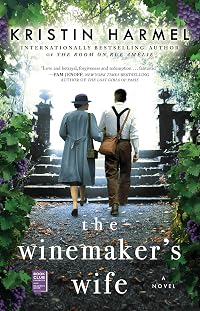
The Winemaker's Wife
by Kristin Harmel
On This Page
Description
The author of the "engrossing" (People) international bestseller The Room on Rue Amélie returns with a moving story set amid the champagne vineyards of France during the darkest days of World War II, perfect for fans of Heather Morris's The Tattooist of Auschwitz.Champagne, 1940: Inès has just married Michel, the owner of storied champagne house Maison Chauveau, when the Germans invade. As the danger mounts, Michel turns his back on his marriage to begin hiding munitions for the show more Résistance. Inès fears they'll be exposed, but for Céline, the French-Jewish wife of Chauveau's chef de cave, the risk is even greater—rumors abound of Jews being shipped east to an unspeakable fate.
When Céline recklessly follows her heart in one desperate bid for happiness, and Inès makes a dangerous mistake with a Nazi collaborator, they risk the lives of those they love—and the vineyard that ties them together.
New York, 2019: Recently divorced, Liv Kent is at rock bottom when her feisty, eccentric French grandmother shows up unannounced, insisting on a trip to France. But the older woman has an ulterior motive—and a tragic, decades-old story to share. When past and present finally collide, Liv finds herself on a road to salvation that leads right to the caves of the Maison Chauveau. show less
Tags
Recommendations
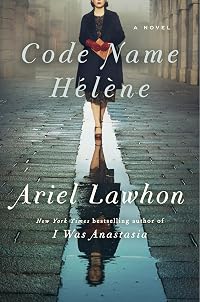
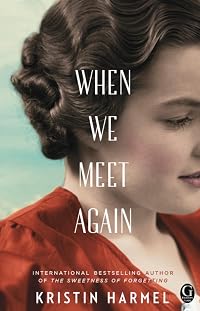
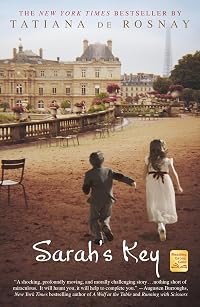
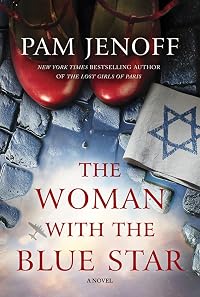
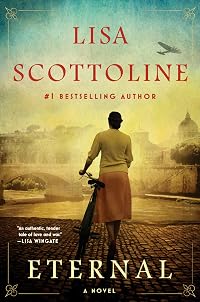

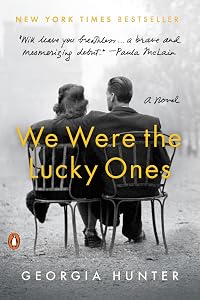
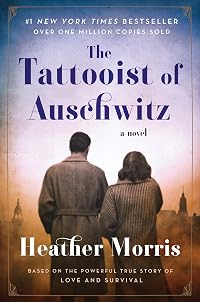
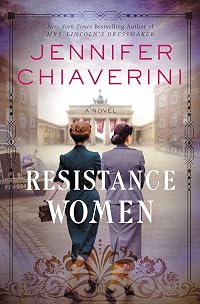

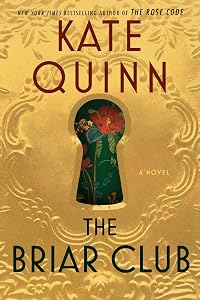
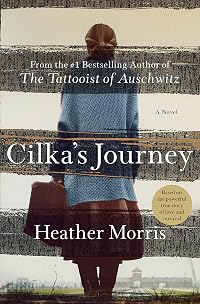
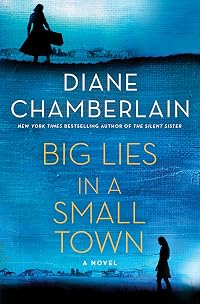
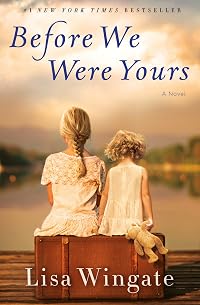
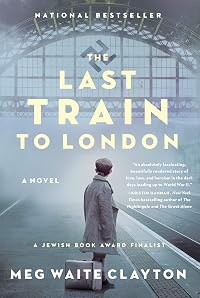

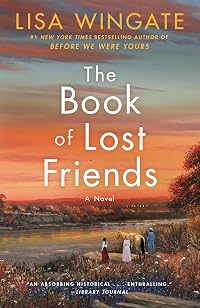

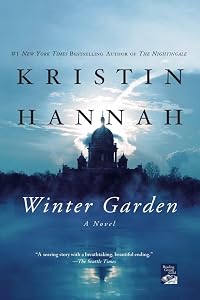
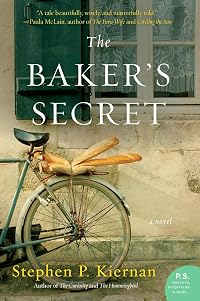
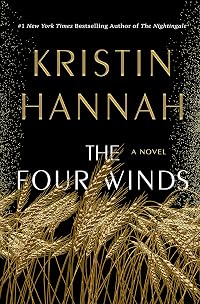
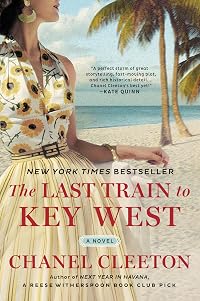
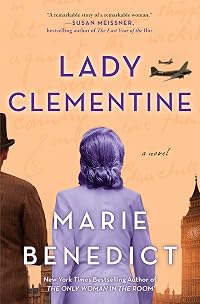
Member Reviews
this novel really surprised me. At the start I felt it was a predictable, slightly higher than a Harloquin romance style of novel. Fluffy. It is not. The story deepens and intensifies and I was totally hooked. There are wonderful plot twists and fiendish, romantic and foolish characters that really come to life. There are secrets and betrayals and maybe second chances. Woven through it all is a richness in detail of the wine growing area of France called Reims and the champagne houses in that area. I will truly appreciate any glass of Champagne I drink in the future because what is true in this novel is that the winemakers of the Champagne area were resistance fighters where people risked their lives to free thier country.
The Winemaker’s Wife by Kristin Harmel is an historical fiction novel and a dual timeline novel (which is my favorite thing). The story follows three women, two during World War II who live and work at a vineyard because both of their husbands are involved in winemaking. And one woman in 2019 who is dealing with a divorce and is taken to France by her grandmother, who has a mysteries reason for wanting to go there.
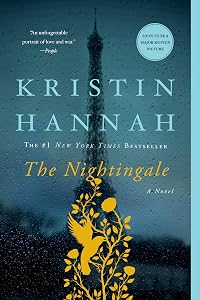
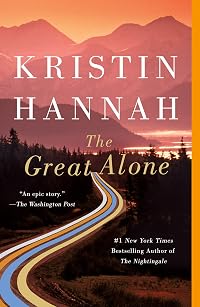
The majority of the book follows the World War II storyline and the two women who are struggling to deal with life under Nazi occupation and the stress that their husbands and themselves are under. Ines is young and does not want to understand the gravity of life under the German occupation and consequently doesn’t always show more make the best decisions. Celine is part Jewish, separated from her family, has heard the rumors about what is happening to the Jewish people, and fears for her family. The historical part of the story reminds me very much of The Nightingale by Kristin Hannah, because there is the sense of impending doom and the constant battle between characters as to how to get through the war. Does one resist and risk death? Or remain silent and hope to escape the Nazi’s notice?
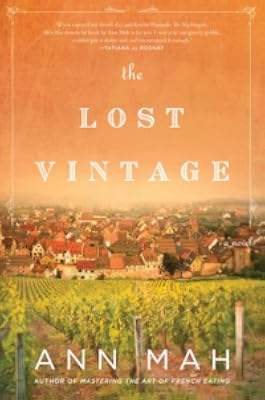
In the contemporary part of the story Olivia, Liv, is heartbroken from her divorce to a man her grandmother never liked. She is glad to have an excuse to go to France with her wealthy grandmother (and she doesn’t seem to have much of a life outside her husband). Once there, the 97-year-old woman begins acting strangely, which adds a bit of mystery element, since it is logical that the two parts of the book must connect. I don’t think the mystery was too difficult to solve, but it is interesting to see it unfold. Overall, The Winemaker’s Wife reminds me most of The Lost Vintage by Ann Mah. I read that book last summer and loved it, and Kristin Harmel recommends the book herself in the Author’s note.
What I like most about Harmel’s writing in this book is that she takes a difficult time in history and writes about it with gravity and respect, but also gives the reader a break from the past every three chapters with the modern story. This kept me from getting too sunk into despair while reading, but also reminded me of how much the past effects the future and who we are.
This was a 5 star book for me because it had all the things I love: complex characters, difficult struggles, some history, some hope, a strong sense of place and a touch of romance.
I received a free copy of this book in exchange for my honest review. But this is one of those books that I would love to keep, so I imagine I’ll be buying it some day. show less
The majority of the book follows the World War II storyline and the two women who are struggling to deal with life under Nazi occupation and the stress that their husbands and themselves are under. Ines is young and does not want to understand the gravity of life under the German occupation and consequently doesn’t always show more make the best decisions. Celine is part Jewish, separated from her family, has heard the rumors about what is happening to the Jewish people, and fears for her family. The historical part of the story reminds me very much of The Nightingale by Kristin Hannah, because there is the sense of impending doom and the constant battle between characters as to how to get through the war. Does one resist and risk death? Or remain silent and hope to escape the Nazi’s notice?
In the contemporary part of the story Olivia, Liv, is heartbroken from her divorce to a man her grandmother never liked. She is glad to have an excuse to go to France with her wealthy grandmother (and she doesn’t seem to have much of a life outside her husband). Once there, the 97-year-old woman begins acting strangely, which adds a bit of mystery element, since it is logical that the two parts of the book must connect. I don’t think the mystery was too difficult to solve, but it is interesting to see it unfold. Overall, The Winemaker’s Wife reminds me most of The Lost Vintage by Ann Mah. I read that book last summer and loved it, and Kristin Harmel recommends the book herself in the Author’s note.
What I like most about Harmel’s writing in this book is that she takes a difficult time in history and writes about it with gravity and respect, but also gives the reader a break from the past every three chapters with the modern story. This kept me from getting too sunk into despair while reading, but also reminded me of how much the past effects the future and who we are.
This was a 5 star book for me because it had all the things I love: complex characters, difficult struggles, some history, some hope, a strong sense of place and a touch of romance.
I received a free copy of this book in exchange for my honest review. But this is one of those books that I would love to keep, so I imagine I’ll be buying it some day. show less
This book was so good, I was kept up late several nights reading. I will never look at champagne the same way now. I was completely reeled in with all the excellent research about this area of France and how WWII affected the region and the production of champagne and wine. Very relatable characters and a mystery element that I did not see coming until the final chapter. I will definitely recommend this to anyone that enjoys a good historical fiction novel.
What an incredibly sad and moving story. This is a book that will stay with me for a long time, one I know I’ll talk about often.
Here’s something I appreciate in books and movies: Sometimes, the endings aren’t always wrapped up nicely in a bow. Sometimes they don’t wrap the reader up in a cozy blanket. Sometimes, they feel more real. This is one of those stories.
My family’s history echoes some of the history in the book. Grandparents born in Poland, who lived in France. Taken to a labor camp in Germany with my mother, a baby at the time. Freed when the war ended. I don’t know much about that time because my mom was just a baby and my grandparents weren’t keen to talk about it. I understand why Grandma Edith found it hard show more to talk about too.
Sometimes the content was hard to read because it is a part of my family’s past and it’s scary, what happened during those times. Books have a way of making history bounce off the pages and become more real. “The Winemaker’s Wife” would make a great book to read alongside history curriculum in high school.
A well-researched book, the characters felt real and flawed and in-depth. I appreciate the author’s notes at the back of the book, which share titles of books for anyone interested in reading further on the history and topics threaded throughout “The Winemaker’s Wife.”
This is a very real, very engaging, very well-written and researched book. Be prepared to reflect on the past (yours and the world’s), but also to feel optimistic in a poignant, authentic way. show less
Here’s something I appreciate in books and movies: Sometimes, the endings aren’t always wrapped up nicely in a bow. Sometimes they don’t wrap the reader up in a cozy blanket. Sometimes, they feel more real. This is one of those stories.
My family’s history echoes some of the history in the book. Grandparents born in Poland, who lived in France. Taken to a labor camp in Germany with my mother, a baby at the time. Freed when the war ended. I don’t know much about that time because my mom was just a baby and my grandparents weren’t keen to talk about it. I understand why Grandma Edith found it hard show more to talk about too.
Sometimes the content was hard to read because it is a part of my family’s past and it’s scary, what happened during those times. Books have a way of making history bounce off the pages and become more real. “The Winemaker’s Wife” would make a great book to read alongside history curriculum in high school.
A well-researched book, the characters felt real and flawed and in-depth. I appreciate the author’s notes at the back of the book, which share titles of books for anyone interested in reading further on the history and topics threaded throughout “The Winemaker’s Wife.”
This is a very real, very engaging, very well-written and researched book. Be prepared to reflect on the past (yours and the world’s), but also to feel optimistic in a poignant, authentic way. show less
Three years ago, I read Kristin Harmel’s The Book of Lost Names and I was not impressed. The Winemaker’s Wife is a bit better but has similar flaws.
There is a dual timeline, both focused on the Champagne region near Reims, France. One plot is set during World War II, and the perspectives of two women, Inès Chauveau and Céline Laurent, are given. The other timeline is 2019; the perspective of Liv Thierry Kent is provided.
Michel Chauveau owns a winery specializing in champagnes which he manages with the help of his winemaker, Theo Laurent. Theo’s wife Céline ably assists the men. Michel’s younger wife Inès tries to help but she is new to the business, unlike the other three, and she feels useless. When the Germans invade and show more occupy northern France, lives for the four change. Michel becomes involved in the Resistance. Theo’s sole focus is wine-making, despite his wife becoming increasingly worried because she is half Jewish. Like Theo, Inès tends to be dismissive of the seriousness of the actions of the German occupiers.
In the modern timeline, Liv, a woman in her forties who has recently divorced, is taken by Edith, her 99-year-old grandmother, to Paris and eventually to Reims where she says she has some business. There, Liv meets Julien, the grandson of her grandmother’s longtime lawyer. Liv eventually comes to realize that her grandmother wants her to know about events that happened during the German occupation, events involving her family members that changed the futures of many.
The novel requires some suspension of disbelief. Edith is 99 years old, but shows little evidence of her advanced age. Is it really necessary for her to fly from Paris to New York just to pick up Liv and fly back to Paris a few hours later? Edith’s reluctance to speak of her past is understandable to some extent, but given that she delayed too long to tell David, wouldn’t she be anxious to tell Liv before time runs out? And if Edith is 99, how old is the character who appears at the end?!
There are other problematic events. Liv and Julien’s relationship happens so quickly, and does there really have to be that mix-up about Julien’s marital status? There’s certainly a lot of coincidence, especially in the current timeline. I could certainly have done without that scene where a character is welcomed into heaven. And the number of characters who are thought dead but are actually not dead stretches credibility.
There are events which are supposed to be a surprise, but I anticipated many of them. For instance, the title would not be appropriate if the eponymous character were dead. Then there’s the vagueness about the fates of at least a couple of the characters. When Liv gives a newspaper interview, it would be impossible not to guess who will appear. And the ending tying up everything ever so conveniently is predictable.
Most of the characters are unlikeable. Though her youth is obviously a factor, Inès is so immature, selfish, shallow, and naive. She doesn’t like being dismissed or thought of as stupid, but then makes stupid, reckless choices that endanger everyone. We are to believe that growth does happen, but I wasn’t convinced. Edith, at 99, has learned some important lessons, but her comments to Liv sometimes seem almost cruel. And Liv believes that “her grandmother had never really stopped being the naive girl from Lille.” Liv herself just seems oblivious most of the time. And Céline’s choices do not cast her in a positive light.
And the men are no better. Michel chooses a younger wife but then is surprised and frustrated when she behaves like a young woman who does not have his worldly knowledge or experience. He’s so patronizing and impatient. Theo’s treatment of Céline is hard to excuse; he makes no effort to understand her situation.
This novel is less historical fiction and more historical romance, light on history and heavy on the romance. Historical details are glossed over. The focus is on love triangles and extra-marital affairs. The motivation for many events is who loves whom or who cheats on whom or who is jealous of whom.
This book is entertaining, provided the reader is willing to ignore the plot holes and coincidences and enjoys a predictable, sentimental narrative about not particularly sympathetic characters. Learning about the making of champagne was the highlight for me.
Note: Please check out my reader's blog (https://schatjesshelves.blogspot.com/) or substack (https://doreenyakabuski.substack.com/) for over 1,100 of my book reviews. show less
There is a dual timeline, both focused on the Champagne region near Reims, France. One plot is set during World War II, and the perspectives of two women, Inès Chauveau and Céline Laurent, are given. The other timeline is 2019; the perspective of Liv Thierry Kent is provided.
Michel Chauveau owns a winery specializing in champagnes which he manages with the help of his winemaker, Theo Laurent. Theo’s wife Céline ably assists the men. Michel’s younger wife Inès tries to help but she is new to the business, unlike the other three, and she feels useless. When the Germans invade and show more occupy northern France, lives for the four change. Michel becomes involved in the Resistance. Theo’s sole focus is wine-making, despite his wife becoming increasingly worried because she is half Jewish. Like Theo, Inès tends to be dismissive of the seriousness of the actions of the German occupiers.
In the modern timeline, Liv, a woman in her forties who has recently divorced, is taken by Edith, her 99-year-old grandmother, to Paris and eventually to Reims where she says she has some business. There, Liv meets Julien, the grandson of her grandmother’s longtime lawyer. Liv eventually comes to realize that her grandmother wants her to know about events that happened during the German occupation, events involving her family members that changed the futures of many.
The novel requires some suspension of disbelief. Edith is 99 years old, but shows little evidence of her advanced age. Is it really necessary for her to fly from Paris to New York just to pick up Liv and fly back to Paris a few hours later? Edith’s reluctance to speak of her past is understandable to some extent, but given that she delayed too long to tell David, wouldn’t she be anxious to tell Liv before time runs out? And if Edith is 99, how old is the character who appears at the end?!
There are other problematic events. Liv and Julien’s relationship happens so quickly, and does there really have to be that mix-up about Julien’s marital status? There’s certainly a lot of coincidence, especially in the current timeline. I could certainly have done without that scene where a character is welcomed into heaven. And the number of characters who are thought dead but are actually not dead stretches credibility.
There are events which are supposed to be a surprise, but I anticipated many of them. For instance, the title would not be appropriate if the eponymous character were dead. Then there’s the vagueness about the fates of at least a couple of the characters. When Liv gives a newspaper interview, it would be impossible not to guess who will appear. And the ending tying up everything ever so conveniently is predictable.
Most of the characters are unlikeable. Though her youth is obviously a factor, Inès is so immature, selfish, shallow, and naive. She doesn’t like being dismissed or thought of as stupid, but then makes stupid, reckless choices that endanger everyone. We are to believe that growth does happen, but I wasn’t convinced. Edith, at 99, has learned some important lessons, but her comments to Liv sometimes seem almost cruel. And Liv believes that “her grandmother had never really stopped being the naive girl from Lille.” Liv herself just seems oblivious most of the time. And Céline’s choices do not cast her in a positive light.
And the men are no better. Michel chooses a younger wife but then is surprised and frustrated when she behaves like a young woman who does not have his worldly knowledge or experience. He’s so patronizing and impatient. Theo’s treatment of Céline is hard to excuse; he makes no effort to understand her situation.
This novel is less historical fiction and more historical romance, light on history and heavy on the romance. Historical details are glossed over. The focus is on love triangles and extra-marital affairs. The motivation for many events is who loves whom or who cheats on whom or who is jealous of whom.
This book is entertaining, provided the reader is willing to ignore the plot holes and coincidences and enjoys a predictable, sentimental narrative about not particularly sympathetic characters. Learning about the making of champagne was the highlight for me.
Note: Please check out my reader's blog (https://schatjesshelves.blogspot.com/) or substack (https://doreenyakabuski.substack.com/) for over 1,100 of my book reviews. show less
"The Winemaker’s Wife" had a slow start, but ultimately it turned into another wonderful novel by Kristin Harmel.
Set in the Champagne region of France, the story moves between the 1940s and the present day. In the past, we follow Inès, the young wife of Michel, owner of the Maison Chauveau champagne estate. Michel’s head winemaker, Theo, lives on the property with his half-Jewish wife, Céline. As the threat of Nazi occupation grows, Céline becomes increasingly fearful for her family. Michel takes precautions by hiding his valuable wines in the caves beneath the château and later becomes involved in the Resistance.
In the modern timeline, the story centers on Liv and her glamorous 99-year-old grandmother, Edith. After Liv’s show more 12-year marriage ends abruptly, Edith whisks her away to France to reveal long-held secrets before it’s too late.
At first, I struggled to connect with Liv, Edith, and Inès, but as the story unfolded, I grew to admire them, flaws and all. The secrets, sacrifices, and emotional burdens they carried were compelling and heartbreaking. The ending, in particular, was quite sad and moving.
I loved the vivid descriptions of Champagne, the underground caves, and the winemaking process. The book was clearly well-researched, and I loved how the two stories converged, bringing them full circle.
Overall, "The Winemaker’s Wife" is a beautifully told story of betrayal, forgiveness, friendship, courage, and love. show less
Set in the Champagne region of France, the story moves between the 1940s and the present day. In the past, we follow Inès, the young wife of Michel, owner of the Maison Chauveau champagne estate. Michel’s head winemaker, Theo, lives on the property with his half-Jewish wife, Céline. As the threat of Nazi occupation grows, Céline becomes increasingly fearful for her family. Michel takes precautions by hiding his valuable wines in the caves beneath the château and later becomes involved in the Resistance.
In the modern timeline, the story centers on Liv and her glamorous 99-year-old grandmother, Edith. After Liv’s show more 12-year marriage ends abruptly, Edith whisks her away to France to reveal long-held secrets before it’s too late.
At first, I struggled to connect with Liv, Edith, and Inès, but as the story unfolded, I grew to admire them, flaws and all. The secrets, sacrifices, and emotional burdens they carried were compelling and heartbreaking. The ending, in particular, was quite sad and moving.
I loved the vivid descriptions of Champagne, the underground caves, and the winemaking process. The book was clearly well-researched, and I loved how the two stories converged, bringing them full circle.
Overall, "The Winemaker’s Wife" is a beautifully told story of betrayal, forgiveness, friendship, courage, and love. show less
The parts of this novel dealing with wine making were interesting. Otherwise, I was underwhelmed. The dialogue and plot reminded me of a TV soap opera. I'd figured out the big secret less than a third of the way through the book. But, even with bad writing and overacting the old soaps had flashes of brilliance, and there are a few scenes in this book that were well done. Just not enough of them.
Members
- Recently Added By
Lists

Books to Read
95 works; 2 members
Author Information

24+ Works 8,783 Members
Work Relationships
Is contained in
Common Knowledge
- Canonical title
- The Winemaker's Wife
- Original title
- The Winemaker's Wife
- People/Characters
- Liv Thierry; Ines Chauveau; Michel Chauveau; Celine Laurent; Edith Thierry
- Dedication
- To Jason and Noah.
You teach me again and again what love really is.
Classifications
Statistics
- Members
- 1,072
- Popularity
- 23,919
- Reviews
- 42
- Rating
- (3.93)
- Languages
- Dutch, English, German, Polish
- Media
- Paper, Audiobook, Ebook
- ISBNs
- 18
- ASINs
- 4