On This Page
Description
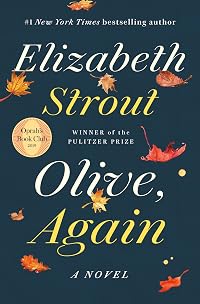
"Olive Kitteridge has returned, as indomitable as ever, this time as a person getting older, navigating her next decade as she comes to terms with the changes--sometimes welcome, sometimes not--in her own life. Here is Olive, strangely content in her second marriage, still in an evolving relationship with her son and his family, encountering a cast of memorable characters in the seaside town of Crosby, Maine. Whether it's a young girl coming to terms with the loss of her father, a young show more woman about to give birth at a baby shower, or a nurse who confesses a secret high school crush, the irascible Olive improbably touches the lives of others."--Provided by publisher. show lessTags
Recommendations




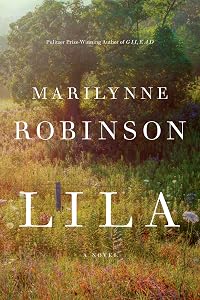
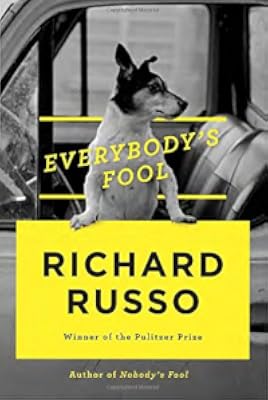
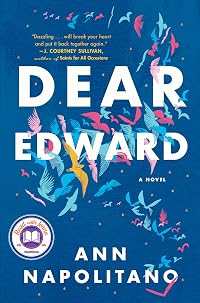
Member Reviews
In this follow-up to her Pulitzer Prize-winning book, Olive Kitteridge, Elizabeth Strout once again uses a series of connected short stories to bring readers one of the most memorable characters in literature. Headstrong, outspoken, and yet also incredibly insecure, Olive is now in her 70s. Her first husband, Henry, has passed away and Olive has a distant relationship with her only son. She refuses to admit to loneliness, but slowly gives in to overtures of friendship from widower Jack Kennison. Olive learns to love again and initiates reconciliation with her son and grandchildren. In other stories we meet residents of Crosby, Maine, whose lives may barely touch Olive’s but are part of the larger tapestry of this novel. Themes of show more aging, love, and loss run like a current through this book. I admire Strout’s ability to stir up a swirl of emotions with her evocative writing. Here are just three examples:
When his wife was dying, she was the one who was furious. … And the last thing she said to him was: “I hate you because I’m going to die and you’re going to live.”
As he glanced up at a seagull, he thought, But I’m not living, Betsy. What a terrible joke it has been.
and this:
The truth is that Olive did not understand why age had brought with it a kind of hard-heartedness toward her husband. But it was something she had seemed unable to help, as though the stone wall that had rambled along between them during the course of their long marriage--a stone wall that separated them but also provided unexpected dips of moss-covered warm spots where sunshine would flicker between them in a sudden laugh of understanding--had become tall and unyielding, and not providing flowers in its crannies but some ice storm frozen along it instead. In other words, something had come between them that seemed insurmountable.
and this:
And it came to him then that it should never be taken lightly, the essential loneliness of people, that the choices they made to keep themselves from that gaping darkness were choices that required respect.
There is an arc to the stories in this novel; time passes, and aging continues to present Olive with emotional and physical challenges. Her loneliness--often self-imposed--never quite goes away, but the final story is both bittersweet and uplifting. show less
When his wife was dying, she was the one who was furious. … And the last thing she said to him was: “I hate you because I’m going to die and you’re going to live.”
As he glanced up at a seagull, he thought, But I’m not living, Betsy. What a terrible joke it has been.
and this:
The truth is that Olive did not understand why age had brought with it a kind of hard-heartedness toward her husband. But it was something she had seemed unable to help, as though the stone wall that had rambled along between them during the course of their long marriage--a stone wall that separated them but also provided unexpected dips of moss-covered warm spots where sunshine would flicker between them in a sudden laugh of understanding--had become tall and unyielding, and not providing flowers in its crannies but some ice storm frozen along it instead. In other words, something had come between them that seemed insurmountable.
and this:
And it came to him then that it should never be taken lightly, the essential loneliness of people, that the choices they made to keep themselves from that gaping darkness were choices that required respect.
There is an arc to the stories in this novel; time passes, and aging continues to present Olive with emotional and physical challenges. Her loneliness--often self-imposed--never quite goes away, but the final story is both bittersweet and uplifting. show less
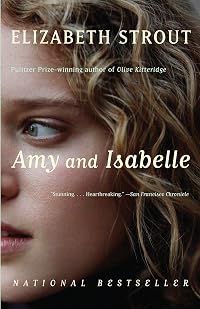
(51) It was great reading about Olive Kitteridge, again. I loved the original novel - told as a series of short stories where Olive is really at times only a peripheral character. This novel has the same structure. Many of the characters are from Crosby, Maine or Shirley Falls, Maine - the two fictional towns featured in many (?all) of her novels and in fact, many of the characters from the novel are from her other novels which is delightful. Even Olive's friend in the end is Isabelle (from 'Amy & Isabelle')
Strout writes incredibly poignantly about the human condition. The inexplicable way we all behave at times, our bizarre actions and reactions in the face of life's everyday surprises, annoyances, and the greatest of tragedies. I love show more how Strout can conjure up such a realistic and at times repugnant portrayal of interpersonal relationships and human foibles, and yet . . . still convey love and tenderness. It's quite masterful.
Everything I said about the first novel stands for this one as well. The interspersed character sketches of other characters at different crossroads in their lives were well rendered, though not as powerful as Olive/Olive and Jack's pieces. Olive is elderly and fading at the close of the novel and we are left with what feels to me a realistic depiction of widowhood in an assisted living facility. Waiting to die or still living this imperfect life? The last few paragraphs are elegiac. Read it! Easy and enjoyable, yet full of gravitas and beauty. show less
Strout writes incredibly poignantly about the human condition. The inexplicable way we all behave at times, our bizarre actions and reactions in the face of life's everyday surprises, annoyances, and the greatest of tragedies. I love show more how Strout can conjure up such a realistic and at times repugnant portrayal of interpersonal relationships and human foibles, and yet . . . still convey love and tenderness. It's quite masterful.
Everything I said about the first novel stands for this one as well. The interspersed character sketches of other characters at different crossroads in their lives were well rendered, though not as powerful as Olive/Olive and Jack's pieces. Olive is elderly and fading at the close of the novel and we are left with what feels to me a realistic depiction of widowhood in an assisted living facility. Waiting to die or still living this imperfect life? The last few paragraphs are elegiac. Read it! Easy and enjoyable, yet full of gravitas and beauty. show less
Olive Again, Elizabeth Strout's sequel to her Pulitzer Prize winner, Olive Kitteridge, follows the irascible Olive through the ravages of aging. The book begins with her eight-year 2nd marriage at age 74 and examines her life after her husband's death as she navigates loneliness and dwindling health. Olive Again is as good as its predecessor and is similarly structured. Each chapter is an interrelated short story about life in a small town in Maine. Some stories feature Olive, while in others, she makes a cameo appearance.
Strout's strong suit is her realism. She paints vivid character portraits and doesn't shy away from life's raw, often painful experiences. There were many poignant scenes; Olive's fall after returning home after a show more heart attack, her difficult transition to assisted living, and her reconnection with her son, that upset and moved me. It is a powerful novel. Highly recommend. show less
Strout's strong suit is her realism. She paints vivid character portraits and doesn't shy away from life's raw, often painful experiences. There were many poignant scenes; Olive's fall after returning home after a show more heart attack, her difficult transition to assisted living, and her reconnection with her son, that upset and moved me. It is a powerful novel. Highly recommend. show less
There are authors whose prose flows gracefully from one thought to the next. And there are authors whose characters live - who speak to the reader and say - Reader, this is you. And there are authors whose characters live ordinary lives that are in their way extraordinary.
Elizabeth Strout’s newest novel, ‘Olive, Again,’ is a gracefully written heart-rending masterpiece that encompasses all these qualities.
For those who have never met Olive Kitteridge, she is gauche, often wrong, and painfully outspoken. And she is Everyman. She is one of, if not the, most compelling characters in American Literature.
‘Olive, Again’ is the story of Olive’s last years in the close knit community of Crosby, Maine. Olive and the other show more inhabitants struggle with life in the Trump era. They’re all quirky and real - from the unhappy couple who has divided their house with yellow duct tape into ‘His’ and ‘Hers’ sections to the grandmother who finds it difficult to love her four inarticulate grandchildren.
The people of Crosby live in the moment, but that moment is often determined by the past. Even in the moments that they try to connect and understand each other they’re hampered by their own lack of self-awareness.
And that’s where Olive (and Strout) triumph. Olive remains imperfect, but she tries to connect to others. Olive will always be gauche; she will always thoughtlessly offend and she will always ask awkward prying questions, but she will also gain an Olive modicum of self-knowledge and a desire to do better.
A free reviewer's copy was provided by the publisher. show less
Elizabeth Strout’s newest novel, ‘Olive, Again,’ is a gracefully written heart-rending masterpiece that encompasses all these qualities.
For those who have never met Olive Kitteridge, she is gauche, often wrong, and painfully outspoken. And she is Everyman. She is one of, if not the, most compelling characters in American Literature.
‘Olive, Again’ is the story of Olive’s last years in the close knit community of Crosby, Maine. Olive and the other show more inhabitants struggle with life in the Trump era. They’re all quirky and real - from the unhappy couple who has divided their house with yellow duct tape into ‘His’ and ‘Hers’ sections to the grandmother who finds it difficult to love her four inarticulate grandchildren.
The people of Crosby live in the moment, but that moment is often determined by the past. Even in the moments that they try to connect and understand each other they’re hampered by their own lack of self-awareness.
And that’s where Olive (and Strout) triumph. Olive remains imperfect, but she tries to connect to others. Olive will always be gauche; she will always thoughtlessly offend and she will always ask awkward prying questions, but she will also gain an Olive modicum of self-knowledge and a desire to do better.
A free reviewer's copy was provided by the publisher. show less
Once again, Elizabeth Strout strings together short stories to tell us how Olive Kitteridge has aged and is now adjusting to all that entails. Even with all her imperfections, I love Olive, even if I don’t much “like” her. Ms. Strout’s writing makes you want to hope that Olive will persevere and find happiness. In the end, Olive seems to realize what I think most of us recognize -
“I do not have a clue who I have been. Truthfully, I do not understand a thing.” Olive
“I do not have a clue who I have been. Truthfully, I do not understand a thing.” Olive
More of Olive Kitteridge but never too much. Elizabeth Strout continues her story-telling in the same way as the first book; Olive is sometimes at center-stage but at other times, she is only tangentially mentioned. Regardless, Strout never tells you directly about the changes in Olive's life. Here, she finds a second love, remarries, experiences the death of a second husband, suffers a heart attack, reconciles with her son, and moves into a facility. And even at a ripe old age, she learns new things about herself. She recognizes in the wife that her son married a resemblance to herself, and realizes to her horror how she had behaved in the past. What an unpleasant epiphany (I am sure none of us want to live till that age and realize show more how horrible we have been). Still, you cannot dislike Olive because all of us will recognize shades of ourselves in her. show less
Elizabeth Strout's Olive, Again only confirms her as one of my favorite contemporary writers of literary fiction.
The temperamental Olive in her later decades demonstrates qualities that only come with experience and self-reflection, enabling her to be an instrument of grace to others. She is still a straight-shooter who sees things unvarnished, her truthfulness sometimes abrasive.
The stories in this book revisit characters from Strout's fictional world of Crosby, Maine.
This was a hard story to read. At age 67, my husband and I have undergone several surgeries this year. I am all too aware of the brevity of life and how we allow ourselves to be propelled through the years impassively until some change in our abilities stops us up short. show more We reconsider our mistakes; our view of the past and its relationships become torqued with new understanding. We wonder how we could have allowed love to become a battleground, fear to fence us from our dreams. We become invisible, an unwanted portend to others of their own inevitable future. We recognize that we are strangers to each other--and are incomprehensible even to ourselves.
What kind of life can we live in these ever-shortening days? The answer is in the line that had me in tears: "I think our job--maybe even our duty--is to--" Her voice became calm, adultlike. "To bear the burden of the mystery with as much grace as we can."
Life is a mystery. People are a mystery. There are no answers, no easy to follow instructions to guarantee success and happiness.
Like Ranier Maria Rilke wrote in his Letters to a Young Poet, we must "be patient toward all that is unsolved in your heart and to try to love the questions themselves like locked doors and like books that are written in a very foreign tongue. Do not now seek the answers, which cannot be given you because you would not be able to live them And the point is, to live everything. Live the questions now. Perhaps you will then gradually, without noticing it, live along some distant day into the answer."*
I don't know if Olive's story is completed. And I am not sure I want to follow her to her end. It's all too close to home. Strout is a fearless writer who dares to confront us with things that disturb our equilibrium. We recognize ourselves in her characters.
I read a free ebook from the publisher through NetGalley. My review is fair and unbiased. show less
The temperamental Olive in her later decades demonstrates qualities that only come with experience and self-reflection, enabling her to be an instrument of grace to others. She is still a straight-shooter who sees things unvarnished, her truthfulness sometimes abrasive.
The stories in this book revisit characters from Strout's fictional world of Crosby, Maine.
This was a hard story to read. At age 67, my husband and I have undergone several surgeries this year. I am all too aware of the brevity of life and how we allow ourselves to be propelled through the years impassively until some change in our abilities stops us up short. show more We reconsider our mistakes; our view of the past and its relationships become torqued with new understanding. We wonder how we could have allowed love to become a battleground, fear to fence us from our dreams. We become invisible, an unwanted portend to others of their own inevitable future. We recognize that we are strangers to each other--and are incomprehensible even to ourselves.
What kind of life can we live in these ever-shortening days? The answer is in the line that had me in tears: "I think our job--maybe even our duty--is to--" Her voice became calm, adultlike. "To bear the burden of the mystery with as much grace as we can."
Life is a mystery. People are a mystery. There are no answers, no easy to follow instructions to guarantee success and happiness.
Like Ranier Maria Rilke wrote in his Letters to a Young Poet, we must "be patient toward all that is unsolved in your heart and to try to love the questions themselves like locked doors and like books that are written in a very foreign tongue. Do not now seek the answers, which cannot be given you because you would not be able to live them And the point is, to live everything. Live the questions now. Perhaps you will then gradually, without noticing it, live along some distant day into the answer."*
I don't know if Olive's story is completed. And I am not sure I want to follow her to her end. It's all too close to home. Strout is a fearless writer who dares to confront us with things that disturb our equilibrium. We recognize ourselves in her characters.
I read a free ebook from the publisher through NetGalley. My review is fair and unbiased. show less
Members
- Recently Added By
Lists

Best 21st Century Books (So Far)
670 works; 86 members

Top Five Books of 2020
982 works; 350 members

Top Five Books of 2019
387 works; 111 members

Female Author
1,234 works; 67 members

Must-Read Maine
146 works; 91 members

Kirkus Starred Fiction Reviews of Books Published in 2019
411 works; 12 members

Five star books
1,767 works; 110 members

Fiction with Women's Names in the Title
378 works; 15 members

Books Read in 2022
5,168 works; 114 members

Books Read in 2019
4,052 works; 110 members

Books Read in 2021
5,361 works; 114 members

Books Read in 2024
4,623 works; 126 members

Books Read in 2025
4,091 works; 97 members

CXB Books read in 2025
16 works; 1 member
Author Information

23+ Works 33,392 Members
Elizabeth Strout (born January 6, 1956) is an American author of fiction. She was born in Portland, Maine. After graduating from Bates College, she spent a year in Oxford, England. In 1982 she graduated with honors, and received both a law degree from the Syracuse University College of Law and a Certificate of Gerontology from the Syracuse School show more of Social Work. Strout wrote Amy and Isabelle over the course of six or seven years, which when published was shortlisted for the 2000 Orange Prize and nominated for the 2000 PEN/Faulkner Award for fiction. Amy and Isabelle was made into a television movie starring Elisabeth Shue and was produced by Oprah Winfrey's studio, Harpo Films. Strout was a NEH (National Endowment for the Humanities) professor at Colgate University during the Fall Semester of 2007, where she taught creative writing. She was also on the faculty of the MFA program at Queens University of Charlotte in Charlotte, North Carolina. In 2009 Strout was honored with a Pulitzer Prize for Fiction for Olive Kitteridge, a collection of connected short stories she wrote about a woman and her immediate family who lived on the coast of Maine. Strout also wrote The Burgess Boys in 2013 which made The New York Times Best Seller List. Ms. Strout's title, My name is Lucy Barton, made the New York Times Best Seller List in 2016. Her newest title, Anything is Possible (2017), won the 2018 Story Prize. (Bowker Author Biography) show less
Some Editions
Awards and Honors
Awards
Distinctions
Notable Lists
Series

Belongs to Publisher Series
Work Relationships
Common Knowledge
- Canonical title
- Olive, Again
- Original title
- Olive, Again
- Original publication date
- 2019-10-15
- People/Characters
- Olive Kitteridge; Christopher Kitteridge; Ann Kitteridge; Jack Kennison; Kayley Callaghan; Suzanne Larkin (show all 21); Bernie Green; Cindy Coombs; Denny Pelletier; Elaine Croft; Bob Burgess; Margaret Burgess; Jim Burgess; Helen Burgess; Susan Burgess Olson; Andrea L'Rieux; Fergus MacPherson; Ethel MacPherson; Lisa MacPherson; Laurie MacPherson; Isabelle Goodrow Daignault
- Important places
- Crosby, Maine, USA; Shirley Falls, Maine, USA
- Dedication
- For Zarina,
again - First words
- In the early afternoon on a Saturday in June, Jack Kennison put on his sunglasses, got into his sports car with the top down, strapped the seatbelt over his shoulder and across his large stomach, and drove to Portland---almos... (show all)t an hour away---to buy a gallon of whiskey rather than bump into Olive Kitteridge at the grocery store here in Crosby, Maine.
- Quotations
- So there was this, too: her son had married his mother, as so many men—in some form or other—eventually do.
Kayley could actually feel a small wave of pain go through her chest at times, and she would think: This is why they say a person's feelings are hurt, because they do hurt.
And it came to him then that it should never be taken lightly, the essential loneliness of people, that the choices they made to keep themselves from that gaping darkness were choices that required respect:
Maybe you fall in love with people who save your life, even when you think it's not worth saving.
I do not have a clue who I have been. Truthfully, I do not understand a thing. - Last words
- (Click to show. Warning: May contain spoilers.)Olive stuck her cane to the ground and hoisted herself up. It was time to go get Isabelle for supper.
- Original language*
- Anglais (Etats-Unis) (Etats-Unis)
*Some information comes from Common Knowledge in other languages. Click "Edit" for more information.
Classifications
Statistics
- Members
- 2,773
- Popularity
- 6,617
- Reviews
- 148
- Rating
- (4.22)
- Languages
- 14 — Catalan, Danish, Dutch, English, Finnish, French, German, Italian, Japanese, Korean, Polish, Portuguese, Spanish, Swedish
- Media
- Paper, Audiobook, Ebook
- ISBNs
- 47
- ASINs
- 11