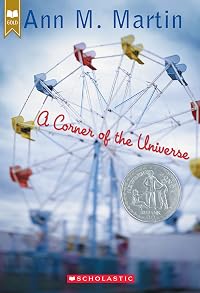
A Corner of the Universe
by Ann M. Martin
On This Page
Description
The summer that Hattie turns twelve, she meets the childlike uncle she never knew and becomes friends with a girl who works at the carnival that comes to Hattie's small town.Tags
Recommendations


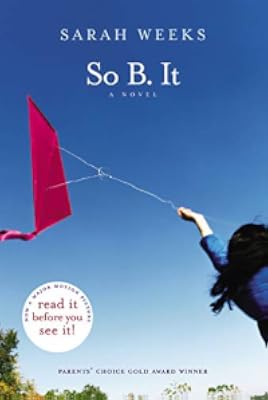
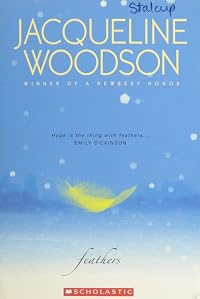
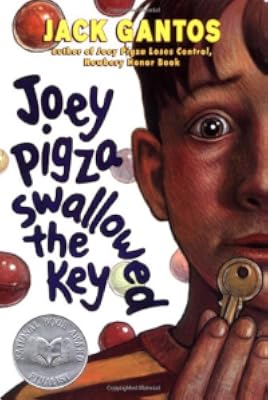
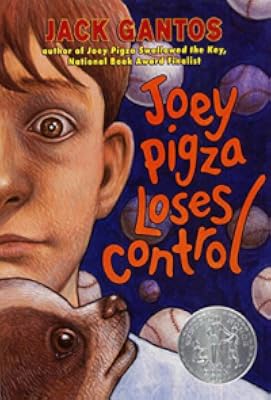




Member Recommendations
cf66 la malattia mentale di una persona prossima attraverso gli occhi di una bambina
Member Reviews
What I liked most about this book was the curiosity, honesty and instinctive kindness of Hatty Owen, the character from whose point of view the story is told. The action of the book is set in the summer of 1960 in the American small town of Millerton. Hattie is eleven, almost twelve, and is deeply content at the prospect of spending her summer vacation at home, amongst the people and places that she has known her whole life. Although Hattie talks easily to the long-term guests at her parents' boarding house and to the people who run the local stores and the town library but she only one friend her own age. Partly this is because Hattie is shy and partly it's because she doesn't like the other girls very much.
One of the most pleasing show more parts of the book is the way in which Hattie slowly and almost wordlessly builds a friendship first with a girl who is part of visiting carnival and then with a girl who comes to board at Hattie's house. The slow building of trust seemed real to me.
Hattie's life is changed by the unexpected arrival of her twenty-one-year-old, mentally uncle, Adam, who Hattie had not known existed.
Adam's illness and its impact on him and those around him is depicted in a deeply empathic way but is all the more disturbing for that. As Hattie becomes aware of Adam's strange speech patterns, his manic energy, his unpredictable mood changes and the anxiety they create in those around him, she understands how isolated he is and the sense that he has of being the only alien in a world that has no home for him.
Adam's behaviour and people^s reaction to it becomes a lever which lifts the corners of Hattie's universe and compels her to reconsider what she knows about herself and her parents and grandparents.
The idea of meeting people who "lift the corners of our universe" and help us re-imagine ourselves is an interesting one but is repeated often enough to make me think, "Ok. I got it already. No need to say it again."
I am ambivalent about the structure of the novel as a long remembrance of the events of the summer, bracketed by a present-day playing of family movies about the same summer. I see that starting the novel this way builds the main character's personality and shows how deeply Hattie is embedded in her family while demonstrating the difference between the experience of the people who were there and the record that later becomes the basis of memory but I found it frustrating at the time.
The long remembrance that forms the core of the novel is full of vivid scenes and deep emotions that contrast sharply with the slightly distant reflections on either side of it, which reminded me of the black and white start and finish of "The Wizard Of Oz" movie.
The return to the present day at the end of the novel to deliver the moral of the story and explain the impact of the events seemed too neat to me and pushed the novel towards being a sermon.
I was initially put off by Judith Ivey's narration because her voice is too mature to be the voice of the eleven-year-old character but she got the rest of the characters perfectly and the initial dissonance soon went away.
I recommend this short novel to anyone who wants to spend a quiet afternoon absorbed in the life of a young girl who is exploring the nature of difference. show less
One of the most pleasing show more parts of the book is the way in which Hattie slowly and almost wordlessly builds a friendship first with a girl who is part of visiting carnival and then with a girl who comes to board at Hattie's house. The slow building of trust seemed real to me.
Hattie's life is changed by the unexpected arrival of her twenty-one-year-old, mentally uncle, Adam, who Hattie had not known existed.
Adam's illness and its impact on him and those around him is depicted in a deeply empathic way but is all the more disturbing for that. As Hattie becomes aware of Adam's strange speech patterns, his manic energy, his unpredictable mood changes and the anxiety they create in those around him, she understands how isolated he is and the sense that he has of being the only alien in a world that has no home for him.
Adam's behaviour and people^s reaction to it becomes a lever which lifts the corners of Hattie's universe and compels her to reconsider what she knows about herself and her parents and grandparents.
The idea of meeting people who "lift the corners of our universe" and help us re-imagine ourselves is an interesting one but is repeated often enough to make me think, "Ok. I got it already. No need to say it again."
I am ambivalent about the structure of the novel as a long remembrance of the events of the summer, bracketed by a present-day playing of family movies about the same summer. I see that starting the novel this way builds the main character's personality and shows how deeply Hattie is embedded in her family while demonstrating the difference between the experience of the people who were there and the record that later becomes the basis of memory but I found it frustrating at the time.
The long remembrance that forms the core of the novel is full of vivid scenes and deep emotions that contrast sharply with the slightly distant reflections on either side of it, which reminded me of the black and white start and finish of "The Wizard Of Oz" movie.
The return to the present day at the end of the novel to deliver the moral of the story and explain the impact of the events seemed too neat to me and pushed the novel towards being a sermon.
I was initially put off by Judith Ivey's narration because her voice is too mature to be the voice of the eleven-year-old character but she got the rest of the characters perfectly and the initial dissonance soon went away.
I recommend this short novel to anyone who wants to spend a quiet afternoon absorbed in the life of a young girl who is exploring the nature of difference. show less
The summer of 1960, Hattie is turning 12 and her parents drop a big surprise on her: she has an uncle, Adam, whose existence she never knew about because he's been away at a school for kids/young adults like him. Now that his school is closing, he's moving back in with her grandparents for the summer while they figure out what to do with him next. Though Adam seems odd and sometimes childlike, super happy one moment and angry and inconsolable the next, and repeating lines from "I Love Lucy", Hattie has a special relationship with him and they seem to understand each other in a lot of ways.
I enjoyed the first half of this more than the rest. Hattie portrays Adam with a lot of compassion and sort of understanding, but it's very hard to show more read how people treated Adam (even his own family). So much about how we think of "mental illness" has changed even since the book was written in 2002, let alone since the book was set. Adam's repetition of people's phrases and the "I Love Lucy" quotes read to me like autism, but it was hard to say for sure and no author's note delved into it. And of course, reading as an adult, some of Hattie's choices and narrative foreshadowing made me wince. Most of all,I was really annoyed that the big twist was Adam's suicide. I just... there are so many other ways that could've gone short of the poor sad, odd person killing himself . show less
I enjoyed the first half of this more than the rest. Hattie portrays Adam with a lot of compassion and sort of understanding, but it's very hard to show more read how people treated Adam (even his own family). So much about how we think of "mental illness" has changed even since the book was written in 2002, let alone since the book was set. Adam's repetition of people's phrases and the "I Love Lucy" quotes read to me like autism, but it was hard to say for sure and no author's note delved into it. And of course, reading as an adult, some of Hattie's choices and narrative foreshadowing made me wince. Most of all,
I liked this book for two reasons: the unique characters and the difficult topics it discusses. The characters of the story are uncommon and I liked the individuality and multi-faceted nature of each character. Hattie helps her parents at their boardinghouse. She is shy and doesn’t have many friends but she is brave when taking care of Adam. Adam, who is mentally ill, was wearing his pajamas and walking down the road. She courageously shepherded him back to his home despite the stares from the other neighborhood children. The author also gives Hattie depth, when talking to Adam she says “Somedays I don’t feel like I belong anywhere in that world. The world out there.”
I really liked the character of Adam. There is a stereotype in show more our society about mentally ill people. With school shootings and terrorists, people think that individuals with mental illness are dangerous. I feel the author helps break that convention with Adam. Adam is moody but he loves to laugh and be silly. He takes delight in talking to Hattie and showing her his talent of knowing the day of week at any point in recent history. He has a special way of talking, sometimes exclaiming “Ho, ho, ho” or “Happiness. Happiness.”
I think the author deftly crafts the characters to be real relatable people. I especially liked that Adam was someone the reader could understand and empathize with. I think that the characters were well rounded with particular quirks. I enjoyed getting to know them.
The author handles the topic of mental illness and suicide. While a children’s book, I think the author skillfully deals with Adam’s suicide. She doesn’t describe the death in depth but talks about the consequences for the family. Hattie grows as a person because of it, overcoming her shyness to speak at Adam’s funeral. She also encourages her family to talk about their feelings and brings up uncomfortable but necessary issues.
I think the author showed the tragedy of suicide but not the horror. I believe the book gives a complete picture of how to live through grief and dispels misconceptions about the mentally ill.
The big idea or theme of the book is self discovery. Hattie discovers who she is through helping out with Adam. She finds out she is brave when she walks Adam home and speaks at his funeral. She overcomes her shyness by making a new friend at the carnival. She learns to stand up for herself by standing up for Adam. Overall, I thought this book had an interesting subject with believable characters. I liked the story and thought it was well written. show less
I really liked the character of Adam. There is a stereotype in show more our society about mentally ill people. With school shootings and terrorists, people think that individuals with mental illness are dangerous. I feel the author helps break that convention with Adam. Adam is moody but he loves to laugh and be silly. He takes delight in talking to Hattie and showing her his talent of knowing the day of week at any point in recent history. He has a special way of talking, sometimes exclaiming “Ho, ho, ho” or “Happiness. Happiness.”
I think the author deftly crafts the characters to be real relatable people. I especially liked that Adam was someone the reader could understand and empathize with. I think that the characters were well rounded with particular quirks. I enjoyed getting to know them.
The author handles the topic of mental illness and suicide. While a children’s book, I think the author skillfully deals with Adam’s suicide. She doesn’t describe the death in depth but talks about the consequences for the family. Hattie grows as a person because of it, overcoming her shyness to speak at Adam’s funeral. She also encourages her family to talk about their feelings and brings up uncomfortable but necessary issues.
I think the author showed the tragedy of suicide but not the horror. I believe the book gives a complete picture of how to live through grief and dispels misconceptions about the mentally ill.
The big idea or theme of the book is self discovery. Hattie discovers who she is through helping out with Adam. She finds out she is brave when she walks Adam home and speaks at his funeral. She overcomes her shyness by making a new friend at the carnival. She learns to stand up for herself by standing up for Adam. Overall, I thought this book had an interesting subject with believable characters. I liked the story and thought it was well written. show less
Martin's coming-of-age story creates a delicate balance between humor and heartbreak. This was a really quick but extremely pleasurable read. From the moment that I began the book until I was finished, I rarely put it down. Often times funny, often times tragic, Martin is able to make you laugh on one page and cry on the next. Martin creates a realistic character in Adam, Hattie's mentally challenged uncle. The ending left me with a finished but desperately sad feeling. This book is excellent for teaching readers about tolerance and acceptance.
Ann M. Martin has written, to my knowledge, three books now involving autistic characters - a stand-alone novel in the 80s, that BSC book, and now this one.
I like to be complete, so I thought I'd check this one out and compare it against my memories of the others. This review WILL contain spoilers, I'm sorry, because there are a few issues I have with the book at the end.
First, you should note that Adam's characterization clearly reflects increased knowledge of autism. This is as it should be - the other two books are painfully outdated... but it wouldn't be fair to judge her for writing a book in the 80s that uses the knowledge we had in the 80s. Adam is never officially diagnosed, but it's fairly clear from the speculation ("some show more thought it was autism, some thought it was schizophrenia") and a few specific details of Adam's behavior (he engages in scripted speech, he has the savant skill of calendar counting, he is totally lacking in the social awareness that says do NOT stare at women's chests) that he's intended to be on the spectrum.
How accurate is this depiction? I don't know. I have a hard time believing that you COULD memorize many - much less all! - full episodes of I Love Lucy in the days before VCRs, but then, I didn't live in the 60s. The calendar counting did annoy me. Most autistics are not savants (and only about half of all savants are autistic - Kim Peek, the inspiration for Rain Man, was not autistic, for example).
I was happy to see that Adam is a real character. He has interests and feelings and a life. You get the feeling that he has some greater purpose than to simply provide character development for his niece. This is in contrast to disabled (particularly autistic) characters in many other books, who really are just there so the people they come in contact with can have a renewed appreciation for life or be kinder or I don't know what. Some commenters has mentioned that his behavior is "inconsistent" - he's "sometimes childish, and sometimes adult". This is accurate, though. Adults with developmental disabilities are still *adults*. They still have adult feelings, even if in some ways their understanding isn't up there.
Which brings me to another point, there are some mildly adult situations in this book. Adam stares at his crush's chest, and accidentally walks in on her with her boyfriend. It's not really that bad, but of course every family will have to make its own judgments about appropriateness.
And now we get to the end of the book, and the reason I gave it such a low rating. THIS IS WHERE THE REAL SPOILERS COME IN.
After seeing that he really doesn't have a chance with the pretty young woman who works at the bank (and after a trying few days where he had it made clear to him, again, that his family doesn't really want him to act the way he is), Adam goes and kills himself. And Hattie (who considers herself to be like her uncle in some way, although the reasons why are never given) thinks it over and calls this brave in her mind. Not the sort of braveness she'd like, but brave all the same.
It's not the suicide or the lackluster condemnation of the act that concerns me - actually, it's very clear that suicide has major repercussions for the people you leave behind.
It's the context. And this might be unfair, but I think the context is important. We're not living in a world where people love and accept the disabled. We're not living in a world where this is ONE voice about autism and suicide.
We are living in a world where prominent autism organizations can make videos where mothers say - in front of their verbal autistic children! - that the only thing that has stopped them from killing those same children and themselves is thinking of their *normal* child. And when called on it, these same organizations can then claim that every parent of an autistic child really wants them dead. (Alison Singer, in the short film Autism Every Day.) We are living in a world where parents who locked their autistic son in a room and set the house on fire aren't convicted of murder. (Christopher DeGroot.) We are living in a world where it is common for people who kill their autistic children, in fact, to be praised for their "courage" and their "love". We're living in a world where there are parents of autistic children who feel no compunction about saying that autism is worse than cancer because at least the children with cancer die. (sentex.net/~nexus23/md_01.html - actually, the autism - cancer comparison is all over the place, along with the autism - AIDS comparison and the autism - kidnapped children comparison. But at least most of these people don't go out and say that those other kids are lucky enough to die faster than the autistic kids!)
In short, we're living in a world where the lives of autistic individuals (and disabled individuals in general) are not considered as valuable as those of "normal" people.
The suicide in this book could have been handled differently. Our main character could have reasoned that if his family loved him they could have accepted him better instead of hiding him away - remember, she had only found out about him that summer! She could have suggested that if he wasn't so ostracized and patronized, he might never have taken that drastic step. In fact, there is a real suicide risk among autistics, similar to the recently publicized risk among gays.
Or, the "oh, it was brave not to want to live in this world he doesn't fit into" bit could have been made in isolation from a culture which says that all the time.
But it wasn't. Instead, you read the book and her thoughts, and it's hard not to hear it saying yet another variation of "those people are better off dead". This is a message that society does need to hear again. In particular, it's a message that autistic children do not need to hear again. Yes, I said autistic children. In this day and age, we have to accept that you can't assume the only people reading a book with an autistic character are NTs with no idea about autism. Many of them instead will be on the spectrum somewhere. Or they'll be siblings of autistic children - they don't need that message either.
I'm sure the underlying message was not Ann M. Martin's intent. However, unfortunately, intent isn't some magical glitter that removes all wrong. The message is there whether she intended it or not, and it's one that is actively harmful. "Their lives have less worth" is a contributing factor in the murder and suicide of autistics. I really can't advise this book for anybody, unfortunately. show less
I like to be complete, so I thought I'd check this one out and compare it against my memories of the others. This review WILL contain spoilers, I'm sorry, because there are a few issues I have with the book at the end.
First, you should note that Adam's characterization clearly reflects increased knowledge of autism. This is as it should be - the other two books are painfully outdated... but it wouldn't be fair to judge her for writing a book in the 80s that uses the knowledge we had in the 80s. Adam is never officially diagnosed, but it's fairly clear from the speculation ("some show more thought it was autism, some thought it was schizophrenia") and a few specific details of Adam's behavior (he engages in scripted speech, he has the savant skill of calendar counting, he is totally lacking in the social awareness that says do NOT stare at women's chests) that he's intended to be on the spectrum.
How accurate is this depiction? I don't know. I have a hard time believing that you COULD memorize many - much less all! - full episodes of I Love Lucy in the days before VCRs, but then, I didn't live in the 60s. The calendar counting did annoy me. Most autistics are not savants (and only about half of all savants are autistic - Kim Peek, the inspiration for Rain Man, was not autistic, for example).
I was happy to see that Adam is a real character. He has interests and feelings and a life. You get the feeling that he has some greater purpose than to simply provide character development for his niece. This is in contrast to disabled (particularly autistic) characters in many other books, who really are just there so the people they come in contact with can have a renewed appreciation for life or be kinder or I don't know what. Some commenters has mentioned that his behavior is "inconsistent" - he's "sometimes childish, and sometimes adult". This is accurate, though. Adults with developmental disabilities are still *adults*. They still have adult feelings, even if in some ways their understanding isn't up there.
Which brings me to another point, there are some mildly adult situations in this book. Adam stares at his crush's chest, and accidentally walks in on her with her boyfriend. It's not really that bad, but of course every family will have to make its own judgments about appropriateness.
And now we get to the end of the book, and the reason I gave it such a low rating. THIS IS WHERE THE REAL SPOILERS COME IN.
After seeing that he really doesn't have a chance with the pretty young woman who works at the bank (and after a trying few days where he had it made clear to him, again, that his family doesn't really want him to act the way he is), Adam goes and kills himself. And Hattie (who considers herself to be like her uncle in some way, although the reasons why are never given) thinks it over and calls this brave in her mind. Not the sort of braveness she'd like, but brave all the same.
It's not the suicide or the lackluster condemnation of the act that concerns me - actually, it's very clear that suicide has major repercussions for the people you leave behind.
It's the context. And this might be unfair, but I think the context is important. We're not living in a world where people love and accept the disabled. We're not living in a world where this is ONE voice about autism and suicide.
We are living in a world where prominent autism organizations can make videos where mothers say - in front of their verbal autistic children! - that the only thing that has stopped them from killing those same children and themselves is thinking of their *normal* child. And when called on it, these same organizations can then claim that every parent of an autistic child really wants them dead. (Alison Singer, in the short film Autism Every Day.) We are living in a world where parents who locked their autistic son in a room and set the house on fire aren't convicted of murder. (Christopher DeGroot.) We are living in a world where it is common for people who kill their autistic children, in fact, to be praised for their "courage" and their "love". We're living in a world where there are parents of autistic children who feel no compunction about saying that autism is worse than cancer because at least the children with cancer die. (sentex.net/~nexus23/md_01.html - actually, the autism - cancer comparison is all over the place, along with the autism - AIDS comparison and the autism - kidnapped children comparison. But at least most of these people don't go out and say that those other kids are lucky enough to die faster than the autistic kids!)
In short, we're living in a world where the lives of autistic individuals (and disabled individuals in general) are not considered as valuable as those of "normal" people.
The suicide in this book could have been handled differently. Our main character could have reasoned that if his family loved him they could have accepted him better instead of hiding him away - remember, she had only found out about him that summer! She could have suggested that if he wasn't so ostracized and patronized, he might never have taken that drastic step. In fact, there is a real suicide risk among autistics, similar to the recently publicized risk among gays.
Or, the "oh, it was brave not to want to live in this world he doesn't fit into" bit could have been made in isolation from a culture which says that all the time.
But it wasn't. Instead, you read the book and her thoughts, and it's hard not to hear it saying yet another variation of "those people are better off dead". This is a message that society does need to hear again. In particular, it's a message that autistic children do not need to hear again. Yes, I said autistic children. In this day and age, we have to accept that you can't assume the only people reading a book with an autistic character are NTs with no idea about autism. Many of them instead will be on the spectrum somewhere. Or they'll be siblings of autistic children - they don't need that message either.
I'm sure the underlying message was not Ann M. Martin's intent. However, unfortunately, intent isn't some magical glitter that removes all wrong. The message is there whether she intended it or not, and it's one that is actively harmful. "Their lives have less worth" is a contributing factor in the murder and suicide of autistics. I really can't advise this book for anybody, unfortunately. show less
The book, A Corner of the Universe by Ann M. Martin, was absolutely phenomenal. It captured me from the moment that I opened the book up. One of the reasons that I loved this book so much was because of the emotional change that you could see in Hattie from the beginning up until the end. When her Uncle Adam was first introduced to us, she was embarrassed by him when two girls from her school called him a “freak”. She rushed to pull him out of the limelight and stop the teasing. At the end of the book, however, Hattie spoke at Adam’s funeral and indirectly addressed the two girls along with the rest of the town stating, ”’And I want you to know that Adam was not a freak.’…I think of Janet and Nancy and find that now I can show more brush them away.” (p.177-178) Through the unfiltered thoughts of Adam, she learned to accept things as they came and to be happy with who you are.
Another reason that I enjoyed this book as much as I did was because of Adam’s character portrayal. I feel as though Adam really captured the embodiment of pure emotions along with the difficulties that can come with feeling like you are on the outside. “’No one knows,’ says Adam, ‘what it is like…You are not an Alien, Hattie. I am the only true alien.’” (p. 112). The author provides us with such graphic imagery that we can see the pain that Adam feels (along with the joy). I also enjoyed how Adam’s character explains at different points what the emotional outburst mean to him personally.
Finally, I enjoyed this novel for it’s central message that the author was trying to get across. The idea that we can lift the corners of our own universe resonated with me. I think that this idea means that we should allow ourselves to experience life in its truest form (the joy and pain). It also means that people that do not serve us well don’t deserve to be a part of our universe. This book came at a very important time in my life and I couldn’t be any more grateful. show less
Another reason that I enjoyed this book as much as I did was because of Adam’s character portrayal. I feel as though Adam really captured the embodiment of pure emotions along with the difficulties that can come with feeling like you are on the outside. “’No one knows,’ says Adam, ‘what it is like…You are not an Alien, Hattie. I am the only true alien.’” (p. 112). The author provides us with such graphic imagery that we can see the pain that Adam feels (along with the joy). I also enjoyed how Adam’s character explains at different points what the emotional outburst mean to him personally.
Finally, I enjoyed this novel for it’s central message that the author was trying to get across. The idea that we can lift the corners of our own universe resonated with me. I think that this idea means that we should allow ourselves to experience life in its truest form (the joy and pain). It also means that people that do not serve us well don’t deserve to be a part of our universe. This book came at a very important time in my life and I couldn’t be any more grateful. show less
Hattie Owen spends one memorable summer getting to know her Uncle Adam, about whose existence she only just found out from her family. He's been in a special school for the mentally challenged since Hattie was just a baby, but the school has closed and so Adam - a 21-year-old with the mind of a child - is coming home. Adam and Hattie soon become close friends, but Hattie discovers the true meaning of Adam's particular needs one dramatic night at the traveling fair, and that night and the events that follow will change all of their lives forever.
A good story well told, in which both Adam's and Hattie's characters are believably portrayed. Recommended.
A good story well told, in which both Adam's and Hattie's characters are believably portrayed. Recommended.
Members
- Recently Added By
Lists

Best Newbery Honor Books
257 works; 32 members

Newbery Honor Books By year - II - 1981-2035
143 works; 4 members

Books Read in 2024
4,727 works; 128 members
Author Information

702+ Works 155,808 Members
Some Editions
Awards and Honors
Awards
Distinctions
Notable Lists
Work Relationships
Has as a student's study guide
Common Knowledge
- Canonical title
- A Corner of the Universe
- Original title
- A Corner of the Universe
- Original publication date
- 2002-09-02
- People/Characters
- Hattie Owen; Uncle Adam; Leila Cahn; Nana; Miss Hagerty; Angel Valentine
- Epigraph
- Last summer, the summer I turned twelve, was the summer Adam came. And forever after I will think of events as Before Adam or After Adam.
- Dedication
- This book is for my Friend, Jean Feiwel, who knows how to lift the corners.
In memory of
Stephen Dole Matthews
June 6, 1927 - August 14, 1950 - First words
- On early summery mornings, Millerton is a sleepy town, the houses nodding in the heavy air.
- Quotations
- I believe you are one of the people who can life the corners of our universe. (49)
- Last words
- (Click to show. Warning: May contain spoilers.)It's all about changing what's handed to you, about poking around a little, lifting the corners, seeing what's underneath, poking that. Sometimes things work out, sometimes they don't, but at least you're exploring. And life is always more interesting that way.
Classifications
Statistics
- Members
- 2,277
- Popularity
- 8,812
- Reviews
- 130
- Rating
- (4.05)
- Languages
- Czech, English, Italian, Spanish
- Media
- Paper, Audiobook, Ebook
- ISBNs
- 27
- ASINs
- 4