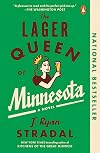
The Lager Queen of Minnesota
by J. Ryan Stradal
On This Page
Description
"A novel of family, Midwestern values, hard work, fate, and the secrets of making a world-class beer, from the author of Kitchens of the Great Midwest"--Tags
Recommendations




























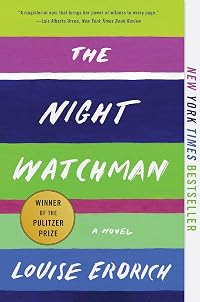



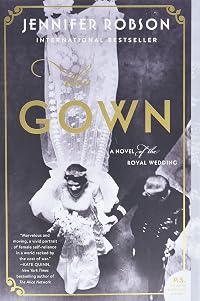





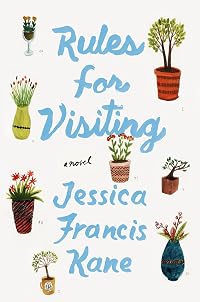

Member Reviews
This book demands that you read it while eating tater-tot hotdish and listening to Prince. It was absolute perfection. The characters. The setting. Everything. I laughed. I cried. I cried a lot. The women in this novel tore at my heart. I knew these women. I was raised by these women. This book made my heart ache for the carefree days spent following my grandma around in her garden or standing in her kitchen carefully measuring out ingredients to make something beyond delicious.
It wasn't just the women who made me emotional. It was the beer. I'm a huge fan of beer. The guy who picks up our recycling every week would probably argue I'm something a little more unhealthy and he only takes clear glass. The beer in the book wasn't just show more beer. I could see and smell the Grain Belt, the Hamms, and the PBR my grandpa use to drink. It depended what was on sale. Every night for supper, he had a beer for supper. Even towards the end when the doctors told him he wasn't allowed to have beer with his medication. He didn't care. He fought in WWII. He was going to drink the beer. It was only one can. And honestly, it wasn't even one can. For 57 years, he split that one can of beer every night with my grandma. Even after she died, he only poured himself half a can.
My own personal nostalgia aside, I highly recommend this book. It's just as Minnesotan as giant roadside attractions (shout out to the World's Largest Ball of Twine Made by One Man) and Sven and Ole' jokes. To some it might be boring but it's full of heart and people you won't easily forget. show less
It wasn't just the women who made me emotional. It was the beer. I'm a huge fan of beer. The guy who picks up our recycling every week would probably argue I'm something a little more unhealthy and he only takes clear glass. The beer in the book wasn't just show more beer. I could see and smell the Grain Belt, the Hamms, and the PBR my grandpa use to drink. It depended what was on sale. Every night for supper, he had a beer for supper. Even towards the end when the doctors told him he wasn't allowed to have beer with his medication. He didn't care. He fought in WWII. He was going to drink the beer. It was only one can. And honestly, it wasn't even one can. For 57 years, he split that one can of beer every night with my grandma. Even after she died, he only poured himself half a can.
My own personal nostalgia aside, I highly recommend this book. It's just as Minnesotan as giant roadside attractions (shout out to the World's Largest Ball of Twine Made by One Man) and Sven and Ole' jokes. To some it might be boring but it's full of heart and people you won't easily forget. show less
Something about this book hit just the right chord for me. Maybe it was the midwestern setting that I grew up in? Maybe it was the down-to-earth midwestern characters who are polite and kind but reserved and rarely say what they are really thinking? Whatever it was, I really loved it.
The story revolves around two sisters who have a midwestern falling-out (no dramatic scenes, they just stop speaking) over their father leaving all his money to the younger daughter, Helen, at the older sister's, Edith's, expense. Helen has fallen in love with beer and can now start up a brewery. Edith marries and has children, never really getting on her feet financially. She suffers loss and hard times, but in a quiet, accepting way.
The younger show more generation, Edith's granddaughter Diana, becomes the focus half way through the novel. Diana also falls into brewing beer and creates a craft brewery. You can see where this is going - things do end up coming full circle in the end.
I wonder if this book would have the same appeal to someone not from the Midwest? The small details about how midwesterners interact and the setting descriptions made me nostalgic for the region. For me, it was fantastic and I'll gladly read the other book that Stradal has out. show less
The story revolves around two sisters who have a midwestern falling-out (no dramatic scenes, they just stop speaking) over their father leaving all his money to the younger daughter, Helen, at the older sister's, Edith's, expense. Helen has fallen in love with beer and can now start up a brewery. Edith marries and has children, never really getting on her feet financially. She suffers loss and hard times, but in a quiet, accepting way.
The younger show more generation, Edith's granddaughter Diana, becomes the focus half way through the novel. Diana also falls into brewing beer and creates a craft brewery. You can see where this is going - things do end up coming full circle in the end.
I wonder if this book would have the same appeal to someone not from the Midwest? The small details about how midwesterners interact and the setting descriptions made me nostalgic for the region. For me, it was fantastic and I'll gladly read the other book that Stradal has out. show less
I love beer & pie and I’m a Midwestern girl, so it’s not surprising I loved this book. The food descriptions in his last novel were incredible and the beer descriptions here don’t disappoint.
Two very different sisters, Edith and Helen, let an inheritance drive a wedge between them. From 1959 to 2018 we watch the them mature. Helen with her passion for brewing, Edith with her talent for baking and caring for others.
From Helen’s desire to win and Edith’s granddaughter Diana’s willingness to do whatever it takes to survive; they are strong, complicated women. There is depth, grief, self doubt, love, talent, friendship, ambition, and so much more. Without spoiling anything I can say I loved it and didn’t want to put it down. show more
“No one in need of a rescue gets the savior of their choice.”
“Her mother had told her once that the nicest thing you could do for someone is be happy to see them.” show less
Two very different sisters, Edith and Helen, let an inheritance drive a wedge between them. From 1959 to 2018 we watch the them mature. Helen with her passion for brewing, Edith with her talent for baking and caring for others.
From Helen’s desire to win and Edith’s granddaughter Diana’s willingness to do whatever it takes to survive; they are strong, complicated women. There is depth, grief, self doubt, love, talent, friendship, ambition, and so much more. Without spoiling anything I can say I loved it and didn’t want to put it down. show more
“No one in need of a rescue gets the savior of their choice.”
“Her mother had told her once that the nicest thing you could do for someone is be happy to see them.” show less
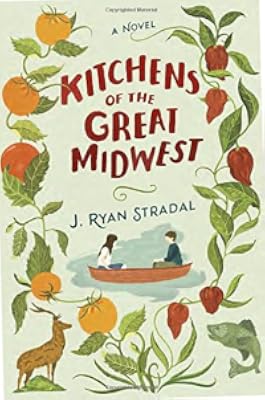
Like [b:Kitchens of the Great Midwest|23398625|Kitchens of the Great Midwest|J. Ryan Stradal|https://i.gr-assets.com/images/S/compressed.photo.goodreads.com/books/1428066565l/23398625._SY75_.jpg|42955214], this is a fun read, infused with foodie love and midwestern quirk.
The titular "Lager Queen of Minnesota" is Helen Blotz (co-owner of Blotz Brewery: "Drink lots. It's Blotz."), but she gets maybe a quarter of the page time in the book. The novel focuses more on her estranged older sister, Edith, and Edith's granddaughter, Diana. While Edith doesn't even drink beer, Diana ends up being a brewer, too. (The brewing descriptions were really interesting, even though I don't really like beer. Think [b:Sourdough|33916024|Sourdough|Robin show more Sloan|https://i.gr-assets.com/images/S/compressed.photo.goodreads.com/books/1490804609l/33916024._SX50_.jpg|51600167], but with a different kind of yeast culture.)
The plot gets a little melodramatic at times. How many bad things can happen to these poor women? And while I appreciate what Mr. Stradal is trying to say about the working class in America, sometimes he lays it on a little thick. In contrast, the novel always has a very upbeat feel, like good ol' Edith, who just keeps working with a smile on her face.
Overall, it's a very cute, cozy story, that makes a nice palate cleanser from darker, heavier books. show less
The titular "Lager Queen of Minnesota" is Helen Blotz (co-owner of Blotz Brewery: "Drink lots. It's Blotz."), but she gets maybe a quarter of the page time in the book. The novel focuses more on her estranged older sister, Edith, and Edith's granddaughter, Diana. While Edith doesn't even drink beer, Diana ends up being a brewer, too. (The brewing descriptions were really interesting, even though I don't really like beer. Think [b:Sourdough|33916024|Sourdough|Robin show more Sloan|https://i.gr-assets.com/images/S/compressed.photo.goodreads.com/books/1490804609l/33916024._SX50_.jpg|51600167], but with a different kind of yeast culture.)
The plot gets a little melodramatic at times. How many bad things can happen to these poor women? And while I appreciate what Mr. Stradal is trying to say about the working class in America, sometimes he lays it on a little thick. In contrast, the novel always has a very upbeat feel, like good ol' Edith, who just keeps working with a smile on her face.
Overall, it's a very cute, cozy story, that makes a nice palate cleanser from darker, heavier books. show less
The Lager Queen of Minnesota by J. Ryan Stradal is a very highly recommended family drama set in Minnesota and featuring strong female characters.
Edith and her sister, Helen, grew up in Minnesotans in the 1950s. Edith and Stanley Magnusson marry and struggle together to make ends meet while raising their family. Helen goes to college and marries the heir of the Blotz brewing company. Helen convinces her father to leave his whole inheritance to her so she and her husband can build their business up with the production of a successful light beer. Edith has not talked to Helen since she stole her part of their inheritance.
While her husband earns a living driving a truck, Edith has been working for years in the kitchen of a nursing home show more where she makes the residents homemade pies. When she is in her 60's her pies become famous and people begin traveling to have a slice of her pie. When Stanley retires and she is offered a job in Nicollet Falls, Minnesota, the two move and Edith starts making pies for a cafe. Helen struggles at the beginning and although she becomes very successful, she never offers to pay Edith back her half of their parent's inheritance. Stanley passes away, and circumstance lead to Edith's granddaughter Diana living with her while Edith, in her 70's struggles to support them by working two jobs, at a department store and a burger place. Circumstances come full circle when Diana starts working for a craft brewery while Blotz's business is falling. Perhaps some closure can happen for Edith and Helen.
The quality of the writing is excellent, capturing the actions and thoughts of the characters perfectly in this heartwarming, delightful, and engrossing story. I love that Stradal has introduced us to some excellent original female characters who are strong, intelligent, complicated, hard-working Midwestern women, including older women! So many writers seem to revel in poking fun at anyone from the Midwest. He doesn't make the older women doddering caricatures that younger readers can adore and laugh at how quaint they are. These women are the women I know. They may have setbacks, loss, and struggles, but they pull themselves together and get the job done, finding a way to support themselves without a lot of complaining or fuss. And yet it is also a story of following your passions.
The narrative is told through events from the past and the present through Edith, Helen, and Diana. Each chapter starts with an amount of money that will be important to the characters in that chapter, helping highlight the disparity in the character's lives. The story shines when it follows Edith and Diana, especially as they face and overcome challenges. The plot is intriguing enough to hold your attention throughout and you will loath having to set the novel aside for things like sleep or work. There is also a whole lot about brewing beer, craft beer, and different styles of beer. While the ending might be a tad bit too perfectly convenient, it is a fitting conclusion to a wonderful summer read.
Disclosure: My review copy was courtesy of Penguin Random House.
http://www.shetreadssoftly.com/2019/07/the-lager-queen-of-minnesota.html show less
Edith and her sister, Helen, grew up in Minnesotans in the 1950s. Edith and Stanley Magnusson marry and struggle together to make ends meet while raising their family. Helen goes to college and marries the heir of the Blotz brewing company. Helen convinces her father to leave his whole inheritance to her so she and her husband can build their business up with the production of a successful light beer. Edith has not talked to Helen since she stole her part of their inheritance.
While her husband earns a living driving a truck, Edith has been working for years in the kitchen of a nursing home show more where she makes the residents homemade pies. When she is in her 60's her pies become famous and people begin traveling to have a slice of her pie. When Stanley retires and she is offered a job in Nicollet Falls, Minnesota, the two move and Edith starts making pies for a cafe. Helen struggles at the beginning and although she becomes very successful, she never offers to pay Edith back her half of their parent's inheritance. Stanley passes away, and circumstance lead to Edith's granddaughter Diana living with her while Edith, in her 70's struggles to support them by working two jobs, at a department store and a burger place. Circumstances come full circle when Diana starts working for a craft brewery while Blotz's business is falling. Perhaps some closure can happen for Edith and Helen.
The quality of the writing is excellent, capturing the actions and thoughts of the characters perfectly in this heartwarming, delightful, and engrossing story. I love that Stradal has introduced us to some excellent original female characters who are strong, intelligent, complicated, hard-working Midwestern women, including older women! So many writers seem to revel in poking fun at anyone from the Midwest. He doesn't make the older women doddering caricatures that younger readers can adore and laugh at how quaint they are. These women are the women I know. They may have setbacks, loss, and struggles, but they pull themselves together and get the job done, finding a way to support themselves without a lot of complaining or fuss. And yet it is also a story of following your passions.
The narrative is told through events from the past and the present through Edith, Helen, and Diana. Each chapter starts with an amount of money that will be important to the characters in that chapter, helping highlight the disparity in the character's lives. The story shines when it follows Edith and Diana, especially as they face and overcome challenges. The plot is intriguing enough to hold your attention throughout and you will loath having to set the novel aside for things like sleep or work. There is also a whole lot about brewing beer, craft beer, and different styles of beer. While the ending might be a tad bit too perfectly convenient, it is a fitting conclusion to a wonderful summer read.
Disclosure: My review copy was courtesy of Penguin Random House.
http://www.shetreadssoftly.com/2019/07/the-lager-queen-of-minnesota.html show less
It’s been four years since J. Ryan Stradal’s last book (Kitchens of the Great Midwest) and let me say now that The Lager Queen of Minnesota was well worth the wait. Hugely, enormously, immeasurably worth it. The Lager Queen of Minnesota tells the story of two sisters, difficult lives, hard work and beer. Similar in feel to Kitchens with Stradal’s deceptively simple style and chapters that follow different characters, Lager Queen mainly focuses on the sisters, Helen and Edith. Betrayal causes a rift between them and Stradal deftly carries them through 50 years to an inevitable conclusion that still feels refreshing and heart-warming. I have to say I don’t even like beer and I loved this book--I can’t imagine how it would play show more to a beer snob with the abundance of brewing info and beer-speak. But don’t worry--this is not a book about beer. This is a wonderfully nuanced, beautifully crafted novel about forgiveness, second chances and the families that we are born to and the ones we form ourselves. show less
Edith works in a nursing home kitchen and suddenly is propelled to fame when her pies get written up in the newspaper as the third-best in the state, but her life becomes hard when first her husband gets sick and then her son and his wife die leaving her to care for her teenage granddaughter, Diana. Helen is Edith's sister and very unlike her, discovering at 15 that she loves beer, and working through college and by marriage to be able to brew her own. The sisters aren't speaking to each other in the present, and through their stories (and eventually Diana's, too), readers discover what pulled them apart, and what happened to both families as a result.
Stradal's sophomore book focuses on a family and good ol' Midwestern values, and was show more enjoyable enough. The details about brewing beer and crafting IPAs were interesting. The narrative skipped around a lot: Edith and Diana's chapters are one timeline, and Edith's jumps back in time and eventually makes its way up to 2018 to coincide with Edith and Diana. And even within one chapter, you might get skipped ahead to the next big event in the character's life. I'm sure my reading it over two weeks instead of the few days I'm accustomed to added to this sense of disjointedness. There was nothing that I particularly liked or disliked about it - the characters were fine, the story was predictable but mostly engaging. But neither did anything about it particular stand out as stellar and make me want to seek out more of the same. show less
Stradal's sophomore book focuses on a family and good ol' Midwestern values, and was show more enjoyable enough. The details about brewing beer and crafting IPAs were interesting. The narrative skipped around a lot: Edith and Diana's chapters are one timeline, and Edith's jumps back in time and eventually makes its way up to 2018 to coincide with Edith and Diana. And even within one chapter, you might get skipped ahead to the next big event in the character's life. I'm sure my reading it over two weeks instead of the few days I'm accustomed to added to this sense of disjointedness. There was nothing that I particularly liked or disliked about it - the characters were fine, the story was predictable but mostly engaging. But neither did anything about it particular stand out as stellar and make me want to seek out more of the same. show less
Members
- Recently Added By
Lists

Kirkus Starred Fiction Reviews of Books Published in 2019
411 works; 12 members

Books Read in 2023
5,547 works; 145 members

Facebook list
55 works; 3 members

Books Read in 2019
4,052 works; 110 members

A Smorgasbord of Culinary Fiction
221 works; 94 members

Books With Place Names in the Title
215 works; 10 members

Fiction With Familiar Settings
280 works; 93 members
Author Information

4 Works 2,736 Members
J. Ryan Stradal is the author of Kitchens of the Great Midwest which made the New York Times Best Seller List 2015. (Bowker Author Biography)
Awards and Honors
Awards
Common Knowledge
- Canonical title
- The Lager Queen of Minnesota
- Original publication date
- 2019
- People/Characters
- Edith Magnusson; Helen Calder; Diana Winter; Frank Schabert; Orval Blotz; Andy Nakagawa
- Important places
- Minnesota, USA; New Stockholm, Wisconsin, USA; Nicollet County, Minnesota, USA
- Dedication
- to Doris and Esther, grandmothers who could, and did
- First words
- It was July 5, 2003, and Edith Magnusson's day hadn't been too bad, so far.
- Last words
- (Click to show. Warning: May contain spoilers.)And she sees her own arms, right now, reaching out.
Classifications
Statistics
- Members
- 846
- Popularity
- 32,371
- Reviews
- 64
- Rating
- (3.95)
- Languages
- English, German
- Media
- Paper, Audiobook, Ebook
- ISBNs
- 12
- ASINs
- 3