A Room of One's Own and Other Essays
by Virginia Woolf
On This Page
Tags
Recommendations






















Member Reviews
January 25. Today, we celebrate Virginia Woolf, beloved novelist, essayist, and a feminist!
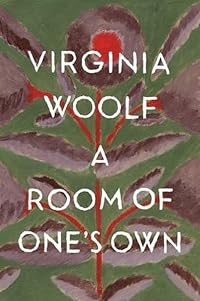
In "A Room of One's Own", Virginia Woolf explores both literal and figurative space for women writers within a literary tradition dominated by men. Who writes is a man and I can heartily attest to Virginia Woolf's assertion that in order to write successfully, one needs a room of one's own. Not just for ladies but also for men though …
Woolf's 1928 essay 'A Room of One's Own' was surely the inspiration behind "A Room Of One's Own Day". I don't know who started this celebration day, but we do know that the essay itself was focused on the subject of women's access to education. In these more enlightened and civilized times of ours, we can probably show more relax the rules a little and make it a day purely for ourselves, both ladies and gentlemen!
Planning is essential. We'll need some good books, possibly not just by Virginia Woolf, some good music, and probably cake. In fact, cake is almost certainly a necessity. A drop or two of your favourite wine, perhaps. Then, batten down the hatches and take some time out to celebrate yourself, in a room of your own.
- -
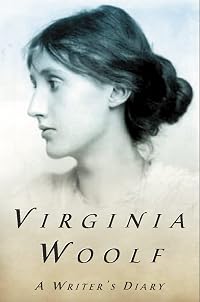
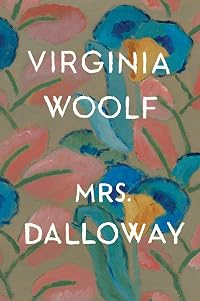
(Adeline) Virginia Woolf (1882–1941) was an English novelist and essayist regarded as one of the foremost modernist literary figures of the twentieth century. During the interwar period, Woolf was a significant figure in London literary society and a member of the Bloomsbury Group. Her most famous works include the novels Mrs. Dalloway (1925), To the Lighthouse (1927), and Orlando (1928), and the book-length essay A Room of One's Own (1929) with its famous dictum, "a woman must have money and a room of her own if she is to write fiction." show less
In "A Room of One's Own", Virginia Woolf explores both literal and figurative space for women writers within a literary tradition dominated by men. Who writes is a man and I can heartily attest to Virginia Woolf's assertion that in order to write successfully, one needs a room of one's own. Not just for ladies but also for men though …
Woolf's 1928 essay 'A Room of One's Own' was surely the inspiration behind "A Room Of One's Own Day". I don't know who started this celebration day, but we do know that the essay itself was focused on the subject of women's access to education. In these more enlightened and civilized times of ours, we can probably show more relax the rules a little and make it a day purely for ourselves, both ladies and gentlemen!
Planning is essential. We'll need some good books, possibly not just by Virginia Woolf, some good music, and probably cake. In fact, cake is almost certainly a necessity. A drop or two of your favourite wine, perhaps. Then, batten down the hatches and take some time out to celebrate yourself, in a room of your own.
- -
(Adeline) Virginia Woolf (1882–1941) was an English novelist and essayist regarded as one of the foremost modernist literary figures of the twentieth century. During the interwar period, Woolf was a significant figure in London literary society and a member of the Bloomsbury Group. Her most famous works include the novels Mrs. Dalloway (1925), To the Lighthouse (1927), and Orlando (1928), and the book-length essay A Room of One's Own (1929) with its famous dictum, "a woman must have money and a room of her own if she is to write fiction." show less
Ratings
Members
- Recently Added By
Lists

Folio Society
831 works; 49 members
Author Information

653+ Works 119,113 Members
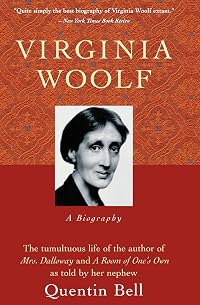
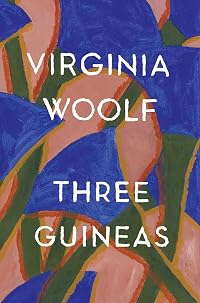
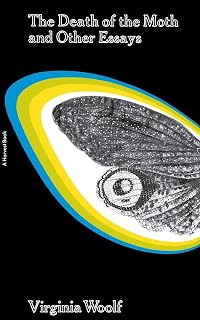
Virginia Woolf was born in London, England on January 25, 1882. She was the daughter of the prominent literary critic Leslie Stephen. Her early education was obtained at home through her parents and governesses. After death of her father in 1904, her family moved to Bloomsbury, where they formed the nucleus of the Bloomsbury Group, a circle of show more philosophers, writers, and artists. During her lifetime, she wrote both fiction and non-fiction works. Her novels included Jacob's Room, Mrs. Dalloway, To the Lighthouse, Orlando, and Between the Acts. Her non-fiction books included The Common Reader, A Room of One's Own, Three Guineas, The Captain's Death Bed and Other Essays, and The Death of the Moth and Other Essays. Having had periods of depression throughout her life and fearing a final mental breakdown from which she might not recover, Woolf drowned herself on March 28, 1941 at the age of 59. Her husband published part of her farewell letter to deny that she had taken her life because she could not face the terrible times of war. (Bowker Author Biography) show less
Some Editions
Classifications
Statistics
- Members
- 53
- Popularity
- 573,800
- Reviews
- 1
- Rating
- (4.75)
- Languages
- Spanish
- Media
- Paper
- ISBNs
- 1
- ASINs
- 2