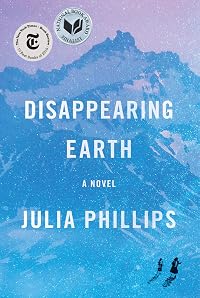
Disappearing Earth
by Julia Phillips
On This Page
Description
"One August afternoon, on the shoreline of the Kamchatka peninsula at the northeastern edge of Russia, two sisters, eight and eleven, go missing. In the ensuing months the police investigation turns up nothing. Echoes of the disappearance reverberate across a tightly woven community, with the fear and loss felt most deeply among its women. Connected by the crime: a witness, a neighbor, a detective, a mother. Social and ethnic tensions have long simmered in the region, and outsiders are often show more the first to be accused..."--Provided by publisher. show lessTags
Recommendations


























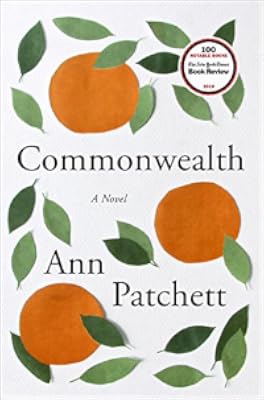

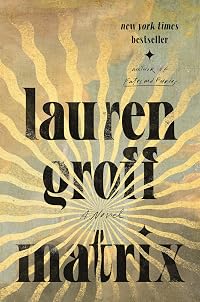



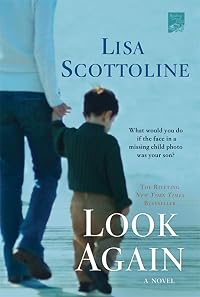














Member Recommendations

by vwinsloe
Member Reviews
Authors should not put character lists at the beginning of books--it makes readers nervous. So many characters I need a map to keep track of them? Yes, in the case of Disappearing Earth by Julia Phillips, but the effort is well worth it. Two young sisters vanish from the town center on a beautiful summer day in a small city on the Kamchatka peninsula. Phillips then follows the next 12 months, each with a different character loosely connected to the two girls until she circles back a year later. Beautifully written with deceptively simple sentences and sharp descriptions of the harsh landscape, Kamchatka itself becomes a main piece of the story. Phillips has written an extraordinary novel about loneliness, race, women and so much show more more--highly recommended. show less
Disappearing Earth’s thirteen chapters all feature a different female character and can stand as separate stories. In the opening chapter, two young sisters are abducted and driven off by a man who pretends to be injured to lure them into his car. The girls’ disappearance reverberates throughout the rest of the book. That is because all of the characters share one thing in common, they all live in Kamchatka, a fairly inaccessible peninsula in the Russian Far East. All have an interest in the kidnapping and theories about what may have happened to the girls. But they also have their own stories to tell as they deal with the sexism inherent in Kamchatka’s patriarchal society.
It is no exaggeration to say that Kamchatka itself plays a show more major role in Julia Phillips’ novel. With no major roads connecting it to the rest of Russia, its volcano studded landscape is separated from Moscow by nine time zones. While the majority of the population is Russian, its minorities include Ukrainians, Koryaks and Evens. These last two on the list are collectively known as Kamchadals, and they are the region’s original natives. This blending of unique cultures supplies the background to all of this book’s stories.
The abduction haunts each chapter, showing how such an event affects individuals and an entire community. But each chapter’s female character dominates center stage when in the spotlight. I can think of no higher praise than to say that each of these chapters could be spun into an interesting novel of its own. show less
It is no exaggeration to say that Kamchatka itself plays a show more major role in Julia Phillips’ novel. With no major roads connecting it to the rest of Russia, its volcano studded landscape is separated from Moscow by nine time zones. While the majority of the population is Russian, its minorities include Ukrainians, Koryaks and Evens. These last two on the list are collectively known as Kamchadals, and they are the region’s original natives. This blending of unique cultures supplies the background to all of this book’s stories.
The abduction haunts each chapter, showing how such an event affects individuals and an entire community. But each chapter’s female character dominates center stage when in the spotlight. I can think of no higher praise than to say that each of these chapters could be spun into an interesting novel of its own. show less
Wow. Absolutely incredible. I want to read it again, but more slowly, so I can taste each sentence. It's much more than a story about two girls' disappearance. It's the story of how grief reverberates throughout the tangled weave we call community. And in this community are racial, social, and class undertones that rarely surface when Americans discuss Russia. AND THE SUSPENSE. Please, Julia Phillips, write one hundred more books!
What to say about this haunting book? To start, it doesn't fall neatly into any category. There is a disappearance at its core, but for the greater part of the book we see that mystery only obliquely through the stories of individuals, primarily women, whose lives have a tangential connection to the riddle of two girls who went missing.
The quality of the writing is so high that it merits consideration as literary fiction, as evidenced by its status as a National Book Award finalist. The book's structure is distinctive; each chapter reflects a consecutive month of the year following the girls' disappearance, seen through the lives of different characters whose interconnections emerge very gradually.
It could be considered travel show more writing, given the descriptions of the geography and people of the Kamchatka Peninsula. In far eastern Russia, much closer to Alaska, Japan and Korea than to Moscow or St. Petersburg and accessible only by plane or boat, Kamchatka's isolation is an ongoing influence on events in the novel. Socio-political history is another key element, as Phillips describes Kamchatka's residents' responses to the passing of the Soviet era, which offered security if little else, and the challenges of life under Putin.
And there is a definite feminist flavor to Phillips' compassionate treatment of the women whose stories are the heart of the book. Their lives are for the most part disappointing as they struggle to establish careers, relationships, and independence from cultural, political, and geographic constraints. The sadness of their endeavors to remain strong, to continue existing in a world of adversity and misfortune, pervades the narrative.
Although it took three or four chapters to become clear, I found the ways in which the characters are interconnected to be the richest aspect of the book, the most brilliant display of Phillips' gifts as a writer. Nothing heavy-handed, sometimes only a faint reference that comes across almost like a scent on a gentle breeze. It's there, but what is it exactly? How does it fit with the other pieces?
Brilliantly, as it turns out. show less
The quality of the writing is so high that it merits consideration as literary fiction, as evidenced by its status as a National Book Award finalist. The book's structure is distinctive; each chapter reflects a consecutive month of the year following the girls' disappearance, seen through the lives of different characters whose interconnections emerge very gradually.
It could be considered travel show more writing, given the descriptions of the geography and people of the Kamchatka Peninsula. In far eastern Russia, much closer to Alaska, Japan and Korea than to Moscow or St. Petersburg and accessible only by plane or boat, Kamchatka's isolation is an ongoing influence on events in the novel. Socio-political history is another key element, as Phillips describes Kamchatka's residents' responses to the passing of the Soviet era, which offered security if little else, and the challenges of life under Putin.
And there is a definite feminist flavor to Phillips' compassionate treatment of the women whose stories are the heart of the book. Their lives are for the most part disappointing as they struggle to establish careers, relationships, and independence from cultural, political, and geographic constraints. The sadness of their endeavors to remain strong, to continue existing in a world of adversity and misfortune, pervades the narrative.
Although it took three or four chapters to become clear, I found the ways in which the characters are interconnected to be the richest aspect of the book, the most brilliant display of Phillips' gifts as a writer. Nothing heavy-handed, sometimes only a faint reference that comes across almost like a scent on a gentle breeze. It's there, but what is it exactly? How does it fit with the other pieces?
Brilliantly, as it turns out. show less
Kamtschatka ist als weitgehend unberührtes Naturparadies bekannt, in dem Besuchende Vulkane, Geysire, Braunbären und mehr entdecken können. Doch wie die Menschen in diesem dünn besiedelten Teil Russlands (die Halbinsel ist etwas größer als Deutschland mit ca. 310.000 dort Lebenden verschiedener Ethnien) leben, dürfte weitestgehend unbekannt sein.
Julia Phillips erzählt in monatlichen Abständen in 13 Geschichten von Frauen und Mädchen, die in irgendeiner Form mit dem Verschwinden zweier kleiner Mädchen in Berührung gekommen sind; sei es durch Pressemitteilungen, Verwandtenberichte oder ähnlichem. Auch wenn der Vermisstenfall scheinbar im Vordergrund steht (das erste Kapitel handelt davon), ist er letztlich ’nur‘ die show more Verbindung zwischen den Frauen über die hier berichtet wird, die aus den verschiedensten Gegenden der Halbinsel kommen und so unterschiedlich sind wie ihre Herkunft. Männer, zumindest wenn sie leben, tauchen in diesen Geschichten fast nur als unangenehme Zeitgenossen auf: Schwätzer, unzuverlässig, autoritär, sexistisch – nur die Toten scheinen die wirklich Guten zu sein.
Durch die Porträts dieser Frauen, die meiner Meinung nach nicht alle gelungen sind, entsteht ein Panorama der Gesellschaft Kamtschatkas, die sich aufgrund diverser Missstände wie fehlender Infrastruktur, Korruption und Rassismus gegenüber Indigenen und Gastarbeitern mühsam durchs Leben kämpft. Doch nicht nur das Zusammenleben der verschiedenen Volksgruppen ist schwierig, auch die Indigenen selbst haben Probleme innerhalb ihrer eigenen Gemeinschaft: Generationenkonflikte, das Festhalten an Traditionen gegen die Wünsche der Jüngeren, Engstirnigkeit und ebenso hier Rassismus.
Auch wenn es sich praktisch um einzelne Geschichten handelt: Durch das geschickte Einflechten von kurzen Sätzen, meist ganz beiläufig, erfährt man immer wieder etwas über das Schicksal der Frauen, die schon erwähnt wurden. Manchmal ist auch etwas detektivischer Scharfsinn gefragt um sich Zusammenhänge aus vorhergehenden Kapiteln zu erschließen, was das Lesevergnügen aber nicht mindert, ganz im Gegenteil. Schlussendlich versöhnt das Ende mit all den offenen Fragen, die eventuell noch geblieben sind, sodass ich das Buch mit einem zufriedenen Seufzer zur Seite legte.
Vor dem Hintergrund der grandiosen Landschaft Kamtschatkas zeigt die Autorin das Leben von Frauen, die wenig bis nichts verbindet, aber eines gemeinsam haben: Wünsche und Sehnsüchte, die wohl nie in Erfüllung gehen werden. show less
Julia Phillips erzählt in monatlichen Abständen in 13 Geschichten von Frauen und Mädchen, die in irgendeiner Form mit dem Verschwinden zweier kleiner Mädchen in Berührung gekommen sind; sei es durch Pressemitteilungen, Verwandtenberichte oder ähnlichem. Auch wenn der Vermisstenfall scheinbar im Vordergrund steht (das erste Kapitel handelt davon), ist er letztlich ’nur‘ die show more Verbindung zwischen den Frauen über die hier berichtet wird, die aus den verschiedensten Gegenden der Halbinsel kommen und so unterschiedlich sind wie ihre Herkunft. Männer, zumindest wenn sie leben, tauchen in diesen Geschichten fast nur als unangenehme Zeitgenossen auf: Schwätzer, unzuverlässig, autoritär, sexistisch – nur die Toten scheinen die wirklich Guten zu sein.
Durch die Porträts dieser Frauen, die meiner Meinung nach nicht alle gelungen sind, entsteht ein Panorama der Gesellschaft Kamtschatkas, die sich aufgrund diverser Missstände wie fehlender Infrastruktur, Korruption und Rassismus gegenüber Indigenen und Gastarbeitern mühsam durchs Leben kämpft. Doch nicht nur das Zusammenleben der verschiedenen Volksgruppen ist schwierig, auch die Indigenen selbst haben Probleme innerhalb ihrer eigenen Gemeinschaft: Generationenkonflikte, das Festhalten an Traditionen gegen die Wünsche der Jüngeren, Engstirnigkeit und ebenso hier Rassismus.
Auch wenn es sich praktisch um einzelne Geschichten handelt: Durch das geschickte Einflechten von kurzen Sätzen, meist ganz beiläufig, erfährt man immer wieder etwas über das Schicksal der Frauen, die schon erwähnt wurden. Manchmal ist auch etwas detektivischer Scharfsinn gefragt um sich Zusammenhänge aus vorhergehenden Kapiteln zu erschließen, was das Lesevergnügen aber nicht mindert, ganz im Gegenteil. Schlussendlich versöhnt das Ende mit all den offenen Fragen, die eventuell noch geblieben sind, sodass ich das Buch mit einem zufriedenen Seufzer zur Seite legte.
Vor dem Hintergrund der grandiosen Landschaft Kamtschatkas zeigt die Autorin das Leben von Frauen, die wenig bis nichts verbindet, aber eines gemeinsam haben: Wünsche und Sehnsüchte, die wohl nie in Erfüllung gehen werden. show less
It is hard to believe that this is a first novel for Ms. Phillipps. It is extremely well-written, and she takes using differing points of view to tell a story to a new level. At first I found the differing points of view confusing, and hard to follow, but thank goodness she has a list of character families at the beginning of the book, so I referred back to that when I needed to. Partway through it became much easier to keep them straight. The setting is a remote peninsula in far eastern Russia called Kamchatka. This peninsula is located in the Pacific Ocean and is close to Alaska. The peninsula is the home to about 300,000 people which includes ethnic Russians as well as Koryaks, who are an indigenous group of people. The time is show more present-day and a horrific event occurs in August. Two young girls have disappeared from a busy street in the city of Petropavlstok. These little girls are Koryak girls. The story progresses through all the months of the year following this event, and each month presents a different point of view from people that are linked in some way to this event. Bits of the story behind the kidnapping come out as the book progresses, but all is not made clear until July of the following year. These women and families presented are strong women who have each made it through traumatic events and trials of their own. This is a mystery that binds them all together in some way. It's also a mystery where we see racial disconnects throughout. How hard are the police looking for these two little indigenous girls? Do they even think that they were taken, even after an eye-witness report gives a description of a man in a big, dark vehicle with two little girls inside? Do they blame the mother for lack of supervision of her two daughters? Racism is portrayed in such a subtle way that it's almost like an afterthought, but is glaring all the same. This is a very carefully crafted book and there are no superfluous words used throughout the entire book. A very powerful story about a little-known area with a very well-known world problem. Highly recommend. show less
On the isolated Russian Kamchatka Peninsula, two young girls are kidnapped in broad daylight in their village. The case sets the local community on edge, as the only way in or out of the region is by ship or plane, so how could they have just disappeared?
There is a lot going on here! With each chapter we are introduced to new, intriguing subset of characters, allowing the reader glimpses into many aspects of life in the Russian Far East. Just as keeping track of the sheer number of seemingly unrelated characters and their back stories begins to feel overwhelming, everything starts to (thankfully) cohere. Plot aside, one thing I enjoyed most about this book was opening my eyes to a region and a culture I've never even considered show more previously, much less read about. I found myself referring to a map more than once to orient myself and get a sense of the geography. While the story isn't riveting in the way of a real page-turner, and the ending seemed to me slightly pat, I enjoyed the story for other reasons above and recommend it. show less
There is a lot going on here! With each chapter we are introduced to new, intriguing subset of characters, allowing the reader glimpses into many aspects of life in the Russian Far East. Just as keeping track of the sheer number of seemingly unrelated characters and their back stories begins to feel overwhelming, everything starts to (thankfully) cohere. Plot aside, one thing I enjoyed most about this book was opening my eyes to a region and a culture I've never even considered show more previously, much less read about. I found myself referring to a map more than once to orient myself and get a sense of the geography. While the story isn't riveting in the way of a real page-turner, and the ending seemed to me slightly pat, I enjoyed the story for other reasons above and recommend it. show less
Members
- Recently Added By
Published Reviews
...the mystery (which turns out to have quite a few twists; it's worth reading until the very end) isn't everything, either. As Phillips has said in interviews, her book is a means of exploring the violence in women's lives, violence in many forms: The aforementioned widowing, which occurs when a man dies in a car accident on an icy road. Domestic violence in all its abusive forms. Abduction, show more rape, keeping secrets. As the many characters live through the calendar year, they appear in each others' stories, bit by bit. If you're paying attention, you may figure who took the girls. show less
added by Lemeritus
There will be those eager to designate “Disappearing Earth” a thriller by focusing on the whodunit rather than what the tragedy reveals about the women in and around it. And if there is a single misstep in Phillips’s nearly flawless novel, it arrives with the tidy ending that seems to serve the needs of a genre rather than those of this particularly brilliant novel. But a tidy ending show more does not diminish Phillips’s deep examination of loss and longing, and it is a testament to the novel’s power that knowing what happened to the sisters remains very much beside the point. show less
added by Lemeritus
The ending of “Disappearing Earth” ignites an immediate desire to reread the chapters leading up to it: incidents and characters that seemed trivial acquire new meanings. The novel’s title comes from a scary story that Alyona tells her sister in the very first chapter, about a village on a bluff overlooking the ocean which is suddenly washed away by a tsunami. This story will be retold show more by the novel’s close, just as the novel will retell itself. What appears to be a collection of fragments, the remains of assorted personal disasters and the detritus of a lost empire, is in truth capable of unity. For the heirs of all that wreckage, discovering that they have the ability to achieve this unity—that they have had it all along—is the one great act of detection required of them. show less
added by Lemeritus
Lists

National Book Award Finalists - Fiction
377 works; 12 members

Top Five Books of 2021
604 works; 180 members

Kirkus Starred Fiction Reviews of Books Published in 2019
411 works; 12 members

Facebook list
55 works; 3 members

Books Read in 2020
4,379 works; 124 members

World Books
51 works; 4 members

Books Read in 2019
4,052 works; 108 members

To Read
617 works; 7 members

20 Books Off the Beaten Path
20 works; 2 members

Crime Novels with a Focus on Nature
4 works; 1 member

Still to Read 2020
8 works; 1 member
Author Information

2 Works 2,110 Members
Some Editions
Awards and Honors
Awards
Distinctions
Common Knowledge
- Original publication date
- 2019-05-22
- People/Characters
- Sophia Golosovsky; Alyona Golosovsky; Marina Alexandrovna Golosovsky; Alla Innokentevna Solodikov; Natalia "Natasha" Solodikov; Denis Solodikov (show all 43); Lilia Konstantinovna Solodikov; Revmira; Lev Solodikov; Yulia "Yulka" Solodikov; Ksenia "Ksyusha" Adukanov; Sergei "Chegga" Adukanov; Ruslan; Nadezhda "Nadia"; Ludmila "Mila"; Nikolai "Kolya" Danilovich Ryakhovsky; Zoya Ryakhovsky; Alexandra "Sasha" Ryakhovsky; Oksana; Maxim "Max"; Ekaterina "Katya"; Yevgeny Pavlovich Kulik; Anfisa; Valentina Nikolaevna; Diana; Lada; Olga "Olya" Igorevna Petrova; Alisa; Chander; Masha Zakotnova; Kristina; Yuri; Artyom (second husband of Revmira); Gleb Vasilievna (first husband of Revmira); Vyacheslav "Slava" Bychkov; Anton; Eva; Petya; Yegor Gusakov; Tatyana Yurievna; Vera Vasilievna (mother-in-law of Revmira); Ivan Borisovich (father of Mila); Margarita Anatolyevna
- Important places
- Kamchatka Peninsula, Russia; Petropavlovsk, Russia; Esso, Russia; Palana, Russia
- Dedication
- To Alex, my dar, my ¥ap
- First words
- Sophia, sandals off, was standing at the water's edge.
- Last words
- (Click to show. Warning: May contain spoilers.)We are not alone.
- Publisher's editor
- Desser, Robin
- Blurbers
- Winchester, Simon; Jones, Tayari; Shteyngart, Gary; Crosley, Sloane; Cheng, Bill; Schutt, Christine (show all 7); Kwok, Jean
- Original language
- English
- Canonical DDC/MDS
- 813.6
- Canonical LCC
- PS3616.H4585
Classifications
Statistics
- Members
- 1,590
- Popularity
- 14,361
- Reviews
- 83
- Rating
- (3.87)
- Languages
- 10 — Dutch, English, Finnish, French, German, Italian, Polish, Slovenian, Spanish, Swedish
- Media
- Paper, Audiobook, Ebook
- ISBNs
- 34
- ASINs
- 5