
On This Page
Description
"Narrator Damian Lynch's depiction of the sword is especially creepy and compelling. Lynch has a great sense of dialogue and pitch overall, and keeps this dramatic tale moving." -LocusFrom New York Times bestselling author Jay Kristoff comes Empire of the Vampire, the first volume of an astonishing new dark fantasy saga.
From holy cup comes holy light;
The faithful hand sets world aright.
And in the Seven Martyrs' sight,
Mere man shall end this endless night.
It has been twenty-seven long show more years since the last sunrise. For nearly three decades, vampires have waged war against humanity; building their eternal empire even as they tear down our own. Now, only a few tiny sparks of light endure in a sea of darkness.
Gabriel de León is a silversaint: a member of a holy brotherhood dedicated to defending realm and church from the creatures of the night. But even the Silver Order could not stem the tide once daylight failed us, and now, only Gabriel remains.
Imprisoned by the very monsters he vowed to destroy, the last silversaint is forced to tell his story. A story of legendary battles and forbidden love, of faith lost and friendships won, of the Wars of the Blood and the Forever King and the quest for humanity's last remaining hope:
The Holy Grail.
A Macmillan Audio production from St. Martin's Press.
. show less
Tags
Recommendations
Member Recommendations
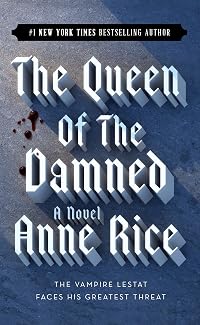
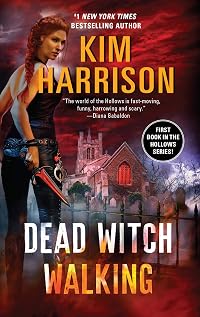
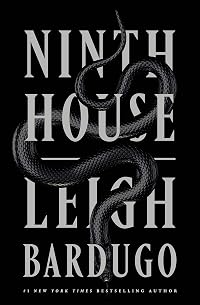
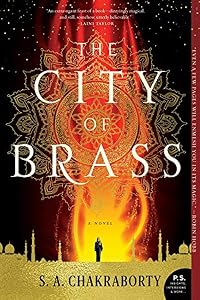
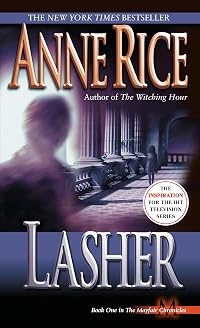
caimanjosh For many years I've been searching for the true heir to Brian Lumley and his tales of insanely powerful, truly evil vampires, opposed by heroes with special powers. It seems I've finally found it with Empire of the Vampire. Lumley's work starts properly with Necroscope, but Blood Brothers is a more fantasy take on this topic than his earlier works, with everything here set in a parallel Earth. Kristoff is certainly the more literary writer, but fans of Empire of the Vampire will likely find much to like in Lumley's work.
Member Reviews
I already knew that I was going to love Jay Kristoff’s take on vampires. After all, I adore anything Mr. Kristoff writes, and vampires have had my heart since I was eight years old. Still, Empire of the Vampire not just exceeded my already high expectations. It blew them out of the water. If you could call a book perfection, then Empire of the Vampire is indeed perfection.
Anyone who has ever read anything penned by Mr. Kristoff knows that no character is safe under his hands. He has made a name for himself for putting his characters and his readers through the deepest, darkest levels of hell. There is a reason he has a mug that says “Tears of My Readers” after all. In Empire of the Vampire, it feels like all of his previous novels show more were nothing but warmups to the levels of violence and torture he inflicts on Gabriel de Leon and his readers. I saw one reader joke about making a drinking game out of the number of times someone stabs Gabe, with Mr. Kristoff himself replying that it would result in alcohol poisoning. The amount of blood that all of the characters shed throughout the book is staggering, but there is a purpose to it all. The violence helps shape the world in which Gabe lives, detailing the dangers in ways that mere descriptions could never hope to achieve.
At 752 pages, Empire of the Vampire is not a fast read, but therein lies some of its magic. The world-building is spectacular simply because Mr. Kristoff takes the time to do so. Nothing he writes is without purpose though, so any exposition is necessary and totally worth it. Mr. Kristoff’s world is so complete it is essentially real.
For all the betrayal and violence, Empire of the Vampire is one of the saddest, most gut-wrenching books I have ever read. The tender moments in between all the violence are what truly capture the reader’s heart. There are moments that are breathtaking in the love they capture. Gabe describing Astrid’s smiles, their stolen moments. Gabe’s interactions with Dior. These are the moments of hope within this story of violence and death and are also the moments when we see Gabe’s true essence.
Long-time readers will know it takes a lot for me to cry while reading. Books often trigger many emotions within me, but such utter desolation that tears require is rarely one of those emotions. Yet, Empire of the Vampire made me sob for the last few chapters. I cried so hard that my husband came into the room to check on me. This is more proof of the perfection that is Empire of the Vampire. show less
Anyone who has ever read anything penned by Mr. Kristoff knows that no character is safe under his hands. He has made a name for himself for putting his characters and his readers through the deepest, darkest levels of hell. There is a reason he has a mug that says “Tears of My Readers” after all. In Empire of the Vampire, it feels like all of his previous novels show more were nothing but warmups to the levels of violence and torture he inflicts on Gabriel de Leon and his readers. I saw one reader joke about making a drinking game out of the number of times someone stabs Gabe, with Mr. Kristoff himself replying that it would result in alcohol poisoning. The amount of blood that all of the characters shed throughout the book is staggering, but there is a purpose to it all. The violence helps shape the world in which Gabe lives, detailing the dangers in ways that mere descriptions could never hope to achieve.
At 752 pages, Empire of the Vampire is not a fast read, but therein lies some of its magic. The world-building is spectacular simply because Mr. Kristoff takes the time to do so. Nothing he writes is without purpose though, so any exposition is necessary and totally worth it. Mr. Kristoff’s world is so complete it is essentially real.
For all the betrayal and violence, Empire of the Vampire is one of the saddest, most gut-wrenching books I have ever read. The tender moments in between all the violence are what truly capture the reader’s heart. There are moments that are breathtaking in the love they capture. Gabe describing Astrid’s smiles, their stolen moments. Gabe’s interactions with Dior. These are the moments of hope within this story of violence and death and are also the moments when we see Gabe’s true essence.
Long-time readers will know it takes a lot for me to cry while reading. Books often trigger many emotions within me, but such utter desolation that tears require is rarely one of those emotions. Yet, Empire of the Vampire made me sob for the last few chapters. I cried so hard that my husband came into the room to check on me. This is more proof of the perfection that is Empire of the Vampire. show less
Spoilers maybe included
I have never been a fan of the style this book is written in. Reminiscent of Interview with the Vampire by Anne Rice, the story told by the reluctant hero is given as a history. As Gabriel de’Leon (a hunter of the vampires) tells his life’s story the book jumps between the past and back to the present where de’Leon, is being held and interviewed by a vampire for the “Empress”. At first I found it difficult to determine who is the hero (de’ Leon is the narrator), and who was the villain. But as I read on, I became intrigued and found myself eagerly awaiting the next part of de’ Leon’s story. De’ Leon is indeed a shattered and reluctant hero with plenty of faults, but Jay Kristoff masterfully show more weaves his story and as you read, you find yourself understanding how de’Leon has become who he is. This is a massive tome (744 pages) and interspersed throughout are drawings depicting scenes. Fans of graphic novels will be more appreciative of them then I am, but they do add to the emotional aspect of this story. At times I was overwhelmed by the amount of blood and gore, but found myself drawn back to the book, to ‘read just a few more chapters!’ This is the first book by Kristoff I have read and I will definitely read more! And I am eagerly awaiting the next book in this story. My only question is why does the hero have to be so young…when he starts on his life path! show less
I have never been a fan of the style this book is written in. Reminiscent of Interview with the Vampire by Anne Rice, the story told by the reluctant hero is given as a history. As Gabriel de’Leon (a hunter of the vampires) tells his life’s story the book jumps between the past and back to the present where de’Leon, is being held and interviewed by a vampire for the “Empress”. At first I found it difficult to determine who is the hero (de’ Leon is the narrator), and who was the villain. But as I read on, I became intrigued and found myself eagerly awaiting the next part of de’ Leon’s story. De’ Leon is indeed a shattered and reluctant hero with plenty of faults, but Jay Kristoff masterfully show more weaves his story and as you read, you find yourself understanding how de’Leon has become who he is. This is a massive tome (744 pages) and interspersed throughout are drawings depicting scenes. Fans of graphic novels will be more appreciative of them then I am, but they do add to the emotional aspect of this story. At times I was overwhelmed by the amount of blood and gore, but found myself drawn back to the book, to ‘read just a few more chapters!’ This is the first book by Kristoff I have read and I will definitely read more! And I am eagerly awaiting the next book in this story. My only question is why does the hero have to be so young…when he starts on his life path! show less
Throwing in the towel @ 12%. I read for enjoyment, and as much as I liked the writing here, I believe in ‘content over form.’ The content of these eighty-odd pages frustrated me to no end.
I’m not entirely sure if Empire of the Vampire is a nod towards Rice’s The Vampire Chronicles, or some kind of replica with urban-fantasy accretions, but their resemblance is impossible to ignore. Starting with the narration style — a monologue, or rather an interview, that’s startlingly reminiscent of Louis’s account in the Interview with the Vampire. However, while the Interview… had a certain je ne sais quoi (and New Orleans), this was just dull and repetitive. Same old same old vampire/vampire hunter tropes, superimposed on a world show more that’s seemingly ruled by religion. Sounds like fun? Yeah, I don’t think so.
The parallels between this ‘fictional’ religion and orthodox christianity were so strong here the two were practically one and the same. The angels, the saints, the martyrs, the almighty, the redeemer, his mother… Okay, so the author changed a few names and replaced a cross with a wheel (“the […] wheel the Redeemer had been flayed upon, and that now graced the necks of every priest and holy sister in the realm.”), but in my case, I didn’t even see those minor differences, and focused entirely on the similarities.
“[…] they flayed him […] hung him from a chariot wheel and scoured him with fire, then cut his throat and cast him into the waters. He could have called on his Almighty Father to save him. Instead, he accepted his fate, knowing it would be the catalyst that united this Church and spread his word […]” — the same method was later used to perform a church-condoned, public human sacrifice (minus the flaying and burning).
Also, this: “[…] sodomy is a deadly sin […]” — a propos of nothing. The world created by Kristoff is already so damn hateful, and he adds that to the mix? Where there’s not one non-heterosexual male in sight here! I’d expected some kind of moral conflict, even some religious overtones (it’s a book about vampires, after all, so that’s only natural), but this is just too much. It reads like a memoir of a (non-celibate) monk, with some supernatural elements.
Okay, back to the similarities between this and Rice’s Chronicles. I’ve had the dubious pleasure of reading exactly two blood-drinking oral sex scenes in my life (two too many if you ask me, but maybe the participants just weren’t to my taste); one in the admittedly horrendous fifth book of the Chronicles, and one here. Completely redundant, both of them, unless the authors were going for shock value, which I think was the case here.
As an aside, the MC is rude, and an asshole, but is he an asshole I’d eventually grow to like? We’ll never know. This was my first Kristoff, and I liked his writing… But I don’t think I’ll touch any of his work for some time after this, if ever. show less
I’m not entirely sure if Empire of the Vampire is a nod towards Rice’s The Vampire Chronicles, or some kind of replica with urban-fantasy accretions, but their resemblance is impossible to ignore. Starting with the narration style — a monologue, or rather an interview, that’s startlingly reminiscent of Louis’s account in the Interview with the Vampire. However, while the Interview… had a certain je ne sais quoi (and New Orleans), this was just dull and repetitive. Same old same old vampire/vampire hunter tropes, superimposed on a world show more that’s seemingly ruled by religion. Sounds like fun? Yeah, I don’t think so.
The parallels between this ‘fictional’ religion and orthodox christianity were so strong here the two were practically one and the same. The angels, the saints, the martyrs, the almighty, the redeemer, his mother… Okay, so the author changed a few names and replaced a cross with a wheel (“the […] wheel the Redeemer had been flayed upon, and that now graced the necks of every priest and holy sister in the realm.”), but in my case, I didn’t even see those minor differences, and focused entirely on the similarities.
“[…] they flayed him […] hung him from a chariot wheel and scoured him with fire, then cut his throat and cast him into the waters. He could have called on his Almighty Father to save him. Instead, he accepted his fate, knowing it would be the catalyst that united this Church and spread his word […]” — the same method was later used to perform a church-condoned, public human sacrifice (minus the flaying and burning).
Also, this: “[…] sodomy is a deadly sin […]” — a propos of nothing. The world created by Kristoff is already so damn hateful, and he adds that to the mix? Where there’s not one non-heterosexual male in sight here! I’d expected some kind of moral conflict, even some religious overtones (it’s a book about vampires, after all, so that’s only natural), but this is just too much. It reads like a memoir of a (non-celibate) monk, with some supernatural elements.
Okay, back to the similarities between this and Rice’s Chronicles. I’ve had the dubious pleasure of reading exactly two blood-drinking oral sex scenes in my life (two too many if you ask me, but maybe the participants just weren’t to my taste); one in the admittedly horrendous fifth book of the Chronicles, and one here. Completely redundant, both of them, unless the authors were going for shock value, which I think was the case here.
As an aside, the MC is rude, and an asshole, but is he an asshole I’d eventually grow to like? We’ll never know. This was my first Kristoff, and I liked his writing… But I don’t think I’ll touch any of his work for some time after this, if ever. show less
Always a fan of the dense worlds Kristoff creates, and this one does not disappoint. Let's start by voicing appreciation for the parallelism between the One Faith religion in this trilogy to modern Christianity/Catholicism, the dialogue pointing out the strength and hypocrisy in both and helping the reader feel a kinship with the characters through similar hopes and misgivings in their own faith structure. The book boasts beautiful illustrations that highlights pivotal moments in the best way possible. It is one large story within a story with the main character telling his path of misfortune. It's a literary device I often like in shorter episodes, but admittedly took a while for me to appreciate in this construction otherwise it would show more be rated higher stars. A friend had recommended the book as her favorite read of the year and, despite my initial disfavor of the frame story format, I can understand why - it has battles, betrayals and banter aplenty. So glad book 2 is already on my shelf! show less
I like a good vampire story, same for dark fantasy, or almost any fantasy for that matter, and because it appeared to be a mashup of a couple of genres I read, Jay Kristoff’s EMPIRE OF THE VAMPIRE ended up under my Christmas tree last year. It also helped that the book came highly recommended by some people whose opinions I value. And I am not afraid of a lengthy tome, as this book comes in at more than 700 pages (for my paperback). It certainly could have been edited down to quite a few pages less, but like many fantasy writers, Kristoff does like to build his world extensively.
One definite thing about EMPIRE OF THE VAMPIRE is that it literally puts the “dark” in dark fantasy, as it is set in a European medieval style society show more where there has not been a sunrise in 27 years, as the direct daylight has been blocked by a permanent cloud cover, the reason why is only speculated at, but many believe is supernatural in origin, and thus requiring a supernatural salvation. In this world, vampires are free to go about uninhibited by nature, and are waging a war against humanity, one that the latter is slowly losing. The main character is Gabriel de Leon, a silversaint, making him a member of a holy brotherhood dedicated to fighting the blood suckers. These silversaints are recruited from the offspring of vampire fathers and human women, and possess some of the traits of the former, including a desire for mortal blood. Give Kristoff credit for tweaking the vampire myth in a way that adds something to his story. The book is told through two parallel stories, one through the eyes of a teenage Gabriel as he enters the brotherhood as a novice and has to prove himself to some very tough mentors, while also meeting Astrid, who will be the love of his life, this despite a rule against silversaints marrying and carrying on their cursed bloodline. The second story is told by an older Gabriel, who has been kicked out of the order for getting Astrid pregnant and then marrying her, as he seeks to protect a character named Dior, who just might be the Holy Grail that will end the permanent twilight. Kristoff borrows from Anne Rice here, in that the story is framed by Gabriel as he tells both tales to Jean-Francois Chastain, a vampire historian after Gabriel has been taken prisoner.
I liked this book a lot, as I am a sucker (pun intended) for a good vampire story, and though I pointed out that Kristoff is wordy in his world building, he does a good job of it. There is a lot of cut and paste from medieval history and other fantasy novels, but it feels pretty seamless. The land where most of the action takes place in is clearly modeled on France (a lot of French names and terms are used), and there is a state religion modeled very closely on Christianity. Kristoff liberally borrows a lot of fantasy tropes, including the young novice who must endure a lot of rough treatment from his mentors and a bullying fellow novice as well (shades of Harry Potter), and a forbidden library filled with ancient books and scrolls where knowledge vital to the hero’s origin might be found. There is a mystery in the main character’s background: who is the vampire that fathered Gabriel? Throw in a couple of plot twists and a Big Reveal or two and you have a story. Kristoff makes his vampires very menacing, something essential to making this kind of horror novel work. Danton Voss and his sister, Laure, are monsters right out of a great nightmare, and their father, Fabien, is even worse. His appearance in the book, which constitutes a major scene, is a master class in horror writing. My favorite part of the story is when a young Gabriel has to gather a makeshift army of nuns, monks, and blacksmiths to throw back an invading vampire army coming through an unguarded mountain pass. It’s another fantasy trope, but done very well.
A number of reviewers online have taken Kristoff to task for his language and for what they consider to be his misogyny toward his female characters. I think some of them are being way overly sensitive, while others just have an agenda against certain types of storytelling, mainly having to do with the “male gaze.” They are certainly entitled to their opinion, but I think Kristoff was trying to create a gritty and down and dirty world modeled very closely on medieval history much in the manner of George R.R. Martin and his GAME OF THRONES. And in that real world, as in the fantasy one, women, to put it mildly, often did not get treated well. As it is, EMPIRE OF THE VAMPIRE may not be everyone’s cup of tea, but also, that is how it should be. This fantasy and horror fan certainly enjoyed it, and because it is the first book in a trilogy, I am looking forward to finishing the series. show less
One definite thing about EMPIRE OF THE VAMPIRE is that it literally puts the “dark” in dark fantasy, as it is set in a European medieval style society show more where there has not been a sunrise in 27 years, as the direct daylight has been blocked by a permanent cloud cover, the reason why is only speculated at, but many believe is supernatural in origin, and thus requiring a supernatural salvation. In this world, vampires are free to go about uninhibited by nature, and are waging a war against humanity, one that the latter is slowly losing. The main character is Gabriel de Leon, a silversaint, making him a member of a holy brotherhood dedicated to fighting the blood suckers. These silversaints are recruited from the offspring of vampire fathers and human women, and possess some of the traits of the former, including a desire for mortal blood. Give Kristoff credit for tweaking the vampire myth in a way that adds something to his story. The book is told through two parallel stories, one through the eyes of a teenage Gabriel as he enters the brotherhood as a novice and has to prove himself to some very tough mentors, while also meeting Astrid, who will be the love of his life, this despite a rule against silversaints marrying and carrying on their cursed bloodline. The second story is told by an older Gabriel, who has been kicked out of the order for getting Astrid pregnant and then marrying her, as he seeks to protect a character named Dior, who just might be the Holy Grail that will end the permanent twilight. Kristoff borrows from Anne Rice here, in that the story is framed by Gabriel as he tells both tales to Jean-Francois Chastain, a vampire historian after Gabriel has been taken prisoner.
I liked this book a lot, as I am a sucker (pun intended) for a good vampire story, and though I pointed out that Kristoff is wordy in his world building, he does a good job of it. There is a lot of cut and paste from medieval history and other fantasy novels, but it feels pretty seamless. The land where most of the action takes place in is clearly modeled on France (a lot of French names and terms are used), and there is a state religion modeled very closely on Christianity. Kristoff liberally borrows a lot of fantasy tropes, including the young novice who must endure a lot of rough treatment from his mentors and a bullying fellow novice as well (shades of Harry Potter), and a forbidden library filled with ancient books and scrolls where knowledge vital to the hero’s origin might be found. There is a mystery in the main character’s background: who is the vampire that fathered Gabriel? Throw in a couple of plot twists and a Big Reveal or two and you have a story. Kristoff makes his vampires very menacing, something essential to making this kind of horror novel work. Danton Voss and his sister, Laure, are monsters right out of a great nightmare, and their father, Fabien, is even worse. His appearance in the book, which constitutes a major scene, is a master class in horror writing. My favorite part of the story is when a young Gabriel has to gather a makeshift army of nuns, monks, and blacksmiths to throw back an invading vampire army coming through an unguarded mountain pass. It’s another fantasy trope, but done very well.
A number of reviewers online have taken Kristoff to task for his language and for what they consider to be his misogyny toward his female characters. I think some of them are being way overly sensitive, while others just have an agenda against certain types of storytelling, mainly having to do with the “male gaze.” They are certainly entitled to their opinion, but I think Kristoff was trying to create a gritty and down and dirty world modeled very closely on medieval history much in the manner of George R.R. Martin and his GAME OF THRONES. And in that real world, as in the fantasy one, women, to put it mildly, often did not get treated well. As it is, EMPIRE OF THE VAMPIRE may not be everyone’s cup of tea, but also, that is how it should be. This fantasy and horror fan certainly enjoyed it, and because it is the first book in a trilogy, I am looking forward to finishing the series. show less
Empire of the Vampire ♦ Jay Kristoff | Review
With Empire of the Vampire begins Jay Kristoff's new epic dark fantasy series of the same name. If you have read the book, you will most likely agree with the following words. If you still have it before you, then take my words to heart.
For this tome, at over 700 pages, you should stop your real world before boarding the fantasy train. Because from then on, it’s time to buckle up for an emotional roller coaster ride into a gothic bloodbath!
Empire of the Vampire ♦ Jay Kristoff
Opinion
I had no idea that this book would take me to the point of obsession. Right at the start I have to make it clear that I love every line, every paragraph, every page of a chapter. I have picked up the English show more edition to be able to experience the depth of the book again in the original. Unfortunately, this did not lessen my longing for the second volume.
After Dracula, this book will probably finally knock Interview with a Vampire into third place on my list of favorite vampire books. Empire of the Vampire packs a punch. It’s round, it’s exciting, it has depth, emotions, and characters that completely absorb you. The world building is enchanting. But first things first.
The Plot
The story takes up the legend of the Holy Grail and the myth of the vampires, interweaving them so strongly that this completely original and bloody path can only be contested together. It’s dark, brutal and at times profane. During the entire reading, I had an oppressive, sometimes overwhelming feeling on my chest.
From page one, I was transported into a paranormal, apocalyptic world filled with vampires and fearless heroes. Before me was revealed a cruel spectacle of evil coupled with terrible vows, endless death, and a sinful love. I had to face a deep loss that truly brought tears to my eyes. I met a fate as immovable as the Great Wall of China and a prophecy that shook the very foundations of this fictional world. This book will not let go of me for a long time.
I don’t want to go into the plot any further here. The blurb of the book is sufficient, anything else would escalate into spoilers and I just want to refrain from that.
The Characters
The characters, from the protagonist to the smallest supporting character, are simply fascinating. It is completely irrelevant whether I loved or despised them. Normally, in my experience, it usually takes until the last book in a trilogy for all the characters to fully develop. But Jay Kristoff has done a balancing act here, which I admire. The development of his characters, especially the protagonist Gabriel de Léon, are almost perfection. The author led me brilliantly through various phases of the main character’s life, and really every step was coherent.
The Setting
The world of Elidaen is described in such detail that it almost seems authentic, and the cogs of the head cinema (German phrase) run on heavy rotation. It’s the kind of world that just couldn’t let go of me, and I can’t wait for the sequel. Jay Kristoff didn’t incorporate much that was new into his vampire myth. Rather, he only worked out the legends of these paranormal beings, which are already known to us, and divided them into different, so-called blood clans. The affiliation also determines the supernatural abilities and how they try to make Elidaen their own.
Also, the event of sudden darkness, also known as the Daysdeath, intertwines masterfully with the setting and imbues the scene with a chilling atmosphere. The world building is to die for.
The Writing Style
I’ve already pointed out many positive aspects of the book, but the writing style is the icing on the cake. It takes the book to a new level in the high fantasy genre and makes the story stand out noticeably. Although the partly obscene way of expression comes across as unrestrained, it is absolutely concise for this book. Because the language is very harsh in many places, but also poetic.
In addition to the fabulous writing style, I also encountered dozens of dark, painterly illustrations by Bon Orthwick, which impressively represent the soul of the book.
Conclusion
At first glance, the book might just drip with contempt. But upon closer inspection, I found myself in a story that carries trust in friends and an unshakable belief in humanity. A story that is less close to a fictional narrative and more like a biography. When the second part will be published, there will be no stopping me.
This review was first published at The Art of Reading. show less
With Empire of the Vampire begins Jay Kristoff's new epic dark fantasy series of the same name. If you have read the book, you will most likely agree with the following words. If you still have it before you, then take my words to heart.
For this tome, at over 700 pages, you should stop your real world before boarding the fantasy train. Because from then on, it’s time to buckle up for an emotional roller coaster ride into a gothic bloodbath!
Empire of the Vampire ♦ Jay Kristoff
Opinion
I had no idea that this book would take me to the point of obsession. Right at the start I have to make it clear that I love every line, every paragraph, every page of a chapter. I have picked up the English show more edition to be able to experience the depth of the book again in the original. Unfortunately, this did not lessen my longing for the second volume.
After Dracula, this book will probably finally knock Interview with a Vampire into third place on my list of favorite vampire books. Empire of the Vampire packs a punch. It’s round, it’s exciting, it has depth, emotions, and characters that completely absorb you. The world building is enchanting. But first things first.
The Plot
The story takes up the legend of the Holy Grail and the myth of the vampires, interweaving them so strongly that this completely original and bloody path can only be contested together. It’s dark, brutal and at times profane. During the entire reading, I had an oppressive, sometimes overwhelming feeling on my chest.
From page one, I was transported into a paranormal, apocalyptic world filled with vampires and fearless heroes. Before me was revealed a cruel spectacle of evil coupled with terrible vows, endless death, and a sinful love. I had to face a deep loss that truly brought tears to my eyes. I met a fate as immovable as the Great Wall of China and a prophecy that shook the very foundations of this fictional world. This book will not let go of me for a long time.
I don’t want to go into the plot any further here. The blurb of the book is sufficient, anything else would escalate into spoilers and I just want to refrain from that.
The Characters
The characters, from the protagonist to the smallest supporting character, are simply fascinating. It is completely irrelevant whether I loved or despised them. Normally, in my experience, it usually takes until the last book in a trilogy for all the characters to fully develop. But Jay Kristoff has done a balancing act here, which I admire. The development of his characters, especially the protagonist Gabriel de Léon, are almost perfection. The author led me brilliantly through various phases of the main character’s life, and really every step was coherent.
The Setting
The world of Elidaen is described in such detail that it almost seems authentic, and the cogs of the head cinema (German phrase) run on heavy rotation. It’s the kind of world that just couldn’t let go of me, and I can’t wait for the sequel. Jay Kristoff didn’t incorporate much that was new into his vampire myth. Rather, he only worked out the legends of these paranormal beings, which are already known to us, and divided them into different, so-called blood clans. The affiliation also determines the supernatural abilities and how they try to make Elidaen their own.
Also, the event of sudden darkness, also known as the Daysdeath, intertwines masterfully with the setting and imbues the scene with a chilling atmosphere. The world building is to die for.
The Writing Style
I’ve already pointed out many positive aspects of the book, but the writing style is the icing on the cake. It takes the book to a new level in the high fantasy genre and makes the story stand out noticeably. Although the partly obscene way of expression comes across as unrestrained, it is absolutely concise for this book. Because the language is very harsh in many places, but also poetic.
In addition to the fabulous writing style, I also encountered dozens of dark, painterly illustrations by Bon Orthwick, which impressively represent the soul of the book.
Conclusion
At first glance, the book might just drip with contempt. But upon closer inspection, I found myself in a story that carries trust in friends and an unshakable belief in humanity. A story that is less close to a fictional narrative and more like a biography. When the second part will be published, there will be no stopping me.
This review was first published at The Art of Reading. show less
A Tale of Blood and Darkness ♦ Jay Kristoff | Rezension
Mit A Tale of Blood and Darkness beginnt die neue epische Fantasy – Reihe Das Reich der Vampire aus der Feder von Jay Kristoff. Hast du das Buch gelesen, dann wirst du den folgenden Worten sehr wahrscheinlich zustimmen. Hast du es noch vor dir, dann nehme dir meine Worte zu Herzen.
Für diesen Wälzer, mit über 1.000 Seiten, solltest du deine wirkliche Welt anhalten, bevor du den Fantasy – Zug besteigst. Denn ab dann heißt es Anschnallen für eine emotionale Achterbahnfahrt in ein gotisches Blutbad!
A Tale of Blood and Darkness ♦ Jay Kristoff
Meinung
Ich hätte nicht im Entferntesten daran gedacht, dass mich dieses Buch so gefangen nehmen wird, dass ich schon fast von show more Besessenheit sprechen könnte. Gleich zu Beginn muss ich klarstellen, dass ich jede Zeile, jeden Abschnitt, jede Seite eines Kapitels liebe. Ich werde wohl auch sehr bald die englische Ausgabe zur Hand nehmen, um die Tiefe des Buches noch einmal im Original erleben zu können. Dies wird meine Sehnsucht auf den zweiten Band nur leider nicht mindern.
Nach Dracula wird dieses Buch nun wohl endgültig Interview mit einem Vampir vom zweiten Platz meiner liebsten Vampirbücher stoßen. A Tale of Blood and Darkness hat es in sich. Es ist rund, es ist spannend, es besitzt Tiefe, Emotionen und Charaktere, die einen vollkommen einnehmen. Das Worldbuilding verzaubert. Aber alles der Reihe nach.
Die Handlung
Die Geschichte nimmt die Legende des Heiligen Grals und den Mythos der Vampire auf, verwebt beide so stark miteinander, dass dieser völlig originelle und blutige Weg nur gemeinsam bestritten werden kann. Es ist düster, brutal und stellenweise profan. Während der gesamte Lesedauer hatte ich ein bedrückendes, teils erdrückendes Gefühl auf meiner Brust.
Von Seite eins an wurde ich in eine paranormale, apokalyptische Welt voller Vampire und unerschrockener Helden entführt. Vor mir offenbarte sich ein grausames Spektakel des Bösen, gepaart mit schrecklichen Gelübden, unendlich viel Tod, einer sündigen Liebe. Ich musste einem tiefen Verlust in die Augen sehen, der mich wahrhaftig zu Tränen rührte. Ich traf auf ein Schicksal, so unverrückbar, wie die Chinesische Mauer und eine Prophezeiung, welche die Grundfesten dieser fiktiven Welt ins Wanken brachte. Dieses Buch wird mich lange nicht loslassen.
Ich möchte hier nicht weiter auf die Handlung eingehen. Der Klappentext des Buches ist ausreichend, alles andere würde in Spoiler eskalieren und davon möchte ich einfach Abstand nehmen.
Die Charaktere
Die Charaktere, vom Protagonisten bis hin zur kleinsten Nebenfigur, sind einfach faszinierend. Dabei ist es völlig irrelevant, ob ich sie geliebt oder verachtet habe. Normalerweise braucht es, meiner Erfahrung nach, bei einer Trilogie meist bis zum letzten Band, bis sich alle Charaktere voll entwickelt haben. Doch Jay Kristoff hat hier einen Spagat hingelegt, den ich bewundere. Die Entwicklung seiner Figuren, besonders des Protagonisten Gabriel de Léon, sind schon fast Perfektion. Grandios führte mich der Autor durch diverse Lebensabschnitte der Hauptfigur und wirklich jeder Schritt war stimmig.
Das Setting
Die Welt von Elidaen ist so detailreich beschrieben, dass es fast authentisch wirkt und die Zahnräder des Kopfkinos auf Heavy Rotation laufen. Es ist die Art von Welt, die mich einfach nicht mehr losgelassen hat und ich die Fortsetzung nur schwer abwarten kann. Jay Kristoff hat in seinen Vampirmythos nicht viel Neues verarbeitet. Vielmehr hat er die uns bereits bekannte Legendenbildung dieser paranormalen Wesen nur ein wenig ausgearbeitet und sie in verschiedene, sogenannte Blutsippen unterteilt. Die Zugehörigkeit bestimmt auch über die übernatürlichen Fähigkeiten und wie sie sich Elidaen versuchen zu Eigen zu machen.
Auch das Ereignis der plötzlich auftretenden Dunkelheit, auch bekannt als der Tagestod, verflechtet sich meisterlich mit dem Schauplatz und drückt der Szenerie eine schaurige Atmosphäre auf. Das Worldbuilding ist zum Sterben schön.
Der Schreibstil
Ich habe bereits viele positive Aspekte des Buches aufgezeigt, doch der Schreibstil ist das i-Tüpfelchen. Es hebt das Buch auf eine neues Level im High Fantasy – Genre und lässt die Geschichte merklich herausstechen. Obwohl die teils obszöne Ausdrucksweise hemmungslos daherkommt, ist es für dieses Buch einfach absolut prägnant. Denn die Sprache ist an vielen Stellen zwar sehr schroff, aber auch poetisch.
Neben dem sagenhaften Schreibstil traf ich auch auf dutzende, malerisch düstere Illustrationen von Bon Orthwick, welche die Seele des Buches eindrucksvoll darstellen.
Fazit
★★★★★
Im ersten Moment mag das Buch nur so vor Verachtung triefen. Doch beim genaueren Hinsehen, fand ich mich in einer Geschichte wieder, welche das Vertrauen in Freunde und einen unverrückbaren Glauben in die Menschheit trägt. Eine Geschichte, welche weniger einer fiktionalen Erzählung nahe kommt, sondern eher einer Biografie ähnelt. Komme der zweite Teil, wird es für mich kein Halten geben.
A Tale of Blood and Darkness ist mein ungeschlagenes Jahreshighlight.
This review was first published at The Art of Reading (also in English). show less
Mit A Tale of Blood and Darkness beginnt die neue epische Fantasy – Reihe Das Reich der Vampire aus der Feder von Jay Kristoff. Hast du das Buch gelesen, dann wirst du den folgenden Worten sehr wahrscheinlich zustimmen. Hast du es noch vor dir, dann nehme dir meine Worte zu Herzen.
Für diesen Wälzer, mit über 1.000 Seiten, solltest du deine wirkliche Welt anhalten, bevor du den Fantasy – Zug besteigst. Denn ab dann heißt es Anschnallen für eine emotionale Achterbahnfahrt in ein gotisches Blutbad!
A Tale of Blood and Darkness ♦ Jay Kristoff
Meinung
Ich hätte nicht im Entferntesten daran gedacht, dass mich dieses Buch so gefangen nehmen wird, dass ich schon fast von show more Besessenheit sprechen könnte. Gleich zu Beginn muss ich klarstellen, dass ich jede Zeile, jeden Abschnitt, jede Seite eines Kapitels liebe. Ich werde wohl auch sehr bald die englische Ausgabe zur Hand nehmen, um die Tiefe des Buches noch einmal im Original erleben zu können. Dies wird meine Sehnsucht auf den zweiten Band nur leider nicht mindern.
Nach Dracula wird dieses Buch nun wohl endgültig Interview mit einem Vampir vom zweiten Platz meiner liebsten Vampirbücher stoßen. A Tale of Blood and Darkness hat es in sich. Es ist rund, es ist spannend, es besitzt Tiefe, Emotionen und Charaktere, die einen vollkommen einnehmen. Das Worldbuilding verzaubert. Aber alles der Reihe nach.
»Fragt mich nicht, ob Gott existiert, fragt mich lieber, wieso er so ein Arschloch ist.«
Die Handlung
Die Geschichte nimmt die Legende des Heiligen Grals und den Mythos der Vampire auf, verwebt beide so stark miteinander, dass dieser völlig originelle und blutige Weg nur gemeinsam bestritten werden kann. Es ist düster, brutal und stellenweise profan. Während der gesamte Lesedauer hatte ich ein bedrückendes, teils erdrückendes Gefühl auf meiner Brust.
Von Seite eins an wurde ich in eine paranormale, apokalyptische Welt voller Vampire und unerschrockener Helden entführt. Vor mir offenbarte sich ein grausames Spektakel des Bösen, gepaart mit schrecklichen Gelübden, unendlich viel Tod, einer sündigen Liebe. Ich musste einem tiefen Verlust in die Augen sehen, der mich wahrhaftig zu Tränen rührte. Ich traf auf ein Schicksal, so unverrückbar, wie die Chinesische Mauer und eine Prophezeiung, welche die Grundfesten dieser fiktiven Welt ins Wanken brachte. Dieses Buch wird mich lange nicht loslassen.
Ich möchte hier nicht weiter auf die Handlung eingehen. Der Klappentext des Buches ist ausreichend, alles andere würde in Spoiler eskalieren und davon möchte ich einfach Abstand nehmen.
»In Qualen fand ich die Glückseligkeit, im Leid Erlösung.«
Die Charaktere
Die Charaktere, vom Protagonisten bis hin zur kleinsten Nebenfigur, sind einfach faszinierend. Dabei ist es völlig irrelevant, ob ich sie geliebt oder verachtet habe. Normalerweise braucht es, meiner Erfahrung nach, bei einer Trilogie meist bis zum letzten Band, bis sich alle Charaktere voll entwickelt haben. Doch Jay Kristoff hat hier einen Spagat hingelegt, den ich bewundere. Die Entwicklung seiner Figuren, besonders des Protagonisten Gabriel de Léon, sind schon fast Perfektion. Grandios führte mich der Autor durch diverse Lebensabschnitte der Hauptfigur und wirklich jeder Schritt war stimmig.
Das Setting
Die Welt von Elidaen ist so detailreich beschrieben, dass es fast authentisch wirkt und die Zahnräder des Kopfkinos auf Heavy Rotation laufen. Es ist die Art von Welt, die mich einfach nicht mehr losgelassen hat und ich die Fortsetzung nur schwer abwarten kann. Jay Kristoff hat in seinen Vampirmythos nicht viel Neues verarbeitet. Vielmehr hat er die uns bereits bekannte Legendenbildung dieser paranormalen Wesen nur ein wenig ausgearbeitet und sie in verschiedene, sogenannte Blutsippen unterteilt. Die Zugehörigkeit bestimmt auch über die übernatürlichen Fähigkeiten und wie sie sich Elidaen versuchen zu Eigen zu machen.
Auch das Ereignis der plötzlich auftretenden Dunkelheit, auch bekannt als der Tagestod, verflechtet sich meisterlich mit dem Schauplatz und drückt der Szenerie eine schaurige Atmosphäre auf. Das Worldbuilding ist zum Sterben schön.
Der Schreibstil
Ich habe bereits viele positive Aspekte des Buches aufgezeigt, doch der Schreibstil ist das i-Tüpfelchen. Es hebt das Buch auf eine neues Level im High Fantasy – Genre und lässt die Geschichte merklich herausstechen. Obwohl die teils obszöne Ausdrucksweise hemmungslos daherkommt, ist es für dieses Buch einfach absolut prägnant. Denn die Sprache ist an vielen Stellen zwar sehr schroff, aber auch poetisch.
Neben dem sagenhaften Schreibstil traf ich auch auf dutzende, malerisch düstere Illustrationen von Bon Orthwick, welche die Seele des Buches eindrucksvoll darstellen.
»In der Asche dessen, was ich einmal gewesen war, flammte es auf wie ein Phoenix. Ein Feuer, das lange geschlafen hatte.«
Fazit
★★★★★
Im ersten Moment mag das Buch nur so vor Verachtung triefen. Doch beim genaueren Hinsehen, fand ich mich in einer Geschichte wieder, welche das Vertrauen in Freunde und einen unverrückbaren Glauben in die Menschheit trägt. Eine Geschichte, welche weniger einer fiktionalen Erzählung nahe kommt, sondern eher einer Biografie ähnelt. Komme der zweite Teil, wird es für mich kein Halten geben.
A Tale of Blood and Darkness ist mein ungeschlagenes Jahreshighlight.
»Von seinem Ausguck beobachtete der Königsmörder, wie die Sonne sich von ihrer unverdienten Ruhe erhob, und während er die dünne Knochenpfeife an seine Lippen setzte, erinnerte er sich, wie gut die Hölle schmeckte.«
This review was first published at The Art of Reading (also in English). show less
Members
- Recently Added By
Lists

High Priority
29 works; 1 member

Best Vampire & Werewolf Fiction
221 works; 146 members

Top Five Books of 2024
795 works; 264 members

READ 2025
190 works; 1 member

Recommended - Get back into reading
17 works; 1 member

Eldritch Exarch Press - Appendix N
244 works; 1 member
Author Information

33+ Works 27,642 Members
Jay Kristoff was born in Perth, Australia in 1974. He graduated from college with an Arts degree. His works include the Lotus War trilogy, the Nevernight Chronicle series, and the Lifelike series. He is the co-author of The Illuminae Files Trilogy, which won the 2015 Aurealis Awards Best Science Fiction Novel, the 2016 Australian Book Industry show more Awards Book of the year for older children (8 to 14 years), and the 2016 Gold Inky Award. The Last Stormdancer won the 2014 Aurealis Award for Best Fantasy Short Fiction. His book, Godsgrave, won the 2017 Aurealis Awards for the best Australian fantasy. (Bowker Author Biography) show less
Awards and Honors
Awards
Distinctions
Notable Lists
Series

Work Relationships
Is contained in
Common Knowledge
- Canonical title
- Empire of the Vampire
- Original title
- Empire of the Vampire; Empire of Vampire
- Original publication date
- 2021-09-14
Classifications
Statistics
- Members
- 2,835
- Popularity
- 6,439
- Reviews
- 53
- Rating
- (4.23)
- Languages
- 9 — Czech, English, French, German, Hungarian, Italian, Polish, Spanish, Portuguese (Portugal)
- Media
- Paper, Audiobook, Ebook
- ISBNs
- 34
- ASINs
- 8
