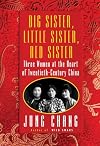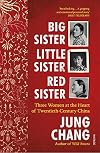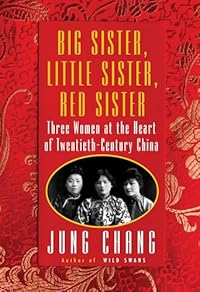
Big Sister, Little Sister, Red Sister: Three Women at the Heart of Twentieth-Century China
by Jung Chang
On This Page
Description
They were the most famous sisters in China. As the country battled through a hundred years of wars, revolutions and seismic transformations, the three Soong sisters from Shanghai were at the center of power, and each of them left an indelible mark on history. Red Sister, Ching-ling, married the "Father of China," Sun Yat-sen, and rose to be Mao's vice-chair. Little Sister, May-ling, became Madame Chiang Kai-shek, first lady of pre-Communist Nationalist China and a major political figure in show more her own right. Big Sister, Ei-ling, became Chiang's unofficial main adviser - and made herself one of China's richest women. All three sisters enjoyed tremendous privilege and glory but also endured constant mortal danger. They showed great courage and experienced passionate love, as well as despair and heartbreak. They remained close emotionally, even when they embraced opposed political camps and Ching-ling dedicated herself to destroying her two sisters' worlds. Big Sister, Little Sister, Red Sister is a gripping story of love, war, intrigue, bravery, glamour and betrayal that takes us on a sweeping journey from Canton to Hawaii to New York, from exiles' quarters in Japan and Berlin to secret meeting rooms in Moscow, and from the compounds of the Communist elite in Beijing to the corridors of power in democratic Taiwan. In a group biography that is by turns intimate and epic, Jung Chang reveals the lives of three extraordinary women who helped shape twentieth-century China. -- show lessTags
Recommendations






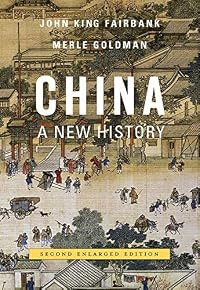
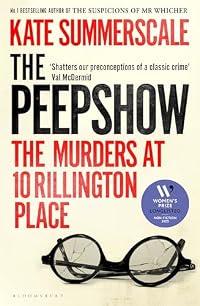
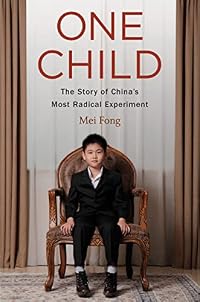
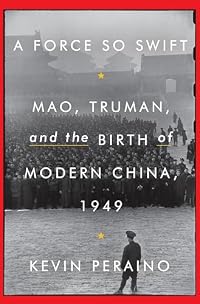

Member Recommendations
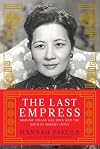
susanbooks Chang leaves all politics out so, for instance when Sun Yat-sen launches a rebellion, she puts it down to a personal fit of pique, rather than a decades-old social movement. This lack of context makes her book melodramatic & soap operatic. Pakula packs in detailed history, gets her chronology straight, educated me on that place/time. Different bios for different audiences/moods
Member Reviews
Author Jung Chang presents us with the intertwining biographies of the Soong sisters as something like stars, a celebrity book. The Chinese history is there but is not always of primary concern. Her generalizations are sometimes sloppy, rushed and the portrayal of Chang Kai-chek, “allowing” the communists to flee to Northwest China to get his son back from Russia, questionable. Because of this, I can not trust all that has been written. All of this does not hide the extraordinary tale of how the sisters though different, sometimes supporting sometimes not, paths were in the center of China's politics.
Quotes: (page 99) “Women's liberation, which had started with Empress Dowager Cixi (heralded by her edict against foot-binding in show more 1902), gathered stunning pace. Within a couple generations, women went from being prisoners in their own homes to appearing in public linking arms with men, and from being kept largely illiterate to enjoying equal educational opportunity. The Soong sisters were the first generation of women to have benefited from the reforms: Ching-ling went to America on a government scholarship and was escorted to America, with other scholarship students and May-ling, by a government delegation. When the students returned to China, in the new republic, their Westernized style was not at all unusual.”
(page 148) “In this period, May-ling stayed with Ei-ling and their mother. While Mrs. Soong gave her moral support, Big Sister provided her with detailed advice. Chiang was immensely grateful to both women, and asked after them practically daily. As always he was deferential to Ei-ling, never failing to address her respectfully as Big Sister, even though he was older than her. When he was told Mrs. Soong was ill, he wanted to know every detail and told May-ling to convey his pledge: 'please rest assured that your son-in-law is carefully following your teaching and behaving responsibly'.
As a gesture of gratitude to Mrs. Soong and Big Sister, after the war was over Chiang was baptized on 23 October 1930, in a ceremony that took place at the Soong home in Shanghai. From then on, he was increasingly influenced by Christianity.”
(page 160) “A month later, Chiang Kai-shek successfully deposed the Beijing government and established his regime in Nanjing. The news ought to have been crushing for Ching-ling, and yet it hardly affected her mood, which was one contentment and serenity. Another, simultaneous blow which might also have been devastating was that her mother seemed to have disowned her. In a letter dated June 1928, she wrote, 'Dear Mother, I have written you so many letter but have no reply. This is another of the 'refused'...'
The envelope, addressed 'Care of Mme Kung' and bearing Berlin and Shanghai postmarks, was returned from Shanghai in July – unopened. Mrs. Soong was immensely distressed by her favorite daughter's embrace of Communism and decision to live as a Red exile – and wanted nothing to do with her. During this period of her anguish, Ei-ling and May-ling grew closer to her than ever, and Big Sister became the linchpin of the family.”
(page 244) “Chiang absolutely refused to go abroad, and vowed to live or die in Taiwan. Almost bluntly, he told May-ling to join him there. ('On which day do you plan to leave for Taiwan?').
Ei-ling advised Little Sister not to go. She would 'protest' whenever May-ling suggested leaving New York. To her, Chiang did not deserve their loyalty for all the outrage he had committed towards their family, in addition to disastrous incompetence.”
book published 2019 show less
Quotes: (page 99) “Women's liberation, which had started with Empress Dowager Cixi (heralded by her edict against foot-binding in show more 1902), gathered stunning pace. Within a couple generations, women went from being prisoners in their own homes to appearing in public linking arms with men, and from being kept largely illiterate to enjoying equal educational opportunity. The Soong sisters were the first generation of women to have benefited from the reforms: Ching-ling went to America on a government scholarship and was escorted to America, with other scholarship students and May-ling, by a government delegation. When the students returned to China, in the new republic, their Westernized style was not at all unusual.”
(page 148) “In this period, May-ling stayed with Ei-ling and their mother. While Mrs. Soong gave her moral support, Big Sister provided her with detailed advice. Chiang was immensely grateful to both women, and asked after them practically daily. As always he was deferential to Ei-ling, never failing to address her respectfully as Big Sister, even though he was older than her. When he was told Mrs. Soong was ill, he wanted to know every detail and told May-ling to convey his pledge: 'please rest assured that your son-in-law is carefully following your teaching and behaving responsibly'.
As a gesture of gratitude to Mrs. Soong and Big Sister, after the war was over Chiang was baptized on 23 October 1930, in a ceremony that took place at the Soong home in Shanghai. From then on, he was increasingly influenced by Christianity.”
(page 160) “A month later, Chiang Kai-shek successfully deposed the Beijing government and established his regime in Nanjing. The news ought to have been crushing for Ching-ling, and yet it hardly affected her mood, which was one contentment and serenity. Another, simultaneous blow which might also have been devastating was that her mother seemed to have disowned her. In a letter dated June 1928, she wrote, 'Dear Mother, I have written you so many letter but have no reply. This is another of the 'refused'...'
The envelope, addressed 'Care of Mme Kung' and bearing Berlin and Shanghai postmarks, was returned from Shanghai in July – unopened. Mrs. Soong was immensely distressed by her favorite daughter's embrace of Communism and decision to live as a Red exile – and wanted nothing to do with her. During this period of her anguish, Ei-ling and May-ling grew closer to her than ever, and Big Sister became the linchpin of the family.”
(page 244) “Chiang absolutely refused to go abroad, and vowed to live or die in Taiwan. Almost bluntly, he told May-ling to join him there. ('On which day do you plan to leave for Taiwan?').
Ei-ling advised Little Sister not to go. She would 'protest' whenever May-ling suggested leaving New York. To her, Chiang did not deserve their loyalty for all the outrage he had committed towards their family, in addition to disastrous incompetence.”
book published 2019 show less
Fascinating depiction of the history of China over the last 150 years through the lives of the 3 Soong sisters. Just the right level of detail to keep it engrossing but not overwhelming for the casual reader.
I've already read Wild Swans: Three Daughters of China by the same author, and I've read about the Soong sisters in Sterling Seagrave's The Soong Dynasty so I decided to give this book a try.
Seagrave published the Soong Dynasty in 1985, and while that book is longer and has more material, Jung Chang published this in 2019, with some information that Seagrave did not have access to. So which book is better?
I suppose that's a matter of personal taste. Seagrave offers a more negative take on the Soong family while Chang is in turns neutral or complimentary. Chang also grew up in China during Mao's regime while Seagrave was a foreigner. Chang's book is also shorter and her writing style may appeal more to certain readers than others. So show more ultimately, I think both books have their good/bad sides.
I get that this is supposed to be a review for Jung Chang's book, but given the content (and context) I feel that a comparison between the two books are necessary. Seagrave also wrote a bio on the infamous Empress Dowager Cixi/Tzu Hsi Dragon Lady: The Life and Legend of the Last Empress of China which I also read and enjoyed. Chang has also written a bio on her, Empress Dowager Cixi: The Concubine Who Launched Modern China but I have not read it so I can not compare these.
If you want a quicker, and more friendly read on the Soong sisters, then check out this book. If you want a thicker, harder read, then go for the Soong Dynasty. Personally I recommend both as a comprehensive reading/history experience on the Soongs.
One thing I can say in definite favor of Chang's book is that it has a nice amount of pictures of the Soong sisters, in comparison to Seagrave's book. This book gets a solid 3.5/5 stars from me. show less
Seagrave published the Soong Dynasty in 1985, and while that book is longer and has more material, Jung Chang published this in 2019, with some information that Seagrave did not have access to. So which book is better?
I suppose that's a matter of personal taste. Seagrave offers a more negative take on the Soong family while Chang is in turns neutral or complimentary. Chang also grew up in China during Mao's regime while Seagrave was a foreigner. Chang's book is also shorter and her writing style may appeal more to certain readers than others. So show more ultimately, I think both books have their good/bad sides.
I get that this is supposed to be a review for Jung Chang's book, but given the content (and context) I feel that a comparison between the two books are necessary. Seagrave also wrote a bio on the infamous Empress Dowager Cixi/Tzu Hsi Dragon Lady: The Life and Legend of the Last Empress of China which I also read and enjoyed. Chang has also written a bio on her, Empress Dowager Cixi: The Concubine Who Launched Modern China but I have not read it so I can not compare these.
If you want a quicker, and more friendly read on the Soong sisters, then check out this book. If you want a thicker, harder read, then go for the Soong Dynasty. Personally I recommend both as a comprehensive reading/history experience on the Soongs.
One thing I can say in definite favor of Chang's book is that it has a nice amount of pictures of the Soong sisters, in comparison to Seagrave's book. This book gets a solid 3.5/5 stars from me. show less
Fascinating, readable and highly accessible history of modern China and story of three womens' lives. I really enjoyed this and look forward to reading more from Jung Chang.
This is a highly readable and entertaining book. Well researched and interpreted, the author shows restraint by presenting an unbiased version of a very complex period in China’s history. Reflecting the political climate, I expect the research material was more accessible for the two ‘western’ sisters. Red Sister was a little harder to get to grips with, and her motivations less understood, perhaps due to limitations with information sources.
Well worth reading.
Well worth reading.
A very good book to read if needing an update on Chinese history. However the story of this family left me completely disinterested. Such horrible people,! Living a very privileged life with no regard for the welfare of their fellow countrymen. All they wanted was power and money. And to think we were taught that Chiang Kai-shek was such a hero......
This covers the biographies of the Soon sisters, one of which married Sun Yat-sen, one who married Chiang Kai-shek, and the eldest who married one of the wealthiest men in China and who, through corruption, built that wealth into an even bigger fortune. The sisters all came from immense privilege, and remained remarkably loyal to each other despite vast differences in their political leanings.
This is a fascinating story of a family who remained at the center of power in China for almost a century.
This is a fascinating story of a family who remained at the center of power in China for almost a century.
Members
- Recently Added By
Lists

All Things China
205 works; 3 members

History: Asia
103 works; 1 member

Club Read's Recommended Nonfiction Written by Women
618 works; 30 members

Books Read in 2024
4,623 works; 126 members
Author Information

18+ Works 13,939 Members
Jung Chang was born in Yibin, Sichuan Province, China, in 1952. She left China for Britain in 1978 and obtained a Ph.D. in linguistics from the University of York in 1982. She is the first person from the People¿s Republic of China to receive a doctorate from a British university. She lives in London with her husband, Jon Halliday, with whom she show more wrote Mao: The Unknown Story. Her non-fiction book, Wild Swans: Three Daughters of China, was a New York Times bestseller in 2014. (Bowker Author Biography) show less
Some Editions
Awards and Honors
Awards
Common Knowledge
- Canonical title*
- 宋氏三姊妹與她們的丈夫:20世紀三位傳奇女子,一部動盪百年的中國現代史
- Original publication date
- 2019
- People/Characters
- T. V. Soong; Sun Yat-sen; Chiang Kai-shek; Ei-long Soong; Ching-ling Soong; May-ling Soong
- Epigraph
- none
- Dedication
- To my mother
- First words
- The best-known modern Chinese 'fairy tale' is the story of three sisters from Shanghai, born in the last years of the nineteenth century.
- Original language
- English
- Canonical DDC/MDS
- 951.050922
- Canonical LCC
- DS776.8
*Some information comes from Common Knowledge in other languages. Click "Edit" for more information.
Classifications
Statistics
- Members
- 317
- Popularity
- 100,477
- Reviews
- 10
- Rating
- (3.78)
- Languages
- 7 — Chinese, traditional, English, French, Italian, Portuguese (Portugal), Spanish, Swedish
- Media
- Paper, Audiobook, Ebook
- ISBNs
- 21
- ASINs
- 7