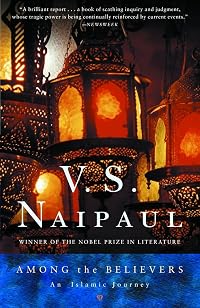
Among the Believers: An Islamic Journey
by V. S. Naipaul
On This Page
Description
The acclaimed novelist-journalist reports on the lives, faith, and renewed sense of importance of the people of Islam, from Iran to Indonesia.Tags
Recommendations

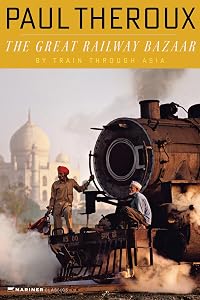
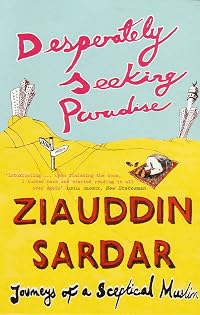

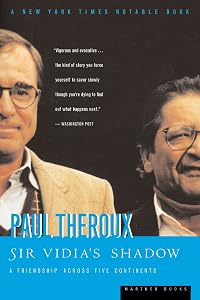
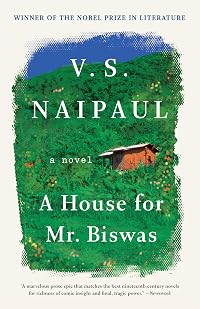










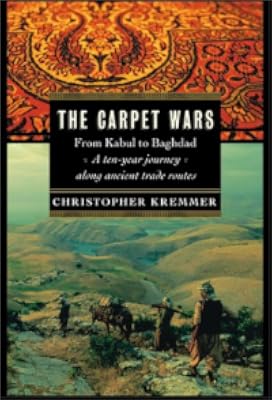

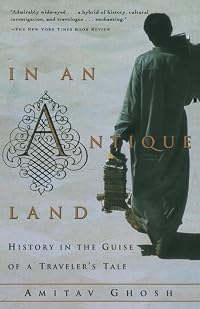

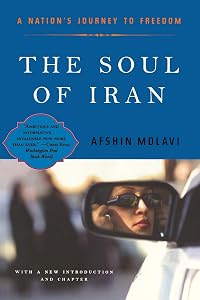
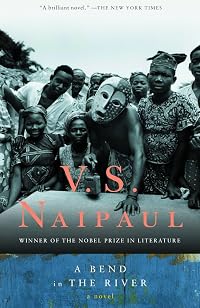








Member Recommendations

mercure Dutch readers may enjoy this late 19th century book about how an Indonesian cannot live up to modern Western standards and convert to Islam.
Member Reviews
The end of the 1970s and the beginning of the 1980s were a turning point for Islam. The revolution which saw Khomeini took power in Iran inspired other countries, some of which would also sink into the same hellish darkness that was such an Islamist theocracy. The world, suddenly, seemed to be waking up to a new religious fanaticism getting more and more support and traction. Women disappeared under burkas, opponents were thrown into jail or publicly stoned to death, citizens wiped in the streets, embassies taken hostages, and, even Mecca itself had to witness a bloodbath within its walls.
V.S. Naipaul knew then next to nothing about Islam. Like many back then, he was completely ignorant of its history and of its theological quarrels. show more Yet, despite his ignorance (or, rather, because of it) he nevertheless wanted to understand, try and grab the reasons why it became more and more important, having such a growing impact into various parts of the world. Between 1979 and 1980, he decided therefore to set upon a seven months journey across four countries where such religion will take major proportions: Iran, Pakistan, Malaysia, and Indonesia.
In a chaotic climate, he made his way from urban centres to more isolated regions, meeting commoners as much as intellectual, political and religious personalities, to discover Islam even in its more totalitarian and barbaric aspects. It was about forty years ago. It all sounds all too familiar even nowadays.
Instructive, the more we progress in the book and the more we witness indeed how such countries are sinking deeper and deeper into hell. A new religious obscurantism is spreading under our eyes, serving political and nationalistic interests, and embodying the hates and frustrations of whole lands going lost. Lucid, it's more than about mere politics, though. Everywhere indeed, it's first of all about Muslims fighting other Muslims, sects of fanatics versus other sects of fanatics and using Islam as a fuel for their own profits. Faith is here more than a religious beliefs; it purport to shape a whole totalitarian mindset aspiring to be the root of whole new identities. Faith, here, is not an abstract concept dealing with the supernatural -it is, on the contrary, a dogma which ought to build a whole new civilisation and culture leaving absolutely no space for critical thinking nor compromise. To travel alongside Naipaul is therefore to have your eyes being open to the dreadful dangers of such a goal, where a fanatic view of a religion is used to try and solve problems which are first and foremost political and economic. This, of course, could only give birth to brutal proselytes, wishing the creation of a society of uncompromising believers to be a new utopia rallying many dispossessed. We know where it has led...
Here's a chilling read, but also a strange odyssey indeed. Naipaul, despite its original ignorance, remains open minded all along. He offers us to see first and foremost a divided Islam, a religion preyed upon by intense and irreconcilable theological disputes, challenging each others for sure but all being nevertheless dangerous Pandora boxes. The blind faith such fanaticisms demanded, the submission of Reason and thought to extreme religious dogma used for political gains was worrying then. We can now see its repercussions, terrible, nowadays.
A necessary read to at least understand one thing: the writing was on the wall long enough. show less
V.S. Naipaul knew then next to nothing about Islam. Like many back then, he was completely ignorant of its history and of its theological quarrels. show more Yet, despite his ignorance (or, rather, because of it) he nevertheless wanted to understand, try and grab the reasons why it became more and more important, having such a growing impact into various parts of the world. Between 1979 and 1980, he decided therefore to set upon a seven months journey across four countries where such religion will take major proportions: Iran, Pakistan, Malaysia, and Indonesia.
In a chaotic climate, he made his way from urban centres to more isolated regions, meeting commoners as much as intellectual, political and religious personalities, to discover Islam even in its more totalitarian and barbaric aspects. It was about forty years ago. It all sounds all too familiar even nowadays.
Instructive, the more we progress in the book and the more we witness indeed how such countries are sinking deeper and deeper into hell. A new religious obscurantism is spreading under our eyes, serving political and nationalistic interests, and embodying the hates and frustrations of whole lands going lost. Lucid, it's more than about mere politics, though. Everywhere indeed, it's first of all about Muslims fighting other Muslims, sects of fanatics versus other sects of fanatics and using Islam as a fuel for their own profits. Faith is here more than a religious beliefs; it purport to shape a whole totalitarian mindset aspiring to be the root of whole new identities. Faith, here, is not an abstract concept dealing with the supernatural -it is, on the contrary, a dogma which ought to build a whole new civilisation and culture leaving absolutely no space for critical thinking nor compromise. To travel alongside Naipaul is therefore to have your eyes being open to the dreadful dangers of such a goal, where a fanatic view of a religion is used to try and solve problems which are first and foremost political and economic. This, of course, could only give birth to brutal proselytes, wishing the creation of a society of uncompromising believers to be a new utopia rallying many dispossessed. We know where it has led...
Here's a chilling read, but also a strange odyssey indeed. Naipaul, despite its original ignorance, remains open minded all along. He offers us to see first and foremost a divided Islam, a religion preyed upon by intense and irreconcilable theological disputes, challenging each others for sure but all being nevertheless dangerous Pandora boxes. The blind faith such fanaticisms demanded, the submission of Reason and thought to extreme religious dogma used for political gains was worrying then. We can now see its repercussions, terrible, nowadays.
A necessary read to at least understand one thing: the writing was on the wall long enough. show less
I read Among the Believers when it appeared ('82), assigned bits on daily papers to my Freshmen worried about the American embassy takeover (mentioned p.395). I reassured them that the Iranians had, 150 years earlier, over-run another Empire's embassy: the Russians'. Then they killed the ambasador, a great writer, Griboyedev. Among the B-livers has many amusing passages, such as VSN pushing his stalled little Taxi half a block, then quitting and thinking, "This is NOT the way to the Holy City of Qom."
The book soon moves on to Pakistan, which occupies half of it, then the last hundred pages on Indonesia. Naipaul interviews journalists throughout, including Nusrat in Karachi, as Pakistan is building a new culture. Nusrat considers show more himself a bad Muslim for several reasons, like the 248 rupees he gains in interest, (forbidden to Muslim banks--how build a bank system without? 397). He goes to cover the slums in Clifton, not far from the Bhutto house, but gets irritated that, in 32 years, the poor people had not marched to the Bhutto house. I have a personal connection with Bhutto's daughter Benazir, whose pilot Aly Khan we dined with in London, over a few years, once at his flat there. He was in a different car from P.M. Benazir when she was shot by the government, the only ones who could shut off the electricity.
Nusrat's newspaper caused riots by printing an article about the Prophet's great-grand-daughter, whom the Shias reject. Some planned to amass a crowd and burn down the newspaper, but because of the savvy, though ill, editor, the paper survived. Nusrat reads Art Buchwald, wants to publish his columns in a book like the American's. VSN advises him, though very good as columns, they would not make a book. For instance, he writes without irony about a public flogging, how the buses break down, fail to bring witnesses. Though jaunty, Nusrat's columns are humorless, "It was part of his candour, his attractiveness"(399).
Naipaul interviews a medical doctor in Rawalpindi, twenty miles from the newer, British-built capital city Islamabad. VSN asks the doctor how his faith helped him in his profession, as he claimed.
An expert on bites-- donkeys', snakes', scorpions', mostly affecting the shoeless poor-- he'd been the Asst Medical Director for years, but when the director retired, the post remained open for six months. (He could cure viper bites, but not cobra and krait.) So he went to the General Manager, who thought he just wanted the big house and salary. The G.M. said if the bite expert didn't like his job, he should resign. Passing over the form, the doctor wrote out his resignation and signed it--buoyed by his faith. The G.M saw that, and rejected the letter.
By the way, I highly respect this doctor's idea of holy war, jihad, the fifth article of faith; for him, it was "the constant struggle in yourself to fight evil"(171). To myself, raised Protestant, Congregationalist (though fallen), the doctor's holy war is part of my faith, too.
The doctor's son Syed, who says he is not religious, was educated to become a doctor, but he also wrote poetry, and describes his process, "I am empty for three, four months--empty in terms of poetry. I am occupied, then it just comes, two or three poems. I don't want to do anything else, even if I'm supposed to be studying"(176). show less
The book soon moves on to Pakistan, which occupies half of it, then the last hundred pages on Indonesia. Naipaul interviews journalists throughout, including Nusrat in Karachi, as Pakistan is building a new culture. Nusrat considers show more himself a bad Muslim for several reasons, like the 248 rupees he gains in interest, (forbidden to Muslim banks--how build a bank system without? 397). He goes to cover the slums in Clifton, not far from the Bhutto house, but gets irritated that, in 32 years, the poor people had not marched to the Bhutto house. I have a personal connection with Bhutto's daughter Benazir, whose pilot Aly Khan we dined with in London, over a few years, once at his flat there. He was in a different car from P.M. Benazir when she was shot by the government, the only ones who could shut off the electricity.
Nusrat's newspaper caused riots by printing an article about the Prophet's great-grand-daughter, whom the Shias reject. Some planned to amass a crowd and burn down the newspaper, but because of the savvy, though ill, editor, the paper survived. Nusrat reads Art Buchwald, wants to publish his columns in a book like the American's. VSN advises him, though very good as columns, they would not make a book. For instance, he writes without irony about a public flogging, how the buses break down, fail to bring witnesses. Though jaunty, Nusrat's columns are humorless, "It was part of his candour, his attractiveness"(399).
Naipaul interviews a medical doctor in Rawalpindi, twenty miles from the newer, British-built capital city Islamabad. VSN asks the doctor how his faith helped him in his profession, as he claimed.
An expert on bites-- donkeys', snakes', scorpions', mostly affecting the shoeless poor-- he'd been the Asst Medical Director for years, but when the director retired, the post remained open for six months. (He could cure viper bites, but not cobra and krait.) So he went to the General Manager, who thought he just wanted the big house and salary. The G.M. said if the bite expert didn't like his job, he should resign. Passing over the form, the doctor wrote out his resignation and signed it--buoyed by his faith. The G.M saw that, and rejected the letter.
By the way, I highly respect this doctor's idea of holy war, jihad, the fifth article of faith; for him, it was "the constant struggle in yourself to fight evil"(171). To myself, raised Protestant, Congregationalist (though fallen), the doctor's holy war is part of my faith, too.
The doctor's son Syed, who says he is not religious, was educated to become a doctor, but he also wrote poetry, and describes his process, "I am empty for three, four months--empty in terms of poetry. I am occupied, then it just comes, two or three poems. I don't want to do anything else, even if I'm supposed to be studying"(176). show less
Extremely well written but as in any story it chooses fo omit many aspects that would make his story harder to tell. The perspective on many different societies is to identify their “backward” adaptations due to impact of a certain conservative culture. But as I read i could not help myself from being able to tell nearly the same story either: filtering the equivalent toward western society parallel culture, or looking at situations in which this backward culture can allow some societies to survive global forces that could tear them apart.
Naipaul presents a convincing picture that is lacking in imagination with his implicit judgement.
Naipaul presents a convincing picture that is lacking in imagination with his implicit judgement.
Travelling through Iran just after the revolution as well as Pakistan, Malaysia and Indonesia where he meets up with those caught up in the push for Islamist nations: Shias and Shi'ites, communists and apostates, youth organisers, mullahs and government officials. Asking them about their lives, looking at their hopes and dreams and always questioning their reasons.
It's a fascinating time: we glimpse the aftermath of the Iranian revolution, visit Pakistan in flux, in the grip of the army and struggling to be a Islamic state and then see an Indonesia caught between old and new and looking for a way forward. Obviously it's deeply topical but not only for providing historical grounding on Islamic fundamentalism but also asking questions show more about that fundamentalism and ones that still haven't been answered.
It's not a hatchet job, Naipaul is kind, highly intelligent, sometimes superior, honest, deeply insightful and always questioning. For those used to the uncritical simplifications of today's portrayal of Islam this a most refreshing book and because Naipul looks at the Islamic faith itself, I found I learnt much. If I have made it sound dull and worthy I apologise it's eminently readable, very human but it is serious as well as fascinating, troubling as it is enlightening and the questions it raises can be applied to all fkavours of fundamentalism.
I really cannot praise this enough but maybe if you are familiar with both the faith and the history it will not be as good. Still it's worth reading as a simple, interesting, travelogue. show less
It's a fascinating time: we glimpse the aftermath of the Iranian revolution, visit Pakistan in flux, in the grip of the army and struggling to be a Islamic state and then see an Indonesia caught between old and new and looking for a way forward. Obviously it's deeply topical but not only for providing historical grounding on Islamic fundamentalism but also asking questions show more about that fundamentalism and ones that still haven't been answered.
It's not a hatchet job, Naipaul is kind, highly intelligent, sometimes superior, honest, deeply insightful and always questioning. For those used to the uncritical simplifications of today's portrayal of Islam this a most refreshing book and because Naipul looks at the Islamic faith itself, I found I learnt much. If I have made it sound dull and worthy I apologise it's eminently readable, very human but it is serious as well as fascinating, troubling as it is enlightening and the questions it raises can be applied to all fkavours of fundamentalism.
I really cannot praise this enough but maybe if you are familiar with both the faith and the history it will not be as good. Still it's worth reading as a simple, interesting, travelogue. show less
Naipaul takes a six month journey across Asia just after the Iranian revolution. During his travels through Iran, Pakistan, Malaysia, and Indonesia he encounters Muslims who have returned to the founding scriptures of Islam. His conversations and interviews with them are thought-provoking and insightful. These people are the believers. In a nutshell, Among the Believers is in-depth and descriptive travel book that takes a look at exploring the Muslim faith.
Naipaul focuses on the social and cultural aspects of Islam and provides a lot of food for thought but never really convinces when exploring Islam as a faith. 3 Aug 2015
An astonishing piece of travel writing and a timely and insightful analysis of Islamic fundamentalism Among the Believers is V. S. Naipaul's classic account of his journeys through Iran, Pakistan, Malaysia and Indonesia; 'the believers' are the Muslims he met on those journeys, young men and women battling to regain the original purity of their faith in the hope of restoring order to a chaotic world. It is a uniquely valuable insight into modern Islam, and the comforting simplifications of religious fanaticism.
Members
- Recently Added By
Lists

Best of Travel Narratives
142 works; 28 members

Radical Islam/Islamism
75 works; 6 members

Best Journalistic Travel
14 works; 4 members

Best Travel Writing - Non-Fiction
110 works; 6 members

Non-Fiction Worth Reading
1,015 works; 255 members

Favourite Books
1,819 works; 309 members

501 Must-Read Books
529 works; 71 members
Author Information

97+ Works 25,786 Members
Vidiadhar Surajprasad Naipaul was born of Indian ancestry in Chaguanas, Trinidad on August 17, 1932. He was educated at University College, Oxford and lived in Great Britain since 1950. From 1954 to 1956, he edited a radio program on literature for the British Broadcasting Corporation's Caribbean Service. His first novel, The Mystic Masseur, was show more published in 1957. His other novels included A House for Mr. Biswas, A Bend in the River, Guerrillas, and Half a Life. In a Free State won the Booker Prize in 1971. He started writing nonfiction in the 1960s. His first nonfiction book, The Middle Passage, was published in 1962. His other nonfiction works included An Area of Darkness, Among the Believers, Beyond Belief, and A Turn in the South. He was knighted in 1990 and received the Nobel Prize in Literature in 2001. He died on August 11, 2018 at the age of 85. (Bowker Author Biography) show less
Some Editions
Awards and Honors
Notable Lists
Series
Belongs to Publisher Series
Common Knowledge
Classifications
Statistics
- Members
- 1,409
- Popularity
- 16,771
- Reviews
- 17
- Rating
- (3.83)
- Languages
- 13 — Chinese, Dutch, English, Finnish, French, German, Italian, Japanese, Norwegian (Bokmål), Norwegian, Portuguese, Spanish, Swedish
- Media
- Paper, Audiobook, Ebook
- ISBNs
- 40
- ASINs
- 18