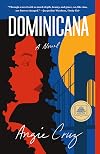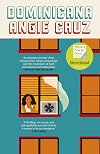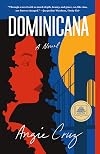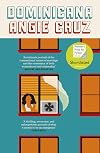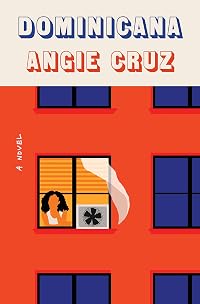
Dominicana
by Angie Cruz
On This Page
Description
Fifteen-year-old Ana Canción never dreamed of moving to America, the way the girls she grew up with in the Dominican countryside did. But when Juan Ruiz proposes and promises to take her to New York City, she has to say yes. Their marriage is an opportunity for her entire close-knit family to eventually immigrate. So on New Year's Day, 1965, Ana leaves behind everything she knows and becomes Ana Ruiz, a wife confined to a cold six-floor walk-up in Washington Heights. Lonely and miserable, show more Ana hatches a reckless plan to escape. But at the bus terminal, she is stopped by César, Juan's free-spirited younger brother, who convinces her to stay. As the Dominican Republic slides into political turmoil, Juan returns to protect his family's assets, leaving César to take care of Ana. Suddenly, Ana is free to take English lessons at a local church, lie on the beach at Coney Island, see a movie at Radio City Music Hall, go dancing with César, and imagine the possibility of a different kind of life in America. When Juan returns, Ana must decide once again between her heart and her duty to her family. show lessTags
Recommendations




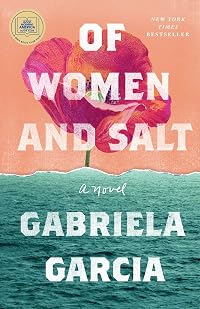
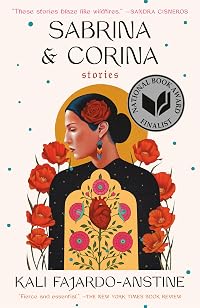
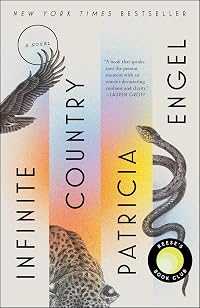
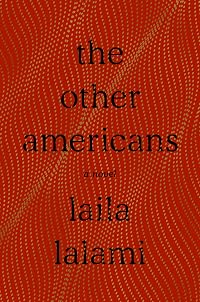

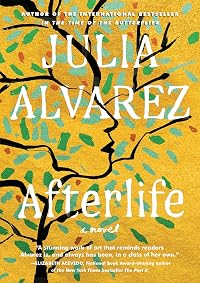
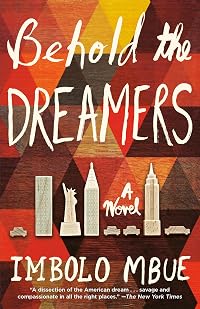

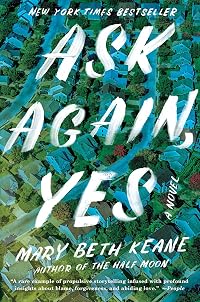
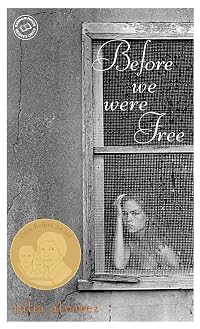
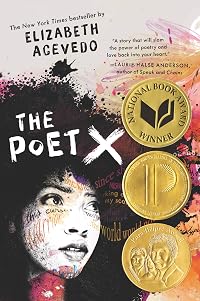

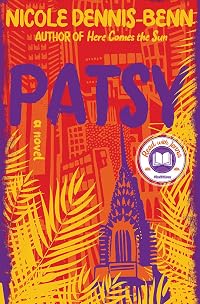

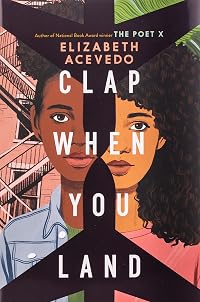
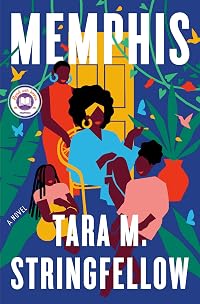
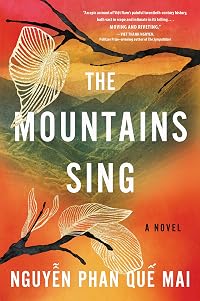
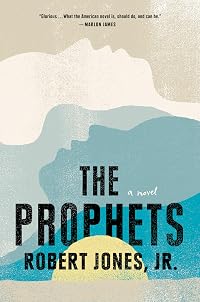
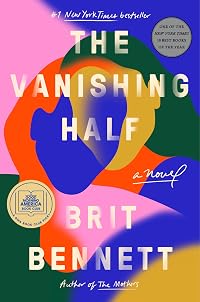
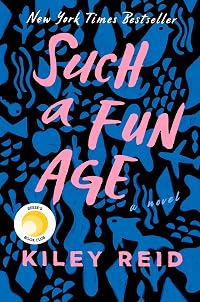


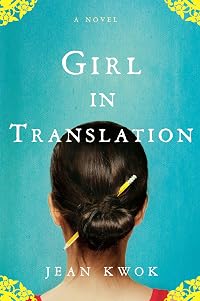
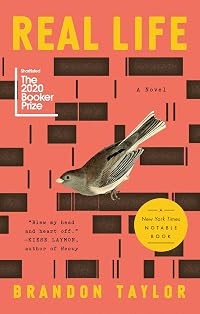
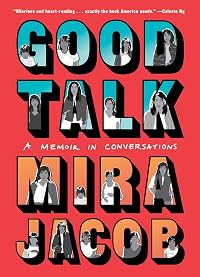
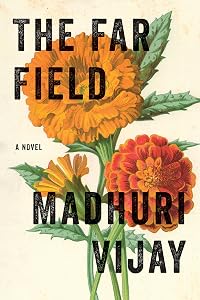

Member Recommendations
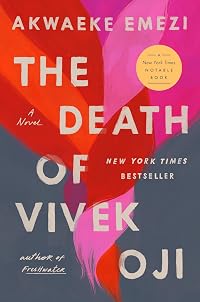
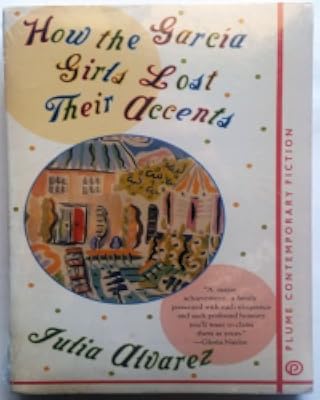
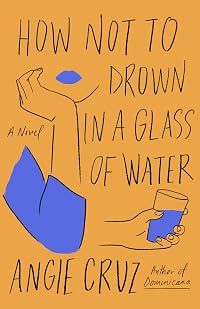
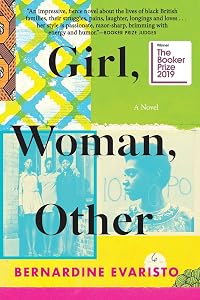
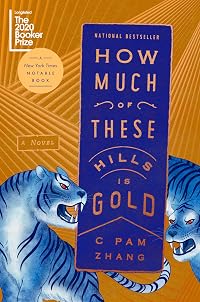
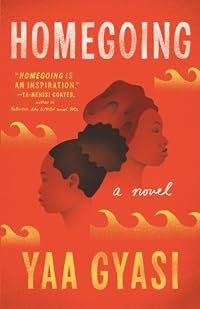
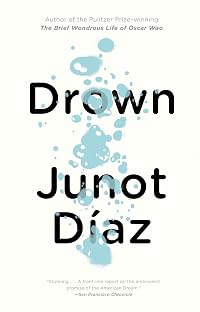
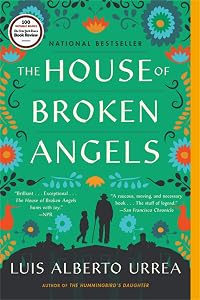
MM_Jones Both are immigrant to New York stories from a different culture.
Member Reviews
Ana is eleven years old when we meet her – the second oldest daughter in a large Dominican Republic family that includes cousins as well as siblings. She has come to the attention of Juan Ruiz – one of a clan of brothers who are essentially wheeler-dealers with big plans. There’s an undercurrent here that Juan is more interested in the beachfront property Ana’s family claims, but he also sees her develop into a nubile teen on his frequent visits from New York.
Bowing to pressure from her family, Ana eventually agrees to marry Juan, to go with him to New York, and once established there, to help the rest of her family emigrate.
That’s the set-up for the bulk of the novel, as 15-year-old Ana rapidly becomes disillusioned with show more marriage, pines away in an essentially empty apartment as her husband goes about his business (which includes selling stolen goods, waiting tables at a hotel, promoting various deals, and carrying on an affair with a married woman). Her efforts to adjust, to improve herself by learning English and getting a basic education, to squirrel away a few dollars at a time out of Juan’s view, propel her into multiple situations that test her resilience and resourcefulness. Things take a turn when Juan leaves his pregnant bride to go back to the Dominica Republic to nail down the land transfer. But he is caught in a war zone when the U.S. occupies the island to intervene in a civil war. Meantime, Ana is placed under the protection of Juan’s youngest brother, and the undeniable attraction between the two young people creates complications.
There’s a lot going on here, most of it seen through Ana’s eyes, with short excursions into Juan’s POV. In some ways, she’s incredibly resourceful; in others she handles herself the way most 15-year-olds would. She longs for her family, for the familiar foods and social events of her home, tries to prepare for the coming baby, and copes with Juan’s rages and frustrations, which he frequently takes out on her with his fists. And underneath it all is her own grown sexual awareness, which finds its inevitable outlet with the only man to whom she is physically close.
Ana is an easy character to identify with – basically good, hard-working, and utterly in over her head in New York. Many of the challenges she faces are exacerbated by her own awareness that she’s in the country with falsified papers and could face deportation if she interfaces with any official agencies. This fear keeps her from utilizing the social safety nets that might make her plight easier to bear.
Juan, while less likeable, is also a man of his time and upbringing. He has certain expectations of his wife’s place, and reacts to any conflict with her in the same way he saw other men react within their own families. He’s utterly sincere about succeeding in business, but the deck is pretty well stacked against him. He knows this, and so has no compunctions about bending the rules to even up the odds.
The novel is set in the mid-sixties and utilizes then-current events well as a backdrop to the characters’ actions and impressions of their newly-adopted country. show less
Bowing to pressure from her family, Ana eventually agrees to marry Juan, to go with him to New York, and once established there, to help the rest of her family emigrate.
That’s the set-up for the bulk of the novel, as 15-year-old Ana rapidly becomes disillusioned with show more marriage, pines away in an essentially empty apartment as her husband goes about his business (which includes selling stolen goods, waiting tables at a hotel, promoting various deals, and carrying on an affair with a married woman). Her efforts to adjust, to improve herself by learning English and getting a basic education, to squirrel away a few dollars at a time out of Juan’s view, propel her into multiple situations that test her resilience and resourcefulness. Things take a turn when Juan leaves his pregnant bride to go back to the Dominica Republic to nail down the land transfer. But he is caught in a war zone when the U.S. occupies the island to intervene in a civil war. Meantime, Ana is placed under the protection of Juan’s youngest brother, and the undeniable attraction between the two young people creates complications.
There’s a lot going on here, most of it seen through Ana’s eyes, with short excursions into Juan’s POV. In some ways, she’s incredibly resourceful; in others she handles herself the way most 15-year-olds would. She longs for her family, for the familiar foods and social events of her home, tries to prepare for the coming baby, and copes with Juan’s rages and frustrations, which he frequently takes out on her with his fists. And underneath it all is her own grown sexual awareness, which finds its inevitable outlet with the only man to whom she is physically close.
Ana is an easy character to identify with – basically good, hard-working, and utterly in over her head in New York. Many of the challenges she faces are exacerbated by her own awareness that she’s in the country with falsified papers and could face deportation if she interfaces with any official agencies. This fear keeps her from utilizing the social safety nets that might make her plight easier to bear.
Juan, while less likeable, is also a man of his time and upbringing. He has certain expectations of his wife’s place, and reacts to any conflict with her in the same way he saw other men react within their own families. He’s utterly sincere about succeeding in business, but the deck is pretty well stacked against him. He knows this, and so has no compunctions about bending the rules to even up the odds.
The novel is set in the mid-sixties and utilizes then-current events well as a backdrop to the characters’ actions and impressions of their newly-adopted country. show less
Shortlisted for the Women's Prize for Fiction 2020
3.5
In Dominicana, Angie Cruz pays homage to the first generation of Dominican women who immigrated to New York City after Trujillo's assassination in the 1960s. Ana Cancion, the green-eyed beauty of a rural family, is her mother's hope for obtaining papers for a better life for the family in New York. So she convinces her 15-year-old daughter to marry 32-year-old Juan Ruiz, who works in New York and hopes to build a restaurant and apartments in Santo Domingo.
Juan is an overprotective and controlling husband. He attempts to instill fear in Anna, fear of her surroundings so she won't leave their apartment in Washington Heights, and a fear of disobeying him. Juan is at times physically and show more verbally abusive, especially when drunk. The book chronicles Anna's daily life, her limited contact with Juan's friends and business associates, her growing sense of isolation and sorrow.
Anna becomes pregnant, and when Juan must return to the Dominican Republic to attend to business there, he leaves her under the protection of his younger brother, Ceasar. The latter encourages her to leave the apartment and explore her new environment. She starts taking English classes at the local church and, with Cesar's help, begins cooking and selling Dominican dishes food to local factory workers. She begins to enjoy life.
While Juan has the necessary connections and funds to obtain papers for her extended family, she dreads his return. Although she wants to help her family, she does not wish to remain in an abusive marriage. Her resilience and attempts to resolve this dilemma become the focus of the remainder of the book.
Dominicana is well-written and heartfelt. I listened to the audio, and the lively reading and the insertion music add to the ambiance! show less
3.5
In Dominicana, Angie Cruz pays homage to the first generation of Dominican women who immigrated to New York City after Trujillo's assassination in the 1960s. Ana Cancion, the green-eyed beauty of a rural family, is her mother's hope for obtaining papers for a better life for the family in New York. So she convinces her 15-year-old daughter to marry 32-year-old Juan Ruiz, who works in New York and hopes to build a restaurant and apartments in Santo Domingo.
Juan is an overprotective and controlling husband. He attempts to instill fear in Anna, fear of her surroundings so she won't leave their apartment in Washington Heights, and a fear of disobeying him. Juan is at times physically and show more verbally abusive, especially when drunk. The book chronicles Anna's daily life, her limited contact with Juan's friends and business associates, her growing sense of isolation and sorrow.
Anna becomes pregnant, and when Juan must return to the Dominican Republic to attend to business there, he leaves her under the protection of his younger brother, Ceasar. The latter encourages her to leave the apartment and explore her new environment. She starts taking English classes at the local church and, with Cesar's help, begins cooking and selling Dominican dishes food to local factory workers. She begins to enjoy life.
While Juan has the necessary connections and funds to obtain papers for her extended family, she dreads his return. Although she wants to help her family, she does not wish to remain in an abusive marriage. Her resilience and attempts to resolve this dilemma become the focus of the remainder of the book.
Dominicana is well-written and heartfelt. I listened to the audio, and the lively reading and the insertion music add to the ambiance! show less
Ana Canción is just fifteen when she is married to a man over twice her age and leaves her family and the Dominican Republic for a life in an apartment in New York City. It's an abrupt change from living with her large family on a farm to a small apartment in Washington Heights with only her husband and her husband's brother, both of whom are usually working. Ana is expected to stay in, cleaning house and cooking for her husband, but she longs to get a chance to learn English and start earning money to send home to her family. She's at the whim of her husband's moods and as an undocumented immigrant who speaks no English, she's especially dependent on him. When unrest envelopes the Dominican Republic in 1965, Ana's husband returns to show more protect his business interests, leaving Ana space to begin to see what life in the US might hold for her.
Angie Cruz based this novel on her mother's recollections and this novel is full of what life was like in Washington Heights in the mid-sixties as well as what was expected of her by both her husband and her family. Cruz is writing about a fifteen-year-old girl and the narration reflects the emotions and excitements of that age, even as Ana inhabits the life of a married, pregnant woman. This is a wonderful book, both as a vivid account of a specific time and place, and as the coming of age story of a young woman thrust into unfamiliar circumstances who fights to make a life for herself. show less
Angie Cruz based this novel on her mother's recollections and this novel is full of what life was like in Washington Heights in the mid-sixties as well as what was expected of her by both her husband and her family. Cruz is writing about a fifteen-year-old girl and the narration reflects the emotions and excitements of that age, even as Ana inhabits the life of a married, pregnant woman. This is a wonderful book, both as a vivid account of a specific time and place, and as the coming of age story of a young woman thrust into unfamiliar circumstances who fights to make a life for herself. show less
At 15, Ana is forced by her family to marry a man twice her age in order to secure them all the promise of a life in the states. Against her will she goes through with the arranged, loveless marriage and leaves for New York City with her new husband, to live in a 6-floor walk-up apartment in Washington Heights, and to live a life of loneliness and domestic violence. Her one joy is her husband's brother, who takes care of her when the husband returns to the Dominican Republic for several months, but when her husband returns with the promise that her family will join them sooner than they had hoped, she must choose between a life of familial duty and a life lived for herself and her newborn child.
This is a powerful story, nicely set show more within the political struggles of the times (NYC and the DR in the 1960s), and Ana's own story mirrors the turmoil felt outside her small apartment walls. Cruz is a good storyteller, and expertly makes the reader both worry for Ana as an innocent in a big, scary city while also wondering at her amazing strength. Definitely recommended. show less
This is a powerful story, nicely set show more within the political struggles of the times (NYC and the DR in the 1960s), and Ana's own story mirrors the turmoil felt outside her small apartment walls. Cruz is a good storyteller, and expertly makes the reader both worry for Ana as an innocent in a big, scary city while also wondering at her amazing strength. Definitely recommended. show less
When Juan Ruiz marries Ana Canción, he takes her from Los Guayacanos, Dominican Republic, to New York City on New Year’s Day, 1965. That might be unremarkable, except that Ana is only fifteen, while he’s thirty-two and has been lusting after her for at least four years. Never mind that Ana doesn’t love him or that Juan wears his machismo like armor, with all that implies about his prerogatives, self-regard, and definition of marital duties.
But he’s a hard worker, Ana’s mother believes, and a big thinker. Besides, what Ana wants doesn’t matter. Mamá plans to get off the island, escaping its poverty, dead-end future, and corrupt, leeching dictatorship. Ana will get free herself, then be her mother’s (and siblings’) show more ticket to New York. So that’s settled.
The central symbol of this engaging, heart-rending novel is Dominicana, the ceramic doll that Juan buys Ana at the Santo Domingo airport, and which Ana keeps in their apartment in Washington Heights, upper Manhattan. It’s the first and practically the last gift he buys her.
Oh, he provides a few dresses, but nothing like the wardrobe she needs; just enough to look nice for him. Ana fixes his favorite Dominican foods — she’s an excellent cook — while he buys Chef Boyardee for her. And though he can go anywhere he wants, anytime, with anyone, let Juan find out that she’s walked to the corner store, and he’ll slap her face.
Though Cruz never calls attention to what the doll represents, it clearly stands for her identity as a Dominican and her quick, brutal, much-too-early transition from childhood to womanhood in a strange, frightening city. The doll reminds Ana of who she is, and the family she’s left behind.
Most important, Dominicana is Ana herself, for what is she to Juan but a faceless doll, a possession to use as he wills, or to show off to his friends? However, to Ana, Dominicana also has a practical purpose, as a hiding place for the money she manages to earn on the sly.
For Mamá, though she’s pimped her own daughter and been controlling, nasty, and cruelly withholding, has instilled one lesson in her Ana’s head. Smile at your husband and his friends, she says; be the perfect wife in all ways. But don’t forget to demand what you want, and to work around him to get something for yourself. As she has often told Ana, men can only perform like men “when women are doing everything. We’re invisible little workers so they can puff out their chests.”
That lesson saves Ana. It also prevents the novel from becoming a tale of unremitting masochism, a catalog of Juan’s bad behavior and his child bride’s helplessness, with no hope permitted (and no reason to keep reading). But Ana, though she gets burned a couple times trusting the wrong people, keeps looking for ways to grow. And when a coup erupts in the Dominican Republic—manipulated by the United States government, which sends troops—Juan leaves to try to secure his business interests on the island.
That respite is what Ana’s been waiting for. She shows remarkable energy, spirit, and courage in seizing her chance, aided by Juan’s brother, César, who’s everything her husband is not. Yet though Dominicana is a shorter book than the number of pages suggests, Cruz is properly careful not to push the envelope too far. Ana remains young, scared, and confused about what she wants or can be allowed to want. There’s no Hollywood transformation, complete with shimmering images and everybody applauding at how she’s grown. Besides, she’s no fool; Juan won’t be gone forever.
I like how Cruz weaves external events into the narrative. The coup naturally commands Ana’s attention the most, but there’s also Malcolm X’s murder, the World’s Fair, baseball, and, in the background, Vietnam. To this ex-New Yorker, who lived six months in Washington Heights (though twenty years after the action here), the city sings a familiar song.
The story can be hard to follow at times, because of the very brief, episodic chapters, especially when thoughts and spoken words blend for want of quotation marks. I also want the narrative to linger longer at key emotional transitions toward the end. Even so, Dominicana’s a terrific book and a necessary, important story about what immigrant life is really like. show less
But he’s a hard worker, Ana’s mother believes, and a big thinker. Besides, what Ana wants doesn’t matter. Mamá plans to get off the island, escaping its poverty, dead-end future, and corrupt, leeching dictatorship. Ana will get free herself, then be her mother’s (and siblings’) show more ticket to New York. So that’s settled.
The central symbol of this engaging, heart-rending novel is Dominicana, the ceramic doll that Juan buys Ana at the Santo Domingo airport, and which Ana keeps in their apartment in Washington Heights, upper Manhattan. It’s the first and practically the last gift he buys her.
Oh, he provides a few dresses, but nothing like the wardrobe she needs; just enough to look nice for him. Ana fixes his favorite Dominican foods — she’s an excellent cook — while he buys Chef Boyardee for her. And though he can go anywhere he wants, anytime, with anyone, let Juan find out that she’s walked to the corner store, and he’ll slap her face.
Though Cruz never calls attention to what the doll represents, it clearly stands for her identity as a Dominican and her quick, brutal, much-too-early transition from childhood to womanhood in a strange, frightening city. The doll reminds Ana of who she is, and the family she’s left behind.
Most important, Dominicana is Ana herself, for what is she to Juan but a faceless doll, a possession to use as he wills, or to show off to his friends? However, to Ana, Dominicana also has a practical purpose, as a hiding place for the money she manages to earn on the sly.
For Mamá, though she’s pimped her own daughter and been controlling, nasty, and cruelly withholding, has instilled one lesson in her Ana’s head. Smile at your husband and his friends, she says; be the perfect wife in all ways. But don’t forget to demand what you want, and to work around him to get something for yourself. As she has often told Ana, men can only perform like men “when women are doing everything. We’re invisible little workers so they can puff out their chests.”
That lesson saves Ana. It also prevents the novel from becoming a tale of unremitting masochism, a catalog of Juan’s bad behavior and his child bride’s helplessness, with no hope permitted (and no reason to keep reading). But Ana, though she gets burned a couple times trusting the wrong people, keeps looking for ways to grow. And when a coup erupts in the Dominican Republic—manipulated by the United States government, which sends troops—Juan leaves to try to secure his business interests on the island.
That respite is what Ana’s been waiting for. She shows remarkable energy, spirit, and courage in seizing her chance, aided by Juan’s brother, César, who’s everything her husband is not. Yet though Dominicana is a shorter book than the number of pages suggests, Cruz is properly careful not to push the envelope too far. Ana remains young, scared, and confused about what she wants or can be allowed to want. There’s no Hollywood transformation, complete with shimmering images and everybody applauding at how she’s grown. Besides, she’s no fool; Juan won’t be gone forever.
I like how Cruz weaves external events into the narrative. The coup naturally commands Ana’s attention the most, but there’s also Malcolm X’s murder, the World’s Fair, baseball, and, in the background, Vietnam. To this ex-New Yorker, who lived six months in Washington Heights (though twenty years after the action here), the city sings a familiar song.
The story can be hard to follow at times, because of the very brief, episodic chapters, especially when thoughts and spoken words blend for want of quotation marks. I also want the narrative to linger longer at key emotional transitions toward the end. Even so, Dominicana’s a terrific book and a necessary, important story about what immigrant life is really like. show less
This is a marvelous story. I sat down to listen for just a few minutes and relax, and 3 hours later, I found myself nearing the end of the book and unable to stop until I knew what Ana had decided and how far into her future I would be allowed to see.
Everything about this story was intriguing; the Dominican countryside and the family dynamics between Ana, her sister, and her parents; the idea that a mother could somehow justify promising her 15 yr old daughter to some guy she mostly knows just by reputation; the political and cultural climate of both the DR and the US that heat up and clash and are almost a character themselves, wreaking havoc, upending, and touching every single other character in some way.
Ana is a real girl who has to show more grow up so fast, all the while balancing her mother’s voice in her head with what she feels in her heart so she can figure out what to do. I related so much to her when she was pretty much shouting to herself in her head all the things she *should* do or say, but then ended up quietly following the expectation of meekness and docility that was set for her. I shudder to think of what my own experience would be if I had ever been in a similar situation. Once she did find some freedom to make her own choices, she completely blossomed into a new person, bold and strong, even if she was still a little bit afraid. I genuinely didn’t know what choices she would make toward the end of the story, and I had to I had to keep reminding myself that all these things were happening within a single year.
I could see this book being one that I return to again. Being married at 15 is definitely an uncomfortable plot point, and it leads to other uncomfortable moments, but Ana is a fighter. She adapts and grows and hers is a story worth telling, reading, and re-reading. show less
Everything about this story was intriguing; the Dominican countryside and the family dynamics between Ana, her sister, and her parents; the idea that a mother could somehow justify promising her 15 yr old daughter to some guy she mostly knows just by reputation; the political and cultural climate of both the DR and the US that heat up and clash and are almost a character themselves, wreaking havoc, upending, and touching every single other character in some way.
Ana is a real girl who has to show more grow up so fast, all the while balancing her mother’s voice in her head with what she feels in her heart so she can figure out what to do. I related so much to her when she was pretty much shouting to herself in her head all the things she *should* do or say, but then ended up quietly following the expectation of meekness and docility that was set for her. I shudder to think of what my own experience would be if I had ever been in a similar situation. Once she did find some freedom to make her own choices, she completely blossomed into a new person, bold and strong, even if she was still a little bit afraid. I genuinely didn’t know what choices she would make toward the end of the story, and I had to I had to keep reminding myself that all these things were happening within a single year.
I could see this book being one that I return to again. Being married at 15 is definitely an uncomfortable plot point, and it leads to other uncomfortable moments, but Ana is a fighter. She adapts and grows and hers is a story worth telling, reading, and re-reading. show less
In the Dominican Republic in 1965, 15 year old Ana is married to Juan, four years after her parents' promise to him. Ana's parents make it clear: her marriage is their family's ticket to America. Juan will take her and they will bring her family to America. She is trapped by her obligation.
Ana's emotional trap becomes a literal one, too, as once in New York Juan keeps her firmly under his thumb, not even able to go shopping or to ESL classes. She must bear his beatings, his infidelity, his financial control, because of the promise of visas. Already too young for marriage, she's dropped into a new country with little guidance. She longs for home, for her family, and for the boy she left behind. Her emotional space becomes as compressed show more as the apartment she's trapped in; she's unable to consider her own needs or desires.
That is, until Juan must return to the DR for an extended visit to deal with family finances during the civil war. Supervised only by Juan's fun loving brother César, Ana gets the physical and emotional space to begin to dream, to think about what she wants.
Ana's entire existence--and that of those around her--is enmeshed in a web of mutual obligation, and Cruz conveys that on both a personal level and as a symbol of immigration. (The novel is based in part on her mother's story.) Ana knows her success means her family's survival, and she cannot pursue her own dreams without crushing those of others. That said, it's not a heavy read; Cruz has a good eye for detail, and there are some delightfully funny sections, such as the one where Ana, angry at her husband, kills a New York City street pigeon, cooks it, and serves it to him for dinner.
1965 was a pivotal year in more ways than one: in the US it was the year of Malcolm X's assassination; in the DR it was the year of the civil war that ended with US intervention. The history of the period is woven in to the story, and it's worth further reading. show less
Ana's emotional trap becomes a literal one, too, as once in New York Juan keeps her firmly under his thumb, not even able to go shopping or to ESL classes. She must bear his beatings, his infidelity, his financial control, because of the promise of visas. Already too young for marriage, she's dropped into a new country with little guidance. She longs for home, for her family, and for the boy she left behind. Her emotional space becomes as compressed show more as the apartment she's trapped in; she's unable to consider her own needs or desires.
That is, until Juan must return to the DR for an extended visit to deal with family finances during the civil war. Supervised only by Juan's fun loving brother César, Ana gets the physical and emotional space to begin to dream, to think about what she wants.
Ana's entire existence--and that of those around her--is enmeshed in a web of mutual obligation, and Cruz conveys that on both a personal level and as a symbol of immigration. (The novel is based in part on her mother's story.) Ana knows her success means her family's survival, and she cannot pursue her own dreams without crushing those of others. That said, it's not a heavy read; Cruz has a good eye for detail, and there are some delightfully funny sections, such as the one where Ana, angry at her husband, kills a New York City street pigeon, cooks it, and serves it to him for dinner.
1965 was a pivotal year in more ways than one: in the US it was the year of Malcolm X's assassination; in the DR it was the year of the civil war that ended with US intervention. The history of the period is woven in to the story, and it's worth further reading. show less
Members
- Recently Added By
Lists

2020 Women's Prize for Fiction Longlist
16 works; 12 members

Favourite Women's Prize for Fiction, Orange & Bailey's Prize contenders
132 works; 52 members

Sense of place
156 works; 13 members

Baileys Women's Prize for Fiction Winners and Shortlisted Books
61 works; 11 members

2020 Notable Books for Adults
26 works; 5 members

Books Read in 2020
4,379 works; 123 members

Netgalley Reads
468 works; 3 members

Evan's Wish List
86 works; 2 members

AP Lit
363 works; 6 members
Author Information

7+ Works 1,548 Members
Some Editions
Awards and Honors
Awards
Distinctions
Common Knowledge
- Canonical title
- Dominicana
- Original title
- Dominicana
- Original publication date
- 2019-09-03
- Important places
- Dominican Republic; New York, New York, USA
- Dedication
- For Dania, my mother
Para todas las Dominicanas
For all our unsung heroes - First words
- The first time Juan Ruiz proposes to me, I'm eleven years old, skinny and flat-chested.
- Last words
- (Click to show. Warning: May contain spoilers.)Yes, I am.
- Publisher's editor
- Bleeke, Caroline
- Blurbers
- Cisneros, Sandra; Torres, Justin; García, Cristina; Mathis, Ayana; Gaitskill, Mary; Novey, Idra (show all 7); Alvarez, Julia
- Original language
- English
- Canonical DDC/MDS
- 813.6
Classifications
Statistics
- Members
- 813
- Popularity
- 34,105
- Reviews
- 39
- Rating
- (4.02)
- Languages
- Catalan, English, Italian, Spanish
- Media
- Paper, Audiobook, Ebook
- ISBNs
- 22
- ASINs
- 6