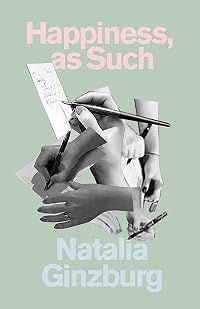
Happiness, As Such
by Natalia Ginzburg
On This Page
Description
"A hauntingly beautiful epistolary novel. At the heart of the story is an absence, an abyss that draws everyone nearer to its edge, created by the departure of a family's wayward only son, Michele, who has fled from Italy to England to escape the dangers and threats of his radical political ties. This novel is part epistolary: his mother writes letters to him, nagging him; his sister Angelica writes to him too; so does Mara, his former lover, who gave birth to a child who could be his own. show more Left to clean up Michele's mess, his family and friends complain and commiserate, making mistakes and missteps, attempting to cope in the only ways that they know how."-- show lessTags
Recommendations














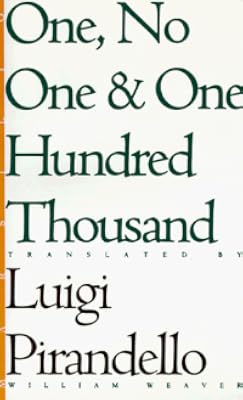
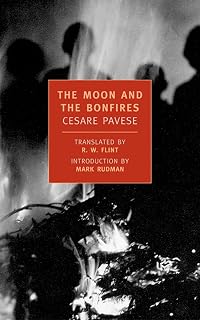


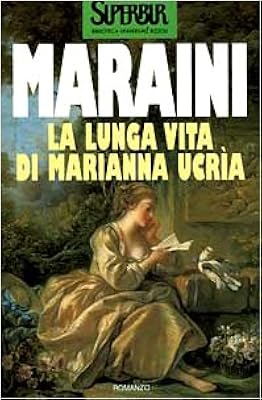

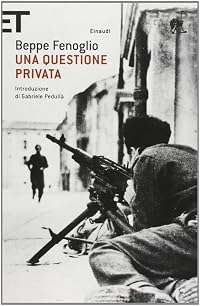
Member Reviews
A brief epistolary novel and a very good one. I actually had to read this one twice. There are a lot of characters, and the family situation described here is complicated, but what really made "Happiness as Such" rough going the first time around is that when a chapter began with a letter, it was difficult to tell who was writing, or rather, narrating. This was confusing, but it also made the experience of reading this one more involving: the author succeeds in putting the reader in the place of the character being addressed. There's a lot of heavy emotional stuff here: deaths in the family, divorces, loneliness, and at least two wayward youths. Ginzburg's decision to structure the novel as she did enhances its emotional impact.
Many of show more the letters in "Happiness as Such" can be fond, personal, or heartfelt. Some passages of this book reveal, while others purposely seem to omit the most important point being made. This is, in other words, a well-written book full of good writers. But one of the reasons I really enjoyed this novel is that the entire thing is, in a sense, a letter from a past that seems very far away now. You might as well ask if anyone could set a novel like this in the present day: who, after all, still writes letters? But Ginzburg is also describing an Italy in which young men routinely got involved with violent leftist movements and in which you had to fight to get a phone line installed in your house. I was surprised, and rather saddened, to realize that just about all of the correspondents would have passed on by now. "Happiness as Such" has many of the familiar novelistic elements: love and disappointment and anxiety and attachment -- specifically the kind that people find difficult to explain. We meet relatives and in-laws and friends and employees and employees and lovers, and they all interact as can be expected, more or less. But when I finished this one -- for the second time -- I couldn't help feeling that I'd read a history -- to put it rather grandly -- of the passage of a group of people on the earth. Most of these people would be gone now, or well past retirement age, but we've still got their letters. That's an argument for writing a novel and, I suppose, for writing letters, too. show less
Many of show more the letters in "Happiness as Such" can be fond, personal, or heartfelt. Some passages of this book reveal, while others purposely seem to omit the most important point being made. This is, in other words, a well-written book full of good writers. But one of the reasons I really enjoyed this novel is that the entire thing is, in a sense, a letter from a past that seems very far away now. You might as well ask if anyone could set a novel like this in the present day: who, after all, still writes letters? But Ginzburg is also describing an Italy in which young men routinely got involved with violent leftist movements and in which you had to fight to get a phone line installed in your house. I was surprised, and rather saddened, to realize that just about all of the correspondents would have passed on by now. "Happiness as Such" has many of the familiar novelistic elements: love and disappointment and anxiety and attachment -- specifically the kind that people find difficult to explain. We meet relatives and in-laws and friends and employees and employees and lovers, and they all interact as can be expected, more or less. But when I finished this one -- for the second time -- I couldn't help feeling that I'd read a history -- to put it rather grandly -- of the passage of a group of people on the earth. Most of these people would be gone now, or well past retirement age, but we've still got their letters. That's an argument for writing a novel and, I suppose, for writing letters, too. show less
When I saw this book in the bookstore, I had to buy it immediately, based on how much I loved The Dry Heart I was absolutely not disappointed.
A novel composed of letters, most of which are written to or about the missing Michele, who has fled Italy to England. The characters are amazing and messy, it is clear that they do not understand each other, or Michele. The picture we develop of Michele as we read is of course always shifting, as everyone seems to have an unreliable grasp on reality to some extent (especially Mara, the mother of a young child who may(?) be Michele's, and whose life is a series of dodging one disaster after another, always blaming someone else for the mess she is currently in.)
There is humor, but it is the kind of show more dark humor that you sometimes wonder if you should quite be laughing at. It's all a lot of chaos, but then there are also machine guns and riots and fascists, so it's complicated. show less
A novel composed of letters, most of which are written to or about the missing Michele, who has fled Italy to England. The characters are amazing and messy, it is clear that they do not understand each other, or Michele. The picture we develop of Michele as we read is of course always shifting, as everyone seems to have an unreliable grasp on reality to some extent (especially Mara, the mother of a young child who may(?) be Michele's, and whose life is a series of dodging one disaster after another, always blaming someone else for the mess she is currently in.)
There is humor, but it is the kind of show more dark humor that you sometimes wonder if you should quite be laughing at. It's all a lot of chaos, but then there are also machine guns and riots and fascists, so it's complicated. show less
De ki az a Michele? Ott a neve a borítón, kell tehát legyen valaki, alkalmasint holmi főszereplő-féle. Aztán mégsem leljük sehol. Hol innen, hol onnan küld levelet arisztokrata anyjának, volt szeretőjének, testvérének, barátjának, már ha épp talál magában kedvet a körmöléshez – a tőlük viszonzásul kapott irományok mindig sokkal hosszabbak és részletezőbbek, mint amiket ő kegyeskedett papírra vetni. Szóval Michele egy titok, egy rejtett Nap, ami körül a többiek keringenek: ezek a „többiek” pedig csupa-csupa elfogult alak, aki valamilyennek látja vagy akarja látni őt – az ő beszámolóikból, leveleikből, hiedelmeiből kovácsolódik össze Michele profilja. Ginzburg rövid, kopogós show more mondatokból épülő regénye nagyszerű korrajz a hetvenes évek Olaszországáról, a Vörös Brigádok forró évtizedéről, de ezen felül és elsősorban egy igazi stílusbravúr is: kísérlet arra, hogy felépítsen egy irodalmi személyt tisztán bizonytalan, közvetett utalásokból, szilárd alapok nélkül. Mert amikor egy író leírja, hogy főhőse ilyen vagy olyan, ezzel óhatatlanul kinyilatkoztat, megfellebbezhetetlenül nyilvánítja ki azon akaratát, hogy milyennek lásson az olvasó valakit. Ginzburg ezt igen elegánsan kerüli el, helyettesítve a direkt, magát objektívnek álcázó leírást a környezet szubjektív meglátásaival, izgalmas és következetes textust hozva létre. Aki kukacoskodni akar, persze mondhatná erre, hogy a környezet, amelynek szubjektív meglátásaiból a Michele-kép felépül, szintén írói produktum, tehát ugyanúgy egy kinyilatkoztatás terméke – magyarán ugyanott vagyunk. Mondhatná, de nem mondja.
Ki tehát Michele? Becsuktam a könyvet, és még mindig nem tudom biztosan. Az arckép továbbra is homályos. De hát az amúgy is úgy van, hogy ha valakiről biztosan tudni kezdem, kicsoda ő, akkor ideje felülvizsgálni a bizonyosságaimat. show less
Ki tehát Michele? Becsuktam a könyvet, és még mindig nem tudom biztosan. Az arckép továbbra is homályos. De hát az amúgy is úgy van, hogy ha valakiről biztosan tudni kezdem, kicsoda ő, akkor ideje felülvizsgálni a bizonyosságaimat. show less
Un libro muy divertido. Pero ríes por no llorar. Una pequeña crónica familiar epistolar en la que todos los personajes intentan comunicar una verdad que nunca sale por su boca. Salvo la frescales de Mara que no puede evitar revelar, más tarde o más temprano, sus verdaderas intenciones.
Con un lenguaje muy sencillo, Ginzburg consigue retratar una familia y sus allegados, un país y sus alrededores y una época y todo lo que ha venido después.
Con un lenguaje muy sencillo, Ginzburg consigue retratar una familia y sus allegados, un país y sus alrededores y una época y todo lo que ha venido después.
Interesting novel made up entirely of letters from and to various characters. Some of the characters are very interesting, very few are delightful.
devastating. wise.
Este libro nos presenta la historia de un hijo perdido, Miguel, que abandonó de joven su familia, que se casó en un país lejano y que, tras una vida poco ordenada, murió en otro país lejano en circunstancias poco claras. Su madre podrá llorarlo, pero no entender sus secretos. Retomando una vieja forma narrativa, la novela epistolar, Natalia Ginzburg enhebra con maestría asuntos nucleares de su quehacer literario: la relación entre generaciones y la proximidad y lejanía de lo humano. Si bien esta novela se sitúa bajo el signo de la dispersión de los sentimientos y de su incomunicabilidad, apunta, por encima de todo, a la soledad esencial y su vacío
Sep 26, 2022Spanish
Members
- Recently Added By
Lists

Italian Literature
558 works; 42 members

Kirkus Starred Fiction Reviews of Books Published in 2019
411 works; 12 members

Bibliografia essenziale
86 works; 2 members

Canon de la narrativa universal del s. XX (cicutadry)
499 works; 3 members
Author Information

71+ Works 5,906 Members
Some Editions
Awards and Honors
Awards
Distinctions
Notable Lists
Series
Belongs to Publisher Series
Work Relationships
Is contained in
Common Knowledge
- Canonical title
- Dear Michael; Happiness, As Such
- Original title
- Caro Michele
- Alternate titles
- Happiness, as Such
- Original publication date
- 1973
- Important places
- Italy
- Related movies*
- Caro Michele (1976 | IMDb)
- First words*
- Eine Frau namens Adriana stand in ihrem neuen Haus auf.
- Last words*
- (Click to show. Warning: May contain spoilers.)..., denn wenn man nichts mehr besitzt, tröstet man sich mit einem Nichts, und so ist sogar der Anblick dieses zerfetzten Hemdes, das ich nicht mitgenommen habe, in dieser Küche für mich ein seltsamer Trost von eisiger Kälte und Trostlosigkeit gewesen.
- Original language*
- Italiano
*Some information comes from Common Knowledge in other languages. Click "Edit" for more information.
Classifications
- Genres
- Fiction and Literature, General Fiction
- DDC/MDS
- 853.914 — Literature & rhetoric Italian, Romanian & related literatures Italian fiction 1900- 20th Century 1945-1999
- LCC
- PQ4817 .I5 .C313 — Language and Literature French, Italian, Spanish and Portuguese literatures Italian literature Individual authors, 1900-1960
- BISAC
Statistics
- Members
- 429
- Popularity
- 72,000
- Reviews
- 11
- Rating
- (3.79)
- Languages
- 11 — Catalan, Dutch, English, German, Hebrew, Hungarian, Italian, Norwegian, Portuguese (Portugal), Spanish, Turkish
- Media
- Paper, Audiobook, Ebook
- ISBNs
- 31
- ASINs
- 14