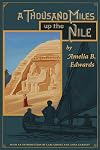
A Thousand Miles up the Nile
by Amelia B. Edwards
On This Page
Description
Amelia Edwards (1831-1892) was an English novelist, journalist and travel writer. In the winter of 1873-1874 she and her companion visited Egypt, travelling up the Nile from Cairo to Abu Simbel and back. Edwards became fascinated with ancient Egypt as a result of this visit, founding the Egypt Exploration Fund in 1882 and devoting the rest of her life to Egyptology and the protection of Egypt's ancient monuments. This volume, first published in 1876, contains Edwards' engaging description of show more her life-changing visit to Egypt. She vividly describes ancient sites and monuments which have since been damaged or destroyed, and provides sharp observations and descriptions of contemporary Egyptian society and culture. Her animated and witty stories of her experiences, combined with over sixty illustrations created during her journey, ensured the immense popularity of this volume, which remains a charming and fascinating description of nineteenth-century Egypt. show lessTags
Recommendations





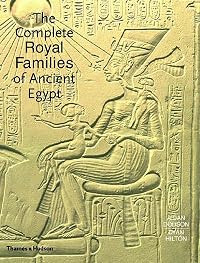


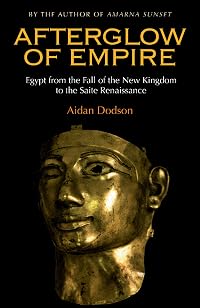
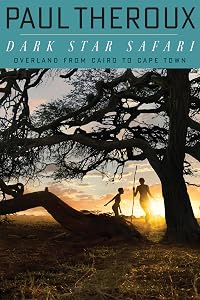
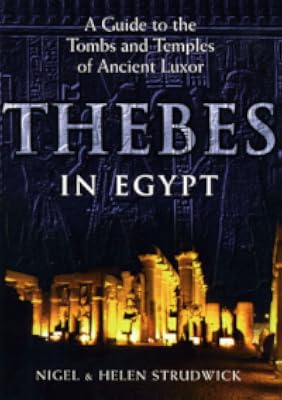









Member Recommendations

Member Reviews
This is a book that I have encountered in quotations and excerpts over the years and always intended to read; now I have. Edwards was an influential figure in nineteenth-century British Egyptology and A Thousand Miles Up the Nile is probably the best known British travel book on Egypt. She wrote less than fifty years after Champollion, a decade before Gordon died at Khartoum; she was acquainted with most of the Egyptologists of her time and was a friend of Flinders Petrie.
Some GR reviewers have been offended by things in the book. Edwards was a woman of her time, a Victorian and a daughter of empire. A Thousand Miles Up the Nile reflects that; if you can't deal with it, this book is not for you.
The book has two great strengths. The show more first is that it describes, often in detail, the archaeological remains as they were in 1873-74; many have been subsequently damaged, destroyed, or relocated (e.g. Philae and Abu Simbel in 1968 because of the Aswan Dam). While written descriptions can become tedious, most of Edwards' are quite vivid. Even when she fails (on the hall of Seti I at Karnak), she is eloquent:
"To describe it, in the sense of building up a recognizable image by means of words, is impossible. The scale is too vast; the effect too tremendous; the sense of one's own dumbness, and littleness, and incapacity, too complete and crushing. It is a place that strikes you into silence; that empties you, as it were, not only of words but ideas."
The book's second strength is Edwards' lively narrative of life on the Nile. There is much everyday life as well as Egyptian history.
On riding a camel:
"His paces, however, are more complicated than his joints and more trying than his temper. He has four: a short walk, like the rolling of a small boat in a chopping sea; a long walk, which dislocates every bone in your body; a trot that reduces you to imbecility; and a gallop that is sudden death. One tries in vain to imagine a crime for which the peine forte et dure of sixteen hours on camelback would not be a full and sufficient expiation. It is a punishment to which one would not willingly be the means of condemning any human being--not even a reviewer."
On a water-wheel in action:
"A creaking sakkieh is at work yonder, turned by a couple of red cows with mild Hathor-like faces. The old man who drives them sits in the middle cog of the wheel, and slowly goes around as if he was being roasted."
On tourists' acquisitiveness:
"There is, in fact, a growing passion for mummies among Nile travelers. Unfortunately, the price rises with demand; and although the mine is nearly inexhaustible, a mummy nowadays becomes not only a prohibited but a costly luxury."
These are only a few small examples. Edwards shows us a world long gone (and parts of it not missed) with inimitable style. show less
Some GR reviewers have been offended by things in the book. Edwards was a woman of her time, a Victorian and a daughter of empire. A Thousand Miles Up the Nile reflects that; if you can't deal with it, this book is not for you.
The book has two great strengths. The show more first is that it describes, often in detail, the archaeological remains as they were in 1873-74; many have been subsequently damaged, destroyed, or relocated (e.g. Philae and Abu Simbel in 1968 because of the Aswan Dam). While written descriptions can become tedious, most of Edwards' are quite vivid. Even when she fails (on the hall of Seti I at Karnak), she is eloquent:
"To describe it, in the sense of building up a recognizable image by means of words, is impossible. The scale is too vast; the effect too tremendous; the sense of one's own dumbness, and littleness, and incapacity, too complete and crushing. It is a place that strikes you into silence; that empties you, as it were, not only of words but ideas."
The book's second strength is Edwards' lively narrative of life on the Nile. There is much everyday life as well as Egyptian history.
On riding a camel:
"His paces, however, are more complicated than his joints and more trying than his temper. He has four: a short walk, like the rolling of a small boat in a chopping sea; a long walk, which dislocates every bone in your body; a trot that reduces you to imbecility; and a gallop that is sudden death. One tries in vain to imagine a crime for which the peine forte et dure of sixteen hours on camelback would not be a full and sufficient expiation. It is a punishment to which one would not willingly be the means of condemning any human being--not even a reviewer."
On a water-wheel in action:
"A creaking sakkieh is at work yonder, turned by a couple of red cows with mild Hathor-like faces. The old man who drives them sits in the middle cog of the wheel, and slowly goes around as if he was being roasted."
On tourists' acquisitiveness:
"There is, in fact, a growing passion for mummies among Nile travelers. Unfortunately, the price rises with demand; and although the mine is nearly inexhaustible, a mummy nowadays becomes not only a prohibited but a costly luxury."
These are only a few small examples. Edwards shows us a world long gone (and parts of it not missed) with inimitable style. show less
Amelia Edwards, known for her horror stories, is better known for her engaging travelogues with her own drawings as illustrations. This particular trip was a four month journey (1876) by the Philae (a dahabiya) with a dragoman to oversee the hiring of the crew, destinations, provisioning, and entertainment all for the cost of £10 a day (approximately £1000 in today’s money) so she wasn’t going cheap. The crew stopped every few days to buy flour in local villages and bake bread in community ovens. The bread was the main food of the crew while the passengers; the author, a married couple, a male artist, a European she called the “idle man” who enjoyed shooting every wild bird or animal he saw, ate wholesome and delicious food show more prepared by the ship’s cook. They visited every Ancient Egyptian shrine, temple, quarry, fallen column, cliff tomb, or pylon that could be reached by riding camels or donkeys. The author is a font of knowledge on things Egyptian and her descriptions of landscape, the Nile, sunsets, sunrises are fulsome in detail while her mathematical measurements of temple layouts would do credit to a draughtsman. show less
This is a travelogue written by Ameila B. Edwards from her visit to Egypt in 1873.
Great descriptions of what was happening in the year she visted of the places she visited and the people. It brought back some memories for me.
Amelia Edwards supported and promoted Egyptian culture heritage and founded the first chair in Egyptology, a science she helped create, at the University College London. She was an authority on Ancient Egypt.
I also read her book, Untrodden Peaks and Unfrequented Valleys, about the Italian Dolomites. My grandparents lived near the Dolomites and I have visited there.
The reader needs to remember the book was written in the late 1800s and allow for impressions she gives. I have seen some negative reviews.
I was in Egypt show more in 2022 and plan to return in 2023.
I listened to the book on You Tube audio books.
I give it a 5 star rating and will read or listen to other books by Amelia B. Edwards. show less
Great descriptions of what was happening in the year she visted of the places she visited and the people. It brought back some memories for me.
Amelia Edwards supported and promoted Egyptian culture heritage and founded the first chair in Egyptology, a science she helped create, at the University College London. She was an authority on Ancient Egypt.
I also read her book, Untrodden Peaks and Unfrequented Valleys, about the Italian Dolomites. My grandparents lived near the Dolomites and I have visited there.
The reader needs to remember the book was written in the late 1800s and allow for impressions she gives. I have seen some negative reviews.
I was in Egypt show more in 2022 and plan to return in 2023.
I listened to the book on You Tube audio books.
I give it a 5 star rating and will read or listen to other books by Amelia B. Edwards. show less
Un voyage dans le temps avec cette description d'une croisière sur le Nil à l'époque où certains des grands temples étaient encore ensablés et où la navigation se faisait à la voile et à la rame. Très beau témoignage avec des descriptions très riches et détaillées.
The engaging memoir of the adventurous, non-judgemental, enquiring woman who could have inspired the legendary fictional character Amelia Peabody. Delightful reading for even the most jaded modern explorer who has an interest in Ancient Egypt and its people. Easily found on line or at your local library. Would make a marvelous gift for an armchair traveler.
Oh, de Britten en hun standenmaatschappij! Onderaan de armzalige toeristen die in een stoomboot van Cook de Nijl op en af gejaagd worden, daarboven de reizigers die zich een dahabiya kunnen veroorloven om op eigen houtje de rivier te bevaren. Sommigen raken niet verder dan het eerste cataract, anderen moeten zich van het tweede snel weer naar Cairo haasten. Maar Amelia B. Edwards kan zich de grootste van allemaal veroorloven en langer wegblijven dan iedereen.
En was het alleen maar dat snobisme! Ronduit walgelijk is het verhaal van de jager die meereist en per ongeluk een kind verwondt. Het zijn de Egyptenaren die maar ternauwernood aan een gevangenisstraf ontsnappen. Zij hebben hem immers zijn geweer afgenomen.
Maar goed, van dat show more incident treft Amelia geen schuld. En al valt er op haar attitude wat aan te merken, schrijven kan ze wel. De race tussen de dahabiya's om als eerste aan te meren in Aswan is spannender dan menig thriller en haar beschrijving van de tempel van Karnak gaf me meer zin om naar Egypte af te reizen dan het beste fotoboek. Daarbij spreekt ze nog met kennis van zaken, al is er in de Egyptologie wel wat veranderd sinds 1874.
Geïllustreerd met prenten van Amelia zelf, met een uitgebreide introductie, gebonden en met dubbel leeslint; voor Amelia is alleen het beste goed genoeg! show less
En was het alleen maar dat snobisme! Ronduit walgelijk is het verhaal van de jager die meereist en per ongeluk een kind verwondt. Het zijn de Egyptenaren die maar ternauwernood aan een gevangenisstraf ontsnappen. Zij hebben hem immers zijn geweer afgenomen.
Maar goed, van dat show more incident treft Amelia geen schuld. En al valt er op haar attitude wat aan te merken, schrijven kan ze wel. De race tussen de dahabiya's om als eerste aan te meren in Aswan is spannender dan menig thriller en haar beschrijving van de tempel van Karnak gaf me meer zin om naar Egypte af te reizen dan het beste fotoboek. Daarbij spreekt ze nog met kennis van zaken, al is er in de Egyptologie wel wat veranderd sinds 1874.
Geïllustreerd met prenten van Amelia zelf, met een uitgebreide introductie, gebonden en met dubbel leeslint; voor Amelia is alleen het beste goed genoeg! show less
Dec 18, 2022Dutch
Ratings
Members
- Recently Added By
Lists

Geography and Travel from The Book-Lover
291 works; 1 member
Author Information

52+ Works 613 Members
Common Knowledge
- Canonical title
- A Thousand Miles up the Nile
- Original publication date
- 1877
- People/Characters
- Amelia B. Edwards; Andrew McCallum
- Important places
- Cairo, Egypt; Abu Simbel, Egypt; Sakkarah, Egypt; Gizeh, Egypt; Philae, Egypt
Classifications
Statistics
- Members
- 245
- Popularity
- 132,712
- Reviews
- 6
- Rating
- (4.07)
- Languages
- English, German, Italian, Spanish
- Media
- Paper, Audiobook, Ebook
- ISBNs
- 34
- ASINs
- 13