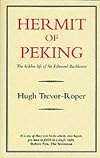
Hermit of Peking: The Hidden Life of Sir Edmund Backhouse
by Hugh Trevor-Roper
On This Page
Description
The trail of discovery began when Hugh Trevor-Roper received in somewhat unusual circumstances the voluminous memoirs of Sir Edmund Backhouse, the celebrated Chinese scholar and co-author of two standard works on Chinese history. The memoirs describe a very different person from the one who had apparently lived such a respectable life until his death in 1944. Backhouse claimed that he had been intimate with many notable characters including Verlaine and Lord Rosebery, and that his many show more lovers (of both sexes) had included the Dowager Empress of China. It gradually became clear that the detailed, plausible and very obscene memoirs were a work of fantasy - yet a fantasy interwoven with detailed fact. Intrigued, Hugh Trevor-Roper set out to discover as much as he could about Sir Edmund Backhouse, and unearthed the story of one of the most outrageous confidence tricksters of this century. show lessTags
Recommendations



















Member Recommendations
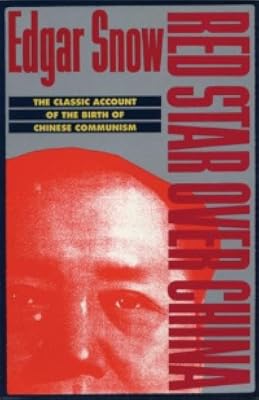
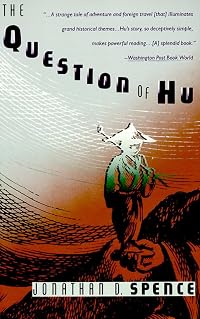
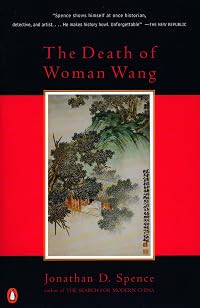
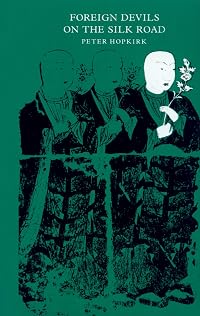
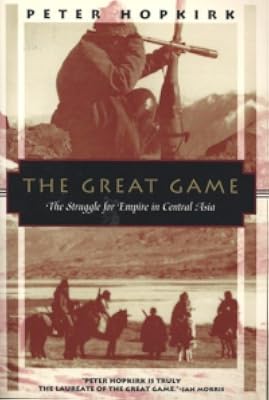
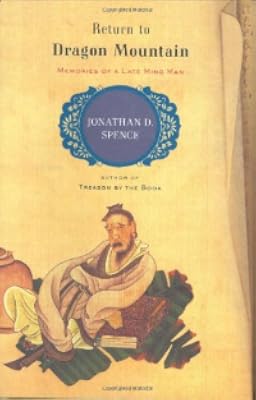
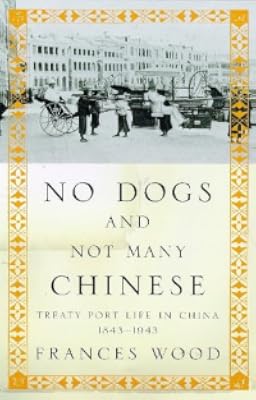
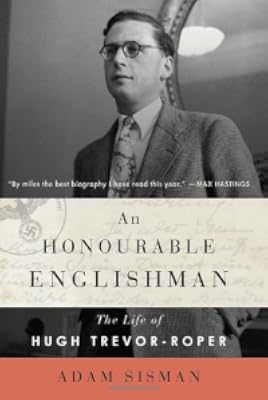
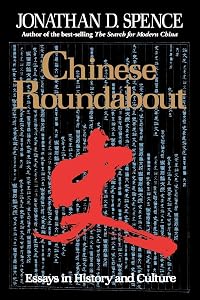
ossicones These two books share the style of an erudite page-turner and characters whose portrayal will likely stick with you for some time after you put them down.
Member Reviews
Trevor-Roper demolishes any remnant reputation that "master forger" Sir Edmund Backhouse might have retained. The author worked tirelessly to investigate the fantastic historical creations and the fraudulent business transactions that Backhouse perpetrated in China during his hermetic life in Peking.
What ensues is an eviscerating exposure of an aesthetic exile from late Victorian England who brilliantly defrauded and confused others in a manic-depressive quest for respectability.
What ensues is an eviscerating exposure of an aesthetic exile from late Victorian England who brilliantly defrauded and confused others in a manic-depressive quest for respectability.
In 1973, a distinguished Swiss physician handed to the British historian Hugh Trevor-Roper an enameled Chinese case containing two previously unknown memoirs by Edmund Backhouse, to be delivered to the Bodleian Library at Oxford, which already housed thousands of Chinese books and manuscripts donated by Backhouse. Trevor-Roper knew of Backhouse as a former member of the British Secret Service and the co-author of books on the Empress Dowager and the imperial court of old Peking. Upon reading the newly discovered works, Trevor-Roper realized, to his surprise and dismay, that the memoirs ‘were of no ordinary obscenity.’ (They were published in 2011 as Decadence Mandchoue). Like A.J.A. Symons, whose discovery of the pornographic show more Venetian letters of Frederick Rolfe drove him on his Quest for Corvo, Trevor-Roper set out ‘to pursue the elusive and preposterous personality’ of Backhouse.
The story he tells in Hermit of Peking is stranger than fiction. Sinologist, secret agent, arms broker, envoy of the American Bank Note Company and the shipbuilder John Brown & Company, and by his own account confidant of court eunuchs and erotic playmate of the Empress Dowager—Backhouse lived a life scarcely to be believed. But the truth is not really the object here, by my lights. Trevor-Roper paints Backhouse as a master fabulist, and himself as the authoritative debunker, but any man who like Backhouse makes of his very flesh a great poem (and of his life a randy memoir) is to be commended. show less
The story he tells in Hermit of Peking is stranger than fiction. Sinologist, secret agent, arms broker, envoy of the American Bank Note Company and the shipbuilder John Brown & Company, and by his own account confidant of court eunuchs and erotic playmate of the Empress Dowager—Backhouse lived a life scarcely to be believed. But the truth is not really the object here, by my lights. Trevor-Roper paints Backhouse as a master fabulist, and himself as the authoritative debunker, but any man who like Backhouse makes of his very flesh a great poem (and of his life a randy memoir) is to be commended. show less
I cannot for the life of me remember how this book ended up on my to read list years ago, but I wish I could thank whoever recommended it to me. The whole thing is a delight. It begins cautiously, with the historian Hugh Trevor-Roper recounting how he ended up with the memoirs of Sir Edmund Backhouse. He drops hints about their shocking contents, ominously mentions various subjects and persons that will be returned to, then begins his biography of Backhouse. There is a rapid sense of escalation, as Backhouse’s shenanigans go from student debt to defrauding the Bodleian library to arguably treason. Trevor-Roper has reconstructed as much as he can of Backhouse’s life from secondary sources, as the man himself is the very epitome of an show more unreliable narrator. In fact, the main constant throughout his life seems to have been spectacular lies. What is especially fascinating about these confabulations, however, is the readiness of many apparently sensible people to believe them. This says much about the privilege conveyed by Backhouse’s persona as an wise aristocratic old professor (despite never having actually finished his undergraduate degree). He seems to have been both extremely convincing in person and adept at subsequently wriggling out of the difficult situations resulting from his fantastic falsehoods.
I found the tone that Trevor-Roper takes with Backhouse rather amusing. It reminds me of a long-suffering parent, who is no longer surprised by but resigned to the ridiculous behaviour of their offspring. There is definite affection there rather than dismissal and disgust, however there is also sympathy for friends that turned against Backhouse after he misled and swindled them. At the end of the book, Trevor-Roper finally turns to Backhouse’s memoirs, which he has dropped intriguing hints about throughout. Despite the deliberately matter of fact tone in which he describes their contents, the memoirs seem pretty jaw-dropping. As Trevor-Roper puts it: ‘Whatever their claims as literature or history, the two volumes can in fact be best entitled ‘The imaginary sexual life of E. T. Backhouse, 1. in the literary and political world of the 1890s, 2. at the court of T’zu-hsi’.’ Backhouse’s memoirs apparently recount in great detail his having affairs with, amongst many others, Paul Verlaine, Lord Alfred Douglas, Oscar Wilde, Lord Rosebery (British Prime Minister from 1894 - 1895), Caroline Otero (a famous opera singer), a nephew of a Russian prince, an Ottoman princess, the Empress Dowager of China, and a great many eunuchs. Trevor-Roper was clearly getting a little tired of this once he reached the second volume of the memoirs, to wit: ‘We need not seek exactitude in such matters, nor follow Backhouse in his indefatigable reiteration. We read on, and, with some relief, find ourselves in the cleaner air of mere conspiracy and murder.’
Although Sir Edmund Backhouse remains somewhat enigmatic throughout, the reader is certainly given enough information to form an opinion on the man. He must have been a nightmare to have as a close friend - wholly unreliable, always borrowing money, never repaying, disappearing unexpectedly, full of dubious schemes. On the other hand, his charm was such that many did not want to believe that he could possibly have meant to mislead them. He had a considerable talent for languages and, it seems, forgery, although his academic credentials are rather doubtful. I cannot help reluctantly admiring his sheer effrontery, his refusal to accept reality and instead substitute his own imaginings. This is obviously clearest in his memoirs, a version of his life as he would have liked it to be, or as he liked to imagine it was. Living as a mysterious hermit and fantasist seems harmless, until you recall the chaos of his attempts to be an entrepreneur, secret agent, and academic writer. Still, it’s a fascinating life to read about, both the real and imagined elements.
I was wondering if Backhouse’s memoirs would ever be published, then searched goodreads to find that one volume has been: [b:Décadence Mandchoue: The China Memoirs of Sir Edmund Trelawny Backhouse|10949084|Décadence Mandchoue The China Memoirs of Sir Edmund Trelawny Backhouse|Edmund Trelawny Backhouse|https://images.gr-assets.com/books/1348206292s/10949084.jpg|15866544]. I see that the blurb describes the memoirs as ‘controversial’ and implies that they could well be true. On the basis of Trevor-Roper’s evidence that seems highly unlikely, but they must be an extraordinary piece of historical literary fantasy. The previous volume recounting his adventures with the European decadents sadly does not seem to be available yet. show less
I found the tone that Trevor-Roper takes with Backhouse rather amusing. It reminds me of a long-suffering parent, who is no longer surprised by but resigned to the ridiculous behaviour of their offspring. There is definite affection there rather than dismissal and disgust, however there is also sympathy for friends that turned against Backhouse after he misled and swindled them. At the end of the book, Trevor-Roper finally turns to Backhouse’s memoirs, which he has dropped intriguing hints about throughout. Despite the deliberately matter of fact tone in which he describes their contents, the memoirs seem pretty jaw-dropping. As Trevor-Roper puts it: ‘Whatever their claims as literature or history, the two volumes can in fact be best entitled ‘The imaginary sexual life of E. T. Backhouse, 1. in the literary and political world of the 1890s, 2. at the court of T’zu-hsi’.’ Backhouse’s memoirs apparently recount in great detail his having affairs with, amongst many others, Paul Verlaine, Lord Alfred Douglas, Oscar Wilde, Lord Rosebery (British Prime Minister from 1894 - 1895), Caroline Otero (a famous opera singer), a nephew of a Russian prince, an Ottoman princess, the Empress Dowager of China, and a great many eunuchs. Trevor-Roper was clearly getting a little tired of this once he reached the second volume of the memoirs, to wit: ‘We need not seek exactitude in such matters, nor follow Backhouse in his indefatigable reiteration. We read on, and, with some relief, find ourselves in the cleaner air of mere conspiracy and murder.’
Although Sir Edmund Backhouse remains somewhat enigmatic throughout, the reader is certainly given enough information to form an opinion on the man. He must have been a nightmare to have as a close friend - wholly unreliable, always borrowing money, never repaying, disappearing unexpectedly, full of dubious schemes. On the other hand, his charm was such that many did not want to believe that he could possibly have meant to mislead them. He had a considerable talent for languages and, it seems, forgery, although his academic credentials are rather doubtful. I cannot help reluctantly admiring his sheer effrontery, his refusal to accept reality and instead substitute his own imaginings. This is obviously clearest in his memoirs, a version of his life as he would have liked it to be, or as he liked to imagine it was. Living as a mysterious hermit and fantasist seems harmless, until you recall the chaos of his attempts to be an entrepreneur, secret agent, and academic writer. Still, it’s a fascinating life to read about, both the real and imagined elements.
I was wondering if Backhouse’s memoirs would ever be published, then searched goodreads to find that one volume has been: [b:Décadence Mandchoue: The China Memoirs of Sir Edmund Trelawny Backhouse|10949084|Décadence Mandchoue The China Memoirs of Sir Edmund Trelawny Backhouse|Edmund Trelawny Backhouse|https://images.gr-assets.com/books/1348206292s/10949084.jpg|15866544]. I see that the blurb describes the memoirs as ‘controversial’ and implies that they could well be true. On the basis of Trevor-Roper’s evidence that seems highly unlikely, but they must be an extraordinary piece of historical literary fantasy. The previous volume recounting his adventures with the European decadents sadly does not seem to be available yet. show less
Very pointed examination of the serial frauds of a master fabulist. Some parts of the book are hard to believe, in that you see pointless squabbling by adults. But in an age of much scientific and academic fraud, worth reading.
Such a fascinating research! Trevor-Roper teems with erudition and wit and wraps the matter conclusively, punctuating that ultimately Sir Edmund Backhouse despite his mendacity and frauds was but Our Man in Havana: simply drawing vacuum cleaners, pathetic and harmless.
A brilliant and careful exposé of the fantasist and forger Sir Edmund Backhouse. Fascinating.
Interesting as an account of a remarkably audacious forger whose works China under the Empress Dowager and Annals and Memoirs of the Court of Peking were standard works, but whose fantasies considerably distorted his scholarship.
Members
- Recently Added By
Lists

Mustich's 1000 Books to Read Before You Die: A Life Changing List
1,001 works; 20 members
Author Information

62+ Works 3,516 Members
Hugh Redwald Trevor-Roper was born at Glanton, England on January 15, 1914. He studied modern history at Christ Church, Oxford, and soon afterwards he published a study of Archbishop Laud. During the World War II, he worked in British intelligence. In 1945, he was assigned by his superiors to write a report on the death of Hitler, which became The show more Last Days of Hitler. After the war, he taught history at Christ Church, where he was made Regius Professor of Modern History from 1957 to 1980. In 1979, Margaret Thatcher made Trevor-Roper a life peer as Lord Dacre of Glanton. He was then Master of Peterhouse College, Cambridge from 1980 until he retired in 1987. Trevor-Roper's scholarly reputation suffered in April 1983 when he authenticated about 60 volumes said to be Hitler's diaries, which turned out to be falsified. His other works included The Rise of Christian Europe, The European Witch Craze of the 16th and 17th Centuries, From Counter Reformation to Glorious Revolution, and The Philby Affair. He died on January 26, 2003 at the age of 89. (Bowker Author Biography) show less
Awards and Honors
Notable Lists
Series
Belongs to Publisher Series
Die Andere Bibliothek (291)
Common Knowledge
- Canonical title
- Hermit of Peking: The Hidden Life of Sir Edmund Backhouse
- Original title
- A Hidden Life
- Original publication date
- 1976
- People/Characters
- Edmund Backhouse
- Important places
- Beijing, China
Classifications
Statistics
- Members
- 420
- Popularity
- 73,784
- Reviews
- 9
- Rating
- (3.98)
- Languages
- English, German, Italian
- Media
- Paper, Ebook
- ISBNs
- 11
- ASINs
- 10