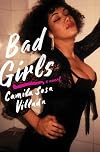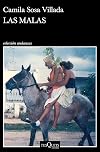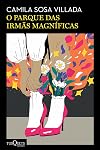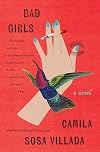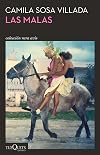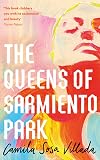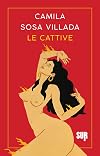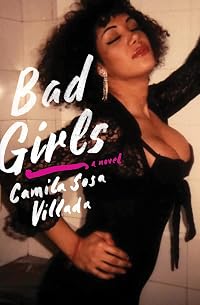
Bad Girls
by Camila Sosa Villada
On This Page
Description
"Gritty and unflinching, yet also tender, fantastical, and funny, a trans woman's coming-of-age tale about finding a community among fellow outcasts. Born in the small Argentine town of Mina Clavero, Camila is designated male but begins to identify from an early age as a girl. She is well aware that she's different from other children and reacts to her oppressive, poverty-stricken home life, with a cowed mother and abusive, alcoholic father, by acting out-with swift consequences. Deeply show more intelligent, she eventually leaves for the city to attend university, slipping into prostitution to make ends meet. And in Sarmiento Park, in the heart of Córdoba, she discovers the strange, wonderful world of the trans sex workers who dwell there. Taken under the wing of Auntie Encarna, the 178-year-old eternal whose house shelters this unconventional extended family, Camila becomes a part of their stories-of a Headless Man who fled his country's wars, a mute young woman who transforms into a bird, an abandoned baby boy who brings a twinkle to your eye. Camila Sosa Villada's extraordinary first novel is a rich, nuanced portrait of a marginalized community: their romantic relationships, friendships and squabbles, difficulties at work, aspirations and disappointments. It bears witness to these lives constantly haunted by the specter of death-by disease or more violent means at the hands of customers, boyfriends, or the police-yet full of passion, empathy, and insight"-- show lessTags
Recommendations
















Member Reviews
What an unremitting bummer. It’s not just the circumstances of her life as a poor sex worker, and the things that flow from that, which are sad, though they certainly are. It’s her willingness to reenact all the gatekeeping, toxic tropes, gender essentialist bullshit, and general hatred that were her constant diet and indeed, the diet of so many women who share something, anything of her history. One can always count on women of history to turn on each other with the utmost viciousness: anything to rank and subjugate, so that even if everyone is stuck on a hill of shit, at least some are to be placed lower on the hill.
The biggest lie one can believe, especially women who share anything of the author’s history is this: that you show more can be fed poison over and over again, and transmute it into something sacred and good and holy. You can’t. It’s not your failure, it’s an impossibility of the entire project. This book is no exception. She was fed poison, and mostly, has passed it along.
Sharing the poison with others who don’t have to eat the poison, so they can see how unhealthful it is, how unfair, how uncalled for, may be helpful, at least in theory, if they decide to do something about it. But so many people who read books like this are simply misery tourists - I see reviews here where people want to praise how “authentic” the misery is. Well, I guess it’s that, and if you’re such a tourist, I’m sure you’ll love this.
If that’s not you, I’d suggest reading something different; and while you’re at it, if you can, reach out to women of history, in a sincere way, as equals. Discount the poison language of a million poison politicians and their poison spewing enablers and apologists. Confront the poison you’ve internalized. Try to make the world better - including by recognizing poison narratives, calling them out, and voting against them and in favor of something better. show less
The biggest lie one can believe, especially women who share anything of the author’s history is this: that you show more can be fed poison over and over again, and transmute it into something sacred and good and holy. You can’t. It’s not your failure, it’s an impossibility of the entire project. This book is no exception. She was fed poison, and mostly, has passed it along.
Sharing the poison with others who don’t have to eat the poison, so they can see how unhealthful it is, how unfair, how uncalled for, may be helpful, at least in theory, if they decide to do something about it. But so many people who read books like this are simply misery tourists - I see reviews here where people want to praise how “authentic” the misery is. Well, I guess it’s that, and if you’re such a tourist, I’m sure you’ll love this.
If that’s not you, I’d suggest reading something different; and while you’re at it, if you can, reach out to women of history, in a sincere way, as equals. Discount the poison language of a million poison politicians and their poison spewing enablers and apologists. Confront the poison you’ve internalized. Try to make the world better - including by recognizing poison narratives, calling them out, and voting against them and in favor of something better. show less
Estava namorando esse livro desde que foi lançado no Brasil pela Tusquets, aí no fim do ano soube que sairia uma edição pela TAG e resolvi esperar, uma espera que se não valeu a pena por ter me apartado de um grande livro por mais tempo, ao menos me rendeu uma bonita edição física.
A gente vai achando que é uma autobiografia (e é), mas também dá de cara com uma prosa poética envolta em realismo mágico difícil de esquecer, como a própria autora não esconde suas influências, é uma mistura de Garcia Marquez com Marguerite Duras - o que de cara já me faria cair de joelhos pelo estilo.
Mas a potência não está só na maneira que Villada escreve e sim também no que escreve, a dureza da prostituição travesti, uma vida show more duplamente estigmatizada, uma vida cheia de misoginia e transfobia amparada por clientes que pensam exatamente que "elas são fáceis porque são pobres" achando que a vida delas não valem absolutamente nada. Pode parecer que a prosa poética da Villada alivia as coisas, mas o que é contado é cruel demais para se perder dentro da beleza de suas palavras, é ainda pujante no horror do ser humano show less
A gente vai achando que é uma autobiografia (e é), mas também dá de cara com uma prosa poética envolta em realismo mágico difícil de esquecer, como a própria autora não esconde suas influências, é uma mistura de Garcia Marquez com Marguerite Duras - o que de cara já me faria cair de joelhos pelo estilo.
Mas a potência não está só na maneira que Villada escreve e sim também no que escreve, a dureza da prostituição travesti, uma vida show more duplamente estigmatizada, uma vida cheia de misoginia e transfobia amparada por clientes que pensam exatamente que "elas são fáceis porque são pobres" achando que a vida delas não valem absolutamente nada. Pode parecer que a prosa poética da Villada alivia as coisas, mas o que é contado é cruel demais para se perder dentro da beleza de suas palavras, é ainda pujante no horror do ser humano show less
I heard about [b:The Queens of Sarmiento Park|61245642|The Queens of Sarmiento Park|Camila Sosa Villada|https://i.gr-assets.com/images/S/compressed.photo.goodreads.com/books/1654621493l/61245642._SY75_.jpg|69009065] during an excellent book festival event on trans fiction. It's an Argentinian novel set in the world of travestis, a word deliberately left untranslated as explained in the author's note. The protagonist, Camila, is a travesti sex worker whose daily life revolves around Sarmiento Park and Auntie Encarna's boarding house. Although there are plot developments when Aunti Encarna finds and adopts an abandoned baby, the narrative is largely a vivid and evocative journey through travesti experience:
Camila finds community in the park and boarding house, helping her to cope with violence and poverty. I think this novel is the most detailed and thoughtful examination of sex work I've ever read. It's both uncompromising and empathetic. I found it a beautifully written and atmospheric exploration of queer life. show less
Suddenly she strode in, tall asshow more
a cornstalk and just as skinny, with sunglasses covering her eyes and features. Auntie Encarna used to say, "All travestis possess the gift of transparency and the ability to dazzle." We were all used to walking very fast, almost cantering along. Our speed was a function of our need to be transparent. Every time our humanity solidified, men and women, children, the elderly, and teenagers would dry out that we weren't transparent at all, we were travestis, we were everything that moved them to spout insults, that they found disgusting. So, to greater or lesser effect, we opted for transparency. The triumph of getting home while managing to stay invisible and safe from attack. Transparency, camouflage, invisibility, and visual silence were our small daily joys. Moments of rest.
And so now she came into the pharmacy, subtly declaring that she was alive.
Camila finds community in the park and boarding house, helping her to cope with violence and poverty. I think this novel is the most detailed and thoughtful examination of sex work I've ever read. It's both uncompromising and empathetic. I found it a beautifully written and atmospheric exploration of queer life. show less
Quando lo cominci, lo devi finire. Non è una storia, ma molte storie che si intrecciano: Camila racconta la sua ma anche quella della sua comunità/famiglia di donne trans che ruota intorno a zia Encarna. “Ciò che avviene in quella casa è la complicità di un gruppo di orfane”, ed è questo che in parte viene raccontato e descritto: con tutto il carico di desiderio e difficoltà nell’esprimere ed esternare l’amore, inteso nel senso più ampio possibile. Ma oltre a questo, colpiscono tutta una serie di riflessioni sul corpo: un corpo in cui da un lato Camila non si riconosce e che trasforma, dall’altro usa come unico strumento in suo possesso e in vario modo (non ultimo, come fonte di reddito). Colpisce poi la violenza di show more alcune scene che però restano come edulcorate: perché “non è possibile fare la prostituta senza prima procedere a un’anestesia totale”.
Una lettura coinvolgente, non perfetta, ma piena di spunti di riflessione interessanti. show less
Una lettura coinvolgente, non perfetta, ma piena di spunti di riflessione interessanti. show less
"Death was a concept I couldn't get my head around. All I knew was hot to get through the day and avoid the dangers that stalked me at every turn. I didn't yet know that death had been with me since I was born, that she had my name tattooed on her forehead, that she holds my hand at night, sits down to eat with me, that we breathe in unison".
Bad Girls by Camila Sosa Villada is a coming of age, translated work about travesti sex workers in Argentina. The author includes a note as to why they choose to identify as travestis and why language is important in claiming their own narrative.
This story was heartbreaking and compelling. It really brings to light the importance of community in the trans world for survival. Society asks them to show more continually die to themselves in order to be worthy of being loved and accepted. They are met with unspeakable violence if they live as their authentic selves.
The author uses visibility as an important theme to show the ways that trans women long to be fully seen in their humanity but at the same time have to stay hidden to avoid violence at the hands of men. This story also talks about the importance of owning their own bodies and what bodies society deems valuable and worthy of respect. Camila, the main protagonist speaks of the ways many transwomen struggle with acceptance and love because of the rejection of their parents that forced them onto the streets.
It was interesting to see how class affects who gets to come out, what economic opportunities are available and how privilege is traversed between worlds. The magical realism aspects added layers to the story and were a metaphor for the ways that some tranwomen literally transform because of the pain that they feel.
The aspect of community is at the core of this story. Being in relationship with others just like themselves is how transwoman form their identities, get the support & safety that they need and literally how they survive day to day. Society pushes this community to the outskirts of the margins and slowly kills them through medical discrimination, gentrification, criminalization & patriarchal violence.
The aspect of language is crucial to identity as well. It is one of the only things that allows them to not only identity themselves but to voice their stories to the world. Motherhood is explored in a nuanced way as you see their community mother tap in to her maternal instincts when she finds an abandoned baby and takes him in. They all play a part in mothering this child as the neighborhood rallies against them and hurls violence and threatens legal action. They cling to motherhood for their own survival and for the survival of their community. This an essential read and I highly recommend that you pick this one up. show less
Bad Girls by Camila Sosa Villada is a coming of age, translated work about travesti sex workers in Argentina. The author includes a note as to why they choose to identify as travestis and why language is important in claiming their own narrative.
This story was heartbreaking and compelling. It really brings to light the importance of community in the trans world for survival. Society asks them to show more continually die to themselves in order to be worthy of being loved and accepted. They are met with unspeakable violence if they live as their authentic selves.
The author uses visibility as an important theme to show the ways that trans women long to be fully seen in their humanity but at the same time have to stay hidden to avoid violence at the hands of men. This story also talks about the importance of owning their own bodies and what bodies society deems valuable and worthy of respect. Camila, the main protagonist speaks of the ways many transwomen struggle with acceptance and love because of the rejection of their parents that forced them onto the streets.
It was interesting to see how class affects who gets to come out, what economic opportunities are available and how privilege is traversed between worlds. The magical realism aspects added layers to the story and were a metaphor for the ways that some tranwomen literally transform because of the pain that they feel.
The aspect of community is at the core of this story. Being in relationship with others just like themselves is how transwoman form their identities, get the support & safety that they need and literally how they survive day to day. Society pushes this community to the outskirts of the margins and slowly kills them through medical discrimination, gentrification, criminalization & patriarchal violence.
The aspect of language is crucial to identity as well. It is one of the only things that allows them to not only identity themselves but to voice their stories to the world. Motherhood is explored in a nuanced way as you see their community mother tap in to her maternal instincts when she finds an abandoned baby and takes him in. They all play a part in mothering this child as the neighborhood rallies against them and hurls violence and threatens legal action. They cling to motherhood for their own survival and for the survival of their community. This an essential read and I highly recommend that you pick this one up. show less
Las Malas va directo a la lista de los libros que más me gustaron en 2020.
Un libro sobre vivir contra corriente y sobrevivir; sobre el amor, la maternidad, la sororidad, el feminismo, la fidelidad a una misma, el ser mujer, la dignidad y la vergüenza, la libertad y la soledad.
Un libro duro -muy, muy duro- pero escrito con el alma, franco y desgarrador a ratos, poético todo el tiempo; alegre y profundamente doloroso.
Escrito desde las vivencias de primera mano de Camila Sosa Villada, sentí vergüenza por esa mayoría (principalmente esa que cree que puede imponer su moral u ocultar la doble mora), tan cruel e inhumana con las minorías tan únicas, valientes y luminosas. Le agradezco principalmente el realismo descarnado, que nos show more hace querer voltear para otro lado, al tiempo que queremos saber más de su mujer pájaro, los hombres sin cabeza, la hombre loba, la prostituta de 113 años o el niño oráculo y tantos milagros más. (A ratos me recuerda a un poco a Temporada de Huracanes de Fernanda Melchor, en dónde también cuenta algunas de las atrocidades del mundo, pero logran hacerlo con elegancia, belleza y hasta con ciertos toques de magia.)
Cuando terminé el libro, quería abrazar a Camila, no porque ella lo necesitara: porque lo necesitaba yo. Deseo que la magia de sus letras logre curar algo de las múltiples heridas de cada una de las Mujeres que, con sus altísimos tacones, cruzaron estas páginas, llenándolas de colores iridiscentes y brillantes. show less
Un libro sobre vivir contra corriente y sobrevivir; sobre el amor, la maternidad, la sororidad, el feminismo, la fidelidad a una misma, el ser mujer, la dignidad y la vergüenza, la libertad y la soledad.
Un libro duro -muy, muy duro- pero escrito con el alma, franco y desgarrador a ratos, poético todo el tiempo; alegre y profundamente doloroso.
Escrito desde las vivencias de primera mano de Camila Sosa Villada, sentí vergüenza por esa mayoría (principalmente esa que cree que puede imponer su moral u ocultar la doble mora), tan cruel e inhumana con las minorías tan únicas, valientes y luminosas. Le agradezco principalmente el realismo descarnado, que nos show more hace querer voltear para otro lado, al tiempo que queremos saber más de su mujer pájaro, los hombres sin cabeza, la hombre loba, la prostituta de 113 años o el niño oráculo y tantos milagros más. (A ratos me recuerda a un poco a Temporada de Huracanes de Fernanda Melchor, en dónde también cuenta algunas de las atrocidades del mundo, pero logran hacerlo con elegancia, belleza y hasta con ciertos toques de magia.)
Cuando terminé el libro, quería abrazar a Camila, no porque ella lo necesitara: porque lo necesitaba yo. Deseo que la magia de sus letras logre curar algo de las múltiples heridas de cada una de las Mujeres que, con sus altísimos tacones, cruzaron estas páginas, llenándolas de colores iridiscentes y brillantes. show less
2022. A novel about many sex workers living in Córdoba, Argentina. It’s a hard life facing hate, violence, and AIDS. Beautifully told, with a travesti mythology all its own.
Members
- Recently Added By
Lists

Dublin Literary Award 2023 Longlist
67 works; 5 members
Author Information

8+ Works 503 Members
Some Editions
Awards and Honors
Awards
Notable Lists
Common Knowledge
- Canonical title
- The Queens of Sarmiento Park; Bad Girls
- Original title
- Las Malas
- Original publication date
- 2019; 2021 (traduction française) (traduction française)
- People/Characters
- Camila Sosa Villada
- Important places
- Argentina
- Original language
- Spanish
Classifications
- Genres
- Fiction and Literature, General Fiction, LGBTQ+
- DDC/MDS
- 863.7 — Literature & rhetoric Spanish Literature Spanish fiction 21st Century
- LCC
- PQ7798.429 .O757 .M3513 — Language and Literature French, Italian, Spanish and Portuguese literatures Spanish literature Provincial, local, colonial, etc. Spanish America
- BISAC
Statistics
- Members
- 333
- Popularity
- 95,377
- Reviews
- 14
- Rating
- (4.06)
- Languages
- 10 — English, Finnish, French, German, Italian, Polish, Portuguese, Spanish, Swedish, Turkish
- Media
- Paper, Audiobook, Ebook
- ISBNs
- 27
- ASINs
- 7