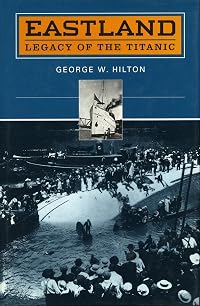
Eastland: Legacy of the Titanic
by George W. Hilton
On This Page
Description
On the morning of July 14, 1915, the steamer Eastland capsized in the Chicago River as she was casting off her lines preparing to depart on an excursion of Western Electric Company employees to a company picnic. The accident killed more than 800 men, women, and children, making it the worst disaster of any kind in the history of Chicago and in the history of the Great Lakes. This first comprehensive account of the Eastland disaster attempts to explain what has always been regarded as an show more inexplicable event. In the process, the author refutes many of the myths that have grown out of the Eastland tragedy, notably that the ship capsized because most of her passengers suddenly rushed from starboard - the wharf side - to port. No similar maritime disaster has received more attention to detail than the author has accorded the Eastland, making this a landmark study in the annals of American maritime history. The Eastland was stable when she was built in 1903, but was reduced to only marginal stability by modifications made during her first season of operation. The ship nearly capsized on July 1904, and experienced other episodes of instability and near-catastrophe over the course of her first twelve years. The final straw was the changes made to the ship in anticipation of the requirements of the La Follette Seamen's Act of 1915. This legislation was the American manifestation of the boats-for-all movement that emerged from the worldwide furor following the sinking of the Titanic, when it was revealed that she carried boatage for only 1,178 people of her licensed capacity of 1,603. On July 2, 1915, three lifeboats and six liferafts were added to the Eastland to increase her licensed capacity. These additions severely aggravated her chronic topheaviness, and 22 days later, on the first occasion she was loaded to her new capacity, the Eastland capsized. The book first describes the previous history of the ship (which was designed for fast overnight passenger service and was ill equipped for use as an excursion vessel), showing how various managements, steamboat inspectors, and, finally, government legislation brought the ship to her fatal condition. The disaster itself is reconstructed on a vivid, minute-by-minute basis, largely from personal testimony in the legal battles that ensued and from contemporary newspaper accounts. The remainder of the book recounts the desperate rescue and relief efforts, the various official investigations, the criminal and civil trials that followed, and the subsequent history of the Eastland as the naval training vessel Wilmette in World War II. The book is richly illustrated with more than 100 photographs, drawings, facsimiles, maps, and diagrams. show lessTags
Recommendations
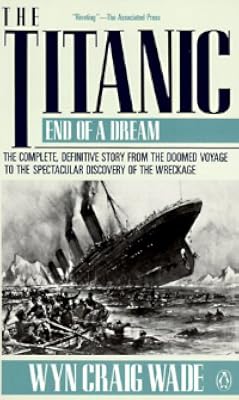
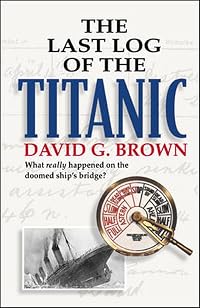
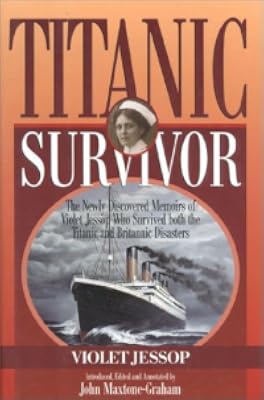
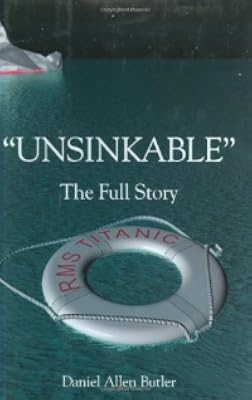



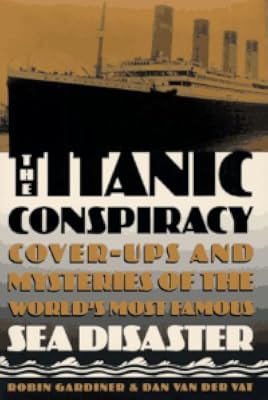








Member Recommendations
Member Reviews
A thoroughly researched treatise on the Eastland disaster. Hilton's premise is that the Eastland tragedy was caused by the laws enacted in reaction to the Titanic, which required greater numbers of lifeboats than ever before (of course, ironically, the way the Eastland capsized, lifeboats were of no use to saving lives). The book is written with that in mind but still presents a complete history of the event: the ship; the historical context of the laws, shipping and other boat trade at the time, and applicable ship physics; how the ship capsized and why; why people at the *time* thought the ship capsized; disaster relief; further history of the ship; the cases both criminal and civil; and other similar tragedies. It is really a most show more thorough book. There are parts that are incredibly technical but are also explained in ways that a layperson can get the gist of it.
A great addition to a Chicago historian's library! show less
A great addition to a Chicago historian's library! show less
2780 Eastland: Legacy of the Titanic, by George W. Hilton (read 21 Aug 1995) The Eastland was a cruise ship which capsized on July 24, 1915, in the Chicago River. It had just been loaded with 2501 people. Over 800 died. The book is highly technical in its discussion of the cause of the disaster. Appropriately, an appendix lists all the dead people. The Eastland eventually became the Wilmette and served as a Navy ship till 1947. Much of the book was too technical for me, but I surely admire the thoroughness with which the author, professor emeritus of Economics at UCLA, did the research.
Ratings
Members
- Recently Added By
Author Information

22 Works 483 Members
George W. Hilton is a professor emeritus of economics at the University of California, Los Angeles.
Common Knowledge
- Important places
- Chicago River, Illinois, USA; Illinois, USA
- Canonical DDC/MDS
- 977.311
- Canonical LCC
- G530.E18
Classifications
Statistics
- Members
- 32
- Popularity
- 882,264
- Reviews
- 2
- Rating
- (3.60)
- Languages
- English
- Media
- Paper
- ISBNs
- 2
- ASINs
- 1