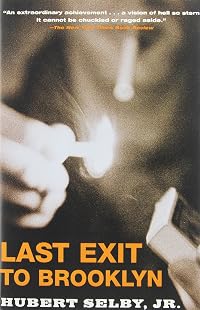
Last Exit to Brooklyn
by Hubert Selby Jr.
On This Page
Description
"An extraordinary achievement . . . a vision of hell so stern it cannot be chuckled or raged aside."—The New York Times Book ReviewA classic of postwar American literature, Last Exit to Brooklyn created shock waves upon its release in 1964 with its raw, vibrant language and startling revelations of New York City's underbelly. The prostitutes, drunks, addicts, and johns of Selby's Brooklyn are fierce and lonely creatures, desperately searching for a moment of transcendence amidst the decay show more and brutality of the waterfront—though none have any real hope of escape. Last Exit to Brooklyn offers a disturbing yet hauntingly sensitive portrayal of American life, and nearly fifty years after publication, it stands as a crucial and masterful work of modern fiction. This ebook features an illustrated biography of Hubert Selby Jr. including rare photos from the author's estate. show less
Tags
Recommendations
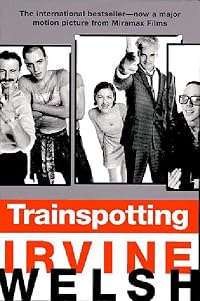
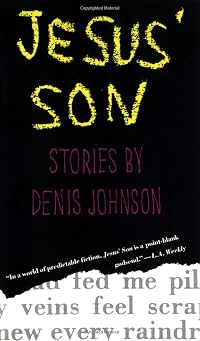
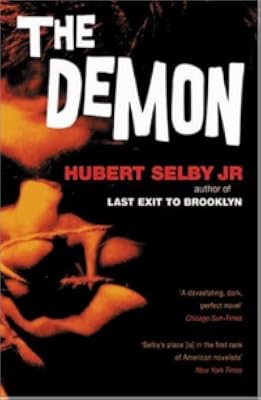
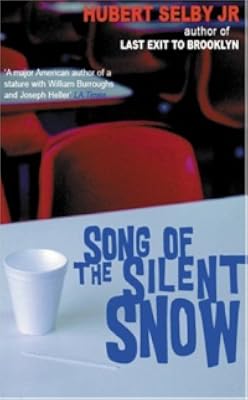
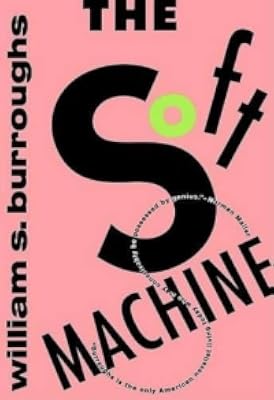


Member Recommendations
Nassime Do not let the author identity scandal surrounding this novel dilute your appreciation of it. For me the true Child of Selby's masterpiece is this
Member Reviews
This book is shocking. It describes the lives of a collection of Brooklyn residents in the 1960s and will leave you wondering how on earth anyone survived there at all with any semblance of sanity left. These are rough characters. On the one had I could talk about their actions as survival techniques in the 'eat or be eaten' atmosphere, or I could talk about their callous gleeful anger and infliction of violence upon each other. I think I'll talk about something different instead.
This book was hard to read, but I kept going because of the post script by the author. I was about to abandon ship, the constant sadness and hardship and faithless violence was too much for me, so I read the post script as a farewell. And in it Selby talked show more about leaving his mark, contributing something to this world when he thought he had not much time left on this earth to do so. He wanted to leave his legacy, yes, but he also wanted the voices of the people in his neighbourhood to be heard. This is where the power of the book lies. Goodness only knows how many people live like the people in this book- scraping together money from anywhere for alcohol or drugs, fervently seeking validation from peers by being the toughest or the cruelest, desperately craving that buzz from impressing someone with your latest conquest/hairstyle/round of drinks, living in fear of having violated some rule of the neighbourhood and having the local thugs raining their fists and boots on you, the children locked in apartments while their parents yell and scream and worse at each other. It is not pretty, these lives are out there being lived, and my take is that Selby wanted to have their experiences documented. In their own way, all the people in the book are seeking happiness (companionship/acceptance/love). Their ability to find it is seriously hampered by the ways they go about it, and their complete lack of empathy for others.
The bigger chapter in the middle section of the book on the union leader unfolded spectacularly, and although I read it with foreboding, and the ending was not such a huge surprise, it took me to a place I couldn't have reached on my own. This guy was seriously damaged and had no concept of how he was seen by others, or how he was being used, or how he was using or abusing others. That lack of insight can (I suppose) explain the actions of a lot of the characters. As a sociological account it is incredible, as a reading experience it is difficult and upsetting. show less
This book was hard to read, but I kept going because of the post script by the author. I was about to abandon ship, the constant sadness and hardship and faithless violence was too much for me, so I read the post script as a farewell. And in it Selby talked show more about leaving his mark, contributing something to this world when he thought he had not much time left on this earth to do so. He wanted to leave his legacy, yes, but he also wanted the voices of the people in his neighbourhood to be heard. This is where the power of the book lies. Goodness only knows how many people live like the people in this book- scraping together money from anywhere for alcohol or drugs, fervently seeking validation from peers by being the toughest or the cruelest, desperately craving that buzz from impressing someone with your latest conquest/hairstyle/round of drinks, living in fear of having violated some rule of the neighbourhood and having the local thugs raining their fists and boots on you, the children locked in apartments while their parents yell and scream and worse at each other. It is not pretty, these lives are out there being lived, and my take is that Selby wanted to have their experiences documented. In their own way, all the people in the book are seeking happiness (companionship/acceptance/love). Their ability to find it is seriously hampered by the ways they go about it, and their complete lack of empathy for others.
The bigger chapter in the middle section of the book on the union leader unfolded spectacularly, and although I read it with foreboding, and the ending was not such a huge surprise, it took me to a place I couldn't have reached on my own. This guy was seriously damaged and had no concept of how he was seen by others, or how he was being used, or how he was using or abusing others. That lack of insight can (I suppose) explain the actions of a lot of the characters. As a sociological account it is incredible, as a reading experience it is difficult and upsetting. show less
Amikor Fenyő Miklós felhúzta a csőnacit, és belőtte magának a kacsafarok-frizurát, aligha voltak információi arról, Brooklynban hogy megy ez. Mert bizony az ottani jampik nem önfeledt limbó-hintózással vezették ám le a feszültséget. Az önszórakoztatás eszköze náluk a mások fél- vagy egészen holtra verése volt, miközben úgy ették a benzedrin-tablettát, mint más a szőlőcukrot. Ha szerelemre vágytak, nem Marina után sikoltoztak az utcabálon, mint szegény becsületben megbolondult Szikora Robi, hanem megerőszakoltak valakit. Ha pedig elfogyott a pénz, akkor simán kerestek egy matrózt az utcán, akit kirabolhattak – és összekötve a kellemest a hasznossal, mellesleg félholtra is verték. Jó, show more aláírom, bizonyára voltak tisztességes lilazakós jampik is, akik számára a szabálysértés maximum azt jelentette, hogy túl hangosan éneklik az „iminimi-szeminimi- juváp-csuvaminimi”-t, de ezek a brooklyniak, nos, ezek brutális arcok voltak. És Selby olyan közel hozza őket, hogy érezzük áporodott szájszagukat, és el tudjuk képzelni a félelmet, amit azok éltek át, akik összefutottak velük valami sötét sikátorban.
Iszonyatosan kegyetlen, mocskosul naturális regény. Nem is értem, vajon miért akarták betiltani anno. Hisz alig elképzelhető olyan szöveg, ami jobban elrettentené az embert ettől az egésztől. Hogy a létezés eme pokoli segglyukában kössön ki. Nyilván Selby olyan dolgokat is tollhegyre tűz (1964-ben!), amelyekről addig senki nem beszélt – és ugye amiről nem beszélünk, az nincs is. Aprólékosan ábrázolja a homoszexualitást - magával az aktussal együtt -, az erőszak pedig ebben a világban a mindennapok elidegeníthetetlen része, tulajdonképpen a problémamegoldás egyetlen lehetséges eszköze. A létezés, amit leír, zsigerileg taszító – tulajdonképpen meg is köszönhetnék neki a konzervatívok, hogy ilyen csodás ellenreklámot csinál a nagyvárosi szabadosságnak.
Hogy itthon miért nem jelenhetett meg a rendszerváltás előtt, az persze világos. És nem csak arra gondolok, hogy akkoriban milyen kevésbé tolerálták a cenzorok a trágár beszédet és az agresszió ilyen nyílt ábrázolását. Hanem mert bizony ez a regény baromi távol áll attól, amiben a szocializmus hinni akar. Itt szó sincs osztálytudatról. A munkások, a szegények nem viselik méltósággal sorsukat, hanem vadállattá teszi őket a nincstelenség. Nem fognak össze, hanem csak kínozzák egymást: férj a feleséget, szülő a gyereket, fehér a feketét, egyik részeg a másikat. A munkáltató persze tetű, de a szakszervezet se sokkal jobb, kész maffia. Nincs menekvés, nincs lehetőség kimászni a szarból. Csak el lehet feledni egy picit, hogy ez az egész szar, ha benyomsz hat sört meg három benzedrint. Vagy ha ez se elég, akkor elintézed, hogy másnak még nálad is szarabb legyen, és az úgy jó.
Egy ideig.
Aztán másnap kezdődik minden elölről. show less
Iszonyatosan kegyetlen, mocskosul naturális regény. Nem is értem, vajon miért akarták betiltani anno. Hisz alig elképzelhető olyan szöveg, ami jobban elrettentené az embert ettől az egésztől. Hogy a létezés eme pokoli segglyukában kössön ki. Nyilván Selby olyan dolgokat is tollhegyre tűz (1964-ben!), amelyekről addig senki nem beszélt – és ugye amiről nem beszélünk, az nincs is. Aprólékosan ábrázolja a homoszexualitást - magával az aktussal együtt -, az erőszak pedig ebben a világban a mindennapok elidegeníthetetlen része, tulajdonképpen a problémamegoldás egyetlen lehetséges eszköze. A létezés, amit leír, zsigerileg taszító – tulajdonképpen meg is köszönhetnék neki a konzervatívok, hogy ilyen csodás ellenreklámot csinál a nagyvárosi szabadosságnak.
Hogy itthon miért nem jelenhetett meg a rendszerváltás előtt, az persze világos. És nem csak arra gondolok, hogy akkoriban milyen kevésbé tolerálták a cenzorok a trágár beszédet és az agresszió ilyen nyílt ábrázolását. Hanem mert bizony ez a regény baromi távol áll attól, amiben a szocializmus hinni akar. Itt szó sincs osztálytudatról. A munkások, a szegények nem viselik méltósággal sorsukat, hanem vadállattá teszi őket a nincstelenség. Nem fognak össze, hanem csak kínozzák egymást: férj a feleséget, szülő a gyereket, fehér a feketét, egyik részeg a másikat. A munkáltató persze tetű, de a szakszervezet se sokkal jobb, kész maffia. Nincs menekvés, nincs lehetőség kimászni a szarból. Csak el lehet feledni egy picit, hogy ez az egész szar, ha benyomsz hat sört meg három benzedrint. Vagy ha ez se elég, akkor elintézed, hogy másnak még nálad is szarabb legyen, és az úgy jó.
Egy ideig.
Aztán másnap kezdődik minden elölről. show less
I did not want this series of stories to end, I was riveted by the writing, the descriptions and the characters.
This is people laid bare in the most brutal and ugliest of ways and what redeeming features they may have are quickly lost in drugs, booze and sex. What I loved was that throughout each story you went through a range of emotions towards each character, you loathed them, you empathised, you felt devastated but at the end you were never sure what to feel.
Each of the stories (except for Landsend)has as a connection the Greek cafe where many of the characters will meet, drink or pass by. I found all the stories fascinating but I particularly liked:
The Queen Is Dead - centres around Georgette a transvestite hooker and what you show more see is her addictions. Her addiction benzedrine (or bennies) and her addiction to Vinnie. Both of these addictions she chases with zealous need and you watch fascinated by her pursuit of both.
Tralala - centres on a young prostitute and you see her at the so called top of her game, where everybody wants her and follow her through her demise as a prostitute. The ending is horrifically brutal but there are so many layers beyond that where a mirror is held up to society and is almost saying to us, yes she is a prostitute, yes she is a thief and yes she is a horrid person but by the treatment she receives from the participants and the spectators are any of them any better?
Strike, Harry Black is a union organizer and is not well liked by just about everyone. Yet Harry can not see that and believes that he is a real player in the game of life. Harry is that he is a closest homosexual and while the strike happens we see witness Harry discover his true sexuality. I loved that about the story but I loved the union scenes, you almost felt apart of the picket line and the frustration of the workers. A rich story but even Harry receives a brutal comeuppance at the end.
Landsend is about the people and the projects. You have studies of individuals, couples, and families. Again a brutal portrayal and you felt like you were the writer, sitting near your window, watching these people play out their very existence in front of you day after day. You could see the frustration of failed marriages, disenchanted marriages and youth bored and ready to fight.
I truly did not want this book to end. It is honest, hard to digest and there are no roses in this book. That lack of sugar coating provides a wonderful view into complicated lives. show less
This is people laid bare in the most brutal and ugliest of ways and what redeeming features they may have are quickly lost in drugs, booze and sex. What I loved was that throughout each story you went through a range of emotions towards each character, you loathed them, you empathised, you felt devastated but at the end you were never sure what to feel.
Each of the stories (except for Landsend)has as a connection the Greek cafe where many of the characters will meet, drink or pass by. I found all the stories fascinating but I particularly liked:
The Queen Is Dead - centres around Georgette a transvestite hooker and what you show more see is her addictions. Her addiction benzedrine (or bennies) and her addiction to Vinnie. Both of these addictions she chases with zealous need and you watch fascinated by her pursuit of both.
Tralala - centres on a young prostitute and you see her at the so called top of her game, where everybody wants her and follow her through her demise as a prostitute. The ending is horrifically brutal but there are so many layers beyond that where a mirror is held up to society and is almost saying to us, yes she is a prostitute, yes she is a thief and yes she is a horrid person but by the treatment she receives from the participants and the spectators are any of them any better?
Strike, Harry Black is a union organizer and is not well liked by just about everyone. Yet Harry can not see that and believes that he is a real player in the game of life. Harry is that he is a closest homosexual and while the strike happens we see witness Harry discover his true sexuality. I loved that about the story but I loved the union scenes, you almost felt apart of the picket line and the frustration of the workers. A rich story but even Harry receives a brutal comeuppance at the end.
Landsend is about the people and the projects. You have studies of individuals, couples, and families. Again a brutal portrayal and you felt like you were the writer, sitting near your window, watching these people play out their very existence in front of you day after day. You could see the frustration of failed marriages, disenchanted marriages and youth bored and ready to fight.
I truly did not want this book to end. It is honest, hard to digest and there are no roses in this book. That lack of sugar coating provides a wonderful view into complicated lives. show less
This is a raw and brutal set of stories about a group of people who lived lives centering on violence, sex, alcoholism, and drugs in 1960s Brooklyn, New York. The stories are self-contained although they have some characters who appear in more than one story. I would guess these were probably based on people the author knew in his youth.
I started the book once quickly out of curiosity to see how long I’d last, but I soon restarted it to concentrate more deeply on each story as I found this book provocative and well-written. It had been praised by other authors such as Allen Ginsberg and Anthony Burgess. It packs a powerful punch, but it is not for the faint of heart or the easily offended. It is dark, misogynistic, depressing, and show more savage. The writing moves along at warp speed with each paragraph starting strangely at a random place and each paragraph containing multiple conversations lacking most punctuation. It is quite off-beat, colloquial and unusual in its grammatical form.
I was pretty amazed at this book. It was a slice of life in the seediest, most downtrodden parts of Brooklyn. Surprisingly, though, I found it easy to read.
The story I liked the best was called “Strike” and was about Harry Black, a leading union man, although a good-for-nothing otherwise, and the company who refused to cater to union demands unless Harry Black could be removed. This story seemed as if it went on forever, perhaps much like the length of time the workers were on strike.
In reading afterward about this novel, I learned that it was part of a genre called transgressive literature, along with such works as Vladimir Nabokov’s [Lolita], Chuck Palahniuk’s [Fight Club], Ryū Murakami’s [Almost Tranparent Blues] and Irvine Welch’s [Trainspotting]. As in those novels, [Last Exit From Brooklyn] might have had just a thin line separating its literarary value from obscenity...or was there a line at all? show less
I started the book once quickly out of curiosity to see how long I’d last, but I soon restarted it to concentrate more deeply on each story as I found this book provocative and well-written. It had been praised by other authors such as Allen Ginsberg and Anthony Burgess. It packs a powerful punch, but it is not for the faint of heart or the easily offended. It is dark, misogynistic, depressing, and show more savage. The writing moves along at warp speed with each paragraph starting strangely at a random place and each paragraph containing multiple conversations lacking most punctuation. It is quite off-beat, colloquial and unusual in its grammatical form.
I was pretty amazed at this book. It was a slice of life in the seediest, most downtrodden parts of Brooklyn. Surprisingly, though, I found it easy to read.
The story I liked the best was called “Strike” and was about Harry Black, a leading union man, although a good-for-nothing otherwise, and the company who refused to cater to union demands unless Harry Black could be removed. This story seemed as if it went on forever, perhaps much like the length of time the workers were on strike.
In reading afterward about this novel, I learned that it was part of a genre called transgressive literature, along with such works as Vladimir Nabokov’s [Lolita], Chuck Palahniuk’s [Fight Club], Ryū Murakami’s [Almost Tranparent Blues] and Irvine Welch’s [Trainspotting]. As in those novels, [Last Exit From Brooklyn] might have had just a thin line separating its literarary value from obscenity...or was there a line at all? show less
I can't rate this. I can't read this. I acknowledge that the world holds brutality- the likes of which many of us have never known- and to pretend that it it doesn't does no favors to art or literature. However, to present ONLY the most brutal- or at the least heartless- of the actions of a given population seems an omission of it's own. I like to believe that some men aren't douchebags, and some women have a modicum of self-respect...even among the downtrodden and desperate...I'm sure I'm missing the point, but this book made me physically ill.
Is it well written? The chapter with Georgette is well-done, clever - her sad persistent obsession with Vinnie believable & heart-breaking- the introduction of "The Raven" very effective. The 1st show more section, and the one about the baby seem pointless, contrived, and disposable. Got part way through Tralala & can't continue.
If you have ever actually suffered physical or emotional abuse, rape, sexual coercion or degradation to an extent that damaged you (wow, that sounds like a lot of us)...good luck reading this and not undoing years of therapy.
I'm giving this a right-down-the-middle 2.5, in an attempt to be fair & not judge soly on content.
Just because you CAN write something like this, does it mean you SHOULD? That's the ringing question I take away. show less
Is it well written? The chapter with Georgette is well-done, clever - her sad persistent obsession with Vinnie believable & heart-breaking- the introduction of "The Raven" very effective. The 1st show more section, and the one about the baby seem pointless, contrived, and disposable. Got part way through Tralala & can't continue.
If you have ever actually suffered physical or emotional abuse, rape, sexual coercion or degradation to an extent that damaged you (wow, that sounds like a lot of us)...good luck reading this and not undoing years of therapy.
I'm giving this a right-down-the-middle 2.5, in an attempt to be fair & not judge soly on content.
Just because you CAN write something like this, does it mean you SHOULD? That's the ringing question I take away. show less
It seems like whenever I hear about the 1950s people tend to talk about how wholesome and pleasant it was. One would think that nothing untoward or degrading ever happened. We all know that isn't true, and if you don't believe me read Last Exit to Brooklyn. It is more than just a story about a neighborhood in New York; hell, I wouldn't even call it a novel. It is more like a synopsis to impoverished, urban American culture in general. It is a string of interconnected characters moving tangentially yet chaotically out of control.
I've read some pretty rough, crude, scary stuff, but this one takes the cake. It has everything: neighborhood ruffians/criminals; cross-dressing, drug-addicted prostitutes; sluts; rapists; closet homosexuals that show more sink so low as to molest children; wife beaters; child neglectors. I mean, this book is really sick.
I wasn't sure I liked the book until the final part, the coda. When I began reading this, I finally understood the method to Selby's madness. This part is a day in the life of the projects. Moving from individual to individual and family to family, the reader meets, parts from, and re-meets people and sees their situations and circumstances. None of them are good. This book takes those wholesome images and shoves them right up the reader's ass, twists, and then leaves them there. Truly, you don't leave this book quite the same person. show less
I've read some pretty rough, crude, scary stuff, but this one takes the cake. It has everything: neighborhood ruffians/criminals; cross-dressing, drug-addicted prostitutes; sluts; rapists; closet homosexuals that show more sink so low as to molest children; wife beaters; child neglectors. I mean, this book is really sick.
I wasn't sure I liked the book until the final part, the coda. When I began reading this, I finally understood the method to Selby's madness. This part is a day in the life of the projects. Moving from individual to individual and family to family, the reader meets, parts from, and re-meets people and sees their situations and circumstances. None of them are good. This book takes those wholesome images and shoves them right up the reader's ass, twists, and then leaves them there. Truly, you don't leave this book quite the same person. show less
Ok so...this book makes Raymond Carver look like a stand up comedian next to Hubert Selby Jr. It is grueling. The characters are all a little depraved and desperately flawed. Most of the time, they seem to possess no idea of just how frighteningly misguided they are. The men are all misogynistic sadists whose wives should run before they are raped and murdered with their unattended babies falling off of ledges. The men that do work are despicably lazy. These are the criminals and underworld druggies, wifebeaters, and transvestites that existed long before Brooklyn became the trendy indie rock scene it is today. This is the life in the projects and it seems quite real and graphic. The rage these characters feel is like glimpsing into the show more mind of a sociopath.
This book was banned for a time and tried for obscenity in British courts when it was initially sought to be published there (Selby is a NYer). It was the inspiration for Trainspotting (a novel I found far more complex politically and therefore more worthwhile) and the baseness of the characters definitely makes the two novels touch upon similar issues and levels. Much as Irvine Welsh does (and there is a forward from him in my copy of this book), Hubert Selby Jr. writes in the vernacular of the working-poor class characters so you can vividly sense their stream of consciousness and dialogue. You can actually hear them pretty easily as one does with Welsh's Trainspotting characters.
However, where Welsh succeeds, Selby seems to fail. Welsh presents a dose of realism but he also ties this in with politics in a way that looks at religion and history of Scotland vs. Ireland vs. England. This makes Trainspotting far more complex and successful on other levels. Selby shows a glimpse into a cruel world, which also becomes a document for a time when Brooklyn wasn't regentrified as well as when racism and homophobia was much more rampant. It wasn't a time in American history one can feel particularly proud of and I can't help but feel relieved I wasn't born during this time into a Brooklyn project because I doubt I'd really survive that (especially with any of these male characters as fathers).
But the problem I have with this novel is that I don't really get a deeper message from it. There aren't any solutions offered here and I just ended up feeling really depressed and angry. I'm not really one of those people that just wants to read happy books all the time. I like an intellectual challenge but I already know there are psychopaths in the world. I know there are men who beat their wives and children and even molest children. I am well aware that evil exists and that it's not exactly a new phenomenon, which leads me to wonder why I should rate this book any higher. I will say I thought the author's story was interesting-that he decided to become a writer after being diagnosed with a lung disease and given a poor prognosis (he outlived anyone's expectations). I also found it interesting that he studied or was mentored by Gil Sorrentino but I have to say that I found his afterward a little irritating...his assumption that he'd contributed and left the world something makes an assumption I'm not sure I'd agree with myself. But I'm sure if aliens were to find this novel as the only item left to explain the human race, they wouldn't regret destroying our planet for a second. show less
This book was banned for a time and tried for obscenity in British courts when it was initially sought to be published there (Selby is a NYer). It was the inspiration for Trainspotting (a novel I found far more complex politically and therefore more worthwhile) and the baseness of the characters definitely makes the two novels touch upon similar issues and levels. Much as Irvine Welsh does (and there is a forward from him in my copy of this book), Hubert Selby Jr. writes in the vernacular of the working-poor class characters so you can vividly sense their stream of consciousness and dialogue. You can actually hear them pretty easily as one does with Welsh's Trainspotting characters.
However, where Welsh succeeds, Selby seems to fail. Welsh presents a dose of realism but he also ties this in with politics in a way that looks at religion and history of Scotland vs. Ireland vs. England. This makes Trainspotting far more complex and successful on other levels. Selby shows a glimpse into a cruel world, which also becomes a document for a time when Brooklyn wasn't regentrified as well as when racism and homophobia was much more rampant. It wasn't a time in American history one can feel particularly proud of and I can't help but feel relieved I wasn't born during this time into a Brooklyn project because I doubt I'd really survive that (especially with any of these male characters as fathers).
But the problem I have with this novel is that I don't really get a deeper message from it. There aren't any solutions offered here and I just ended up feeling really depressed and angry. I'm not really one of those people that just wants to read happy books all the time. I like an intellectual challenge but I already know there are psychopaths in the world. I know there are men who beat their wives and children and even molest children. I am well aware that evil exists and that it's not exactly a new phenomenon, which leads me to wonder why I should rate this book any higher. I will say I thought the author's story was interesting-that he decided to become a writer after being diagnosed with a lung disease and given a poor prognosis (he outlived anyone's expectations). I also found it interesting that he studied or was mentored by Gil Sorrentino but I have to say that I found his afterward a little irritating...his assumption that he'd contributed and left the world something makes an assumption I'm not sure I'd agree with myself. But I'm sure if aliens were to find this novel as the only item left to explain the human race, they wouldn't regret destroying our planet for a second. show less
Members
- Recently Added By
Published Reviews
ThingScore 100
The problem with the subsequent notoriety of the book, and its status as a cause célèbre of British anti-censorship, is that this has overshadowed Last Exit itself – the visceral power of its prose and the profundity of Selby’s moral universe.
Selby’s narrative style, a form of typography that ‘would work as musical notation’ – a direct development of his love for classical music show more – dispensed with the conventional formalities of dialogue. Selby had a profound dislike of the simplistic and unrealistic ‘he said, she said’ device. Selby’s characters speak with an idiosyncratic flow. Each can be identified by their own rhythms of speech. The form and structure of dialogue is specific to the feel and flow of emotion that shapes each character’s inner life. show less
Selby’s narrative style, a form of typography that ‘would work as musical notation’ – a direct development of his love for classical music show more – dispensed with the conventional formalities of dialogue. Selby had a profound dislike of the simplistic and unrealistic ‘he said, she said’ device. Selby’s characters speak with an idiosyncratic flow. Each can be identified by their own rhythms of speech. The form and structure of dialogue is specific to the feel and flow of emotion that shapes each character’s inner life. show less
added by elenchus
Scorching, unrelenting, pulsing.
added by GYKM
As dramatic and immediate as the click of a switchblade knife.
added by GYKM
Lists

The Guardian's 1000 Novels Everyone Must Read
1,005 works; 551 members

1001 Books You Must Read Before You Die
1,448 works; 1,134 members

David Bowie's Top 100
97 works; 23 members
501 Must-Read Books
529 works; 72 members

Backlisted
109 works; 9 members
Books Set in New York City
127 works; 21 members

1960s, Best books published therein
254 works; 22 members

Dark Books for Winter Reading
71 works; 11 members

Most Disturbing Books
124 works; 27 members
TML 200 Best Books 1950-1999
202 works; 10 members
David Bowie's List of Top 100 Books
94 works; 6 members
Backlisted Podcast
65 works; 3 members

to get
244 works; 2 members

Books to Read
9 works; 1 member

Gen X Library
245 works; 4 members
David Bowie’s Top 100 Favourite Reads
100 works; 3 members

Novels with a city or town in the title
61 works; 1 member

The Modern Library (The Two Hundred Best Novels....
202 works; 1 member

Books With Place Names in the Title
257 works; 11 members
Talk Discussions
Past Discussions
Last Exit to Brooklyn by Hubert Selby, Jr. (Bowie's Top 100 for July) in 75 Books Challenge for 2016 (September 2016)
Author Information

30+ Works 7,731 Members
Some Editions
Awards and Honors
Series
Belongs to Publisher Series
Work Relationships
Common Knowledge
- Canonical title
- Last Exit to Brooklyn
- Original title
- Last Exit to Brooklyn
- Original publication date
- 1964
- People/Characters*
- Vinnie; Harry Black; Georgette
- Important places
- Brooklyn, New York, New York, USA
- Related movies
- Last Exit to Brooklyn (1989 | IMDb)
- Epigraph
- For that which befalleth the sons of men befalleth beasts; even one thing befalleth them: as the one dieth, so dieth the other; yea, they have all one breath; so that a man hath no preeminence above a beast: for all is vanity... (show all).
Ecclesiastes 3:19 - Dedication
- This book is dedicated,
with love, to Gil. - Quotations
- C'était frais. Cela rafraîchissait. Oui, il faisait plus frais et sa tête avait merveilleusement chaud et elle aurait encore Vinnie et la prochaine fois, un jour, il l'embrasserait. Et ils sortiraient ensemble. Au cinéma.... (show all) Et ils se tiendraient la main ou bien ils iraient se promener et il lui allumerait sa cigarette... oui, il ferait un abri de ses mains autour de l'allumette, la cigarette pendant au coin des lèvres, et je mettrai mes mains autour des siennes et il soufflera l'allumette et la jettera au loin... mais nous n'aurons pas besoin d'aller danser. Je sais qu'il n'aime pas danser. Je porterai une jolie robe imprimée. Quelque chose de simple. Quelque chose de net et d'élégant. Vinnie? C'était Harry... Non. Non, je n'aurai pas besoin de m'habiller en femme. Nous défierons tout le monde, nous nous aimerons... Aimerons. Et on nous aimera. Et on m'aimera. Et l'oiseau viendra, et il chantera l'amour et nous volerons... Oh, cette salope... Je suis femme de façon bien plus convaincante que Lee quand je suis habillée. Elle ressemble à Chaplin. Et je danserai comme Melissa. Si seulement j'étais un petit peu plus petite. Et bien, nous lui avons montré à Miss Lee, pas vrai Vincent — (Georgette dansait tout autour de la pièce en fredonnant des chansons, vêtue d'un slip de soie et d'un soutien-gorge rembourré, et un type était assis nu, au bord du lit, de la sueur roulait sur son corps luisant, il touchait la soie quand Georgette passait près de lui, il jouait avec ses parties génitales, se léchait les lèvres, de la salive lui tombant de la bouche, puis elle ôta son slip et il le saisit, enfouit son visage dedans et tomba sur le lit en gémissant en se vautrant...) — Non. Non. C'est maintenant. Demain. Vinnie oui, oui. Vincennti. Vincennti d'Amore. Che gelida mania... oui, oui. J'ai froid, oh mon bien-aimé. Si me chiamano Mimi... Si, une bougie. La douce lumière des bougies... et je vais lire pour toi. Et nous boirons du vin. Non, il ne fait pas froid. Pas vraiment. C'est seulement la brise du lac. C'est si beau. Paisible. Regarde, rienque quelques petites rides à la surface. Et des saules. Oui. Si. Des saules majestueux qui se penchent pour se regarder dans l'eau, qui se courbent pour nous dire oui. Oui, oui, oui... Oh, Vincennti tiens moi. Plus fort. Vincennti d'Amore. O soave fanciulla. -- (Georgie est un de mes amis, il est prêt à me baiser à n'importe quel moment pour 25 cents ou) — Le Lac. Le Lac. Et la lune... oui... Regarde. Regarde. Vois-tu là-bas? Un cygne. Oh comme il est beau. Comme il est calme. La lune le suit. Regarde comme elle l'éclaire. Oh, quelle grâce. Oh oui oui oui Vinnie... Vincennti... Regarde. Regarde, il vient vers nous. Nous. Pour nous. Oh comme il est blanc. Oui. Il est blanc. Plus blanc que les neiges sur les montagnes. Et il n'y a plus d'ombres maintenant. Mais il brille, il étincelle. Le roi des oiseaux. Oui. Oh oui, oui, des violoncelles. Des centaines de violoncelles et nous glisserons dans le clair de lune, nous nous pencherons sur LE CYGNE et nous embrasserons sa tête et nous ferons signe aux saules et saluerons la nuit et ils nous rendront grâce... Ils nous rendront grâce et Le Lac nous rendra grâce et nous sourira et la lune nous rendra grâce et les montagnes nous rendront grâce et la brise nous rendra grâce et le soleil se lèvera doucement et ses rayons s'étendront et même les saules lèveront un peu la tête et la neige sera plus blanche et les ombres se lèveront des montagnes et il fera chaud... oui, il fera chaud... les ombres resteront, mais le clair de lune sera chaud (Danse, Ballerine Danse) Vinnie??? Le clair de lune sera chaud. Il fera plus chaud. Serre-moi Vincennti. Aime-moi. Aime-moi seulement. Mais les champs de fleurs sont si beaux au soleil. Dans le flot de lumière vive. Chaude et brillante. Et les hautes herbes fuient et se séparent et les couleurs éclatent et de petites gouttes de rosée brillent et tout est rouge et violet pourpre et vert et blanc... oui blanc, et or et bleu et rose, d'un doux rose et regarde les lucioles... comme des fleurs de la nuit... Oh oui, oui, des fleurs de la nuit. De petites lumières douces. De jolies petites lumières. Oh, j'ai si froid. La commèdia è finita. NON ! NON ! Vincennti. Oui, oui ma chérie. Si me chiamano Mimi. Pauvre petit Georgie. L'oiseau. Écoute Vinnie. Oiseau. Oh oui mon chéri, oui, oui. Je t'aime. T'aime. Oh Vinnie Vincennti. Ta bouche, tes lèvres sont si chaudes. D'Amore. Oh regarde comme les étoiles pâlissent le ciel. Oui, comme des bijoux. Oh Vinnie j'ai si froid. Viens, allons marcher. Sone andati. Oui mon amour, je l'entends. Oui. Il chante l'amour. L'amour Vinnie... il chante l'amour... non NON !Oh mon Dieu non!!! Vinnie m'aime. Il m'aime. Ce. N'était pas.De la merde.p. 77/78
Vinnie was 12 the first time he was arrested. He had stolen a hearse. He was so short that he had to slide down in the seat so far to reach the pedals that a cop standing on the corner looking at the hearse, stopped for a red... (show all)light, thought the cab was empty. - Last words*
- (Click to show. Warning: May contain spoilers.)Nancy le disse di togliersi dal cazzo. Abraham dormiva.
- Blurbers
- Allsop, Kenneth; Seymour-Smith, Martin; Alvarez, A.; Ginsberg, Allen
- Original language
- English
*Some information comes from Common Knowledge in other languages. Click "Edit" for more information.
Classifications
Statistics
- Members
- 3,316
- Popularity
- 5,140
- Reviews
- 36
- Rating
- (3.84)
- Languages
- 16 — Czech, Danish, Dutch, English, Finnish, French, German, Greek, Hungarian, Italian, Norwegian (Bokmål), Polish, Portuguese, Russian, Spanish, Swedish
- Media
- Paper, Audiobook, Ebook
- ISBNs
- 58
- UPCs
- 1
- ASINs
- 50