
The English Channel
by Nigel Calder
On This Page
Description
The strip of sea that the English call the Channel and the French call the Sleeve is, quite simply, the most fascinating piece of water in the world. The globe's busiest seaway, the Channel is a stormy passage that remains a wild frontier between two closely related peoples who, by long tradition, detest each other's manners and philosophy. Nigel Calder, whose informative, witty books have explained the mysteries of science to millions of readers, here embarks on a wide-ranging exploration show more of a body of water extraordinarily rich in natural and historical interest, an "untidy museum," touching on everything from geology and archaeology, history and politics, to navigational principles and the lore of the sea. - Jacket flap. show lessTags
Recommendations



















Member Recommendations
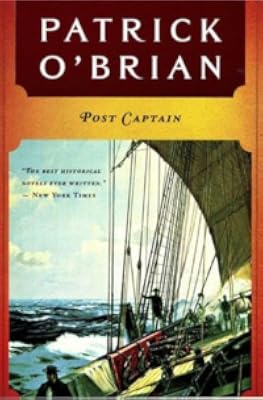
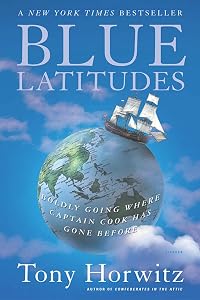
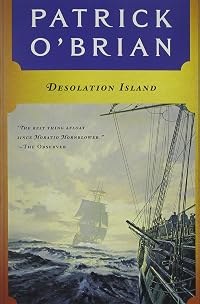
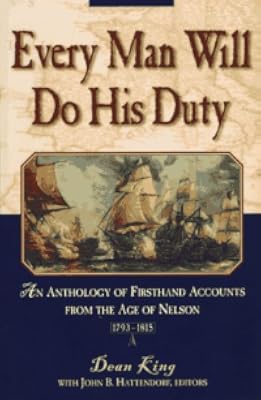
John_Vaughan Covering all sea-areas

John_Vaughan Cruises in the same water
The Narrow Sea: Barrier, Bridge and Gateway to the World - The History of the English Channel by Peter Unwin
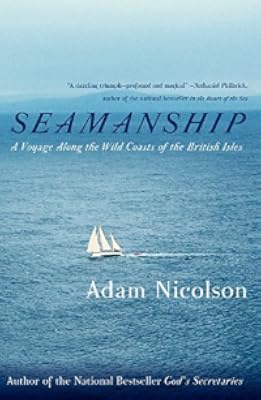
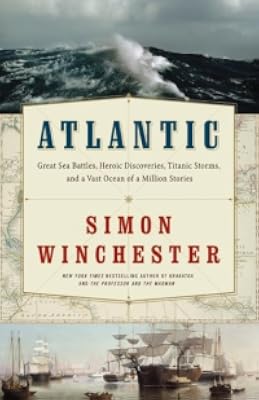
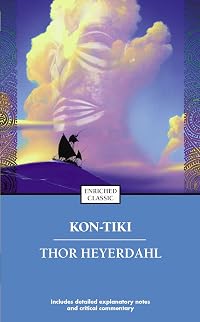
John_Vaughan Masterful work and enjoyable reading
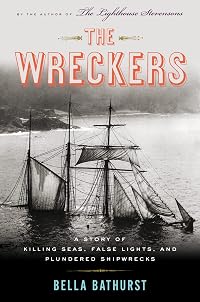
John_Vaughan The channel in an ugly mood

Member Reviews
I don't remember when we acquired this Penguin book but it has been on my shelves for some time. I could easily have placed it with the sailing books but it is also full of history, geology, and lore of the French and English coasts along with the various islands that exist in the Channel. The history ranges from the prehistoric up to the time in which Calder is writing and is an interesting view of the cross-channel relationships of the peoples involved.
The English Channel takes the form of a cruise in a ketch beginning at Ushant up the eastern side of the Channel to the North Sea, passing Brittany, Normandy, and on to Flanders. Then crossing over to the English side, we sail back down the channel eventually reaching the Isles of show more Scilly. On the way Calder treats the reader to the geology, geography, and history of each section of the coast as well as a great deal of information on navigation in the waters and ports of the Channel. The many maps were very helpful in visualizing the places he was describing.
While this was a slow read I did enjoy the many stories he told and all the facts about this area that I had never before come across. show less
The English Channel takes the form of a cruise in a ketch beginning at Ushant up the eastern side of the Channel to the North Sea, passing Brittany, Normandy, and on to Flanders. Then crossing over to the English side, we sail back down the channel eventually reaching the Isles of show more Scilly. On the way Calder treats the reader to the geology, geography, and history of each section of the coast as well as a great deal of information on navigation in the waters and ports of the Channel. The many maps were very helpful in visualizing the places he was describing.
While this was a slow read I did enjoy the many stories he told and all the facts about this area that I had never before come across. show less
It not often that a book about cruising under sail, Tagged Travel, Cruising could also then justify the Tags of Geology, Archeology, Geography, Etymology, Science and History. This book by British Scientist Nigel Calder is constructed on a cruise in his sailing ketch around the coastline of the English Channel, or la Manche. It strongly stands as a travel narrative, as an interesting cruise, as a history on the creation of the geography, coastal inlets and cliffs by the actions of the Teutonic Plates and as equally strongly as a historical record of the politics, tongues and anthropology of the nations around the Channel. And it is an engrossingly readable book too !
Nigel Calder is the son of the late Lord (Peter) Ritchie-Calder, a show more brother of the historian Angus Calder, the mathematician Allan Calder and his sister was the educationist Isla Calder … and his father also wrote as the travel writer Simon Calder. With all that family talent, and the additional experience of Calder as an editor of the English magazine New Scientist, it is no great surprise that this book is a scholarly but highly readable account. show less
Nigel Calder is the son of the late Lord (Peter) Ritchie-Calder, a show more brother of the historian Angus Calder, the mathematician Allan Calder and his sister was the educationist Isla Calder … and his father also wrote as the travel writer Simon Calder. With all that family talent, and the additional experience of Calder as an editor of the English magazine New Scientist, it is no great surprise that this book is a scholarly but highly readable account. show less
Ratings
Members
- Recently Added By
Author Information

39+ Works 2,215 Members
Common Knowledge
- Original publication date
- 1986
- Important places
- English Channel
- First words
- Welcome aboard.
- Original language
- English
Classifications
- Genres
- Nonfiction, Travel, General Nonfiction, History, Science & Nature
- DDC/MDS
- 909.096336 — History & geography History World history Other Geographic Classifications Air And Water
- LCC
- DA670 .E48 .C35 — History of Europe, Asia, Africa and Oceania Great Britain History of Great Britain England Local history and description Counties, regions, etc., A-Z
- BISAC
Statistics
- Members
- 61
- Popularity
- 506,682
- Reviews
- 2
- Rating
- (4.50)
- Languages
- English
- Media
- Paper
- ISBNs
- 3


