
David Howarth (1) (1912–1991)
Author of 1066
For other authors named David Howarth, see the disambiguation page.
David Howarth (1) has been aliased into David Armine Howarth.
Works by David Howarth
Works have been aliased into David Armine Howarth.
Fodspor i sneen 4 copies
The British Empire 2 copies
The Frigates 1 copy
One Night in Styria 1 copy
Group Flashing Two 1 copy
L'invincibile Armada 1 copy
Associated Works
Works have been aliased into David Armine Howarth.
Tagged
Common Knowledge
- Canonical name
- Howarth, David
- Legal name
- Howarth, David Armine
- Birthdate
- 1912-07-28
- Date of death
- 1991-07-02
- Gender
- male
- Education
- University of Cambridge
- Occupations
- naval officer
boatbuilder
historian - Organizations
- SOE (Special Operations Executive) during WWII (Special Operations Executive)
BBC
British Navy (WWII) - Awards and honors
- King Haakon VII's Cross of Liberty
Chevalier First Class in the Order of St Olav - Relationships
- Howarth, Stephen (son)
- Short biography
- David Armine Howarth was a British historian and author. After graduating from Cambridge University, he was a radio war correspondent for BBC at the start of the Second World War. Howarth joined the Navy after the fall of France. He became involved in the Special Operations Executive (SOE) and ultimately in the Shetland Bus, an SOE operation manned by Norwegians running a clandestine route between Shetland and Norway. He was second in command at the Naval base in Shetland. For his successful efforts in the espionage of the German presence in Norway, he received the highest honor a foreigner can obtain from Norway.
After the war he wrote several books about the war in general and of specific events in the war.
http://www.goodreads.com/author/show/... - Nationality
- UK
- Birthplace
- London, England, UK
- Place of death
- Lunna Voe, Shetland Islands, Scotland, UK
- Burial location
- Lunna Voe, Shetland Islands, Scotland, UK
- Map Location
- United Kingdom
Members
Reviews

I read this excellent memoir on a transcontinental flight and couldn't put it down. The night I arrived at my destination, I stayed up to the wee hours finishing it. The author David Howarth ran a spy ring during WWII called the Shetland Bus, which ran spies from the Shetland Islands into occupied Norway. This book is derived from the story of one of those spies. Jan Baalstrud was a Norwegian, who had escaped the Germans and received special forces training in England. He and a few others show more were sent to the Norwegian coast by fishing vessel; their mission was to infiltrate inland, hook up with native resistance groups, and support them as much as possible. Unfortunately the group is betrayed shortly after their arrival and only Jan makes it off the beach alive. The story of his escape through the Norwegian Arctic is spellbinding. He faces hunger, unbearable cold, isolation, avalanches, snow blindness, frostbite, you name it. But thanks to the bravery and generosity of some individuals he meets along the way, he survives. His story is so incredible that the author takes pains to assure the reader of the verification process he went through in checking Jan's story. Sometimes truth is stranger than fiction. Highly recommended. show less

A terrific and concise narrative about the Norman Invasion, written in prose so clear that Strunk and White would say, "I don't know how he could have made it any better." Howarth presents the major figures of the Invasion as complicated people, and the Invasion itself as an example of what happens when luck intervenes in the best-laid plans. I woke up early to read it each day: is there a better endorsement?

Това, което винаги сме знаели е, че Великата армада на Испанската империя напада Англия, но поради лошото време разтегля строя си прекалено много на километри и поради това англичаните успяват да я разбият в една от най-великите военни победи в историята.
Самата история show more обаче, както знаем я пишат победителите и този случай не прави изключение. Ако се водим от историческите документи, вкл. и особено испанските такива, нещата изглеждат по съвсем различен и далеч не толкова героичен начин.
Не само, че армадата (дума, която означава просто "група бойни кораби" на испански) е изключително зле подготвена и два пъти по-малка, отколкото е планирано да бъде, не само, че е водена от сухопътни офицери и предводителят й няма никакъв военен или военоморски опит, не само, че корабите й са безнадеждно морално остарели в сравнение с английските... ами самата битка повече прилича на безредно блъскане отвреме на време, повечето кораби както на испанците, така и англичаните така и не виждат противника, а боевете, доколкото ти има, са толкова незначителни, че дни след края на битката англичаните изобщо не знаят, че са "победили" и че испанците са решили да се откажат от понататъшни опити (нещо, за което те мислят още от тръгването).
Дейвид Хоуарт прави преглед на огромно количество документи, доклади и писма, основно от испанска страна, за да опише замисъла, събирането и пътуването на армадата и командването й от самоизолиралия се и според мен умствено разклатен испански крал. Поради големите подробности, описващи всяка среща на испанското командване, цитираща по-важните писма (всичко това е запазено и до днес като реални документи в архивите) и т.н. книгата е малко тегава и дълга, но именно това я прави исторически точна. show less
Самата история show more обаче, както знаем я пишат победителите и този случай не прави изключение. Ако се водим от историческите документи, вкл. и особено испанските такива, нещата изглеждат по съвсем различен и далеч не толкова героичен начин.
Не само, че армадата (дума, която означава просто "група бойни кораби" на испански) е изключително зле подготвена и два пъти по-малка, отколкото е планирано да бъде, не само, че е водена от сухопътни офицери и предводителят й няма никакъв военен или военоморски опит, не само, че корабите й са безнадеждно морално остарели в сравнение с английските... ами самата битка повече прилича на безредно блъскане отвреме на време, повечето кораби както на испанците, така и англичаните така и не виждат противника, а боевете, доколкото ти има, са толкова незначителни, че дни след края на битката англичаните изобщо не знаят, че са "победили" и че испанците са решили да се откажат от понататъшни опити (нещо, за което те мислят още от тръгването).
Дейвид Хоуарт прави преглед на огромно количество документи, доклади и писма, основно от испанска страна, за да опише замисъла, събирането и пътуването на армадата и командването й от самоизолиралия се и според мен умствено разклатен испански крал. Поради големите подробности, описващи всяка среща на испанското командване, цитираща по-важните писма (всичко това е запазено и до днес като реални документи в архивите) и т.н. книгата е малко тегава и дълга, но именно това я прави исторически точна. show less
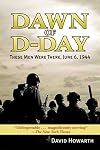
The D-Day invasion 80 years ago was a success despite being a failure, as David Howarth describes in “Dawn of D-Day: These Men Were There, June 6, 1944” (2008).
The invasion was planned with minute-by-minute precision. This was supposed to happen, then five minutes later this was supposed, and 10 minutes after that something else. Yet almost nothing happened on schedule or as planned. The bombing and shelling before the invasion was mostly ineffective. Paratroopers were dropped in the show more wrong places. Winds caused boats to go off course, so that troops didn't land where they were supposed to or when they were supposed to. Troops assigned to break through defensive barriers didn't arrive until after the troops who were supposed to charge through those openings. And so forth.
And yet, somehow, it worked. And this success had less to do with the generals who planned the invasion down to the minute than with the men who overcame all those obstacles on their own. And of course, it helped that the German army was surprised, not believing the Allies would invade in poor weather. And fewer lives were lost than the generals had expected if everything went as planned.
Howarth breaks the invasion into parts — the air drops, Utah Beach, Omaha Beach, etc. — and then examines those parts through the stories of some of the men who survived to tell about their experiences. Thus you won't learn about everything that happened on the French coast that day, but you will experience a little of what it was like through the stories of individual soldiers, including some from the German side. The result is an exciting, you-are-there feeling as you read this relatively short book.
Along the way, the author tells us things even experts on the invasion may have never considered. For example, until the invasion most of the British soldiers involved had less experience with war than residents of the city of London, who had experienced almost nightly bombing for a long period. Meanwhile the soldiers were training elsewhere in relative safety, and some of them, Howarth tells us, felt guilty about it and were glad to finally be able to demonstrate as much courage as ordinary British citizens had already shown. show less
The invasion was planned with minute-by-minute precision. This was supposed to happen, then five minutes later this was supposed, and 10 minutes after that something else. Yet almost nothing happened on schedule or as planned. The bombing and shelling before the invasion was mostly ineffective. Paratroopers were dropped in the show more wrong places. Winds caused boats to go off course, so that troops didn't land where they were supposed to or when they were supposed to. Troops assigned to break through defensive barriers didn't arrive until after the troops who were supposed to charge through those openings. And so forth.
And yet, somehow, it worked. And this success had less to do with the generals who planned the invasion down to the minute than with the men who overcame all those obstacles on their own. And of course, it helped that the German army was surprised, not believing the Allies would invade in poor weather. And fewer lives were lost than the generals had expected if everything went as planned.
Howarth breaks the invasion into parts — the air drops, Utah Beach, Omaha Beach, etc. — and then examines those parts through the stories of some of the men who survived to tell about their experiences. Thus you won't learn about everything that happened on the French coast that day, but you will experience a little of what it was like through the stories of individual soldiers, including some from the German side. The result is an exciting, you-are-there feeling as you read this relatively short book.
Along the way, the author tells us things even experts on the invasion may have never considered. For example, until the invasion most of the British soldiers involved had less experience with war than residents of the city of London, who had experienced almost nightly bombing for a long period. Meanwhile the soldiers were training elsewhere in relative safety, and some of them, Howarth tells us, felt guilty about it and were glad to finally be able to demonstrate as much courage as ordinary British citizens had already shown. show less
Lists
Awards


You May Also Like
Associated Authors
Statistics
- Works
- 35
- Also by
- 2
- Members
- 5,625
- Popularity
- #4,405
- Rating
- 3.9
- Reviews
- 106
- ISBNs
- 220
- Languages
- 12
- Favorited
- 3