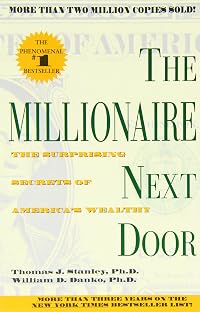
The Millionaire Next Door: The Surprising Secrets of America's Rich
by Thomas J. Stanley, William D. Danko
The Millionaire Next Door (1)
On This Page
Description
The incredible national bestseller that is changing people's lives — and increasing their net worth!Can you spot the millionaire next door?
Who are the rich in this country?
What do they do?
Where do they shop?
What do they drive?
How do they invest?
How did they get rich?
Can I even become one of them?
Get the answers in The Millionaire Next Door, the never-before-told story about weath in America. You'll be surprised at what you find out....
Tags
Recommendations
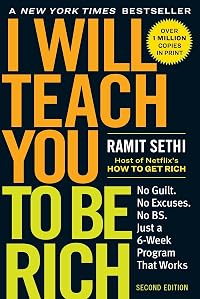
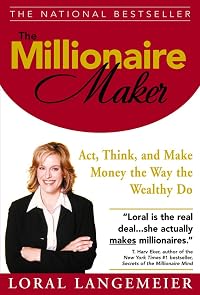
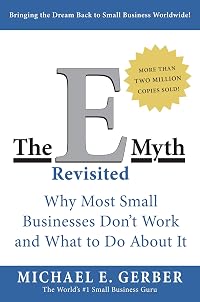

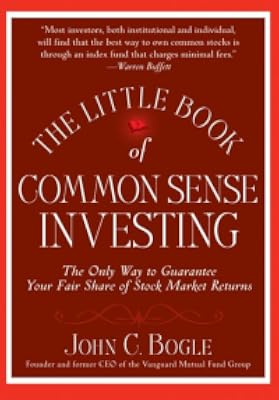
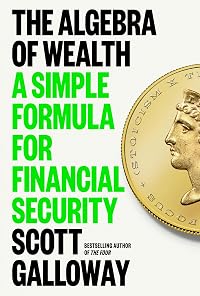
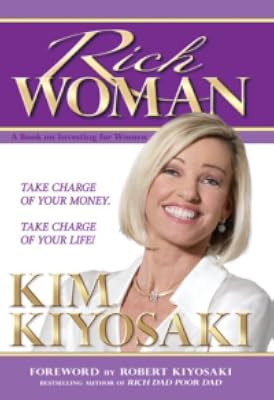
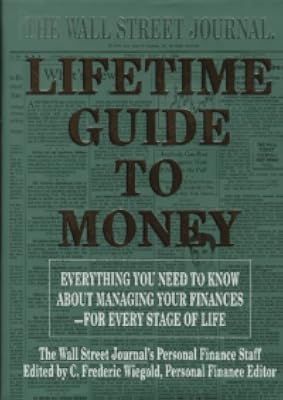
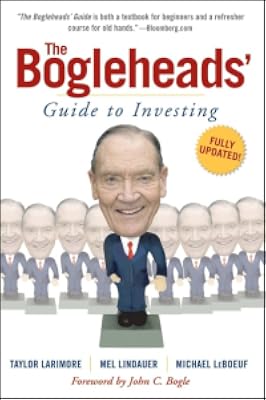
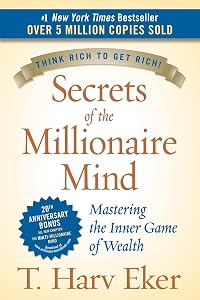
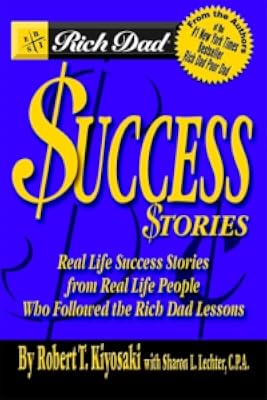
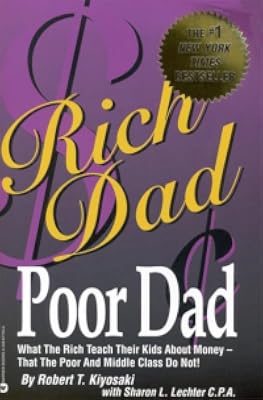
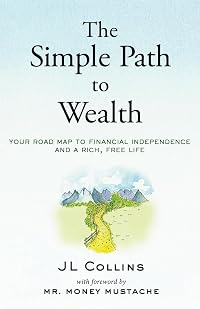
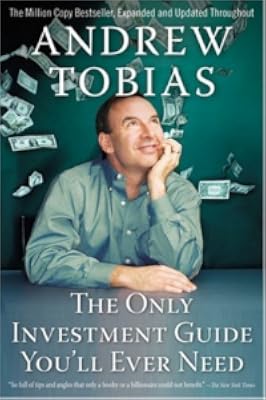
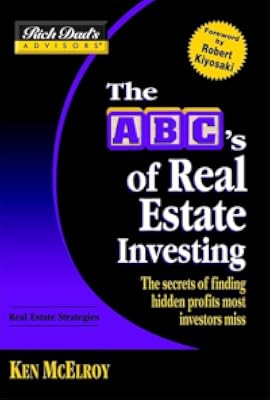
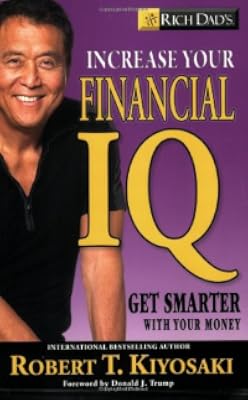
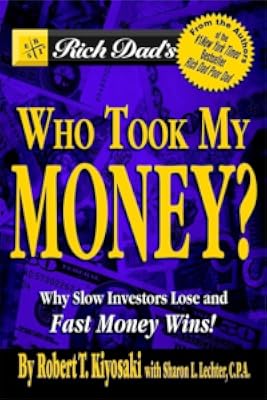
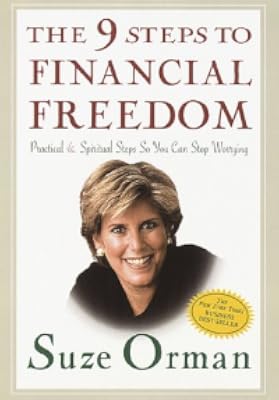
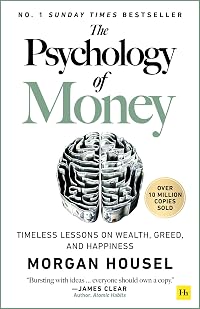
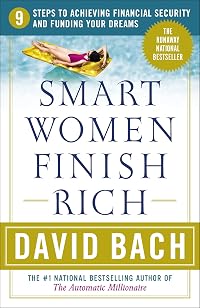
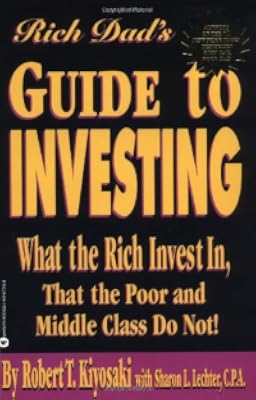
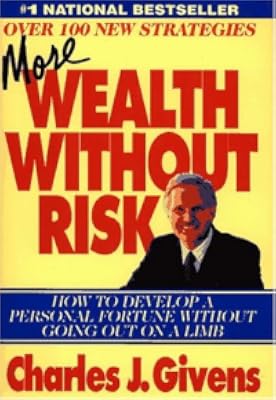
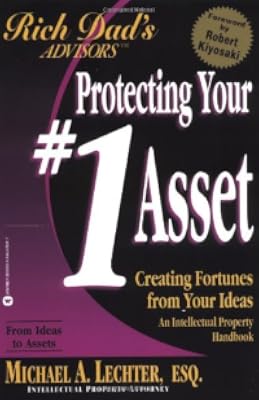
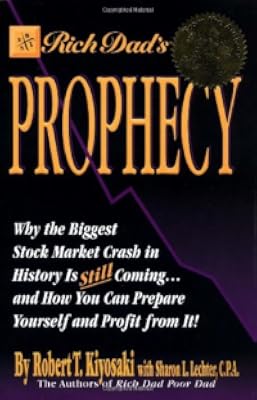
Member Recommendations
Member Reviews
This book is showing its age now (a section on buying used car rather quaintly suggests looking for blue books at book stores or the library) but it remains a valuable read. The authors have researched the characteristics of millionaires, defined as people with a net worth over a million dollars, and explain that many of them are counterintuitive. Millionaires often don’t look like rich people. People who look rich may have six-figure incomes but less net worth than you might think—because they spend all their money on fancy clothes, new luxury cars, private school tuition, ski vacations, and all the other depreciating trappings of high social status. People who have managed to accumulate a million dollars have often done so by not show more looking rich. Many are small business owners in blue collar fields where no one expects them to look fancy or live big; others may be professionals (often self-employed ones, like doctors or lawyers), but frugal ones.
Some interesting sections on the book are related to family. Most millionaires are men and many have nonworking spouses, but those housewives are coupon-clippers. (Your typical millionaire has been married only once.) Many millionaires grew up with parents who, regardless of their actual income level or standard of living, were frugal. The worst off? The adult children of the affluent who receive what Stanley calls “economic outpatient care.” Buoyed by gifts from their parents and the safety net of their parents’ affluence, these adult children often fail to become successful because they simply don’t have to. They never learn to live within their means or to adjust their spending to their income. A particularly boneheaded move is to help your child buy a house in a nicer neighborhood than they could otherwise afford; trying to match consumption with their richer neighbors will keep them forever in the hole.
The book is more descriptive than prescriptive, although it does give suggestions about how to raise children to be financially independent adults and has some suggestions for lucrative fields. Still, even non-entrepreneurial types will see more clearly, after reading this book, what it takes to become financially independent. show less
Some interesting sections on the book are related to family. Most millionaires are men and many have nonworking spouses, but those housewives are coupon-clippers. (Your typical millionaire has been married only once.) Many millionaires grew up with parents who, regardless of their actual income level or standard of living, were frugal. The worst off? The adult children of the affluent who receive what Stanley calls “economic outpatient care.” Buoyed by gifts from their parents and the safety net of their parents’ affluence, these adult children often fail to become successful because they simply don’t have to. They never learn to live within their means or to adjust their spending to their income. A particularly boneheaded move is to help your child buy a house in a nicer neighborhood than they could otherwise afford; trying to match consumption with their richer neighbors will keep them forever in the hole.
The book is more descriptive than prescriptive, although it does give suggestions about how to raise children to be financially independent adults and has some suggestions for lucrative fields. Still, even non-entrepreneurial types will see more clearly, after reading this book, what it takes to become financially independent. show less
What I've noticed about books that are described as 'first in their category' is that many times they contain disappointingly small amounts of information. Why might that be?
In this case, I'd been looking at a few financial independence blogs and reddit threads, and saw this book mentioned a handful of times. I was aware of it previously as one of the first that examined people who became financially 'free' in their lives; "rich people don't buy new cars, just read TMND." What surprised me about this book was the utter lack of new information. After getting 25% in, I had to put it down; you could glean any of this information from a half-decent reddit wiki or introductory blog post on FI. So why do people call it so great?
My theory is show more that since originally topics like these were uncovering unexplored, fertile ground, readers were so amazed with the revelations that there was enough 'newness' to excuse, or possibly even warrant, such long-winded explanations. But when a category gets more popular and the basic knowledge becomes widespread, returning to the exploratory piece makes it seem dated and unoriginal. The reason it gets recommended is because those in the community doing the recommending did really perceive it as new when it was first released, and remember that experience of reading the book when recommending it to others. Unfortunately, as someone who likely already knows some basics, you won't have this same experience.
In summary, the book presents very little new information in a haphazard and difficult-to-read format of throwing tons of absurdly specific data at you (like answering, "What percentage of Irish-Americans save at least 2x the normal amount of money according to our made-up benchmark?"). It provides less value than you could get from spending 20 minutes reading the reddit financial independence FAQ. Definitely skip this book. show less
In this case, I'd been looking at a few financial independence blogs and reddit threads, and saw this book mentioned a handful of times. I was aware of it previously as one of the first that examined people who became financially 'free' in their lives; "rich people don't buy new cars, just read TMND." What surprised me about this book was the utter lack of new information. After getting 25% in, I had to put it down; you could glean any of this information from a half-decent reddit wiki or introductory blog post on FI. So why do people call it so great?
My theory is show more that since originally topics like these were uncovering unexplored, fertile ground, readers were so amazed with the revelations that there was enough 'newness' to excuse, or possibly even warrant, such long-winded explanations. But when a category gets more popular and the basic knowledge becomes widespread, returning to the exploratory piece makes it seem dated and unoriginal. The reason it gets recommended is because those in the community doing the recommending did really perceive it as new when it was first released, and remember that experience of reading the book when recommending it to others. Unfortunately, as someone who likely already knows some basics, you won't have this same experience.
In summary, the book presents very little new information in a haphazard and difficult-to-read format of throwing tons of absurdly specific data at you (like answering, "What percentage of Irish-Americans save at least 2x the normal amount of money according to our made-up benchmark?"). It provides less value than you could get from spending 20 minutes reading the reddit financial independence FAQ. Definitely skip this book. show less
"Millionaire" in this book represents a changing of the goalposts. People who would've been called millionaires when the word was coined, would be called billionaires today. The prosaic small-business owners who accumulate a million of our inflated dollars are far humbler, culturally speaking, than the classic millionaire -- which is why the authors marvel at the difference between how millionaires live and how the public imagines they do.
Still, the advice on controlling expenditures is good, although I'd be less quick to follow their advice on buying cheap domestic cars.
Still, the advice on controlling expenditures is good, although I'd be less quick to follow their advice on buying cheap domestic cars.
I read this for a book club I'm in. I was hoping to learn about saving, investment, etc. Really all I learned is that the wealthiest people tend to live well below their means. That seemed pretty obvious to me already. After the first few chapters (where three separate examples are used to show millionaires don't spend money on clothes), everything just sounded redundant and drawn out. As many other reviews have said, this study could have easily been summarized in an article, rather than a full length book.
Additionally, this book is highly outdated. Part of it is due to inflation since it was published, but much of the social structure is also different now. Nearly every millionaire discussed talks about how his wife stays home with show more the kids, clips coupons, and makes meals. I understand that was the setting when the book was written, but it really does lack relevance to today's society. It's also difficult to read a book that was written during an economic up-swing when the current economy isn't as booming.
Perhaps this was a good read at one point, but I'd say it's time of relevance has passed. show less
Additionally, this book is highly outdated. Part of it is due to inflation since it was published, but much of the social structure is also different now. Nearly every millionaire discussed talks about how his wife stays home with show more the kids, clips coupons, and makes meals. I understand that was the setting when the book was written, but it really does lack relevance to today's society. It's also difficult to read a book that was written during an economic up-swing when the current economy isn't as booming.
Perhaps this was a good read at one point, but I'd say it's time of relevance has passed. show less
I loved the themes about the mindset of many millionaires living modest lifestyles and slowly building wealth over time. Some examples were dated, but the ideas still are true today. One great nugget was that research has showed that the more money parents give to their adult children, the less their children’s net worth grows.
Most of this book is quite dated with the exception of its central themes. Who are the millionaires in America and how did they accumulate their wealth? Also great stuff on raising children to be independent and self-sufficient. Why don't they teach this stuff in high school? Why do people still fall into the same conspicuous consumption lifestyle trap? People just don't want to hear it, I guess. But I say: "hold your nose and eat your spinach. You will be better off in the end."
The message is clear. Don't assume that the guy cruising around in the flashy Mercedes wearing the $1,500 suit is drowning in dollars. Likewise, don't be surprised if you're humble neighborhood barber is a millionaire. Stanley offers some common sense yet interesting observations involving the accumulation of wealth.
Members
- Recently Added By
Lists

Books on My Journey
18 works; 1 member

If Books Could Kill Podcast
52 works; 1 member
Author Information

10+ Works 6,545 Members
Thomas J. Stanley was born in 1944 in the Bronx, New York City. He went to college in Connecticut, did graduate work at the University of Tennessee, and received a doctorate at the University of Georgia. He was a marketing professor at Georgia State University, a public speaker, a consultant on selling to the rich, and an author. He wrote books on show more the habits of millionaires including The Millionaire Next Door and The Millionaire Mind. He died in a car accident on February 28, 2015 at the age of 71. (Bowker Author Biography) show less

2 Works 4,641 Members
Some Editions
Awards and Honors
Awards
Distinctions
Series

Work Relationships
Is contained in
Common Knowledge
- Canonical title
- The Millionaire Next Door: The Surprising Secrets of America's Wealthy; The Millionaire Next Door: The Surprising Secrets of America's Rich
- Original title
- The Millionaire Next Door
- Original publication date
- 1996
- Dedication
- For Janet, Sarah, and Brad -- a million Christmases, a trillion Fourth of Julys
—T. J. Stanley
For my loving wife, Connie, and my dear children, Christy, Todd, and Daniel
—W. D. Danko - First words
- Introduction
Twenty years ago we began studying how people became wealthy.
The person who said this was the vice president of a trust department. - Last words
- (Click to show. Warning: May contain spoilers.)A hostile environment, even in an atmosphere of beautiful people, is not a good place for dogs—or for prodigious accumulators of wealth.
Classifications
- Genres
- Business, General Nonfiction, Nonfiction
- DDC/MDS
- 305.5234 — Society, government, & culture Social sciences, sociology & anthropology Social group - Age, Gender, Ethnicity People by social and economic levels Upper Class
- LCC
- HC110 .W4 .S73 — Social sciences Economic history and conditions Economic history and conditions By region or country
- BISAC
Statistics
- Members
- 4,649
- Popularity
- 3,116
- Reviews
- 57
- Rating
- (3.72)
- Languages
- 9 — Czech, English, Estonian, French, Italian, Polish, Portuguese, Russian, Spanish
- Media
- Paper, Audiobook, Ebook
- ISBNs
- 44
- UPCs
- 1
- ASINs
- 30