Epidemics and Society: From the Black Death to the Present
by Frank M. Snowden
On This Page
Description
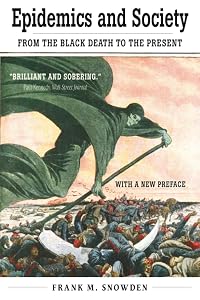
A wide-ranging study that illuminates the connection between epidemic diseases and societal change, from the Black Death to Ebola This sweeping exploration of the impact of epidemic diseases looks at how mass infectious outbreaks have shaped society, from the Black Death to today. In a clear and accessible style, Frank M. Snowden reveals the ways that diseases have not only influenced medical science and public health, but also transformed the arts, religion, intellectual history, and show more warfare. A multidisciplinary and comparative investigation of the medical and social history of the major epidemics, this volume touches on themes such as the evolution of medical therapy, plague literature, poverty, the environment, and mass hysteria. In addition to providing historical perspective on diseases such as smallpox, cholera, and tuberculosis, Snowden examines the fallout from recent epidemics such as HIV/AIDS, SARS, and Ebola and the question of the world's preparedness for the next generation of diseases. show lessTags
Recommendations


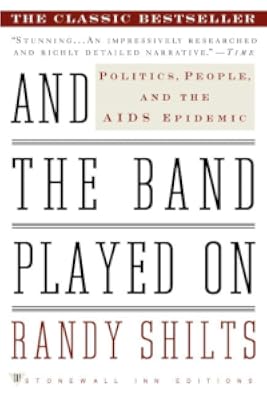
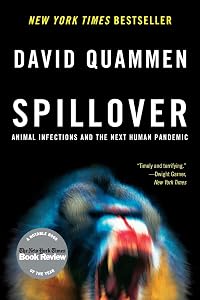
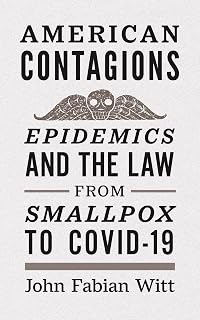
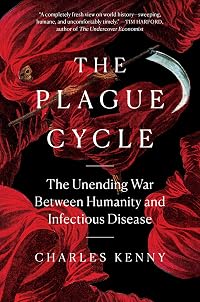

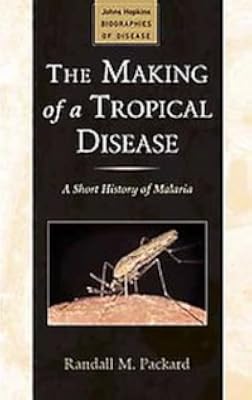
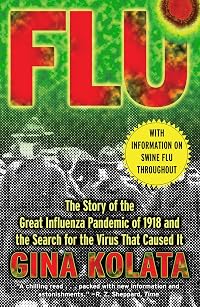
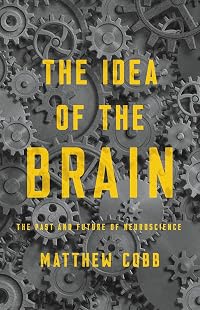
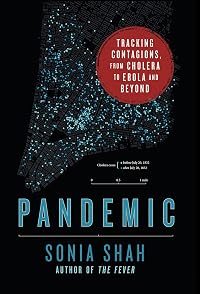













Member Reviews
A Status Report on Darwinian Biological Warfare
Frank M. Snowden is sounding an alarm. The human species is engaged in biological warfare with microbes – bacteria, viruses, and parasites. Tens of 1000s of viruses, 300K species of bacteria, and multiple parasites lay in wait, ready to cause human misery, or even extinction. Microbes outnumber humans a billion to one.
Snowden says microbes cannot be eliminated. They reproduce so rapidly that they can mutate and adapt to any set of chemicals and drugs we throw at them. Indeed, the irresponsible use of antibiotics, and conditions in hospitals, are enabling “superbugs.”
Humanity’s current strategy of relying on chemistry favors the pharmaceutical companies, but that is NOT our show more strongest defense. Public education and sanitation efforts have been helpful. But the growth of “megacities” with huge areas of poverty, filth, lack of running water, sewers, and even flush toilets is a disaster waiting to happen.
Another area of undue vulnerability is government policy. Besides allowing over-crowded slums, poverty, and hygiene ignorance to exist, government priorities are endangering the human species.
Governments around the globe spend far more on their militaries than they due on their public health institutions. They allow corporations to treat medicine and health care as a commodity, rather than as a human right.(502)
When disease strikes, government’s first response is too often denial. Snowden shows how this has happened throughout history. But governments have NOT learned from their mistakes. Denial and slow response was the government reaction to AIDS/HIV. Then again to Ebola. When Snowden describes the government response to SARs, he does so without any knowledge of the COVID-19 pandemic, because the book was published a full year before the outbreak. Yet the reader will have to double check what he or she is reading about.
SARs was the first epidemic of the 21st century. It began in a province of China. The government saw it spread, but did not report it to the WHO, UN, or any other global agency. While the outbreak began in November of 2002, the WHO did not have enough information to declare its travel alert until March 2003. Hundreds of human deaths could have been prevented had China been more concerned with the fate of humanity. Incredibly, COVID-19 is Déjà vu all over again.
In 2000, the CIA issued its report on epidemics as a national security threat to US and world government. It was not optimistic.
Concerned about the fate of the human species, Snowden’s last sentence is that “public health must be the highest law – and it must override the laws of the marketplace.” 505
The rest is up to us.
William J. Kelleher, Ph.D. show less
Frank M. Snowden is sounding an alarm. The human species is engaged in biological warfare with microbes – bacteria, viruses, and parasites. Tens of 1000s of viruses, 300K species of bacteria, and multiple parasites lay in wait, ready to cause human misery, or even extinction. Microbes outnumber humans a billion to one.
Snowden says microbes cannot be eliminated. They reproduce so rapidly that they can mutate and adapt to any set of chemicals and drugs we throw at them. Indeed, the irresponsible use of antibiotics, and conditions in hospitals, are enabling “superbugs.”
Humanity’s current strategy of relying on chemistry favors the pharmaceutical companies, but that is NOT our show more strongest defense. Public education and sanitation efforts have been helpful. But the growth of “megacities” with huge areas of poverty, filth, lack of running water, sewers, and even flush toilets is a disaster waiting to happen.
Another area of undue vulnerability is government policy. Besides allowing over-crowded slums, poverty, and hygiene ignorance to exist, government priorities are endangering the human species.
Governments around the globe spend far more on their militaries than they due on their public health institutions. They allow corporations to treat medicine and health care as a commodity, rather than as a human right.(502)
When disease strikes, government’s first response is too often denial. Snowden shows how this has happened throughout history. But governments have NOT learned from their mistakes. Denial and slow response was the government reaction to AIDS/HIV. Then again to Ebola. When Snowden describes the government response to SARs, he does so without any knowledge of the COVID-19 pandemic, because the book was published a full year before the outbreak. Yet the reader will have to double check what he or she is reading about.
SARs was the first epidemic of the 21st century. It began in a province of China. The government saw it spread, but did not report it to the WHO, UN, or any other global agency. While the outbreak began in November of 2002, the WHO did not have enough information to declare its travel alert until March 2003. Hundreds of human deaths could have been prevented had China been more concerned with the fate of humanity. Incredibly, COVID-19 is Déjà vu all over again.
In 2000, the CIA issued its report on epidemics as a national security threat to US and world government. It was not optimistic.
Concerned about the fate of the human species, Snowden’s last sentence is that “public health must be the highest law – and it must override the laws of the marketplace.” 505
The rest is up to us.
William J. Kelleher, Ph.D. show less
Well-written for the lay reader. Very comprehensive with detailed descriptions of the diseases. His original book was published in 2018. The paperback and e-book include a preface where he discusses Covid-19.
Napoleon's march to Moscow and his subsequent winter retreat were hugely impacted by some miserable diseases, including cholera and dysentery, which killed more soldiers than the battles. Yet, we watched a documentary of Napoleon that included the march to Moscow, and not a mention was made of any diseases. Sometimes it seems that historians avoid the topic of disease unless it's the main subject. In the case of Napoleon, Snowden's book makes up for that oversight.
I've also attended Frank Snowden's Yale lectures on YouTube, and read show more his book "The Conquest of Malaria (Italy 1900-1962)." show less
Napoleon's march to Moscow and his subsequent winter retreat were hugely impacted by some miserable diseases, including cholera and dysentery, which killed more soldiers than the battles. Yet, we watched a documentary of Napoleon that included the march to Moscow, and not a mention was made of any diseases. Sometimes it seems that historians avoid the topic of disease unless it's the main subject. In the case of Napoleon, Snowden's book makes up for that oversight.
I've also attended Frank Snowden's Yale lectures on YouTube, and read show more his book "The Conquest of Malaria (Italy 1900-1962)." show less
Very instructive account of various infectious diseases that have caused epidemics. So far, smallpox is the only disease that has been eliminated. Bubonic plague, cholera, tuberculosis,AIDS, Ebola and others are discussed. Notable that the popular accounts of Ebola are quite inaccurate, partly due to the governments of various nations not wishing to admit to dangers that might threaten economic development.
Ratings
Members
- Recently Added By
Lists

Vlogbrothers Book Recommendations
307 works; 4 members
Author Information

7 Works 334 Members
Frank M. Snowden is Andrew Downey Orrick Professor Emeritus of History and History of Medicine at Yale University. His previous books include The Conquest of Malaria: Italy, 1900-1962 and Naples in the Time of Cholera, 1884-1911.
Awards and Honors
Distinctions
Observer Book of the Week (2020-05-10)
Series
Belongs to Publisher Series
Work Relationships
Common Knowledge
- Canonical title
- Epidemics and Society: From the Black Death to the Present
Classifications
- Genres
- History, Nonfiction, Sociology, General Nonfiction, Science & Nature
- DDC/MDS
- 614.4 — Applied science & technology Medicine & health Epidemics, Poisons, Alternative Medicine Incidence of and public measures to prevent disease
- LCC
- RA649 .S66 — Medicine Public aspects of medicine Public aspects of medicine Public health. Hygiene. Preventive medicine Epidemics. Epidemiology. Quarantine. Disinfection
- BISAC
Statistics
- Members
- 248
- Popularity
- 130,696
- Reviews
- 3
- Rating
- (4.39)
- Languages
- English
- Media
- Paper, Audiobook, Ebook
- ISBNs
- 4
- ASINs
- 1