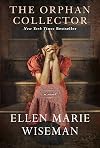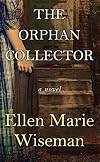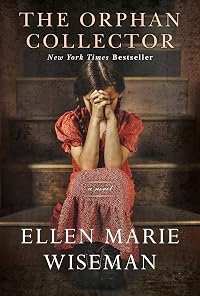
The Orphan Collector
by Ellen Marie Wiseman
On This Page
Description
Fiction. Historical Fiction. Ellen Marie Wiseman, acclaimed author of What She Left Behind and The Life She Was Given, weaves the stories of two very different women into a page-turning novel as suspenseful as it is poignant, set amid one of history's deadliest pandemics. In the fall of 1918, thirteen-year-old German immigrant Pia Lange longs to be far from Philadelphia's overcrowded streets and slums, and from the anti-German sentiment that compelled her father to enlist in the U.S. Army, show more hoping to prove his loyalty. But an even more urgent threat has arrived. Spanish influenza is spreading through the city. Soon, dead and dying are everywhere. With no food at home, Pia must venture out in search of supplies, leaving her infant twin brothers alone ... Since her baby died days ago, Bernice Groves has been lost in grief and bitterness. If doctors hadn't been so busy tending to hordes of immigrants, perhaps they could have saved her son. When Bernice sees Pia leaving her tenement across the way, she is buoyed by a shocking, life-altering decision that leads her on a sinister mission: to transform the city's orphans and immigrant children into what she feels are "true Americans." As Pia navigates the city's somber neighborhoods, she cannot know that her brothers won't be home when she returns. And it will be a long and arduous journey to learn what happened—even as Bernice plots to keep the truth hidden at any cost. Only with persistence, and the courage to face her own shame and fear, will Pia put the pieces together and find the strength to risk everything to see justice at last. show lessTags
Recommendations


Member Reviews
This is the latest historical novel from one of my favorite authors, and it’s both deeply compelling and disturbing.
Set in Philadelphia during the influenza pandemic of 1918-19, it’s the story of a sensitive, 13-year old German immigrant named Pia Lange, who helps her mother care for her infant twin brothers while their father is away fighting in World War I. It’s about the poverty that was so common among immigrants, about the prejudice they encountered, about the overcrowded and crime-ridden neighborhoods where they could barely afford to live.
It’s also about the tragic figure of one of Pia’s neighbor, Bernice and how both the war and epidemic impact her life and change her forever. How their two stories intersect is the show more foundation of this novel. And I suspect will make you glad you did not live through this period.
This is NOT an easy book to read. In fact, it’s quite bleak! Although I found myself caring deeply for the characters, I often found after reading just a few chapters, I then had to take a break from my own emotions. Learning about the devastating impact of the flu on families, the speed with which it spread, the primitive treatment options, and the overwhelming demand on a limited health care system make for sobering reading. Children who lose their parents too often wind up in orphanages where rules are strict and punishments are harsh. Teens are sometimes forced to become unpaid servants. Kindness and help can be difficult to find.
At the same time, the book is a well-researched, page-turner— full of drama, plot twists, and a deep and growing need to know what happens next. Though not necessarily enjoyable at every moment, I strongly recommend it. show less
Set in Philadelphia during the influenza pandemic of 1918-19, it’s the story of a sensitive, 13-year old German immigrant named Pia Lange, who helps her mother care for her infant twin brothers while their father is away fighting in World War I. It’s about the poverty that was so common among immigrants, about the prejudice they encountered, about the overcrowded and crime-ridden neighborhoods where they could barely afford to live.
It’s also about the tragic figure of one of Pia’s neighbor, Bernice and how both the war and epidemic impact her life and change her forever. How their two stories intersect is the show more foundation of this novel. And I suspect will make you glad you did not live through this period.
This is NOT an easy book to read. In fact, it’s quite bleak! Although I found myself caring deeply for the characters, I often found after reading just a few chapters, I then had to take a break from my own emotions. Learning about the devastating impact of the flu on families, the speed with which it spread, the primitive treatment options, and the overwhelming demand on a limited health care system make for sobering reading. Children who lose their parents too often wind up in orphanages where rules are strict and punishments are harsh. Teens are sometimes forced to become unpaid servants. Kindness and help can be difficult to find.
At the same time, the book is a well-researched, page-turner— full of drama, plot twists, and a deep and growing need to know what happens next. Though not necessarily enjoyable at every moment, I strongly recommend it. show less
This novel is set in Philadelphia in 1918 at the confluence of the Spanish flu and the end of WWI. The Langes are a German family in a community that is often hostile toward Germans, so they do their best to hide their heritage. The father, Vader, enlists in the army, leaving his wife, daughter and twin infant sons. The family lives in an apartment in a very poor section of Philadelphia. Pia is 13 when her beloved mother dies of the flu, and she does everything possible to care for her tiny brothers. When she eventually decides she has to find sustenance for them, she places them in a cubby in the closet to keep them safe, and heads out with little money to find all the shops are closed due to the virus. The twins are found by a show more neighbor, Bernice, who has just lost her infant son and husband to the virus.
What follows is a harrowing account for Pia when she is confined to an orphanage. Bernice would best be labeled a White Supremist, and makes it her business to rid Philadelphia of all children who are not "real Americans" by sending them to different parts of the country in her guise as a Red Cross nurse while lining her own pockets. This book is particularly fascinating given our current climate of the pandemic and immigration. show less
What follows is a harrowing account for Pia when she is confined to an orphanage. Bernice would best be labeled a White Supremist, and makes it her business to rid Philadelphia of all children who are not "real Americans" by sending them to different parts of the country in her guise as a Red Cross nurse while lining her own pockets. This book is particularly fascinating given our current climate of the pandemic and immigration. show less
This is the latest historical novel from one of my favorite authors, and it’s both deeply compelling and disturbing.
Set in Philadelphia during the influenza pandemic of 1918-19, it’s the story of a sensitive, 13-year old German immigrant named Pia Lange, who helps her mother care for her infant twin brothers while their father is away fighting in World War I. It’s about the poverty that was so common among immigrants, about the prejudice they encountered, about the overcrowded and crime-ridden neighborhoods where they could barely afford to live.
It’s also about the tragic figure of one of Pia’s neighbor, Bernice and how both the war and epidemic impact her life and change her forever. How their two stories intersect is the show more foundation of this novel. And I suspect will make you glad you did not live through this period.
This is NOT an easy book to read. In fact, it’s quite bleak! Although I found myself caring deeply for the characters, I often found after reading just a few chapters, I then had to take a break from my own emotions. Learning about the devastating impact of the flu on families, the speed with which it spread, the primitive treatment options, and the overwhelming demand on a limited health care system make for sobering reading. Children who lose their parents too often wind up in orphanages where rules are strict and punishments are harsh. Teens are sometimes forced to become unpaid servants. Kindness and help can be difficult to find.
At the same time, the book is a well-researched, page-turner— full of drama, plot twists, and a deep and growing need to know what happens next. Though not necessarily enjoyable at every moment, I strongly recommend it. show less
Set in Philadelphia during the influenza pandemic of 1918-19, it’s the story of a sensitive, 13-year old German immigrant named Pia Lange, who helps her mother care for her infant twin brothers while their father is away fighting in World War I. It’s about the poverty that was so common among immigrants, about the prejudice they encountered, about the overcrowded and crime-ridden neighborhoods where they could barely afford to live.
It’s also about the tragic figure of one of Pia’s neighbor, Bernice and how both the war and epidemic impact her life and change her forever. How their two stories intersect is the show more foundation of this novel. And I suspect will make you glad you did not live through this period.
This is NOT an easy book to read. In fact, it’s quite bleak! Although I found myself caring deeply for the characters, I often found after reading just a few chapters, I then had to take a break from my own emotions. Learning about the devastating impact of the flu on families, the speed with which it spread, the primitive treatment options, and the overwhelming demand on a limited health care system make for sobering reading. Children who lose their parents too often wind up in orphanages where rules are strict and punishments are harsh. Teens are sometimes forced to become unpaid servants. Kindness and help can be difficult to find.
At the same time, the book is a well-researched, page-turner— full of drama, plot twists, and a deep and growing need to know what happens next. Though not necessarily enjoyable at every moment, I strongly recommend it. show less
It’s 1918, and the Spanish flu is running rampant. Family members are passing away right in front of their loved ones' eyes, food is scarce, and the living conditions in the tenement and slums are deplorable.
The flu took Pia’s mother, and then Pia is left with the care of her twin infant brothers since her father was fighting in the war. Pia was doing well until she needed to leave the house to find food. She didn't take her brothers because they would be too much to carry, but she wouldn’t be gone long.
We then meet Bernice. Bernice is a distraught mother in another building whose baby had passed away from the flu and who saw Pia leaving without her twin brothers and decided she would take them for her own.
We follow Pia as she show more struggles with her life and the guilt about leaving her brothers. You will feel sorry for Pia.
You will not feel sorry for Bernice because of her deceitful, unethical, uncaring ways.
Ms. Wiseman's description of the plight of the people of Philadelphia during the pandemic is exceptional. You will feel every emotion the characters are feeling.
THE ORPHAN COLLECTOR is an outstanding novel that touches on human empathy as well as people taking advantage of others.
You will see the similarities to the pandemic of 2020 but hope something good happens to Pia.
THE ORPHAN COLLECTOR is heart wrenching but will have you glued to the pages as well as have you wondering what evil deed Bernice will do next.
A highly recommended book for historical fiction and suspense fans. 5/5
This book was given to me by the publisher via NetGalley in exchange for an honest review. show less
The flu took Pia’s mother, and then Pia is left with the care of her twin infant brothers since her father was fighting in the war. Pia was doing well until she needed to leave the house to find food. She didn't take her brothers because they would be too much to carry, but she wouldn’t be gone long.
We then meet Bernice. Bernice is a distraught mother in another building whose baby had passed away from the flu and who saw Pia leaving without her twin brothers and decided she would take them for her own.
We follow Pia as she show more struggles with her life and the guilt about leaving her brothers. You will feel sorry for Pia.
You will not feel sorry for Bernice because of her deceitful, unethical, uncaring ways.
Ms. Wiseman's description of the plight of the people of Philadelphia during the pandemic is exceptional. You will feel every emotion the characters are feeling.
THE ORPHAN COLLECTOR is an outstanding novel that touches on human empathy as well as people taking advantage of others.
You will see the similarities to the pandemic of 2020 but hope something good happens to Pia.
THE ORPHAN COLLECTOR is heart wrenching but will have you glued to the pages as well as have you wondering what evil deed Bernice will do next.
A highly recommended book for historical fiction and suspense fans. 5/5
This book was given to me by the publisher via NetGalley in exchange for an honest review. show less
I was a little reluctant to read The Orphan Collector because I knew it had to do with the 1918 Spanish Flu. With the Covid-19 pandemic going on, I wasn't sure I really wanted to read about people dying in a similar state. I was, however, intrigued by the idea of someone taking advantage of the situation to mishandle children even with how horrible that sounded. I have to say, that when I finally took the time to read the book, I found it to be a very interesting and well written book. It felt very well researched in regard to the Spanish Flu epidemic. I was able to feel the horror of the situation through the writing. 4 stars from me.
Of the 75 books I have read so far this year, this is one of the best! The writing quickly pulled me in, and I became totally lost in the story. Definitely a selection for my book club.
It may have been 102 years ago, but the story is especially relevant to us today as we fight a pandemic and deal with immigrant and racial issues. The story has moments of tenderness, but also the grim reality of those who strove to survive through the rampant illness and lack of food, while others took advantage of them. I sometimes found myself holding my breath, afraid of what might happen next as the paths of 13-year-old Pia Lange and Bernice Groves, a widow and grieving mother, continued to cross over the years.
Pia is a wonderfully brave little girl, show more and my heart ached for her as she endured one loss after another. She carried too heavy a burden of guilt and secrets for such a young girl. And Bernice Groves, the villainess you love to hate, was very well portrayed. Amongst all her cruelness and deviousness, there were fleeting moments when I almost felt sorry for her.
The pacing of the story is superb! It is a complex book, introducing us to a wide array of wonderful characters. But they are gradually introduced and well developed, so I had no difficulty keeping track of them. My attention never once waned from the story. The plotlines were masterfully controlled so that as one would start to lag, another would pick up. The story tugged on my heartstrings, while also filling me with disgust over how some people could be so cruel and heartless. I am in total awe of the writing in this incredibly special book.
Put this on your TBR list right now. show less
It may have been 102 years ago, but the story is especially relevant to us today as we fight a pandemic and deal with immigrant and racial issues. The story has moments of tenderness, but also the grim reality of those who strove to survive through the rampant illness and lack of food, while others took advantage of them. I sometimes found myself holding my breath, afraid of what might happen next as the paths of 13-year-old Pia Lange and Bernice Groves, a widow and grieving mother, continued to cross over the years.
Pia is a wonderfully brave little girl, show more and my heart ached for her as she endured one loss after another. She carried too heavy a burden of guilt and secrets for such a young girl. And Bernice Groves, the villainess you love to hate, was very well portrayed. Amongst all her cruelness and deviousness, there were fleeting moments when I almost felt sorry for her.
The pacing of the story is superb! It is a complex book, introducing us to a wide array of wonderful characters. But they are gradually introduced and well developed, so I had no difficulty keeping track of them. My attention never once waned from the story. The plotlines were masterfully controlled so that as one would start to lag, another would pick up. The story tugged on my heartstrings, while also filling me with disgust over how some people could be so cruel and heartless. I am in total awe of the writing in this incredibly special book.
Put this on your TBR list right now. show less
Content Rating: 18+
Genre: Historical Fiction
Published: July 28, 2020, by Kensington Books
Yes, we are in the grips of a present-day pandemic. That is why I think more than ever; we need a book like this to help remember our past. Knowledge of our history reminds us, our present and future are not immune to the past happening again. The Orphan Collector is the perfect title for this book, and believe it or not; it’s what drew me in to find out more about this book. When I found out The Orphan Collector was about the 1918 Spanish flu, I knew I had to read it.
This time period holds an extraordinary place in my heart. In 1918 my grandfather was ten years old. His parents came over from Italy and settled in South Philadelphia. My show more grandfather survived the 1918 pandemic, or else I would not be writing this review. I must give high praise to Ms. Wiseman for her diligence and thorough research on this time period. I know firsthand from my grandfather’s stories that many of the things she describes in her book are correct. My grandfather told me that the doctor told his parents to give all the children one whiskey shot three times a day. He laughed and confessed that he was drunk for almost two weeks. On the sadder side, his younger sister did not survive. My grandfather described how his parents had to take her body out when the death cart came around. Till the day he died, at eighty-seven, he never knew where his sister was buried.
Ms. Wiseman tells the story of the 1918 pandemic with great care and empathy. She helps the reader learn about this forgotten period and helps the reader connect with what it must have been like to live through it. Most importantly, she helps us understand what it was like to be a poor immigrant in 1918, Philadelphia.
“The deadly virus stole unnoticed through the crowded cobblestone streets of Philadelphia on a sunny September day, unseen and unheard amidst the jubilant chaos of the Liberty Loan parade and the patriotic marches of John Phillips Sousa.”
The Orphan Collector follows the life of a thirteen-year-old German immigrant, Pia Lang, during the pandemic. In 1918 when the flu strikes, Pia’s father is still overseas even as the war is coming to an end. Pia, her mother, and her twin baby brothers are now trying to survive. There is something special about Pia, but you will have to read the book to find out. Pia’s story is about love, the resilient human spirit, and the courage it takes to survive in the face of seemingly insurmountable hardship.
However, The Orphan Collector gives us the evil side of what a pandemic like this can do to some people. Bernice Groves has lost her husband to the war and her infant son to the flu. Bernice blames immigrants for what has happened to her family, and she feels that they are not true Americans. Bernice is a woman filled with hate and makes it her mission to separate children from their parents. By doing so, she thinks she can help these children become true Americans.
Ms. Wiseman shows the contrast between good vs. evil with each of these women’s stories. Both characters are well developed, and Wiseman’s exceptional writing has you loving one and loathing the other. Both of these characters will not soon be forgotten. Ms. Wiseman’s writing is brilliant and a joy to read. The imagery of the pictures she paints with her words puts you on those gritty streets of 1918, Philadelphia. She craftily weaves Pia’s story, Bernice’s story, and the horrific effect the pandemic has on Philadelphia seamlessly together in a novel that I couldn’t put down.
The Orphan Collector is one of those books that will have you thinking about it long after finishing the last word. You will want to talk about it. So, you will tell all your friends to read it so you can talk about it. There are some similarities to the 2020 pandemic, but 1918 was a very different time and a very different pandemic. Ms. Wiseman has written an exceptional piece of historical fiction that you will not want to miss. I highly recommend this book, and I want to give it more than five stars.
* Please note the quote in my review is subject to change once the book is published. *
** I kindly received this galley by way of NetGalley, Kensington Books, and Ellen Marie Wiseman. I was not contacted, asked, or required to leave a review. I received no compensation, financial or otherwise. I have voluntarily read this book, and this review is my honest opinion. ** show less
Genre: Historical Fiction
Published: July 28, 2020, by Kensington Books
Yes, we are in the grips of a present-day pandemic. That is why I think more than ever; we need a book like this to help remember our past. Knowledge of our history reminds us, our present and future are not immune to the past happening again. The Orphan Collector is the perfect title for this book, and believe it or not; it’s what drew me in to find out more about this book. When I found out The Orphan Collector was about the 1918 Spanish flu, I knew I had to read it.
This time period holds an extraordinary place in my heart. In 1918 my grandfather was ten years old. His parents came over from Italy and settled in South Philadelphia. My show more grandfather survived the 1918 pandemic, or else I would not be writing this review. I must give high praise to Ms. Wiseman for her diligence and thorough research on this time period. I know firsthand from my grandfather’s stories that many of the things she describes in her book are correct. My grandfather told me that the doctor told his parents to give all the children one whiskey shot three times a day. He laughed and confessed that he was drunk for almost two weeks. On the sadder side, his younger sister did not survive. My grandfather described how his parents had to take her body out when the death cart came around. Till the day he died, at eighty-seven, he never knew where his sister was buried.
Ms. Wiseman tells the story of the 1918 pandemic with great care and empathy. She helps the reader learn about this forgotten period and helps the reader connect with what it must have been like to live through it. Most importantly, she helps us understand what it was like to be a poor immigrant in 1918, Philadelphia.
“The deadly virus stole unnoticed through the crowded cobblestone streets of Philadelphia on a sunny September day, unseen and unheard amidst the jubilant chaos of the Liberty Loan parade and the patriotic marches of John Phillips Sousa.”
The Orphan Collector follows the life of a thirteen-year-old German immigrant, Pia Lang, during the pandemic. In 1918 when the flu strikes, Pia’s father is still overseas even as the war is coming to an end. Pia, her mother, and her twin baby brothers are now trying to survive. There is something special about Pia, but you will have to read the book to find out. Pia’s story is about love, the resilient human spirit, and the courage it takes to survive in the face of seemingly insurmountable hardship.
However, The Orphan Collector gives us the evil side of what a pandemic like this can do to some people. Bernice Groves has lost her husband to the war and her infant son to the flu. Bernice blames immigrants for what has happened to her family, and she feels that they are not true Americans. Bernice is a woman filled with hate and makes it her mission to separate children from their parents. By doing so, she thinks she can help these children become true Americans.
Ms. Wiseman shows the contrast between good vs. evil with each of these women’s stories. Both characters are well developed, and Wiseman’s exceptional writing has you loving one and loathing the other. Both of these characters will not soon be forgotten. Ms. Wiseman’s writing is brilliant and a joy to read. The imagery of the pictures she paints with her words puts you on those gritty streets of 1918, Philadelphia. She craftily weaves Pia’s story, Bernice’s story, and the horrific effect the pandemic has on Philadelphia seamlessly together in a novel that I couldn’t put down.
The Orphan Collector is one of those books that will have you thinking about it long after finishing the last word. You will want to talk about it. So, you will tell all your friends to read it so you can talk about it. There are some similarities to the 2020 pandemic, but 1918 was a very different time and a very different pandemic. Ms. Wiseman has written an exceptional piece of historical fiction that you will not want to miss. I highly recommend this book, and I want to give it more than five stars.
* Please note the quote in my review is subject to change once the book is published. *
** I kindly received this galley by way of NetGalley, Kensington Books, and Ellen Marie Wiseman. I was not contacted, asked, or required to leave a review. I received no compensation, financial or otherwise. I have voluntarily read this book, and this review is my honest opinion. ** show less
Members
- Recently Added By
Lists

Books to Read
95 works; 2 members
Author Information

20 Works 4,255 Members
Ellen Marie Wiseman is a bestselling author whose novels have been translated into seventeen languages. Her debut novel, The Plum Tree, was named by Bookbub as One of Thirteen Books to read and What she left behind, was on Huffington Post's Best Books of Summer 2015. (Bowker Author Biography)
Some Editions
Awards and Honors
Distinctions
Common Knowledge
- Canonical title
- The Orphan Collector
- Important events
- 1918 Influenza Pandemic
Classifications
Statistics
- Members
- 756
- Popularity
- 37,260
- Reviews
- 39
- Rating
- (4.15)
- Languages
- Chinese, English, Spanish
- Media
- Paper, Audiobook, Ebook
- ISBNs
- 15
- ASINs
- 3