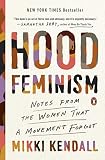
Hood Feminism: Notes from the Women That a Movement Forgot
by Mikki Kendall
On This Page
Description
"A collection of essays taking aim at the legitimacy of the modern feminist movement, arguing that it has chronically failed to address the needs of all but a few women"--Tags
Recommendations
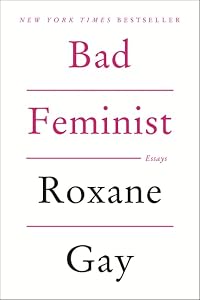
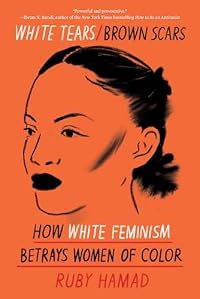

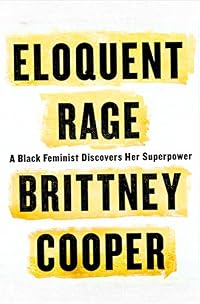







Member Recommendations
Member Reviews
Best for:
People who consider themselves feminists.
In a nutshell:
Author Mikki Kendall shares a variety of essays covering topics and areas that very much fall under the concept of feminism but that are often left out of the discussion by mainstream white feminists.
Worth quoting:
“Girls like me seemed to be the object of the conversations and not full participants, because we were a problem to be solved, not people in our own right.”
“We have to be willing to embrace the full autonomy of people who are less privileged and understand that equity means making access to opportunity easier, not deciding what opportunities they deserve.”
“We must move away from the strategies provided by corporate feminism that teach us to lean in but show more not how to actually support each other.”
Why I chose it:
I follow Ms Kendall on Twitter and saw that she had written a book. Given what I’d seen in her tweets, I knew I’d want to read her work in longer form.
Review:
I am a feminist. I am interested in fighting for equal rights, opportunities, access, and freedoms for all women. What that has meant in practice, however, has often been fighting for the things that are most affecting ME, and not the things that impact women facing more serious challenges.
Ms Kendall’s argument is that white feminism has been very narrowly focused on what white, middle-class women want, and she offers up many areas where white feminism needs to get its shit together. Whether looking at racism, misogynoir, ableism, white supremacy, or examining the challenges of housing insecurity, poverty, education, or reproductive justice, Ms Kendall points out what some of the real struggles and challenges are, and how mainstream feminism has failed - and could start - to provide support and take action.
One big component of all of this is looking at who an action or policy or work centers. Take reproductive health and reproductive justice as one example. Yes, of course I want all people who can give birth to have access to abortions and birth control. But for many pro-choice activists, that’s where it ends. Whereas Ms Kendall makes the case that reproductive justice means so much more - it means access to full healthcare, and it means receiving the support that is needed once someone DOES have a child - food, housing, childcare, education, etc.
The issues Ms Kendall discusses in this book can be fixed, but it takes serious work, work that the people who are experiencing them are already doing. It’s important that the feminists she’s speaking of don’t look at the issues and decide to get all white savior-y on them; a key thing this book has reinforced is to look at who is already doing the work and see how to best support them.
Keep it / Pass to a Friend / Donate it / Toss it:
Keep it show less
People who consider themselves feminists.
In a nutshell:
Author Mikki Kendall shares a variety of essays covering topics and areas that very much fall under the concept of feminism but that are often left out of the discussion by mainstream white feminists.
Worth quoting:
“Girls like me seemed to be the object of the conversations and not full participants, because we were a problem to be solved, not people in our own right.”
“We have to be willing to embrace the full autonomy of people who are less privileged and understand that equity means making access to opportunity easier, not deciding what opportunities they deserve.”
“We must move away from the strategies provided by corporate feminism that teach us to lean in but show more not how to actually support each other.”
Why I chose it:
I follow Ms Kendall on Twitter and saw that she had written a book. Given what I’d seen in her tweets, I knew I’d want to read her work in longer form.
Review:
I am a feminist. I am interested in fighting for equal rights, opportunities, access, and freedoms for all women. What that has meant in practice, however, has often been fighting for the things that are most affecting ME, and not the things that impact women facing more serious challenges.
Ms Kendall’s argument is that white feminism has been very narrowly focused on what white, middle-class women want, and she offers up many areas where white feminism needs to get its shit together. Whether looking at racism, misogynoir, ableism, white supremacy, or examining the challenges of housing insecurity, poverty, education, or reproductive justice, Ms Kendall points out what some of the real struggles and challenges are, and how mainstream feminism has failed - and could start - to provide support and take action.
One big component of all of this is looking at who an action or policy or work centers. Take reproductive health and reproductive justice as one example. Yes, of course I want all people who can give birth to have access to abortions and birth control. But for many pro-choice activists, that’s where it ends. Whereas Ms Kendall makes the case that reproductive justice means so much more - it means access to full healthcare, and it means receiving the support that is needed once someone DOES have a child - food, housing, childcare, education, etc.
The issues Ms Kendall discusses in this book can be fixed, but it takes serious work, work that the people who are experiencing them are already doing. It’s important that the feminists she’s speaking of don’t look at the issues and decide to get all white savior-y on them; a key thing this book has reinforced is to look at who is already doing the work and see how to best support them.
Keep it / Pass to a Friend / Donate it / Toss it:
Keep it show less
I LOVED this book when I was reading it. Shortly after finishing it I posted on Instagram "amazing! so necessary and authoritative and ferocious!" I then saw a criticism of this book that it was not written for Black women, or even for women well-versed in intersectional feminism, but for Well Meaning White Women, and I immediately began questioning everything about my experience of reading this book.
But picking it up again, reading the cover copy, the blurbs, flipping through and reading snippets of the essays, I think that this is exactly what the book sets out to be. It is a reminder of who mainstream feminism does and does not serve. A reminder that looking out for the most marginalized ALWAYS benefits us all. A reminder about show more intersections — particularly those dealing with skin color. If those aren't reminders you need, there might not be much new in this book for you. But some of us need those reminders periodically, and I found this effective on that front. show less
But picking it up again, reading the cover copy, the blurbs, flipping through and reading snippets of the essays, I think that this is exactly what the book sets out to be. It is a reminder of who mainstream feminism does and does not serve. A reminder that looking out for the most marginalized ALWAYS benefits us all. A reminder about show more intersections — particularly those dealing with skin color. If those aren't reminders you need, there might not be much new in this book for you. But some of us need those reminders periodically, and I found this effective on that front. show less
I have been very interested in reading this book since the first time I heard about it because I always want to learn more about intersectional feminism, and this turned out to be such an brilliant read that can’t be forgotten easily.
It’s nothing new that when we talk about mainstream feminism and see who are represented as feminist icons in the media, the image we are shown mostly is that of a cis white educated woman, and all the women of marginalized groups who are working tirelessly for their communities get sidelined. In this book, the author tries to talk extensively about various issues that disproportionately affect the Black community (mainly women) but never get talked about as important topics in the mainstream feminist show more circles. These are all issues that we are familiar with but the author does a great job of highlighting why they should be treated as feminist issues and how working to solve them will help women across all communities.
The chapters about hunger, poverty, homelessness, housing crisis and school to prison pipeline are harrowing to read because of the unique ways in which they effect Black women. The author rightly points out that in the wake of dwindling social safety nets and a government that treats poverty as a moral failing and not as a generational policy failure, poor Black women have to fend for themselves to ensure food and survival for their families. But when the methods they use for survival are unconventional, they are harassed and criminalized and shamed, by so called feminists and everyone else, without ever trying to examine the various factors like race, class and centuries of oppression which have to led to these circumstances. Even when Black women develop ways to cope and support themselves and their communities, they are not considered good enough because they don’t fit into the box that mainstream feminism has decided.
There are also many other issues that the author talks about which uniquely affect the Black community, and are largely ignored by white feminists because they don’t want to understand the intersectionality of issues - like how Black women are considered tougher and hence not considered worthy of emotional and mental support, how health issues like eating disorders go unnoticed because the bodies of Black women don’t fit into some mythical white supremacist body image, how Black children are forced to grow up and never given the chance to be innocent or worthy of second chances which wildly changes the kind of parenting decisions Black women have to make, how maternal mortality and general healthcare outcomes are worse for Black women even when they advocate for themselves - these are issues that need solutions and solidarity that are specific to the Black community and mainstream white feminists have to work within the communities, be allies, form alliances, forget about respectability politics and politeness, and have to amplify the work & the voices of the activists and feminists who have been working from within the communities for long periods of time because they understand the intricacies of the issues.
To conclude, I’m sure I have missed talking about many other things that the author compellingly discusses, giving both statistics and personal anecdotes and it was such an important and eye opening read. We don’t talk enough about intersectional feminism when talking about women’s issues and the author rightfully points out that sometimes, feminism has to be about solving the basic needs of women and not just lofty homogeneous ideals of equality which don’t actually work on the ground. I would highly recommend this book to anyone who likes reading about feminism or anyone who wants to know more about the work that is being/needs to be done in marginalized communities to solve systemic issues. What a book and I can’t wait to read more by the author. show less
It’s nothing new that when we talk about mainstream feminism and see who are represented as feminist icons in the media, the image we are shown mostly is that of a cis white educated woman, and all the women of marginalized groups who are working tirelessly for their communities get sidelined. In this book, the author tries to talk extensively about various issues that disproportionately affect the Black community (mainly women) but never get talked about as important topics in the mainstream feminist show more circles. These are all issues that we are familiar with but the author does a great job of highlighting why they should be treated as feminist issues and how working to solve them will help women across all communities.
The chapters about hunger, poverty, homelessness, housing crisis and school to prison pipeline are harrowing to read because of the unique ways in which they effect Black women. The author rightly points out that in the wake of dwindling social safety nets and a government that treats poverty as a moral failing and not as a generational policy failure, poor Black women have to fend for themselves to ensure food and survival for their families. But when the methods they use for survival are unconventional, they are harassed and criminalized and shamed, by so called feminists and everyone else, without ever trying to examine the various factors like race, class and centuries of oppression which have to led to these circumstances. Even when Black women develop ways to cope and support themselves and their communities, they are not considered good enough because they don’t fit into the box that mainstream feminism has decided.
There are also many other issues that the author talks about which uniquely affect the Black community, and are largely ignored by white feminists because they don’t want to understand the intersectionality of issues - like how Black women are considered tougher and hence not considered worthy of emotional and mental support, how health issues like eating disorders go unnoticed because the bodies of Black women don’t fit into some mythical white supremacist body image, how Black children are forced to grow up and never given the chance to be innocent or worthy of second chances which wildly changes the kind of parenting decisions Black women have to make, how maternal mortality and general healthcare outcomes are worse for Black women even when they advocate for themselves - these are issues that need solutions and solidarity that are specific to the Black community and mainstream white feminists have to work within the communities, be allies, form alliances, forget about respectability politics and politeness, and have to amplify the work & the voices of the activists and feminists who have been working from within the communities for long periods of time because they understand the intricacies of the issues.
To conclude, I’m sure I have missed talking about many other things that the author compellingly discusses, giving both statistics and personal anecdotes and it was such an important and eye opening read. We don’t talk enough about intersectional feminism when talking about women’s issues and the author rightfully points out that sometimes, feminism has to be about solving the basic needs of women and not just lofty homogeneous ideals of equality which don’t actually work on the ground. I would highly recommend this book to anyone who likes reading about feminism or anyone who wants to know more about the work that is being/needs to be done in marginalized communities to solve systemic issues. What a book and I can’t wait to read more by the author. show less
"Hood Feminism" by Mikki Kendall is a groundbreaking and thought-provoking book that deserves a solid 5/5 stars. Kendall's insightful exploration of intersectional feminism not only challenges traditional feminist narratives but also provides a fresh perspective that is crucial for everyone to consider.
Kendall's writing skillfully addresses the gaps in mainstream feminism, highlighting the importance of including issues such as race, class, and accessibility in the feminist movement. Her emphasis on the experiences and struggles faced by women of color, low-income women, and marginalized communities is both eye-opening and empowering.
This book is a must-read for everyone, as it encourages readers to broaden their understanding of show more feminism and become more inclusive in their advocacy for gender equality. It is particularly valuable for white women and men who may not have fully grasped the depth of intersectionality within feminism. Kendall's passionate and eloquent writing invites readers to engage in essential conversations about privilege and solidarity.
In "Hood Feminism," Mikki Kendall challenges us to be better allies and to recognize that feminism is not a one-size-fits-all movement. It's an empowering and enlightening read that will undoubtedly leave a lasting impact, making it a 5-star recommendation for anyone interested in social justice and gender equality. show less
Kendall's writing skillfully addresses the gaps in mainstream feminism, highlighting the importance of including issues such as race, class, and accessibility in the feminist movement. Her emphasis on the experiences and struggles faced by women of color, low-income women, and marginalized communities is both eye-opening and empowering.
This book is a must-read for everyone, as it encourages readers to broaden their understanding of show more feminism and become more inclusive in their advocacy for gender equality. It is particularly valuable for white women and men who may not have fully grasped the depth of intersectionality within feminism. Kendall's passionate and eloquent writing invites readers to engage in essential conversations about privilege and solidarity.
In "Hood Feminism," Mikki Kendall challenges us to be better allies and to recognize that feminism is not a one-size-fits-all movement. It's an empowering and enlightening read that will undoubtedly leave a lasting impact, making it a 5-star recommendation for anyone interested in social justice and gender equality. show less
Soooo much of it comes back to the systematic oppression and systems keeping such a big population of Black people in poverty. One thing that really hit me was the soda tax idea--why does the Western world focus so hard on erradicating obesity when people are still going hungry? Why is it that healthy foods are so much more expensive? Kendall's experiences in having to make hard decision without any possible right decisions was really compelling, and I thought the tone was really great--there's no bullshitting or sugarcoating. It's really important to read (listen!) to how we white women contribute to the patriarchy by ignoring problems of POC, and so very important to talk about how to end many problems we need to end them for all. show more Very readable and well organized into chunks (maybe I do like some sugarcoating!), but very important. show less
I have not engaged with a book at this level since my dissertation days. Burned out two highlighters and ran out of book flags by the last quarter of the book & had to place an emergency office supply order. This book challenges White feminsits to examine our feminism - is my understanding of feminism actively anti-racist, is it intersectional, am I considering the needs of all women, especially black and brown women? How does white supremacy influence my feminist work, consciously and unconsciously, and how do I actively fight against it.
This book will be one I refer back to regularly, recommend to everyone, and work hard to be an accomplice.
This book will be one I refer back to regularly, recommend to everyone, and work hard to be an accomplice.
I can talk a good game about both feminism and racism, I'm well-read in both. I'm an intersectional feminist, and though I have been for years, I'm growing daily. I thought I was secure in what I knew, but this book challenged me and pushed up against my sore spots and weaknesses in a way I haven't been confronted with in a very long time. Kendall doesn't hold back, nor should she.
Her writing is also very personable. She doesn't bore, she's frank and open and gifted. I vow to read more of her books starting today.
Her writing is also very personable. She doesn't bore, she's frank and open and gifted. I vow to read more of her books starting today.
Members
- Recently Added By
Published Reviews
19 BLACK FEMINIST BOOKS YOU NEED IN YOUR LIBRARY
added by bit-of-a-list-tiger
Lists

Investment News 2021 What Advisors Are Reading This Summer
16 works; 1 member

Feminism
167 works; 4 members

Featured in Fat Talk by Virginia Sole-Smith
103 works; 1 member

Sapph-Lit
78 works; 4 members

Patriarchy and white supremacy de-programming
69 works; 1 member
Author Information

7+ Works 2,414 Members
Awards and Honors
Awards
Distinctions
Notable Lists
Common Knowledge
- Canonical title
- Hood Feminism: Notes from the Women That a Movement Forgot
- Alternate titles
- Hood Feminism: Notes from the Women That White Feminists Forgot
- Original publication date
- 2020-02
Classifications
- Genres
- Sexuality and Gender Studies, General Nonfiction, Nonfiction
- DDC/MDS
- 305.420973 — Social sciences Social sciences, sociology & anthropology Groups of people Women Social role and status of women Standard subdivisions History, geographic treatment, biography North America
- LCC
- E185.86 .K46 — History of the United States United States Elements in the population Afro-Americans Status and development since emancipation
- BISAC
Statistics
- Members
- 2,116
- Popularity
- 9,632
- Reviews
- 35
- Rating
- (4.29)
- Languages
- English, Spanish
- Media
- Paper, Audiobook, Ebook
- ISBNs
- 12
- ASINs
- 4