
Ruby Hamad
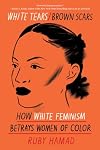
Author of White Tears/Brown Scars: How White Feminism Betrays Women of Color
Works by Ruby Hamad
Tagged
Common Knowledge
- Birthdate
- 20th c. BCE
- Gender
- female
- Nationality
- Australia
Lebanon (birth) - Birthplace
- Lebanon
- Map Location
- Australia
Members
Reviews

Well this needs to be read by everyone, but it’s white women that need it the most to become aware of their complicity in white supremacy. The subtitle speaks of white feminism betraying women of color, but this book points out the history of all white women (not just feminists) doing the betraying. I have seen the tears Hamad speaks of from white women as a weird defense, and it’s always annoyed the crap out of me. I hope that more self-awareness can be gained from reading this book. As show more Hamad has perfectly put it at her conclusion: “White women can dry their tears and join us, or they can continue on the path of the damsel—a path that leads not toward the light of liberation but only into the dead end of the colonial past.” show less
This was not an easy book for me to read, although that is no comment on the author's skill. Even as I was made uncomfortable by the content, I was in awe of the author's ability to distill complex historical and cultural moments into digestible prose. This book is extremely clear and revelatory and it was so helpful to have names put to concepts so foundational as to be invisible to white readers.
The author's unflinching analysis of white supremacy's and specifically white femininity's show more impact on women of color is deeply needed context for white women. Although this book was relatively small, each chapter was so rich and I will be reflecting upon these topics for years to come as I continue to learn more.
I'm so grateful for the author's work in this arena as I know it has cost her so much. I hope to be worthy of her investment. show less
The author's unflinching analysis of white supremacy's and specifically white femininity's show more impact on women of color is deeply needed context for white women. Although this book was relatively small, each chapter was so rich and I will be reflecting upon these topics for years to come as I continue to learn more.
I'm so grateful for the author's work in this arena as I know it has cost her so much. I hope to be worthy of her investment. show less
With all the fuss over “Karens”, those insufferably vile American white women whose bigotry surpasses the worst of the all-male white supremacist alt right, it is very timely that Ruby Hamad is releasing her book White Tears/Brown Scars. Its thesis is that white women use tears as a first line weapon to deflect from their racism. This is a new angle for me; I’d never heard of it before. And certainly never seen it myself. It is as fascinating as it is horrifying.
Hamad, and a couple of show more dozen women of color from around the world whom she interviewed, have long noticed this curious phenomenon. At first, every one of them thought they had overstepped and offended a white woman, and thereby damaged an important relationship with a potentially useful and powerful ally. And so they pulled back rather than hurt their own cause. But over the years, they have come to realize they are not the problem, but that they have been the continual victims of a white female ruse. White women cry when accused of insensitivity or racism. They turn the tables on their accusers: “White feminists have learned to silence us by claiming that our pain is hurting them, “ Hamad says.
It is both amazing and sad how many times and ways this tool gets employed. It seems to be instinctive rather than conspiratorial. And it seems to work every time. Pity the poor white woman. Faced with a real victim – a woman of color – she instead positions herself as a lifelong victim, being accused of victimizing other women! How could anyone think that of her? And so she bursts into tears in the midst of the conversation, effectively ending it before any accusation can be examined for what it might be worth. It is one-upmanship over victimhood, like something out of Monty Python.
Hamad says it shows white women are part of the problem, not the solution. They have decided they are a rung above women of color, and have hitched their wagons to white males on the top wrung. It is more important for them to be associated with white supremacy than female equality. They would rather fit into the hierarchy of the patriarchy where they are a poor second, than with women of color, who are an even poorer third. Women of color are a lower caste, definitely not worth associating with. The result is this odd habit of white women suddenly bursting into tears when accused, challenged or even just discussing their own racism.
Hamad’s book, which evolved out of a magazine article that took her on a whirlwind of global interest, led of course to attracting all kinds of trolls, from whom she learned a lot. But it also gave her thesis depth. It led her to investigate the history of white feminism, going back in history and around the world. She found the same things everywhere she looked: white women dominating slaves and other women of color, crying crocodile tears, and posing as white supremacists beside their white supremacist males. And when it wasn’t tears, it was the damsel in distress. Poor, weak, innocent and fragile white woman in a hostile land. They carved their own little niche in the patriarchy, and defended (and continue to defend) it with every wile and tool at their disposal. Tears are easy for them to produce, and the results are quick to let them off the hook and deflect to another conversation, away from themselves.
To her credit, Hamad also found that racism is not merely white over color. All over the world, as I have written numerous times, master races dominate and discriminate against other races. The Malaysians discriminate against their Chinese co-citizens right in the constitution. Mexico has an entire caste system based on skin shades. So does India, where skin lighteners are in constant demand. Japanese men are simply superior to everyone else in the world, especially their own women. It’s not just American whites.
As for European whites, everywhere they settled, they dominated everyone else, by extreme force. Women could accuse any man of another color of assault or rape, and they would all but automatically be sentenced to death or long prison terms. Protecting the supposed virtue and saintliness of white women got baked into laws promulgated by top wrung white men. Raping a black woman wouldn’t raise an eyebrow (Jezebel that she must be). But accusing young black Emmett Till of just whistling at a white woman, even though it wasn’t even true, cost him his life. Simply bumping past a white woman in a crowded hallway could mean execution.
Hamad, who repeatedly mentions she is olive-skinned with voluminous hair she pointlessly struggled to tame for years, found her fellow victims attacked with the same labels: toxic, bully, hostile, troublemaker, aggressive, irrational, divisive. The coincidences are global. The so-called sisterhood of feminists is an exclusive club for hypocritical white women. They will climb the corporate ladder, pushing women of color aside and burying them, rather than mentoring them. Is it any wonder that so many women leading major corporations has not resulted in equality for women employees?
It doesn’t stop at tears, either. The claimants in most US racial discrimination lawsuits resulting from affirmative action are white women, Hamad found. It appears “We can be both targets of racial abuse and perpetrators of it.”
Ironically, perhaps, it is the women of color, most especially Indigenous women, who are at the forefront of environmental rights,” because their own rights are inseparable from the battle for the environment.” They don’t have time for the games white women play. Their families and their lives are at stake, and they make real headway and real progress without the drama white women engender. Because they have to.
Hamad ends with two contradictory thoughts, as befits this mind-numbing discovery: ”I’d be lying if I said I knew how to reconcile all this,” she says.
And “White women can dry their tears and join us, or they can continue on the path of the damsel, a path that leads not toward the light of liberation, but only into the dead end of the colonial past.”
David Wineberg show less
Hamad, and a couple of show more dozen women of color from around the world whom she interviewed, have long noticed this curious phenomenon. At first, every one of them thought they had overstepped and offended a white woman, and thereby damaged an important relationship with a potentially useful and powerful ally. And so they pulled back rather than hurt their own cause. But over the years, they have come to realize they are not the problem, but that they have been the continual victims of a white female ruse. White women cry when accused of insensitivity or racism. They turn the tables on their accusers: “White feminists have learned to silence us by claiming that our pain is hurting them, “ Hamad says.
It is both amazing and sad how many times and ways this tool gets employed. It seems to be instinctive rather than conspiratorial. And it seems to work every time. Pity the poor white woman. Faced with a real victim – a woman of color – she instead positions herself as a lifelong victim, being accused of victimizing other women! How could anyone think that of her? And so she bursts into tears in the midst of the conversation, effectively ending it before any accusation can be examined for what it might be worth. It is one-upmanship over victimhood, like something out of Monty Python.
Hamad says it shows white women are part of the problem, not the solution. They have decided they are a rung above women of color, and have hitched their wagons to white males on the top wrung. It is more important for them to be associated with white supremacy than female equality. They would rather fit into the hierarchy of the patriarchy where they are a poor second, than with women of color, who are an even poorer third. Women of color are a lower caste, definitely not worth associating with. The result is this odd habit of white women suddenly bursting into tears when accused, challenged or even just discussing their own racism.
Hamad’s book, which evolved out of a magazine article that took her on a whirlwind of global interest, led of course to attracting all kinds of trolls, from whom she learned a lot. But it also gave her thesis depth. It led her to investigate the history of white feminism, going back in history and around the world. She found the same things everywhere she looked: white women dominating slaves and other women of color, crying crocodile tears, and posing as white supremacists beside their white supremacist males. And when it wasn’t tears, it was the damsel in distress. Poor, weak, innocent and fragile white woman in a hostile land. They carved their own little niche in the patriarchy, and defended (and continue to defend) it with every wile and tool at their disposal. Tears are easy for them to produce, and the results are quick to let them off the hook and deflect to another conversation, away from themselves.
To her credit, Hamad also found that racism is not merely white over color. All over the world, as I have written numerous times, master races dominate and discriminate against other races. The Malaysians discriminate against their Chinese co-citizens right in the constitution. Mexico has an entire caste system based on skin shades. So does India, where skin lighteners are in constant demand. Japanese men are simply superior to everyone else in the world, especially their own women. It’s not just American whites.
As for European whites, everywhere they settled, they dominated everyone else, by extreme force. Women could accuse any man of another color of assault or rape, and they would all but automatically be sentenced to death or long prison terms. Protecting the supposed virtue and saintliness of white women got baked into laws promulgated by top wrung white men. Raping a black woman wouldn’t raise an eyebrow (Jezebel that she must be). But accusing young black Emmett Till of just whistling at a white woman, even though it wasn’t even true, cost him his life. Simply bumping past a white woman in a crowded hallway could mean execution.
Hamad, who repeatedly mentions she is olive-skinned with voluminous hair she pointlessly struggled to tame for years, found her fellow victims attacked with the same labels: toxic, bully, hostile, troublemaker, aggressive, irrational, divisive. The coincidences are global. The so-called sisterhood of feminists is an exclusive club for hypocritical white women. They will climb the corporate ladder, pushing women of color aside and burying them, rather than mentoring them. Is it any wonder that so many women leading major corporations has not resulted in equality for women employees?
It doesn’t stop at tears, either. The claimants in most US racial discrimination lawsuits resulting from affirmative action are white women, Hamad found. It appears “We can be both targets of racial abuse and perpetrators of it.”
Ironically, perhaps, it is the women of color, most especially Indigenous women, who are at the forefront of environmental rights,” because their own rights are inseparable from the battle for the environment.” They don’t have time for the games white women play. Their families and their lives are at stake, and they make real headway and real progress without the drama white women engender. Because they have to.
Hamad ends with two contradictory thoughts, as befits this mind-numbing discovery: ”I’d be lying if I said I knew how to reconcile all this,” she says.
And “White women can dry their tears and join us, or they can continue on the path of the damsel, a path that leads not toward the light of liberation, but only into the dead end of the colonial past.”
David Wineberg show less
A depressing and persuasive reminder that white women were complicit in the white man's burden of slavery, imperialism, and colonialism and despite their ongoing efforts for equal rights can still benefit from and leverage systemic racism today to the detriment of BIPOC women. The writing gets a little dry as it delves through centuries of history but is still enlightening and becomes very thought-provoking as it connects those distant events to the turmoil of recent years.
In the chapter show more "When Tears Become Weapons" there is a segment about a Twitter storm around some comments made by writer Mary Beard that totally reminded me of the recent Kate Clanchy debacle:
"Twitter pile-ons can be so over the top that separating the wheat of legitimate critique from the chaff of abusive trolling can sometimes feel like an exercise in futility, so I have no doubt that much of the criticism leveled at Beard got unnecessarily nasty. Nonetheless, there are attacks and there is constructive criticism, and Beard seemed to make no differentiation between the two. Apologizing not for the content or the implications of her tweet but for attempting to inject 'nuance' into the discussion, she posted a teary selfie of herself, pleading, 'I'm really not the nasty colonialist you think I am . . . If you must know I am sitting here crying.'"
Here's a link to the article that was the origin of this book:
https://www.theguardian.com/commentisfree/2018/may/08/how-white-women-use-strate... show less
In the chapter show more "When Tears Become Weapons" there is a segment about a Twitter storm around some comments made by writer Mary Beard that totally reminded me of the recent Kate Clanchy debacle:
"Twitter pile-ons can be so over the top that separating the wheat of legitimate critique from the chaff of abusive trolling can sometimes feel like an exercise in futility, so I have no doubt that much of the criticism leveled at Beard got unnecessarily nasty. Nonetheless, there are attacks and there is constructive criticism, and Beard seemed to make no differentiation between the two. Apologizing not for the content or the implications of her tweet but for attempting to inject 'nuance' into the discussion, she posted a teary selfie of herself, pleading, 'I'm really not the nasty colonialist you think I am . . . If you must know I am sitting here crying.'"
Here's a link to the article that was the origin of this book:
https://www.theguardian.com/commentisfree/2018/may/08/how-white-women-use-strate... show less
Lists
Awards


You May Also Like


Statistics
- Works
- 1
- Members
- 575
- Popularity
- #43,588
- Rating
- 4.4
- Reviews
- 13
- ISBNs
- 10