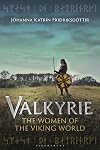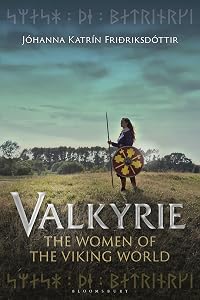
Valkyrie: The Women of the Viking World
by Jóhanna Katrín Friðriksdóttir
On This Page
Description
"Valkyries: the female supernatural beings that choose who dies and who lives on the battlefield. They protect some, but guide spears, arrows and sword blades into the bodies of others. Viking myths about valkyries attempt to elevate the banality of war - to make the pain and suffering, the lost limbs and deformities, the piles of lifeless bodies of young men, glorious and worthwhile. Rather than their death being futile, it is their destiny and good fortune, determined by divine beings. The show more fateful agency of women is widespread in Norse sources. Norse sagas and Viking myths tell stories of war and strife, loyalty and betrayal, murder and revenge, privation and success. The women in these stories take full part in the power struggles and upheavals in their communities and families, for better or worse. But in some spheres, women are systematically oppressed or excluded because of their gender, and the sagas communicate heartbreaking stories of girls' and women's traumatic experiences that resonate strongly today. Valkyrie will introduce readers to the dramatic and fascinating texts recorded in medieval Iceland, a culture able to imagine women in all kinds of roles carrying power, not just in this world, but pulling the strings in the other-world, too. Drawing on the latest historical and archaeological evidence, this book will also uncover the reality behind the myths and legends to reveal the dynamic, diverse lives of Viking women."-- show lessTags
Recommendations



Member Reviews
Jóhanna Katrín Friðriksdóttir's Valkyrie: The Women of the Viking World provides an overview of the lives of women in the Viking Age. There are few books out there which concentrate on this topic, and so this is a welcome update of Judith Jesch's Women in the Viking Age, which is now about 30 years old. Friðriksdóttir uses a woman's life cycle—from childhood to old age and death—to structure the book, and grounds her argument throughout in extensive engagement with the saga literature, as even the most cursory glance through the end notes would make clear.
Yet such a glance would also show a slightly puzzling lack of engagement with work on the history of medieval women other than that of Jesch or Jenny Jochens. There has been show more so much good scholarship produced on medieval women and their engagement with power, authority, artistic patronage, religion, etc, over the past thirty years. Even if much of that work isn't directly on the Viking Age, I think it would have provided a useful set of comparatives—something against which to test Friðriksdóttir's assertions about the gendered limits of women's power in this time and place. She appears to take a more minimalist view of such things than scholars of other elite medieval women—which would be fine, if it were clearer to me whether that's because she disagrees with them or because she does not have much grounding in their work. I've also got a couple of question marks about Friðriksdóttir's framing of the archaeological evidence.
I think this will be useful to refer back to when looking for moments in the sagas which have a particular thematic relevance in relation to women, but as a general overview it's not as authoritative as I was hoping for. show less
Yet such a glance would also show a slightly puzzling lack of engagement with work on the history of medieval women other than that of Jesch or Jenny Jochens. There has been show more so much good scholarship produced on medieval women and their engagement with power, authority, artistic patronage, religion, etc, over the past thirty years. Even if much of that work isn't directly on the Viking Age, I think it would have provided a useful set of comparatives—something against which to test Friðriksdóttir's assertions about the gendered limits of women's power in this time and place. She appears to take a more minimalist view of such things than scholars of other elite medieval women—which would be fine, if it were clearer to me whether that's because she disagrees with them or because she does not have much grounding in their work. I've also got a couple of question marks about Friðriksdóttir's framing of the archaeological evidence.
I think this will be useful to refer back to when looking for moments in the sagas which have a particular thematic relevance in relation to women, but as a general overview it's not as authoritative as I was hoping for. show less
A very readable, multidisciplinary account of women's lives in the Viking Age. Women 's thoughts and feelings are not given much attention in the ultra-male world of the sagas, but both physical and textual evidence is brought together to bring another dimension to women who often had very little control over their lives
One very small quibble - I could have done without Game of Thrones references, but they only appear a couple of times
One very small quibble - I could have done without Game of Thrones references, but they only appear a couple of times
This insightful and authoritative work will make an excellent companion to Women in the Viking Age and Women in Old Norse Society: A Portrait. The author makes extensive use of the mythology, archaeology and sagas to provide a valuable look at how women were perceived in Viking society.
Jag gillar inte riktigt titeln på Jóhanna Katrín Friðriksdóttirs Valkyria: den är mer sensationell än innehållet. Skall detta benämnas är det närmaste ordet "lärt", ty det är fråga om en bred genomgång av kvinnors villkor under vikingatiden, inte enbart de kvinnliga väsen som utvalde vilka som skulle falla i strid och sedan förde deras själar till gudarna.
Verket är huvudsakligen organiserat efter kvinnans åldrar, från småbarnsåren, via bortgiftet och barnafödandet fram till den sena ålderdomen. Det är egentligen främst de fria kvinnorna som skildras, ty de källor som huvudsakligen nyttjas är de isländska sagorna och dikterna, och i mindre grad medeltida lagar, runstenar och arkeologiska fynd. Skildringen show more bygger heller inte på den allra strängaste källkritik, i alla fall inte någon argumenterad sådan, ty det är sällan någon källa omnämns fram för att sedan avföras annat än när det gäller uppenbara orimligheter i detaljerna.
Titeln blir något ironiskt vid ett av undantagen från ovanstående: en grav utanför Birka där ett skelett som gravlagt med flera vapen har vid DNA-undersökning visats tillhöra en kvinna; författaren menar att det kan finnas andra förklaringar än att hon var en kvinnlig krigare. Ett av alternativen, att det var en kvinna som av egen eller andras vilja fått anta manligt genus, verkar dock minst lika spännande, men författaren spinner inte vidare på något av dessa spår.
Kan boken rekommenderas? Ja, för den som vill ha en tydlig genomgång av vad nordiska källor har att säga om kvinnor, utan att författaren tydligt släpar in egna idéer. Det är inte den mest stimulerande bok om tiden jag läst, men heller inte den mest orimliga. show less
Verket är huvudsakligen organiserat efter kvinnans åldrar, från småbarnsåren, via bortgiftet och barnafödandet fram till den sena ålderdomen. Det är egentligen främst de fria kvinnorna som skildras, ty de källor som huvudsakligen nyttjas är de isländska sagorna och dikterna, och i mindre grad medeltida lagar, runstenar och arkeologiska fynd. Skildringen show more bygger heller inte på den allra strängaste källkritik, i alla fall inte någon argumenterad sådan, ty det är sällan någon källa omnämns fram för att sedan avföras annat än när det gäller uppenbara orimligheter i detaljerna.
Titeln blir något ironiskt vid ett av undantagen från ovanstående: en grav utanför Birka där ett skelett som gravlagt med flera vapen har vid DNA-undersökning visats tillhöra en kvinna; författaren menar att det kan finnas andra förklaringar än att hon var en kvinnlig krigare. Ett av alternativen, att det var en kvinna som av egen eller andras vilja fått anta manligt genus, verkar dock minst lika spännande, men författaren spinner inte vidare på något av dessa spår.
Kan boken rekommenderas? Ja, för den som vill ha en tydlig genomgång av vad nordiska källor har att säga om kvinnor, utan att författaren tydligt släpar in egna idéer. Det är inte den mest stimulerande bok om tiden jag läst, men heller inte den mest orimliga. show less
Sep 3, 2025Swedish
Ratings
Members
- Recently Added By
Author Information

4+ Works 151 Members
Some Editions
Awards and Honors
Awards
Common Knowledge
- Canonical title*
- Valkyria : vikingatidens kvinnor
- Original title
- Valkyrie
- People/Characters
- Freyja; Dörruðr; Odin; Snorri Sturluson; Brynhild; Sigurd (show all 291); Gunnar (Gunnarr); Gudrun Gjukadottir; Gunnr (valkyrie); Göndul; Skögul; Hildr; Hrist; Mist (valkyrie); Hlökk; Hakon Haraldsson; Thrym (Þ | rymr); Thor; Loki; Hrungnir; Óttarr; Hyndla; Thjóðrekr; Aud the Deep-Minded (as Unnr the Deep-Minded); Gudrid Thorbjarnardóttir; Svanhildr (daughter of Sigurd and Gudrun); Atli; Hamdir; Sörli; Thorstein Egilsson; Jófríðar; Helga Thorsteinsdottir; Gísli Súrsson; Guðríðr (Gí | sli Sú | rsson's foster-daughter); Auðr Vésteinsdóttir; Halldís; Melkorka; Olaf the Peacock; Hallgerðr Höskuldsdóttir; Þjóstólfr; Gudrun Osvifsdottir; Herdís Bolladottir; Rígr; Ríg-Jarl (as Earl); Helga Bárðardóttir; Bárðr Snæfellsáss; Erik the Red; Thjodhild Jorundardaughter; Skeggi; Hrútr Herjólfsson; Hoskuld Dala-Kollsson; Unnr Mörðrdóttir; Mörðr Sigmundarson; Gest Oddleifsson; Ólöf Thorsteinsdóttir; Gró Thorsteinsdóttir; Thorhildr Thorsteinsdóttir; Thorgerdr Thorsteinsdóttir; Ósk Thorsteinsdóttir; Astrid Olofsdottor; Olof Skötkonung (King Ó | lá | fr of Sweden); Ólafr Haraldsson; Ingegerd Olofsdotter (Ingibjö | rg); Thorgerdr Glumsdottir; Gunnar Hámundarson; Thráinn Sigfússon; Thorhildr (wife of Thrainn); Hildigunnr Starkadardottir; Höskuldr Thráinsson; Olaf Tryggvason; Astrid Tryggvesdatter; Freyr; Gerðr; Skírnir; Sigrún; Helgi Hundingsbane; Thorgerdr Egilsdottir; Egill Skallagrímsson; Þorvaldr Ósvífrsson; Ari Þorgilsson; Kormákr Ögmundarson; Steingerðr Þórkelsdóttir; Þormóðr Bersason; Saxo Grammaticus; Rinda; Vali; Balder (as Baldr); Thora (Þ | ó | ra); Smiðr; Vígdís; Þjóðólfr Arnórsson; Harald Fairhair; Gyda Eiriksdatter; Rögnvaldr Kali Kolsson; Gunnlaugr Ormstunga; Oddrún; Borgný; Astrid; Gunnvör; Gunnhildr Gormsdóttir; Jórunn Skáldmær; Halfdan the Black; Vilborg (court poet); Thórdís Súrsdóttir (Þ | ó | rdí | s); Bróka-Auðr (Breeches-Auð | r); Rusla (Inghen Ruaidh); Brian Boru; Lagertha (as Lathgertha); Ragnar Lothbrok; Yara Greyjoy; Sif; Valkyrie (Marvel comics character); Frøya; Hervor; Theon Greyjoy; Omund; Thrond; Heiðr (as Hetha); Midgard Serpent (or Jormungandr); Thorbjorn Vifilsson; Thorfinn Karlsefni; Snorri Thorfinnson; Skadi; Hyrrokkin; Leif Eriksson; Tacitus; Alfred the Great; Hæsten; Abbo Cernuus; Ingirun Harðardóttir; Gunnborga (rune carver); Thuridr of Froda; Thorgunna (in the Eyrbyggja Saga); Bolli Þorleiksson; Kjartan Ólafsson; Ragnhild the Mighty; Njáll Þorgeirsson; Hróðný Höskuldsdóttir; Holmgautr; Odindisa; Sleipnir; Fafnir; Jórunn Mannvitsbrekka; Jórunn Bjarnadóttir; Eyjólfr Þórðarson; Sigyn; Eirik Bloodaxe; Thorolf Skallagrímsson; Cersei Lannister; Aelfgifu of Northampton; Cnut the Great; Svein Knutsson; Njord; Bergþóra Skarphéðinsdóttir; Thord Ingunnarson; Frigg; Snorri Thorgrimsson (Goð | i); Thorodd the Tribute-Trader; Björn Asbrandsson; Kjartan Thóroddsson; Skarphéðinn Njálsson; Freydis Eriksdottir; Volsung Rerisson; Muirgeal; Vigdís Þórisdóttir; Thórdís Ingimundardóttir; Thorgils Orrabeinfostre; Thorir; Laufey; Myrkjartan; Thorbjorn; Åsta Gudbrandsdatter; Hrani; Sigurd Syr; Grettir Ásmundarson; Asmund Haerulang; Ásdís Barðardóttir; Jökull Ingimundarson; Glámr; Skallagrim Kvedulfsson; Thorgerðr Brák; Astrid Eiriksdottir; Tryggve Olafsson; Harald Greycloak; Thorolf Lousebeard; Hákon Hákonarson; Hildr Hrólfsdóttir; Rollo (Hrolfr); Ragnvald Eysteinsson (Rö | gnvaldr); William the Conqueror; Magnus the Good; Alfhild (Á | lfhildr); Sighvatr Þórðarson; Aslaug; Thora Borgarhjört; Síbilja; Herþrúðr; Gestr Bárðarson; Thordis (daughter of Skeggi); Thórðr Ingunarsson; Hrefna Ásgeirsdóttir; Helgi Harðbeinsson; Signy Volsungsdottir; Siggeir; Sigmund Volsungsson; Sinfjötli; Borghild; Högni Gjukason; Grimhild; Geirmundr; Geirlaug; Guðrikr; Inga; Ragnfaster; Eiríkr; Flosi Þórðarson; Gyrid; Tyra of Denmark (Thyri Haraldsdatter); Sigurfljóð; Sigríðr Sigurðardóttir; Bárðr Brynjólfsson; Thórólfr Kveld-Úlfsson; Gríma; Kolbakr; Vermundr Þorgrímsson; Thorgeir Hávarsson; Estrid Sigfastsdotter (of Taby); Östen; Ingvar; Jarlabanke; Gag; Ingerun; Hord; Sigríðr Ormsdóttir; Ormr; Alríkr; Hólmgeirr; Sigröðr; Michael (Saint); Saint Ansgar; Rimbert (Ansgar's disciple); Mor Frideborg; Catla; Olaf the White; Thorstein the Red; Thorgerðr; Ásgerðr Ásksdóttir; Gríðr; Thuridr Spákona; Thuridr Sundafyllir; Geirríðr; Útgarða-Loki; Elli (deity); Idunn (deity); Thiazi (Þ | jazi); Olaf Feilan; Olenna Tyrell; Margaery Tyrell; Katla; Gunnlaug Thorbjornsson; Thórarinn Svarti; Oddr; Auðr; Sæunn; Glæsir; Thorolf Halt-Foot (Lame-foot); Þorbjörg Lítilvölva; Thorkell; Thorbjörn Öngull; Thurid Asgeirsdottir; Nanna (deity); Hel (deity); Jónakr; Illugi the Red; Sigríðr Þórarinsdóttir; Hólm-Starri; Heidrek; Helga Haraldsdóttir; Adam of Bremen; Åsa Haraldsdottir; Rán (deity); Angrboda; Skuld; Thorstein Eiriksson; Sigrid (wife of Thorsteinn); Harald Bluetooth; Steinunn Refsdóttir; Þangbrandr; Mary Magdalene; Euphemia of Rügen (Eufemia of Norway); Hela (Marvel)
- Important places
- Iceland; Gotland, Sweden; Norway; Sweden; Birka, Sweden; Scandinavia (show all 10); Greenland; Vinland; Ireland; England, UK
- Important events*
- Slaget vid Clontarf (1014-04-23)
- First words
- On Good Friday, 23 April 1014, the Battle of Clontarf was fought near Dublin.
- Last words
- (Click to show. Warning: May contain spoilers.)A culture with a narrative tradition and collective imagination that produced poems like Darraðarljóð must have been driven by women who ‘decided’.
*Some information comes from Common Knowledge in other languages. Click "Edit" for more information.
Classifications
- Genres
- History, Nonfiction, Anthropology, General Nonfiction, Sexuality and Gender Studies, Literature Studies and Criticism
- DDC/MDS
- 948.022 — History & geography History of Europe Northern Europe: Norway, Sweden, Denmark, Finland, Iceland Consolidation; Migration 801-1397 Viking Period
- LCC
- DL65 .F75 — History of Europe, Asia, Africa and Oceania Northern Europe. Scandinavia History of Northern Europe. Scandinavia History By period Earliest to 1387. Scandinavian Empire. Northmen.
- BISAC
Statistics
- Members
- 121
- Popularity
- 268,597
- Reviews
- 4
- Rating
- (3.75)
- Languages
- English, French, German, Swedish
- Media
- Paper, Audiobook, Ebook
- ISBNs
- 9
- ASINs
- 4