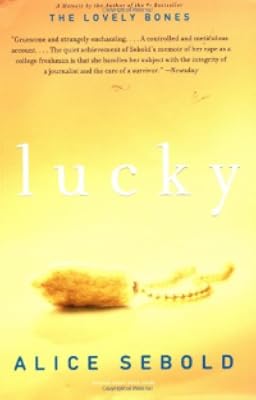
Lucky
by Alice Sebold
On This Page
Description
In this memoir, Alice Sebold reveals how her life was transformed when at age 18 she was raped and beaten in a park near her college campus.Tags
Recommendations

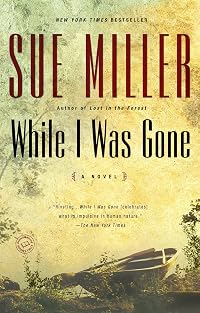
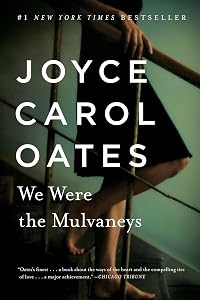
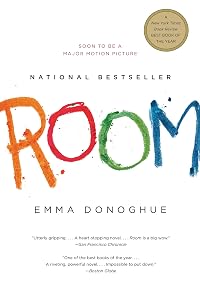
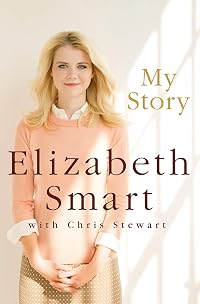
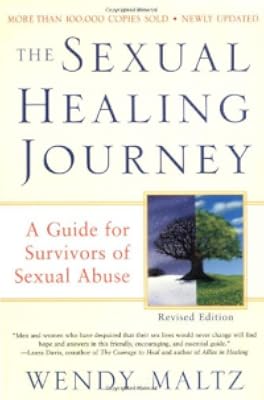
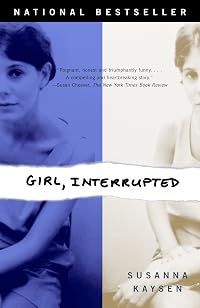
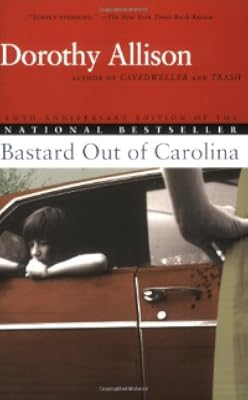
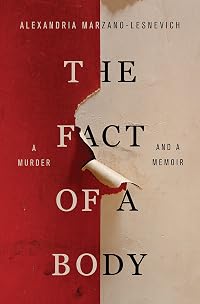
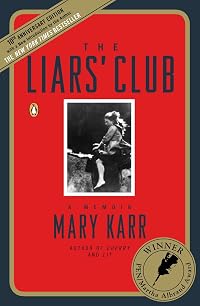
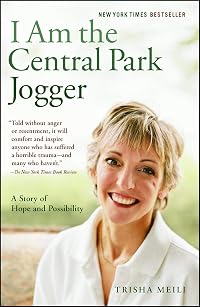
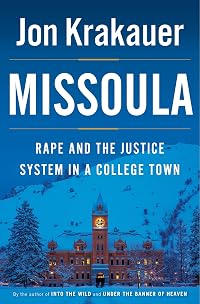
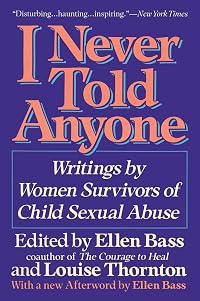
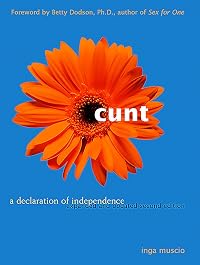
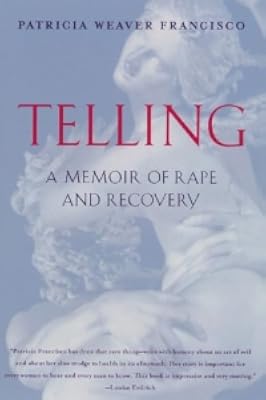
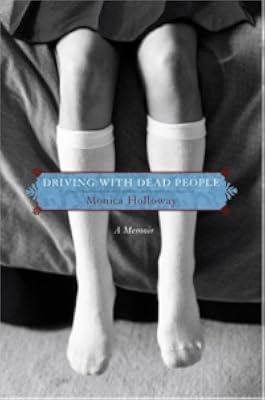
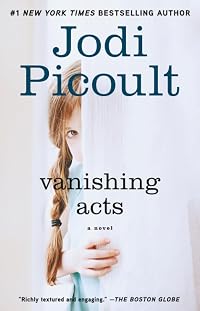
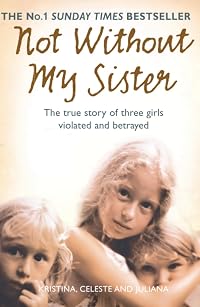
Member Recommendations
Member Reviews
Alice Sebold was a self-described "weirdo" college girl from an even quirkier family when she was raped by a stranger. All at once, everyone's perception of her changed. She coped with her new identity as "the raped girl" as best she could. Then one day, months later, she thought she saw her rapist in the street. He spoke to her as if he knew her. This brief encounter ended with a prosecution and conviction.
This memoir has been controversial ever since the 2021 exoneration of the Black man convicted of Sebold’s rape. I tried to read the book on its own terms and concluded that, as the story of a horrific crime and its aftermath, it works despite its narrow focus and occasional stretches of dull writing. As Sebold writes in the show more afterword, the narrative has gained a following among survivors of sexual violence. However, when reading this book, it is impossible not to think of the injustice that the author and the legal system unwittingly brought to pass. show less
This memoir has been controversial ever since the 2021 exoneration of the Black man convicted of Sebold’s rape. I tried to read the book on its own terms and concluded that, as the story of a horrific crime and its aftermath, it works despite its narrow focus and occasional stretches of dull writing. As Sebold writes in the show more afterword, the narrative has gained a following among survivors of sexual violence. However, when reading this book, it is impossible not to think of the injustice that the author and the legal system unwittingly brought to pass. show less
Wow. What a book. This is the true story of the author's brutal rape and her recovery. She is so brutally honest and the book was so detailed that I could not put it down. The description of the rape was hard to read in such detail but I think it was important for the book for the readers to be able to relate even a little bit to her story. Hearing how her relationships changed with her friends and family was difficult to imagine. One scene that really stood out for me was when she tried to get her father to understand what happened to her and why she didn't fight more. People so often judge and blame the victim. In this book, she talks about that frequently and how she actually tried to protect others from their discomfort. She was show more lucky to have a lot of support and one teacher that helped her have the strength to face her attacker in court and actually convict him. This was a book of strength and courage. It was well worth the read show less
I was afraid to read this memoir. I knew it would bring back undesired memories; it did. Alice Sebold was 19 in college when she was brutally raped; she was a virgin. I was 18 in college, a virgin, when a guy forced himself upon me. I was lucky; he didn’t go through with it. Sebold was not as “Lucky”, but a police officer told her she was because another girl was murdered and dismembered where she was raped. We live with the trauma and the fear that will never completely go away. I can’t forget his weight on me, his hands tearing at my clothing. Sebold has much worse to forget.
Honest, blunt, factual, simply harrowing at times, Sebold began the research on this book 15 years after the rape took place; it marked the beginning of show more her truly reflecting on this event. Professor Wolff, when he learned of her rape ordeal, had advised her to remember EVERYTHING. The result is this book.
The rape is detailed at the start; it is difficult to read to say the least. The rape is horrific enough; what comes after the rape is even worse. The judicial system favors the defendant – innocent until proven guilty. The next chapters detailed the line-up, the hearing, and the trail. Her non-supporting family members irate me – the dad who couldn’t understand how she “let” the rapist rape her without his knife (no, you can’t fuck someone and threaten her with a knife at the same time), the sister who distanced herself continued to live in her own world, and her mom with anxiety attacks, well, provided moral support if nothing else. I felt Alice’s loneliness. Rape distanced her from those who couldn’t handle such a topic. It’s still a taboo. “Ruined” – that’s what Sebold had thought of herself.
At times, I shivered. Certain passages made my lips quiver. I broke down when Sebold revealed her roommate was raped during the fourth year, possibly as a revenge towards her, tearing their friendship apart. Other rapes surfaced when Sebold’s story was known in her community – a mom who was raped at 18, a college roommate who remembered her own incest, raped by her brothers for years. She attempted suicide.
Sebold did not present herself to be sweet and likeable. She’s flawed like the rest of us. Alcohol and drugs mixed into her means to be normal. She had sex for the sake of having sex even though it hurts.
Gregory Madison – Rapist, Sebold’s rapist. The name frightened me. The words held personal meaning.
Only 13% of rapes are trialed and convicted. This means up to 87% remain nameless. When Sebold was able to identify her assailant, her rapist went from “rapist” to “Gregory Madison”. Greg Madison. Somehow this passage was incredibly powerful. To have a name, she is not one of many; she is not general. It gave her focus.
Parents – Read this and learn what not to do for your children in crisis.
Everyone – Read this and learn how to protect yourself in crisis, especially the aftermath.
I read sexual assault remains with a person long after it occurred. It explains a lot of my own feelings and my continued need to feel protected.
No quotes. I can’t quote from something like this. show less
Honest, blunt, factual, simply harrowing at times, Sebold began the research on this book 15 years after the rape took place; it marked the beginning of show more her truly reflecting on this event. Professor Wolff, when he learned of her rape ordeal, had advised her to remember EVERYTHING. The result is this book.
The rape is detailed at the start; it is difficult to read to say the least. The rape is horrific enough; what comes after the rape is even worse. The judicial system favors the defendant – innocent until proven guilty. The next chapters detailed the line-up, the hearing, and the trail. Her non-supporting family members irate me – the dad who couldn’t understand how she “let” the rapist rape her without his knife (no, you can’t fuck someone and threaten her with a knife at the same time), the sister who distanced herself continued to live in her own world, and her mom with anxiety attacks, well, provided moral support if nothing else. I felt Alice’s loneliness. Rape distanced her from those who couldn’t handle such a topic. It’s still a taboo. “Ruined” – that’s what Sebold had thought of herself.
At times, I shivered. Certain passages made my lips quiver. I broke down when Sebold revealed her roommate was raped during the fourth year, possibly as a revenge towards her, tearing their friendship apart. Other rapes surfaced when Sebold’s story was known in her community – a mom who was raped at 18, a college roommate who remembered her own incest, raped by her brothers for years. She attempted suicide.
Sebold did not present herself to be sweet and likeable. She’s flawed like the rest of us. Alcohol and drugs mixed into her means to be normal. She had sex for the sake of having sex even though it hurts.
Gregory Madison – Rapist, Sebold’s rapist. The name frightened me. The words held personal meaning.
Only 13% of rapes are trialed and convicted. This means up to 87% remain nameless. When Sebold was able to identify her assailant, her rapist went from “rapist” to “Gregory Madison”. Greg Madison. Somehow this passage was incredibly powerful. To have a name, she is not one of many; she is not general. It gave her focus.
Parents – Read this and learn what not to do for your children in crisis.
Everyone – Read this and learn how to protect yourself in crisis, especially the aftermath.
I read sexual assault remains with a person long after it occurred. It explains a lot of my own feelings and my continued need to feel protected.
No quotes. I can’t quote from something like this. show less
Powerful survivorship story about a young girl at college who is attacked and raped by a stranger, who then bumps into him in the street six months later and prosecutes. A book that pulls no punches about the horrificness of the rape, or the horrificness of the trial, and that ends on a disturbingly ambiguous note which is either 'if you fight this, there will be retribution and revenge attacks', or 'this sort of horribleness is very common'. Or, you know, weird things happen in large enough populations and this is just hugely bad luck. The depths of anger about what happened and how much she wants to hurt her attacker are ugly and unfiltered, which is a very uncomfortable read. The whole book is an uncomfortable read, and that is how show more it should be. Excellent story of overcoming trauma, fighting back, and how society handles rape victims. show less
Alice Sebold is a terrific writer and this book proves it. A memoir of her rape at a time when she was a young student at Syracuse University, it begins with a harrowing and honest account of the crime. From there, she talks about how her friends and family grappled with it all, and how it changed her forever.
An important part of the book is the story of how she accidentally spotted her rapist on the street one day, months after the attack, which led to his arrest, trial and conviction. Sebold goes into some detail in her report on the trial, including her positive identification of the defendant as the man who raped her. The only problem is that she apparently identified the wrong man, and as a result, an innocent man went on to spend show more many years in prison and many more years listed as a sex offender, his life ruined. An innocent man.
Sebold wanted to write a book about sexual violence and women, and in the book is rather dismissive of the issue of race, which she saw as incidental. She is angry when the defendant’s lawyer asks her how many Black men she knew — because that’s not really relevant. And yet, the fact that the man she identified was Black and she was White turned about to be far more important than she realised.
The publisher stopped selling the book when the man she identified, Anthony J. Broadwater, was finally exonerated recently, 40 years after the crime. That whet my appetite — and I’m sure that of others as well — to read the book. I look forward to reading Sebold’s thoughts on all this in a future edition of the book. show less
An important part of the book is the story of how she accidentally spotted her rapist on the street one day, months after the attack, which led to his arrest, trial and conviction. Sebold goes into some detail in her report on the trial, including her positive identification of the defendant as the man who raped her. The only problem is that she apparently identified the wrong man, and as a result, an innocent man went on to spend show more many years in prison and many more years listed as a sex offender, his life ruined. An innocent man.
Sebold wanted to write a book about sexual violence and women, and in the book is rather dismissive of the issue of race, which she saw as incidental. She is angry when the defendant’s lawyer asks her how many Black men she knew — because that’s not really relevant. And yet, the fact that the man she identified was Black and she was White turned about to be far more important than she realised.
The publisher stopped selling the book when the man she identified, Anthony J. Broadwater, was finally exonerated recently, 40 years after the crime. That whet my appetite — and I’m sure that of others as well — to read the book. I look forward to reading Sebold’s thoughts on all this in a future edition of the book. show less
From the very first words, Alice Sebold grabs the reader and begins to tell the brutal rape. With honesty and directness, she describes the next three years of her life.
Obviously, her life did not begin -- or end -- at the entrance to the park tunnel. The descriptions of her parents and her older sister are clear and make it obvious that she knows how they will react. They don't disappoint her.
The strength which Alice showed as she fought through the criminal justice system, the surprising fortitude that came from unexpected sourcesss, the unexpectedd kindness from profesaors ... amazing.
I am most impressed by her efforts to maintain herself throughout, by her efforts to not become bigoted, to not become prejudiced. That's not easy, show more but she did it.
After reading The Lovely Bones, I wanted to meet her, get to know her. Now, I think that a little of that desire has been fulfilled. show less
Obviously, her life did not begin -- or end -- at the entrance to the park tunnel. The descriptions of her parents and her older sister are clear and make it obvious that she knows how they will react. They don't disappoint her.
The strength which Alice showed as she fought through the criminal justice system, the surprising fortitude that came from unexpected sourcesss, the unexpectedd kindness from profesaors ... amazing.
I am most impressed by her efforts to maintain herself throughout, by her efforts to not become bigoted, to not become prejudiced. That's not easy, show more but she did it.
After reading The Lovely Bones, I wanted to meet her, get to know her. Now, I think that a little of that desire has been fulfilled. show less
Alice Sebold, the author of "The Lovely Bones," one of my favorite books, writes this memoir about the rape she experienced when she was 18, as a freshman at Syracuse University.
Sebold's prose is always clear and incisive, and in this memoir, she gets to the crime very quickly. Her writing is bracing and takes you into the event in a way that no true crime writing ever does, at least in my experience. She takes you with her on her journey from victim to survivor, from the crime, through the legal process, as she reports the rape, goes through the rape kit and evidence-collection process, to the hearing and trial.
It is a difficult and often harrowing read, but Sebold is a survivor, and she is able to rise above the awful event that show more threatens to suck the life out of her and poison her relationships. That she does not allow that to happen, and that she uses the creative process of writing to heal is a testament to her resiliency, intelligence and heart. She refuses to let the crime destroy her humanity.
As difficult as this book was to read, I would recommend it. Sebold is an excellent writer, and she carries you along with her through rage and hatred, to come out on the other side, to not just survive, but thrive, and continue to love. show less
Sebold's prose is always clear and incisive, and in this memoir, she gets to the crime very quickly. Her writing is bracing and takes you into the event in a way that no true crime writing ever does, at least in my experience. She takes you with her on her journey from victim to survivor, from the crime, through the legal process, as she reports the rape, goes through the rape kit and evidence-collection process, to the hearing and trial.
It is a difficult and often harrowing read, but Sebold is a survivor, and she is able to rise above the awful event that show more threatens to suck the life out of her and poison her relationships. That she does not allow that to happen, and that she uses the creative process of writing to heal is a testament to her resiliency, intelligence and heart. She refuses to let the crime destroy her humanity.
As difficult as this book was to read, I would recommend it. Sebold is an excellent writer, and she carries you along with her through rage and hatred, to come out on the other side, to not just survive, but thrive, and continue to love. show less
Members
- Recently Added By
Lists

Recovery
9 works; 2 members

Books Read in 2005
174 works; 7 members

Hulk's Essential Reading List
38 works; 1 member

Memoirs Heal the Soul
22 works; 1 member

Florida's Book Bans and Challenges
311 works; 4 members

Banned or Challenged Books
400 works; 41 members

Biographies: Women
112 works; 1 member
Author Information

6+ Works 49,654 Members
Alice Sebold was born in Madison, Wisconsin on September 6, 1963. She attended college at Syracuse University. She was raped as a freshman. Her first book, Lucky, is a memoir which tells the story of that event in her life and its aftermath. Following graduation from Syracuse, she went to the University of Houston for her graduate degree and show more received an MFA from the University of California, Irvine. Her other books include The Lovely Bones and The Almost Moon. She won the American Booksellers Association Book of the Year Award for Adult Fiction in 2003 for The Lovely Bones and the Bram Stoker Award for First Novel in 2002. In 2009 a feature film was released of The Lovely Bones starring Mark Wahlberg and Rachel Weisz. (Bowker Author Biography) show less
Awards and Honors
Common Knowledge
- Canonical title*
- Geluksvogel
- Original title
- Lucky
- Original publication date
- 1999
- People/Characters
- Alice Sebold; Tess Gallagher
- Important places
- New York, New York, USA; Frazer, Pennsylvania, USA; Paoli, Pennsylvania, USA; Philadelphia, Pennsylvania, USA; Syracuse University; University of Pennsylvania (show all 9); University of Houston; California, USA; Syracuse, New York, USA
- Dedication*
- Voor Glen David Gold
- First words
- In the tunnel where I was raped, a tunnel that was once an underground entry to an amphitheater, a place where actors burst forth from underneath the seats of a crowd, a girl had been murdered and dismembered.
- Quotations
- No one can pull anyone back from anywhere. You save yourself or you remain unsaved.
“Poetry is not an attitude. It is hard work.” (Quoting Tess Gallagher)
“Memory could save . . . it had power . . . it was often the only recourse of the powerless, the oppressed, or the brutalized.” (Referring to Tobias Wolff’s own story, This Boy’s Life)
“You never get over some things.”
From an interview with Alice Sebold that is published as a supplement in the back of the book:
Question: People often wonder if writing is therapeutic. If you’re writing about a trauma, does that help the pain of the... (show all) trauma recede? Susie in the novel [a different book] says something like every time she tells her story, a drop of the pain goes away. But as a writer who’s written about your own trauma and then written a fictionalized version of a similar trauma, is writing therapeutic or do you think that that’s really the wrong way to approach it anyway?
Answer: My feeling is that therapy is for therapy and that writing can be therapeutic, but therapeutic writing should not be published. My job as a writer is to go through the therapy myself and, if I manage to get through it and I feel I have something to share from that, to share it with my audience or my readers. But I don’t write novels and seek to have them published so that I can get therapy from having written them. That’s really the responsibility of an individual to do outside the context of their published work. - Last words
- (Click to show. Warning: May contain spoilers.)Here it is.
- Blurbers
- Prose, Francine; Altman, Sheryl; Kerr, Sarah; Eckhoff, Sally; Greenfield, Casey; See, Carolyn (show all 9); McLellan, Dennis; Ullman, Joan; Scheidel, Carmen
*Some information comes from Common Knowledge in other languages. Click "Edit" for more information.
Classifications
- Genres
- Biography & Memoir, Nonfiction
- DDC/MDS
- 346.1532092 — Society, government, & culture Law Private Law Socioeconomic regions Socioeconomic regions: where specific languages predominate
- LCC
- HV6561 .S44 — Social sciences Social pathology. Social and public welfare. Criminology Social pathology. Social and public welfare. Criminology Crimes and offenses
- BISAC
Statistics
- Members
- 6,137
- Popularity
- 2,032
- Reviews
- 116
- Rating
- (3.76)
- Languages
- 11 — Dutch, English, French, German, Icelandic, Italian, Polish, Russian, Spanish, Swedish, Portuguese (Portugal)
- Media
- Paper, Audiobook, Ebook
- ISBNs
- 52
- ASINs
- 19