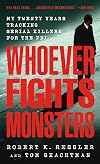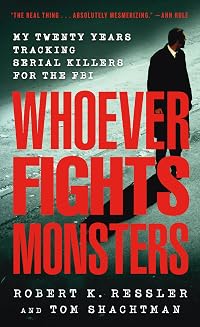
Whoever Fights Monsters
by Robert K. Ressler (Author), Tom Shachtman (Author)
On This Page
Description
Law. True Crime. Nonfiction. Face-to-face with some of America's most terrifying killers, FBI veteran and ex-Army CID colonel Robert Ressler learned from them how to identify the unknown monsters who walk among us-and put them behind bars. Now the man who coined the phrase "serial killer" and advised Thomas Harris on The Silence of the Lambs shows how he has tracked down some of the nation's most brutal murderers. Just as it happened in The Silence of the Lambs, Ressler uses the evidence at show more a crime scene to put together a psychological profile of the killers. From the victims they choose, to the way they kill, to the often grotesque souvenirs they take with them, Ressler unlocks the identities of these vicious killers for the police to capture. Join Ressler as he takes you on the hunt for America's most dangerous psychopaths. It is a terrifying journey you will not forget. show lessTags
Recommendations
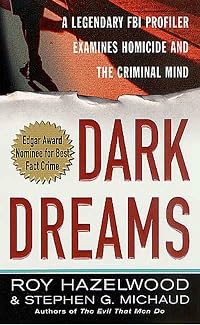
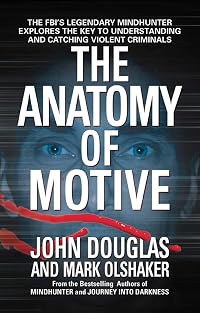
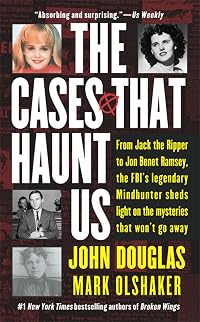
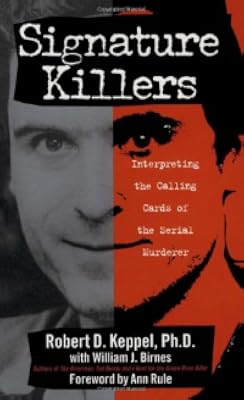

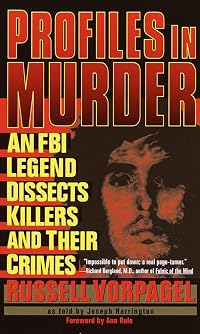
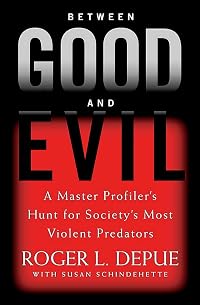

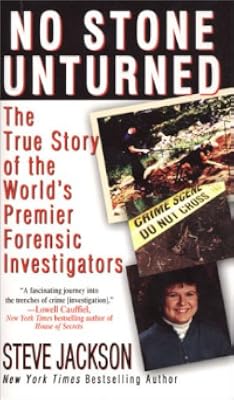
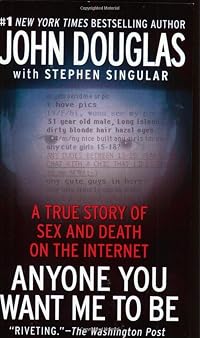



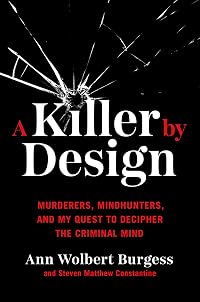
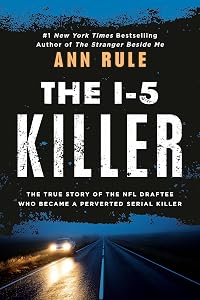
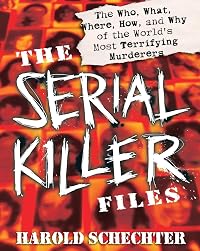
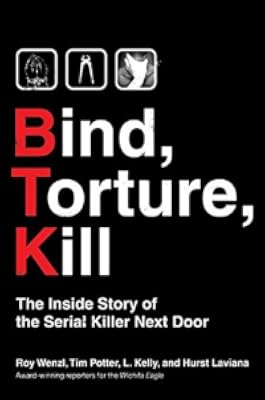
Member Recommendations
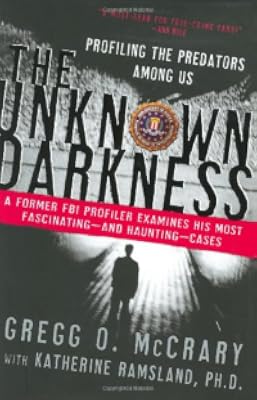
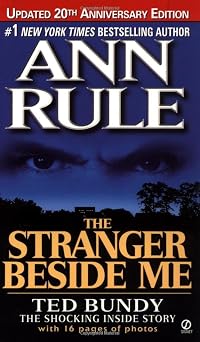
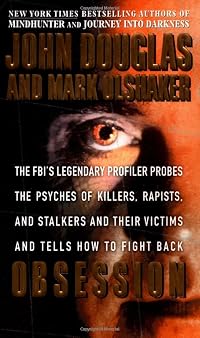
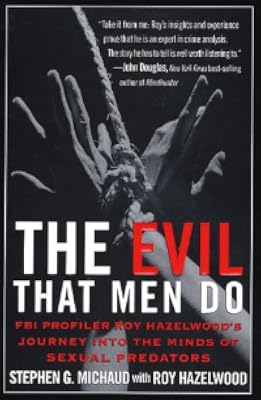
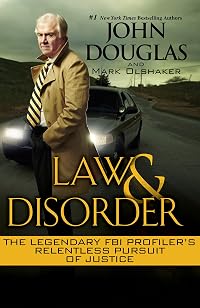
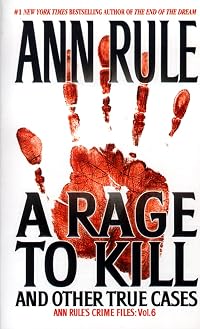
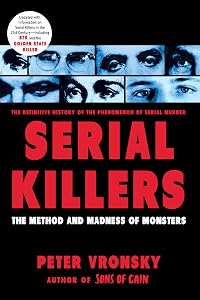
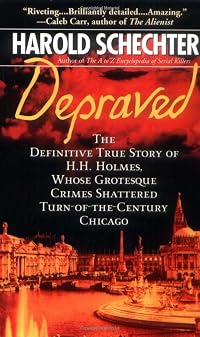
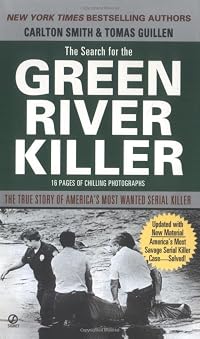
Caramellunacy Both are about early FBI profilers attempting to understand the minds of serial killers. Mindhunter is the more dramatically written while Whoever Fights Monsters included more specifics on profiling itself.

Member Reviews
Robert Ressler was one of the first profilers in the FBI's Behavioral Science Unit. He was the one to coin the term 'serial killer', and his work interviewing mass murderers and serial killers has been seminal in learning more about how their minds work, and how to catch them.
Unlike Mind Hunter, the strength of this book really lies in the organization. Ressler deals with different aspects of killers' psyche, including childhood warning signs and even staging crimes. It's very interesting to see Ressler explain how he arrives at certain characteristics in his profiles. However, Ressler's account suffers from a distinct lack of the dramatic. While he describes several of the same cases as John Douglas, they are described less show more graphically and we never get a sense of Ressler's personal involvement or the stakes in an ongoing investigation. Including more of the cases he was actively profiling would have made the book more interesting.
Where Douglas came across as hogging the limelight, Ressler made it very clear that his was part of a team effort. He takes pains to give credit to local law enforcement, professional mental health professionals, and on occasion even a psychic. Personally, I found this approach more palatable. Like Douglas, Ressler has some very decided opinions on the death penalty, bureaucracy, and therapists. But in Ressler's case, it didn't bother me. This may have been because his views aligned more closely with my own, but I think it had more to do with his tone.
Ressler never lets us forget that these men are not likeable despite the rapport he has built with them. Even their friendliness is a form of manipulation and control. Nowhere is this more evident than in his discussions with Ed Kemper, the very serial killer Douglas professed to admire. In his account, Ressler describes the graphic (and smiling) threats of violence Kemper made, essentially to watch Ressler squirm. Even behind bars these killers are still dangerous both to those who study them, and on account of those who emulate them and focus on them as celebrities.
This was definitely interesting, but what I've really been looking for is a mix between this book and Mind Hunter - Ressler's less cocky tone with Douglas flair for dramatic narration. Anybody know of one?
Also posted at my blog show less
Unlike Mind Hunter, the strength of this book really lies in the organization. Ressler deals with different aspects of killers' psyche, including childhood warning signs and even staging crimes. It's very interesting to see Ressler explain how he arrives at certain characteristics in his profiles. However, Ressler's account suffers from a distinct lack of the dramatic. While he describes several of the same cases as John Douglas, they are described less show more graphically and we never get a sense of Ressler's personal involvement or the stakes in an ongoing investigation. Including more of the cases he was actively profiling would have made the book more interesting.
Where Douglas came across as hogging the limelight, Ressler made it very clear that his was part of a team effort. He takes pains to give credit to local law enforcement, professional mental health professionals, and on occasion even a psychic. Personally, I found this approach more palatable. Like Douglas, Ressler has some very decided opinions on the death penalty, bureaucracy, and therapists. But in Ressler's case, it didn't bother me. This may have been because his views aligned more closely with my own, but I think it had more to do with his tone.
Ressler never lets us forget that these men are not likeable despite the rapport he has built with them. Even their friendliness is a form of manipulation and control. Nowhere is this more evident than in his discussions with Ed Kemper, the very serial killer Douglas professed to admire. In his account, Ressler describes the graphic (and smiling) threats of violence Kemper made, essentially to watch Ressler squirm. Even behind bars these killers are still dangerous both to those who study them, and on account of those who emulate them and focus on them as celebrities.
This was definitely interesting, but what I've really been looking for is a mix between this book and Mind Hunter - Ressler's less cocky tone with Douglas flair for dramatic narration. Anybody know of one?
Also posted at my blog show less
Interesting as a source document. Thomas Harris started the serial killer boom with Silence of the Lambs, that snowballed into CSI, Profiler, Criminal Minds, etc. So Robert Ressler's Whoever Fights Monsters and John Douglas's Mindhunter can be considered the core nonfiction texts.
At best, profiling is a craft of educated guesswork. At worst, it's pseudoscientific cold-reading, confirmation bias, Texas sharpshooting. It's almost refreshing how Ressler has no compunctions about patting himself on the back, outwitting ass-covering bureaucrats, small-minded local cops, and the killers themselves.
There's a passage near the end:
But the entire book goes against this uncharacteristic humility. Ressler recounts how, after hours at a bar, because some Brits challenged them, he and Douglas worked up an off-the-cuff profile for the Yorkshire Ripper. Probably could've caught him too, if the regs had allowed it, beer in hand and all that. show less
At best, profiling is a craft of educated guesswork. At worst, it's pseudoscientific cold-reading, confirmation bias, Texas sharpshooting. It's almost refreshing how Ressler has no compunctions about patting himself on the back, outwitting ass-covering bureaucrats, small-minded local cops, and the killers themselves.
There's a passage near the end:
In recent years, the hue and cry about profiling, and the misinterpretation of it as well as of what the Bureaushow more
legitimately does, has continued to increase. The media have come around to lionizing behavioral-science people as supersleuths who put all other police to shame and solve cases where others have failed.
But the entire book goes against this uncharacteristic humility. Ressler recounts how, after hours at a bar, because some Brits challenged them, he and Douglas worked up an off-the-cuff profile for the Yorkshire Ripper. Probably could've caught him too, if the regs had allowed it, beer in hand and all that. show less
A fascinating read but let down by a couple of things. Ressler's need to regularly stroke his own ego is irritating as noted in other reviews, but the thing that really undermined the book for me was his false statement regarding the identity of the Wearside Jack hoaxer. Ressler (writing in 1992) states the hoaxer was a retired police officer with a grudge against George Oldfield. This is not true. The hoaxer was not identified until 2005 and was neither a former police officer nor someone with a grudge against Oldfield. Given that Ressler presents this speculation as fact means I cannot take any of his other recollections without a large pinch of salt. When he is repeatedly bragging about the accuracy of his profiles, how can I be sure show more that his recollection is accurate and not just wishful thinking or speculation as in the case of Wearside Jack? There are no citations in any of the cases and precious few direct quotes from other sources so the whole thing ends up being anecdotes which may have been embroidered rather than the factual insider account I was hoping for. show less
Incredibly interesting, if not a little dry, portrait of serial killers under the lens of behavioral science. I feel (probably wrongly haha) that I could definitely identify a serial killer if asked to. Honestly, the only reason this is getting 3 stars instead of 4 is that I read it before bed a couple times and had the most disturbing nightmares of my entire life. So...proceed with caution I supposed.
This is another of those books that has been on my to-read list for a long time. As noted above, Robert Ressler has been tracking serial killers with the FBI for 20 years and his experience shows. He is rather humble and admits that ‘Profilers don’t catch killers. Cops catch killers.’ Profiling is just a tool to help them.
This book is part auto-biography and part the history of profiling. The auto-biography part is not extensive, just enough to let you know how Mr. Ressler got into the FBI and why he holds some of the opinions he does.
He details the work he initiated in interviewing serial killers and how they differ. He also gives brief histories of some cases, some very well known, Dahmer and Gacy, and some that I hadn’t heard show more of, which of course means, more books to read!
This was a very easy (well despite the subject matter) book to read. It has a nice conversational style, informative, and not at all boring. I recommend this book. show less
This book is part auto-biography and part the history of profiling. The auto-biography part is not extensive, just enough to let you know how Mr. Ressler got into the FBI and why he holds some of the opinions he does.
He details the work he initiated in interviewing serial killers and how they differ. He also gives brief histories of some cases, some very well known, Dahmer and Gacy, and some that I hadn’t heard show more of, which of course means, more books to read!
This was a very easy (well despite the subject matter) book to read. It has a nice conversational style, informative, and not at all boring. I recommend this book. show less
My only question after reading this great book is this: Why does the US have way more serial killers than the rest of the world? Looking at it per capita one would think the States were a war thorn place in the darkest part of Africa.
A book that goes inside the serial killers' way of thinking. However, I believe that this book had the potential to be a slam dunk, but it just wasn't. The author glossed over many details that may have been interesting to the reader. Still, the interviews with the killers was somewhat interesting. To me, however, it seemed that the author missed something along the way.
Members
- Recently Added By
Lists

Recovery from Psychopath
132 works; 1 member
Author Information


Tom Shachtman has written twenty-five books, including the best-selling "The Gilded Leaf" (with Patrick Reynolds), as well as documentaries for all of the major television networks. (Bowker Author Biography)
Some Editions
Series
Belongs to Publisher Series
Common Knowledge
- Canonical title
- Whoever Fights Monsters
- Original title
- Whoever Fights Monsters: My Twenty Years Tracking Serial Killers for the FBI
- Alternate titles
- Mindhunter Profile: Serial Killers
- Original publication date
- 1992
- People/Characters
- Robert Ressler; Ed Kemper; Charles Manson; Jeffrey Dahmer
- Important places
- Quantico, Virginia, USA
- Epigraph
- Whoever fights monsters should see to it that in the process he does not become a monster. And when you look into an abyss, the abyss also looks into you.—Thus Spake Zarathustra, Friedrich Nietzsche
- Dedication
- To my close friend and brother-in-law, who during his thirty-three-year police career fought many monsters on the street of Chicago.
Patrolman Frank P. Graszer
Chicago Police Department Badge Number 4614
Served July ... (show all)13, 1928; Died December 24, 1990.
—Robert K. Kessler - First words
- Russ Vorpagel was a legend in the Bureau, six four and 240 pounds, a former police homicide detective in Milwaukee who also had a law degree and was an expert in sex crimes and bomb demolition.
- Last words
- (Click to show. Warning: May contain spoilers.)It would be gratifying to believe that all of the work that I have done in regard to violent offenders has made a dent in the incidence of violent crime, but the headlines about terrible murders that crop up regularly in the nation's newspapers, and the routine reports of violence on the nightly news broadcasts, tell me that the fight against monsters goes on and on--and that I must continue to be in the thick of it.
- Blurbers
- Wambaugh, Joseph
Classifications
- Genres
- General Nonfiction, Nonfiction, Biography & Memoir
- DDC/MDS
- 363.2 — Society, government, & culture Social problems and social services Public Safety - Police, Crime Investigation Police services
- LCC
- HV6529 .R473 — Social sciences Social pathology. Social and public welfare. Criminology Social pathology. Social and public welfare. Criminology Crimes and offenses
- BISAC
Statistics
- Members
- 823
- Popularity
- 33,620
- Reviews
- 11
- Rating
- (3.72)
- Languages
- 8 — Dutch, English, French, German, Italian, Japanese, Portuguese, Spanish
- Media
- Paper, Audiobook, Ebook
- ISBNs
- 25
- ASINs
- 6