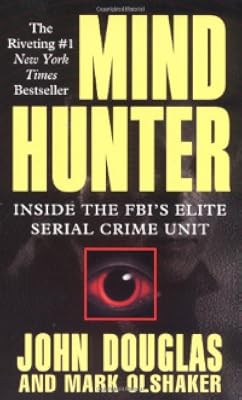
Mind Hunter: Inside the FBI's Elite Serial Crime Unit
by John Douglas, Mark Olshaker
Mindhunter [Douglas / Olshaker] (1)
On This Page
Description
Now a Netflix original seriesDiscover the classic, behind-the-scenes chronicle of John E. Douglas' twenty-five-year career in the FBI Investigative Support Unit, where he used psychological profiling to delve into the minds of the country's most notorious serial killers and criminals.
In chilling detail, the legendary Mindhunter takes us behind the scenes of some of his most gruesome, fascinating, and challenging cases—and into the darkest recesses of our worst nightmares.
During his show more twenty-five year career with the Investigative Support Unit, Special Agent John Douglas became a legendary figure in law enforcement, pursuing some of the most notorious and sadistic serial killers of our time: the man who hunted prostitutes for sport in the woods of Alaska, the Atlanta child murderer, and Seattle's Green River killer, the case that nearly cost Douglas his life.
As the model for Jack Crawford in The Silence of the Lambs, Douglas has confronted, interviewed, and studied scores of serial killers and assassins, including Charles Manson, Ted Bundy, and Ed Gein, who dressed himself in his victims' peeled skin. Using his uncanny ability to become both predator and prey, Douglas examines each crime scene, reliving both the killer's and the victim's actions in his mind, creating their profiles, describing their habits, and predicting their next moves. show less
Tags
Recommendations
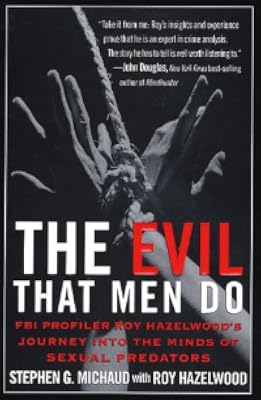
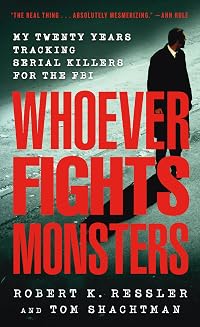
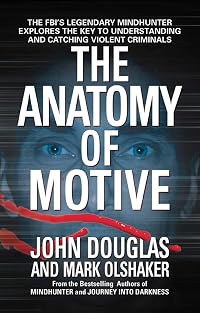
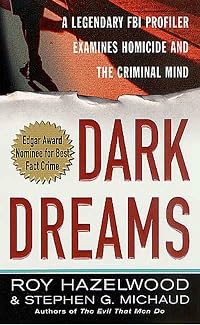
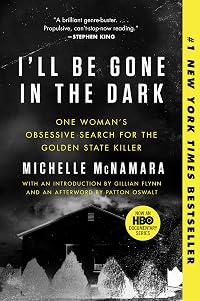
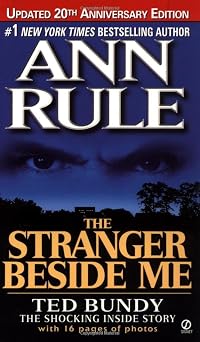
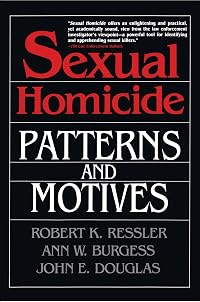
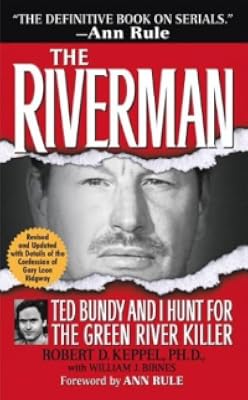

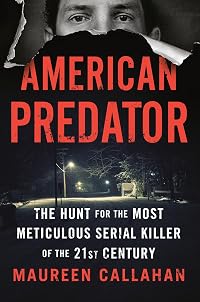
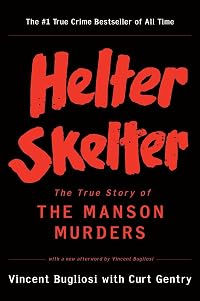
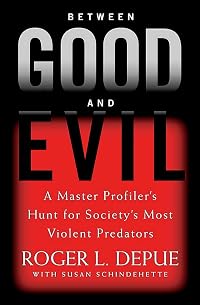
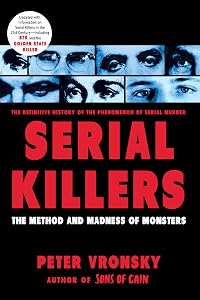
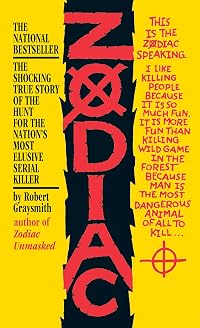
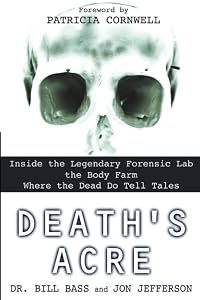
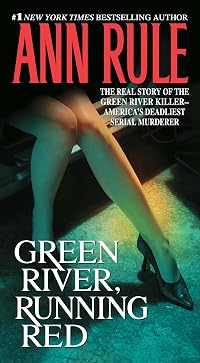
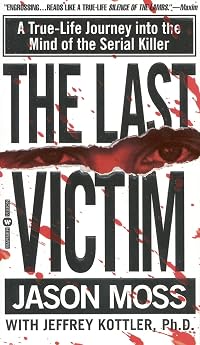
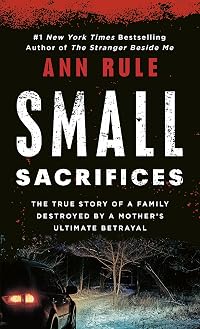
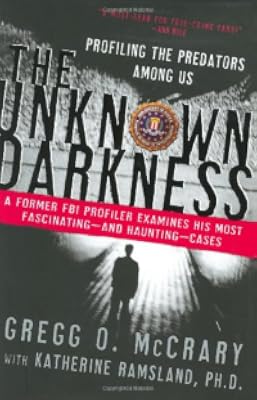
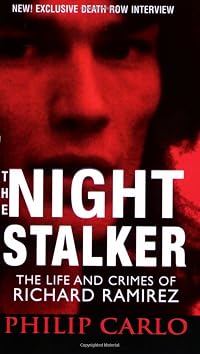
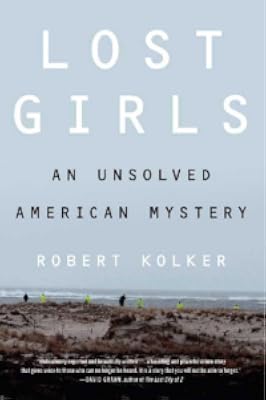
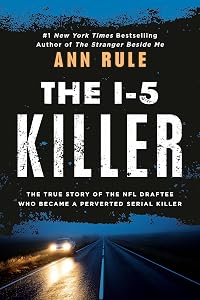
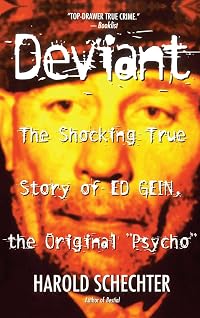
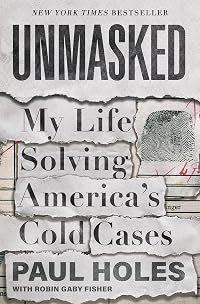
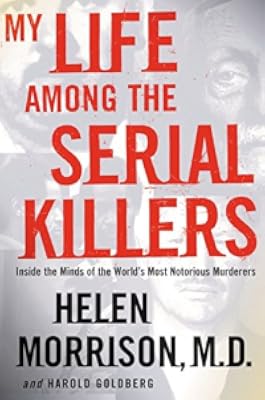
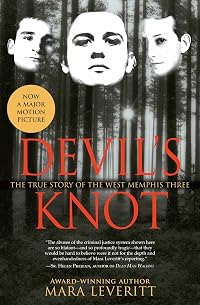
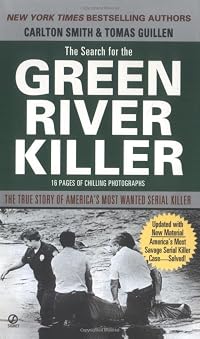
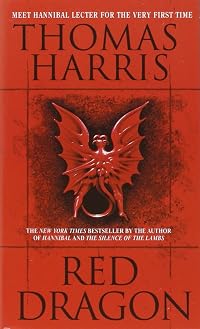
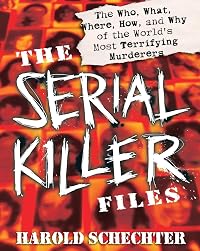
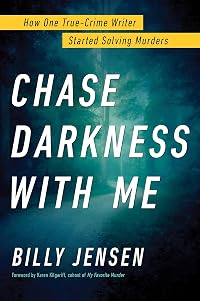
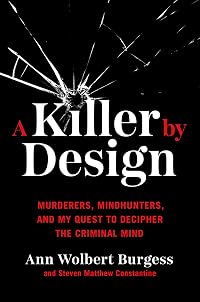
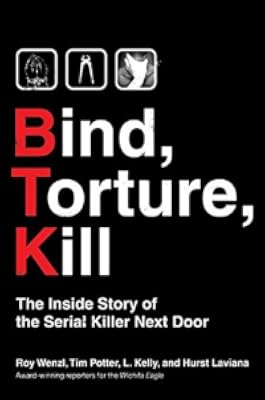

Member Recommendations
Caramellunacy Both are about early FBI profilers attempting to understand the minds of serial killers. Mindhunter is the more dramatically written while Whoever Fights Monsters included more specifics on profiling itself.
40
Member Reviews
Okay, so the last book I read about true crime was like "sometimes reality is worse than fiction" and then didn't really deliver any fucked up crimes to prove that point. This book however? Jesus. Fucking. Christ. I consume A LOT of trume crime, I've watched a lot of seasons of Criminal Minds and so on, but there were things in this book where I had to take a moment and just stare out the bus window before I could continue reading. I mean ... the guy with the teeth. I will never get over that.
So, yeah, if you're into true crime and murder, you are going to enjoy this book. I even like the personal stories, I don't know how many people I retold the story of the failed (but not really) proposal because it's pretty hilarious. Sometimes I show more think it's a bit too much "he he he we're such a bunch of goofy pranksters" but you need some lightness in the book too.
I completely disagree on the death penalty though, and this book is pretty pro-death penalty in the case of really evil people. I agree that they're horrible people and I don't mourn them for a second, but a democracy cannot have the death penalty and still be a democracy. Just ... insert that Gandalf quote here I guess. But that opinion was not presented in a way that made me dislike the book and given what the author must've seen in his life, I definitely see why you'd think that. But I do not agree.
Oh, and when I picked it up I had no idea it was released like 20 years ago. It was so weird reading about how we don't know who BTK is, but obv there was a time we didn't (hell, until very recently we didn't know how the Golden State Killer was either). But you quickly adjusted to how "old" the book was, so no problem.
Next up: Mindhunter the TV series! show less
So, yeah, if you're into true crime and murder, you are going to enjoy this book. I even like the personal stories, I don't know how many people I retold the story of the failed (but not really) proposal because it's pretty hilarious. Sometimes I show more think it's a bit too much "he he he we're such a bunch of goofy pranksters" but you need some lightness in the book too.
I completely disagree on the death penalty though, and this book is pretty pro-death penalty in the case of really evil people. I agree that they're horrible people and I don't mourn them for a second, but a democracy cannot have the death penalty and still be a democracy. Just ... insert that Gandalf quote here I guess. But that opinion was not presented in a way that made me dislike the book and given what the author must've seen in his life, I definitely see why you'd think that. But I do not agree.
Oh, and when I picked it up I had no idea it was released like 20 years ago. It was so weird reading about how we don't know who BTK is, but obv there was a time we didn't (hell, until very recently we didn't know how the Golden State Killer was either). But you quickly adjusted to how "old" the book was, so no problem.
Next up: Mindhunter the TV series! show less
This was a fascinating look at how criminal profiling got started in the FBI, written by the man who was so integral to its application. Douglas discusses in detail how profiling was used in many infamous, as well as lesser-known, cases (so detailed that it sometimes got hard to read because of what he was describing). I did feel the book, particularly the early chapters, sometimes felt too much like a biography of Douglas, as opposed to a focus on profiling, and that Douglas sometimes came across as bragging a little too much. But everything he accomplished with his team is amazing, and so interesting.
This book is fascinating as can be, but it raises more questions than it answers. The whole idea of "profiling" remains more than vague, even after the author talks about it for an entire book. He repeatedly displays great insight into the minds of others, not just criminals. However, it's also evident that he does it on an intuitive level that has not been fully conceptualized. That, I assume, is why it's proven so hard to teach it to others, and why "profilers" who aren't named John Douglas have such poor performance records. Still, it's a very compelling read.
There's no denying that John Douglas, those who came before him, and those who came after him have helped shape the ideas of profiling and criminal investigation in popular culture. Given the many ways media take shortcuts with investigative procedure, it's quite interesting to get more accurate information straight from the source.
It's also fitting that Douglas comes across as a person who's difficult to like. There's an arrogant undertone to his writing and a bit of narcissistic flair to the way he developed, shaped, and writes about his programs. And that makes sense: it takes a hell of a lot of self-confidence to completely overhaul a division of the FBI. What colors my professional opinion of Douglas, though, is his disdain for show more science, research, and criticism.
Malcolm Gladwell wrote an interesting article for the New Yorker discussing research that's been done into Douglas's strain of profiling and that has questioned its efficacy. The researchers and Gladwell are right: Douglas's approach is not based any sort of psychological science that would hold water and moreover, Douglas is very dismissive about that fact and the academics who are critical of him. Douglas had some academic psychological training and holds a Ph.D. Training in his era wasn't heavily research-based, but standards in the field have changed significantly over time and he should have kept up with them, especially as he was developing techniques he's taught to thousands of people.
There's an NPR follow-up to Gladwell's New Yorker article, wherein Douglas artfully avoids answering most of the questions posed to him. Over time, we've also come to learn that many of the foundational forensic science practices (fingerprints, dental impressions, fire science) aren't nearly as accurate as we thought they were and certainly aren't as accurate as they need to be.
If you're picking up this book, I think it's definitely worth falling down the rabbit hole and looking at the criticisms of current forensic science. It's fascinating and, should you ever be called for jury duty, I'm sure all parties involved will welcome have an educated and informed juror. show less
It's also fitting that Douglas comes across as a person who's difficult to like. There's an arrogant undertone to his writing and a bit of narcissistic flair to the way he developed, shaped, and writes about his programs. And that makes sense: it takes a hell of a lot of self-confidence to completely overhaul a division of the FBI. What colors my professional opinion of Douglas, though, is his disdain for show more science, research, and criticism.
Malcolm Gladwell wrote an interesting article for the New Yorker discussing research that's been done into Douglas's strain of profiling and that has questioned its efficacy. The researchers and Gladwell are right: Douglas's approach is not based any sort of psychological science that would hold water and moreover, Douglas is very dismissive about that fact and the academics who are critical of him. Douglas had some academic psychological training and holds a Ph.D. Training in his era wasn't heavily research-based, but standards in the field have changed significantly over time and he should have kept up with them, especially as he was developing techniques he's taught to thousands of people.
There's an NPR follow-up to Gladwell's New Yorker article, wherein Douglas artfully avoids answering most of the questions posed to him. Over time, we've also come to learn that many of the foundational forensic science practices (fingerprints, dental impressions, fire science) aren't nearly as accurate as we thought they were and certainly aren't as accurate as they need to be.
If you're picking up this book, I think it's definitely worth falling down the rabbit hole and looking at the criticisms of current forensic science. It's fascinating and, should you ever be called for jury duty, I'm sure all parties involved will welcome have an educated and informed juror. show less
💀For Fans of:
- true crime
- murder documentaries
- criminal psychology
- memoirs
- interest in serial killers
✏️ 4.75 Spoiler-Free Review
Originally picked up this book because I was hoping it would pick up where the TV show ended BUT that’s not what this was at all. It’s much more a documentary memoir of how the FBI’s Behavioral Analysis Unit came to be, how it involved, and some interesting (some funny some heartbreaking) stories along the way.
I honestly thought the author was actually super funny with how he tells stories while also keeping them straightforward, the fact that he very honest about how it affected his health and marriage/family, and how he shared a lot of super interesting tidbits about how they get such show more specific profiles of unsubs.
For part of it, I listened to the audiobook and my husband even listened along, very interested in the methods they use to create a profile and psychology behind it. Really interesting stuff.
Can’t wait to read the other books that he wrote to see what they share. show less
- true crime
- murder documentaries
- criminal psychology
- memoirs
- interest in serial killers
✏️ 4.75 Spoiler-Free Review
Originally picked up this book because I was hoping it would pick up where the TV show ended BUT that’s not what this was at all. It’s much more a documentary memoir of how the FBI’s Behavioral Analysis Unit came to be, how it involved, and some interesting (some funny some heartbreaking) stories along the way.
I honestly thought the author was actually super funny with how he tells stories while also keeping them straightforward, the fact that he very honest about how it affected his health and marriage/family, and how he shared a lot of super interesting tidbits about how they get such show more specific profiles of unsubs.
For part of it, I listened to the audiobook and my husband even listened along, very interested in the methods they use to create a profile and psychology behind it. Really interesting stuff.
Can’t wait to read the other books that he wrote to see what they share. show less
A marginally better book than Whoever Fights Monsters by Douglas' contemporary Robert Ressler, this one is a mixed bag.
Other reviews saying you have to get through about 100 pages before it gets to the good content are correct. Douglas spends so much time flaunting a massive ego during which we must be told how tall, athletic, smart, attractive to women and generally brilliant he was at anything he ever turned his hand to, I found it excrutiating enough to almost DNF.
After about a hundred pages of this (including such notes as him being too tall and muscular to meet the FBI's standards at the time, having all the women typists at a field office fighting over him when he was "single" even though he was engaged and took weeks to tell show more them, and basically bragging about weighing up leaving his fiancee for a very wealthy woman who was into him) we get to the meat of the matter in terms of studying incarcerated killers and profiling active cases.
That's generally good material although he follows Ressler's example of being very self-congratulatory about accuracy of profile details and never gives a real example of a profile being off. He also repeats Ressler's mistake of claiming as fact the notion that the "Wearside Jack" Yorkshire Ripper hoaxer was a retired police officer with a grudge when the hoaxer was not identified until 10 years after he wrote this book and was nothing of the sort. As I noted in my review of Ressler's book, if the author is going to present that baseless speculation as fact, it undermines the credibility of everything else he writes.
At the end there's a half-hearted "Sometimes the dragon wins" chapter where some (at the time) uncaught killers are discussed, primarily BTK and the Green River Killer. Notably, Douglas does not give us the detail of his profiles on these cases so unlike earlier examples where he can brag about accuracy here he seems to be unwilling to risk the embarrassment of being wrong. He tries to take credit for his profile scaring BTK into stopping but with hindsight that doesn't seem to be the case. He also is convinced the Green River cases were likely 3 separate killers but he was ultimately wrong about that as well. So these since-solved cases go to show that he is not the infallible genius he otherwise presents himself as and I imagine there were a lot more lessons that could be taken from the other cases if he was a bit more humble.
If you're coming at this from the true crime perspective, you could honestly skip straight to chapter 6 "Taking the show on the road". That is certainly what I'll be doing if I re-read it. I'm torn between 2 and 3 stars but I don't do half stars so I'm going to round down because I just couldn't stand Douglas' self-aggrandizing personality. show less
Other reviews saying you have to get through about 100 pages before it gets to the good content are correct. Douglas spends so much time flaunting a massive ego during which we must be told how tall, athletic, smart, attractive to women and generally brilliant he was at anything he ever turned his hand to, I found it excrutiating enough to almost DNF.
After about a hundred pages of this (including such notes as him being too tall and muscular to meet the FBI's standards at the time, having all the women typists at a field office fighting over him when he was "single" even though he was engaged and took weeks to tell show more them, and basically bragging about weighing up leaving his fiancee for a very wealthy woman who was into him) we get to the meat of the matter in terms of studying incarcerated killers and profiling active cases.
That's generally good material although he follows Ressler's example of being very self-congratulatory about accuracy of profile details and never gives a real example of a profile being off. He also repeats Ressler's mistake of claiming as fact the notion that the "Wearside Jack" Yorkshire Ripper hoaxer was a retired police officer with a grudge when the hoaxer was not identified until 10 years after he wrote this book and was nothing of the sort. As I noted in my review of Ressler's book, if the author is going to present that baseless speculation as fact, it undermines the credibility of everything else he writes.
At the end there's a half-hearted "Sometimes the dragon wins" chapter where some (at the time) uncaught killers are discussed, primarily BTK and the Green River Killer. Notably, Douglas does not give us the detail of his profiles on these cases so unlike earlier examples where he can brag about accuracy here he seems to be unwilling to risk the embarrassment of being wrong. He tries to take credit for his profile scaring BTK into stopping but with hindsight that doesn't seem to be the case. He also is convinced the Green River cases were likely 3 separate killers but he was ultimately wrong about that as well. So these since-solved cases go to show that he is not the infallible genius he otherwise presents himself as and I imagine there were a lot more lessons that could be taken from the other cases if he was a bit more humble.
If you're coming at this from the true crime perspective, you could honestly skip straight to chapter 6 "Taking the show on the road". That is certainly what I'll be doing if I re-read it. I'm torn between 2 and 3 stars but I don't do half stars so I'm going to round down because I just couldn't stand Douglas' self-aggrandizing personality. show less
Como diz a sabedoria popular, gente branca adora ler sobre serial killers porque representatividade importa, o que faz desse livro imediatamente interessante mesmo levando em conta a insuportabilidade do seu narrador - não à toa aquele macho chato do caralho da série do Fincher é inspirado nele.
Mas tirando o fato que o autor é um masturbador e um reacionário, o livro se aguenta bem na descrição dos métodos usados na construção de perfis e acho que interessaria a psicólogos e psiquiatras em geral, independente da abordagem em que atuem, pois tem mesmo uns insights interessantes, mas também é uma fonte para curiosos leigos, especialmente aqueles que ainda não sabem a diferença entre um psicopata (inscrito na perversão) e show more um psicótico (inscrito na psicose), por outro lado ele foi altamente negligente em não denominar o patriarcado como razão principal do porquê a vasta maioria de assassinos seriais são homens.
Enfim, no fundo eu sei porque o autor se manteve numa postura semi-reacionária, tendo trabalhado com psicologia jurídica por um tempo e dito que nunca mais voltaria a atuar na área, sei bem o que é ver e viver revirando bosta 24 horas por dia, se eu trabalhasse com isso durante 25 anos talvez até eu seria meio reacionária depois disso. show less
Mas tirando o fato que o autor é um masturbador e um reacionário, o livro se aguenta bem na descrição dos métodos usados na construção de perfis e acho que interessaria a psicólogos e psiquiatras em geral, independente da abordagem em que atuem, pois tem mesmo uns insights interessantes, mas também é uma fonte para curiosos leigos, especialmente aqueles que ainda não sabem a diferença entre um psicopata (inscrito na perversão) e show more um psicótico (inscrito na psicose), por outro lado ele foi altamente negligente em não denominar o patriarcado como razão principal do porquê a vasta maioria de assassinos seriais são homens.
Enfim, no fundo eu sei porque o autor se manteve numa postura semi-reacionária, tendo trabalhado com psicologia jurídica por um tempo e dito que nunca mais voltaria a atuar na área, sei bem o que é ver e viver revirando bosta 24 horas por dia, se eu trabalhasse com isso durante 25 anos talvez até eu seria meio reacionária depois disso. show less
Members
- Recently Added By
Lists

Book Club suggestions
20 works; 1 member

Weirdo Nonfiction
138 works; 3 members

Non-Fiction
68 works; 1 member

2025
36 works; 1 member

Books Read in 1996
20 works; 1 member
Author Information
12 Works 7,415 Members

32+ Works 8,513 Members
Novelist and journalist Mark Olshaker was born in Washington, D.C., on February 28, 1951. He graduated from George Washington University in 1972. Olshaker was a special correspondent for the St. Louis Dispatch in the 1970s. Although best known for his collaborations with former FBI profiler and world-renowned criminal psychologist John Douglas show more (beginning with Mindhunter), he also written Virus Hunter: Thirty Years of Battling Hot Viruses Around the World, and The Edge. As a filmmaker, he was the writer and director of Discovering Hamlet (1990), a behind-the-scenes documentary of Kenneth Branagh's first theatrical encounter with the character he would eventually bring to the big screen. (Bowker Author Biography) show less
Some Editions
Awards and Honors
Awards
Distinctions
Series

Belongs to Publisher Series
Work Relationships
Is contained in
Contains
Has the adaptation
Common Knowledge
- Canonical title
- Mind Hunter: Inside the FBI's Elite Serial Crime Unit
- Original title
- Mind Hunter: Inside the FBI's Elite Serial Crime Unit
- Original publication date
- 1995
- People/Characters
- John E. Douglas; Robert Ressler; Ed Kemper; Jerry Brudos; Charles Manson; David Berkowitz (show all 17); Carmine Calabro; Wayne Williams (Wayne Bertram Williams of the Atlanta Child Murders); Robert Christian Hansen; Larry Gene Bell; Karla Brown; Shari Faye Smith; Debra May Helmick; Oba Chandler; Jack Henry Abbott; Arthur John Shawcross; Gary Trapnell
- Important places
- United States of America
- Related movies
- Mindhunter (2017 | IMDb)
- Epigraph
- Foul deeds will rise,
Though all the earth o'erwhelm them,
to men's eyes.
—William Shakespeare,
Hamlet - Dedication
- To the men and women of the FBI Behavioral Science and Investigative Support Units, Quantico, Virginia,
past and present – fellow explorers, partners on the journey
[from Gallery Books, 2017 ed.] - First words
- I must be in hell. It was the only logical explanation.
- Quotations
- To this day, the [Kris and Doug] Welles case remains one of the few on record in which intended victims of a serial killer were actually able to fight back and kill their attacker in self-defense. Their story is a miraculous ... (show all)one, and we have had them out several times to speak to classes at Quantico. This unassuming couple have been able to give us rare insight from the perspective of victims who became heroes. Having been to hell and back that night, they are amazingly warm, sensitive, and "together" people.
At the end of one of their presentations at Quantico, a police officer in the class asked them, "If Wayne Nance had lived and there was no death penalty – that is, if he were still sharing the earth with you – would you both be as mentally sound as you are now?"
They turned and looked at each other and then silently agreed on their response. "Almost definitely not," said Doug Welles. (Chapter 17, "Anyone Can Be a Victim", p. 361-362; Gallery Books, 2017)
The psychiatrist, who was around fifty, gave me a positive response [...] and said that Vanda could be ready for parole if this progress continued.
I asked him if he knew the specifics of what Vanda had done. "No, I do... (show all)n't want to know," he replied. [...] And he added, he didn't want to unfairly influence his relationship with the patient
Well doctor, let me tell you what Thomas Vanda did [...]
I finished my story about Vanda. "You're disgusting, Douglas!" the psychiatrist declared. "Get out of my office!"
"I'm disgusting?" I countered. "You're gonna be in a position to make a recommendation that Thomas Vanda is responding to therapy and could be freed, and you don't know who in the hell you're talking to when you're dealing with these inmates. How are you supposed to understand them when you haven't taken the time to look at the crime-scene photos or reports, to go over the autopsy protocols. [...] How in hell do you know if he's dangerous or not?" Chapter 18, "Battle of the Shrinks," p.364-365; Gallery Books, 2017) - Last words
- (Click to show. Warning: May contain spoilers.)That's what I've tried to do here, just as I've lived it.
- Original language*
- englanti
- Canonical DDC/MDS
- 363.259523092
- Canonical LCC
- HV7911.D68
*Some information comes from Common Knowledge in other languages. Click "Edit" for more information.
Classifications
- Genres
- General Nonfiction, Nonfiction, Biography & Memoir
- DDC/MDS
- 363.259523092 — Society, government, & culture Social problems and social services Public Safety - Police, Crime Investigation Police services Criminal investigation & forensics Investigation of specific types of offenses
- LCC
- HV7911 .D68 — Social sciences Social pathology. Social and public welfare. Criminology Social pathology. Social and public welfare. Criminal justice administration Police. Detectves. Constabulary
- BISAC
Statistics
- Members
- 3,631
- Popularity
- 4,481
- Reviews
- 43
- Rating
- (3.83)
- Languages
- 11 — Dutch, English, Finnish, French, German, Greek, Italian, Polish, Portuguese, Spanish, Swedish
- Media
- Paper, Audiobook, Ebook
- ISBNs
- 57
- ASINs
- 17
