On This Page
Description
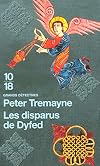
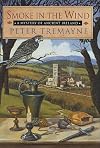
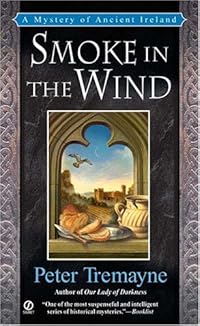
In seventh-century Ireland, then the light of reason in a darkening world, Fidelma - a religious, advocate of the Brehon courts, and sister to the King of Muman - is an increasingly notable figure often called upon for her wisdom, legal knowledge, and devotion to the truth. While journeying with companion Eadulf to visit the new Archbishop of Canterbury, their ship is blown badly off course and the pair find themselves on the coast of modern Wales in the kingdom of Dyfed.There, hosted by show more the king himself, Fidelma is presented with her knottiest problem yet - an entire monastic community from the nearby countryside has disappeared without a trace. While investigating this seeming impossibility, Fidelma and Eadulf are confronted with the apparently unrelated and shocking murder of a local girl - a death marked by more tragedy and consequence than anyone could have imagined.
Peter Tremayne's novels featuring Fidelma of Cashel have won critical praise from around the world and have enjoyed an ever-increasing readership. Smoke in the Wind is a richly imagined, wonderfully written entry in what is understandably one of the most popular historical series today.
. show less
Tags
Recommendations




Member Reviews
I was truly on the fence about this one. I'm keeping it for the Historical Note that prefaces the book and serves as a Welsh and Irish pronunciation guide--absolutely terrific. I loved the multicultural aspect of the story: Saxon, Welsh, Irish and as usual, the historical context is robust and well-explained. What failed me here was the mystery itself. Perhaps there were too many strands. The typical Fidelma exposé was a bit too contrived--she seemed to have a lot of historical knowledge about specific people's lives and I'm not sure where it all came from. There are several murderers and I thought the more nuanced ideas of "culpability" added a lot. But the story did not really hold my interest because I had a hard time keeping track show more of who or what I was supposed to care about. That said, the last chapter or so seemed to pick up speed and focus, and I enjoyed Fidelma's dramatic "reveal" more than I usually do. Tremayne teases a bit more out of the relationship between Fidelma and Eadulf here too, but fully ignores it at times unless it is convenient. Eadulf struggles with his own identity as a Saxon in this story, and that provides a really nice bit of character definition, but Fidelma's struggles were not wholly convincing, even when explained at the end in the Epilogue. show less
I thought this was a great historical mystery. I like the language used in the book. Tremayne allows the barest of modern language into the text and the use of Latin phrases throughout gives it a nice feel.
As a mystery, it is top notch. You are lead through the story assembling the clues but it is only at the last 50 pages does the mystery get solved, some of which you have figured out the rest is a revelation. Sister Fidelma is a strong female character (and can even handle herself in a fight!). Brother Eadulf is her right hand man, a Saxon who feels uncomfortable in his circumstance in this book but stands by his companion.
This is the first Tremayne book that I have read and it is out of order from others written about this duo. show more However there are little flashbacks so this book stands fine on its own.
It is my first read but not my last...that is for certain. Two thumbs up. show less
As a mystery, it is top notch. You are lead through the story assembling the clues but it is only at the last 50 pages does the mystery get solved, some of which you have figured out the rest is a revelation. Sister Fidelma is a strong female character (and can even handle herself in a fight!). Brother Eadulf is her right hand man, a Saxon who feels uncomfortable in his circumstance in this book but stands by his companion.
This is the first Tremayne book that I have read and it is out of order from others written about this duo. show more However there are little flashbacks so this book stands fine on its own.
It is my first read but not my last...that is for certain. Two thumbs up. show less
A monastery seems to have been deserted by its monks in the middle of their evening meal, with no sign of what happened or why they should have done so. Sister Fidelma and Brother Eadulf, driven ashore in South Wales on their way to Canterbury are asked to investigate while the local Brother Meurig investigates the nearby rape and murder of a young woman.
Again, I fingered an accomplice as the murderer quite early on, but I had no idea how all the different events were tied together.
Again, I fingered an accomplice as the murderer quite early on, but I had no idea how all the different events were tied together.
A case of possible injustice and the disappearance of everyone from an Abbey are the challenges Fidelma and Eadulf face to start this episode od Peter Tremayne's excellent series. Then, it gets really exciting with; bodies on the beach, a band of outlaws and an ax murder. Lots of local colors provided in this visit to part of what is Wales. today.
Having visited Wales, it was fun to see Fidelma, linguist, and scholar that she is, struggle with the pronunciation in this interesting part of the UK. Tremayne does provide an aid to pronunciation but much practice would be necessary.
Having visited Wales, it was fun to see Fidelma, linguist, and scholar that she is, struggle with the pronunciation in this interesting part of the UK. Tremayne does provide an aid to pronunciation but much practice would be necessary.
I checked a bunch of books from this series out from the library this weekend. I keep telling myself I must make it a standard practice to read the first chapter of any book before I take it home (at least, being from the library, I didn't lose any money on this). And the reason is exactly for books like these!
Such a wonderful premise for a book series, I should love it! I really wanted to love it! I was even starting to think about which ones I might purchase. Historical-fiction, mystery, set in seventh century Ireland/England, right up my alley! But it is so poorly executed by this author. I tried several of the books just to make sure I wasn't judging the entire lot unfairly in case the first one was a fluke. It wasn't.
The author show more seems to have really done his homework on the history, and I don't doubt it's impeccably researched, but the writing is so bad! Major case of tell-don't-show and as-you-know-Bob's. I read a chapter or two in each one, and then they were all set back to go straight back to the library. Life is too short to waste on bad writing! Fortunately I had checked out a back up! show less
Such a wonderful premise for a book series, I should love it! I really wanted to love it! I was even starting to think about which ones I might purchase. Historical-fiction, mystery, set in seventh century Ireland/England, right up my alley! But it is so poorly executed by this author. I tried several of the books just to make sure I wasn't judging the entire lot unfairly in case the first one was a fluke. It wasn't.
The author show more seems to have really done his homework on the history, and I don't doubt it's impeccably researched, but the writing is so bad! Major case of tell-don't-show and as-you-know-Bob's. I read a chapter or two in each one, and then they were all set back to go straight back to the library. Life is too short to waste on bad writing! Fortunately I had checked out a back up! show less
For those who haven't read any of the Sister Fidelma mysteries, she is a religieuse and former member of the community of St. Brigid of Kildare and a qualified dalaigh, or advocate of the ancient court laws, her life and times are explained in detail before you read any of the books. These books take place in 666 AD Ireland at a time when there were five kingdoms. The Four provincial kings of Ulaidh, Connacht, Muman, and of Laigin all of which gave their allegiance to the High King of the fifth province, which is ruled from Tara, and which is an honorary title that rotates among the various kingdoms when each High King dies. Among the provincial kingdoms, there were also smaller clan territories.
The Brehon Laws rule the land. It is show more quite a system. Women are able to hold any position they wish, including political positions, warriors, doctors, magistrates, lawyers, and judges. They could divorce their husbands and receive part of the property and could inherit property. They were protected from rape and sexual harassment. This land was the most feminist era until today.
Fidelma was born at Cashel, capital of the kingdom of Muman. Her brother is their king. At the age of fourteen, the Age of Choice, she chose to study the law and became one of the highest ranking members of the courts, a dalaigh. The schools of Ireland were quite famous and people from all over Europe attended since the rest of it was going through the Dark Ages. A serious debate is going on between those who believe in being "Irish Christians" and Roman Christians. Irish Christian priests could marry, be women (there was even a female bishop), and the monasteries and nunneries could be co-habituated with the religious marrying and raising their children in these places. Roman Christians were now leaning toward making priests remain celibate, though that wouldn't be made a rule until around the 11th century. In the 9th century, Ireland will convert to the Roman way of doing things, but they keep the Brehon Laws until the 17th century when the British outlaw them.
Having set the stage, Sister Fidelma and her good friend, Eadulf, whom she has just admitted feelings for in a previous book is heading toward Canterbury, his home base for he works for the Archbishop of Canterbury. Their boat crashes on the Briton coast and since Eadulf was knocked unconscious when their captain fixes his boat and decides to head back out they are in no condition to go with him. So now they must find another boat, but while they are there, the local king, King Gwlyddien of Dyfed, has a task for them to do. It seems that a religious community just disappeared into thin air without a struggle. And their animals are gone too. The king's interest in this community is that his eldest son is a monk there. By becoming a monk he gave up his claim to the throne and no ransom would be paid for him. But none has been asked. These monks have just disappeared. The coast has been known to be raided by Saxons and by their neighbor to the north, the Ceredigion.
Also, in the town of Llanwnda a young woman has been strangled to death and raped and a young man Idwal has been accused of murdering her because he was found standing over the body. The lord of the town, Gwnda demanded that a barnwr be brought forth to make it legal. A barnwr is the same as a dalaigh. Brother Meurig will be traveling with them as the barnwr. Once they get there, the town is set to hang Idwal and Gwnda is nowhere to be found. They find him in his home supposedly being held captive. Iowerth, the girl's father is behind this with help from Iestyn, the shepherd who kicked Idwal out of the house when Iestyn's brother died who was taking care of him. Idwal's parents are unknown, which makes him an outcast in the village.
When first questioned Idwal is so scared that Brother Meurig lets Sister Fidelma talk to him and it turns out that Mair the dead girl had a lover that she wanted Idwal to give a message to, but he refused. He wouldn't tell them who it was since he promised her he wouldn't tell anyone about it. The boy was a bit simple-minded, but he wasn't in love in with Mair in that way and would never hurt her. He left her after their argument and went away to think about it and changed his mind about delivering the message and came across her body. Then he heard a crowd coming and ran right into Gwnda who knocked him out.
The crowd came because Iestyn saw them arguing and wanted to cause trouble since Mair wasn't supposed to have anything to do with Idwal. Gwnda's slave Buddog was in the forest to gather mushrooms, but she didn't see anything. She did, however, say that Mair was no virgin like was being said that she was promiscuous and led men on. Gwnda's daughter Elen confirms this and says that she had an elder lover.
When Fidelma and Eadulf go and examine the community they find a knife with blood on it that leads them to a body hidden in a sarcophagus and that he is a Saxon. When they go into the barn they find the recent death of the head of the community Father Clidro, which the community has been missing for days and the other day someone reported a Saxon ship on the horizon and then a few of the religious men were found on the beach dead with Saxon weaponry upon them.
Then they are captured by Clydog the Wasp and his band of outlaws who have snuck up on them in the community. Clydog is a conundrum in that he and his friend Corryn are both highly educated men who both command attention by the men. They must find a way to escape because they plan on killing at least Eadulf because he is a Saxon especially since his usefulness is over in that he fixed up their man who had been stabbed with a knife.
This is a complex mystery that even I didn't figure out all the parts of until they were explained at the end of the book. Brother Eadulf spends the entire book highly uncomfortable being in Briton because the Saxons did some horrible things to the Britons and they haven't forgotten and he worries that they'll take it out on him. Fidelma doesn't fully realize this and the two spend a great deal of time fighting in this book. I really loved this mystery, though it is filled with a great deal of sadness, it is also filled with triumph. I give it five out of five stars.
Quotes
There is no safety in trying to make a friend of one’s enemy.
-Peter Tremayne (Smoke in the Wind p 21)
The law is a more sacred thing than the sword which you carry. As you fear, fear is not a passion that makes for virtue. It weakens the judgment…
-Peter Tremayne (Smoke in the Wind p 83)
The sea was cruel and had no charity. Yet without the sea man would be insignificant for the sea was like a great road between peoples and without contact with one another men would be isolated and there would be no progress between them. But the sea was patient, watching and waiting and ready, like a murderer on a dark night, hding in an unilluminated lane with a knife to strike at the unexpected moment.
-Peter Tremayne (Smoke in the Wind p 208) show less
The Brehon Laws rule the land. It is show more quite a system. Women are able to hold any position they wish, including political positions, warriors, doctors, magistrates, lawyers, and judges. They could divorce their husbands and receive part of the property and could inherit property. They were protected from rape and sexual harassment. This land was the most feminist era until today.
Fidelma was born at Cashel, capital of the kingdom of Muman. Her brother is their king. At the age of fourteen, the Age of Choice, she chose to study the law and became one of the highest ranking members of the courts, a dalaigh. The schools of Ireland were quite famous and people from all over Europe attended since the rest of it was going through the Dark Ages. A serious debate is going on between those who believe in being "Irish Christians" and Roman Christians. Irish Christian priests could marry, be women (there was even a female bishop), and the monasteries and nunneries could be co-habituated with the religious marrying and raising their children in these places. Roman Christians were now leaning toward making priests remain celibate, though that wouldn't be made a rule until around the 11th century. In the 9th century, Ireland will convert to the Roman way of doing things, but they keep the Brehon Laws until the 17th century when the British outlaw them.
Having set the stage, Sister Fidelma and her good friend, Eadulf, whom she has just admitted feelings for in a previous book is heading toward Canterbury, his home base for he works for the Archbishop of Canterbury. Their boat crashes on the Briton coast and since Eadulf was knocked unconscious when their captain fixes his boat and decides to head back out they are in no condition to go with him. So now they must find another boat, but while they are there, the local king, King Gwlyddien of Dyfed, has a task for them to do. It seems that a religious community just disappeared into thin air without a struggle. And their animals are gone too. The king's interest in this community is that his eldest son is a monk there. By becoming a monk he gave up his claim to the throne and no ransom would be paid for him. But none has been asked. These monks have just disappeared. The coast has been known to be raided by Saxons and by their neighbor to the north, the Ceredigion.
Also, in the town of Llanwnda a young woman has been strangled to death and raped and a young man Idwal has been accused of murdering her because he was found standing over the body. The lord of the town, Gwnda demanded that a barnwr be brought forth to make it legal. A barnwr is the same as a dalaigh. Brother Meurig will be traveling with them as the barnwr. Once they get there, the town is set to hang Idwal and Gwnda is nowhere to be found. They find him in his home supposedly being held captive. Iowerth, the girl's father is behind this with help from Iestyn, the shepherd who kicked Idwal out of the house when Iestyn's brother died who was taking care of him. Idwal's parents are unknown, which makes him an outcast in the village.
When first questioned Idwal is so scared that Brother Meurig lets Sister Fidelma talk to him and it turns out that Mair the dead girl had a lover that she wanted Idwal to give a message to, but he refused. He wouldn't tell them who it was since he promised her he wouldn't tell anyone about it. The boy was a bit simple-minded, but he wasn't in love in with Mair in that way and would never hurt her. He left her after their argument and went away to think about it and changed his mind about delivering the message and came across her body. Then he heard a crowd coming and ran right into Gwnda who knocked him out.
The crowd came because Iestyn saw them arguing and wanted to cause trouble since Mair wasn't supposed to have anything to do with Idwal. Gwnda's slave Buddog was in the forest to gather mushrooms, but she didn't see anything. She did, however, say that Mair was no virgin like was being said that she was promiscuous and led men on. Gwnda's daughter Elen confirms this and says that she had an elder lover.
When Fidelma and Eadulf go and examine the community they find a knife with blood on it that leads them to a body hidden in a sarcophagus and that he is a Saxon. When they go into the barn they find the recent death of the head of the community Father Clidro, which the community has been missing for days and the other day someone reported a Saxon ship on the horizon and then a few of the religious men were found on the beach dead with Saxon weaponry upon them.
Then they are captured by Clydog the Wasp and his band of outlaws who have snuck up on them in the community. Clydog is a conundrum in that he and his friend Corryn are both highly educated men who both command attention by the men. They must find a way to escape because they plan on killing at least Eadulf because he is a Saxon especially since his usefulness is over in that he fixed up their man who had been stabbed with a knife.
This is a complex mystery that even I didn't figure out all the parts of until they were explained at the end of the book. Brother Eadulf spends the entire book highly uncomfortable being in Briton because the Saxons did some horrible things to the Britons and they haven't forgotten and he worries that they'll take it out on him. Fidelma doesn't fully realize this and the two spend a great deal of time fighting in this book. I really loved this mystery, though it is filled with a great deal of sadness, it is also filled with triumph. I give it five out of five stars.
Quotes
There is no safety in trying to make a friend of one’s enemy.
-Peter Tremayne (Smoke in the Wind p 21)
The law is a more sacred thing than the sword which you carry. As you fear, fear is not a passion that makes for virtue. It weakens the judgment…
-Peter Tremayne (Smoke in the Wind p 83)
The sea was cruel and had no charity. Yet without the sea man would be insignificant for the sea was like a great road between peoples and without contact with one another men would be isolated and there would be no progress between them. But the sea was patient, watching and waiting and ready, like a murderer on a dark night, hding in an unilluminated lane with a knife to strike at the unexpected moment.
-Peter Tremayne (Smoke in the Wind p 208) show less
Journeying to Canterbury to meet the new Archbishop, Sister Fidelma and her companion Eadulf inadvertently wind up in the Welsh kingdom of Dyfe. Hosted by the king himself, Fidelma is presented with a mystery--an entire monastic community nearby has disappeared without a trace. Original.
Members
- Recently Added By
Lists

al.vick-parents books
301 works; 1 member
Author Information

148+ Works 14,974 Members
Peter Tremayne is the fiction writing pseudonym of the Celtic scholar and author Peter Berresford Ellis, who was born in Coventry, Warwickshire, England on March 10, 1943. Even though he received a BA and an MA in Celtic Studies, he decided to become a journalist and worked at numerous weekly newspapers throughout England and Ireland. In 1968, he show more published is first book, Wales: A Nation Again, about the Welsh struggle for political independence. He became a full-time writer in 1975 and has published over 90 books under his own name and the pseudonyms Peter Tremayne and Peter MacAlan. One of his best known works under his real name is The Cornish Language and its Literature, which is considered the definitive history of the language. In 1988, he received an Irish Post Award in recognition of his services to Irish historical studies. Under the pseudonym Peter Tremayne, he writes the Sister Fidelma Mystery series. He received the French Prix Historia for the best historical mystery novel of 2010 for Le Concile des Maudits (The Council of the Cursed). (Bowker Author Biography) show less
Series

Common Knowledge
- Canonical title
- Smoke in the Wind
- Original title
- Smoke in the Wind
- Original publication date
- 2001-09 (Headline Book Publishing|London) (Headline Book Publishing | London)
- People/Characters
- Sister Fidelma (dálaigh | anruth | religieuse); Brother Eadulf (Saxon); Buddog (servent); Clydog Cacynen (outlaw); Cadell (warrior); Cathen (show all 24); Corryn (outlaw); Brother Cyngar; Dewi; Elen; Elisse (apothecary); Goff (smith); Gwnda (lord); Gwlyddien (King | Dyfed); Idwal (shepherd); Iestyn (farmer); Iorwerth (smith); Mair; Brother Meurig (barnwr); Osric (thane); Brother Rhodri; Rhonwen; Sualda (outlaw); Abbot Tryffin
- Important places
- Ireland; Wales, UK (as Wales)
- Epigraph*
- Gott steht auf; so werden seine Feinde zerstreut, und die ihn hassen, fliehen vor ihm. Wie Rauch verweht, so verwehen sie. Psalm 68
*Some information comes from Common Knowledge in other languages. Click "Edit" for more information.
Classifications
Statistics
- Members
- 379
- Popularity
- 82,282
- Reviews
- 11
- Rating
- (3.75)
- Languages
- 6 — Czech, Dutch, English, French, German, Italian
- Media
- Paper, Audiobook, Ebook
- ISBNs
- 14
- ASINs
- 11