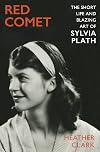
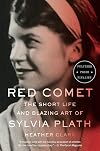
Red Comet: The Short Life and Blazing Art of Sylvia Plath
by Heather Clark
On This Page
Description
"An engrossing new biography of Sylvia Plath focuses on her remarkable literary and intellectual growth and achievement, restoring the vivid creative woman behind the longtime Plath myths perpetuated by a pathology-based approach to her life and art. With a wealth of never-before-accessed materials, Heather Clark here brings to life the brilliant daughter of Wellesley, MA who had poetic ambition from a very young age, and was an accomplished, published writer of poems and stories before she show more became the star English student at Smith College. Determined not to read Plath's work as if her every act, from childhood on, was a harbinger of her tragic fate, Clark presents new materials about Plath's scientist father, her juvenile writings, and her psychiatric treatment, and evokes a culture in transition in the mid-twentieth century, in the shadow of the atom bomb and the Holocaust, as she explores Sylvia's world: her early relationships and determination not to become a conventional woman and wife; her conflicted ties to her well-meaning, widowed mother; her troubles at the hands of an unenlightened mental health industry; her Cambridge years and thunderclap meeting with Ted Hughes, a marriage of true minds that would change the course of poetry in English; and much more. Clark's clear-eyed sympathy for Hughes, his lover Assia Wevill, and other demonized players in the arena of Plath's suicide promotes a deeper understanding of her final days, with their outpouring of first-rate poems. Along with illuminating readings of the poems themselves, Clark's meticulous, compassionate research brings us closer than ever to the spirited woman and visionary artist who blazed a trail that still lights the way for women poets the world over"-- show lessTags
Recommendations









Member Recommendations
by gust
Member Reviews
I feel like I’ve been dragging this biography around like a millstone for three weeks, and I’m not even talking about the hardback, which I was gifted for Christmas a few years ago! I’m all for ‘definitive’ accounts but research is supposed to support the text, not suffocate the subject. Sylvia Plath was thirty when she died but Heather Clark’s biography runs to 1000+ pages (and I’m not even counting the notes) – that’s nearly a page per week of Plath's life, and I felt every passing hour, believe me!
Even though I’m not a fan of poetry, I am still sort of drawn to Sylvia Plath, possibly because she is buried in nearby Heptonstall but also because of her incredible talent and relatable personality. I have read show more previous biographies and The Bell Jar, of course, although only recently, but a ‘six degrees’ personal connection to the author inspired me to pick up Clark’s recent tome – in hardback – and then put the heaviest book in the world back down and wait for the Kindle edition to drop in price instead! Even then, getting through Plath’s brief life took up most of March. Clark certainly packs in every last poem, journal, letter and interview, including new sources, but honestly, shorter biographies say exactly the same thing (apart from the book co-authored by Ted’s hateful sister, don’t read that one). Fewer statements from people who knew Sylvia from five minutes and then wrote a book about her, and a general cull of inserting [sic] into quotes (just say that Sylvia wasn’t a fan of capital letters and move on, woman) would have tightened the text no end. And for all that Clark dots her i’s and crosses her t’s, some of her claims are still suspect, from apparently attributing the First World War song ‘Pack Up Your Troubles’ to Sylvia (‘Her accompanying illustration of a wounded man with a bloody, bandaged head stands as a sobering counterpoint to her original ditty that instructed soldiers to “pack up” their troubles in their kit bag and “smile, smile, smile”’) to claiming that ‘President John F. Kennedy sent his wife, Jackie, for electroshock treatment after a particularly brutal fight about his infidelity’ (REALLY? Where’s the footnote for that one? I’ve read countless books about the Kennedys and never picked up on that spurious rumour!)
Sylvia shines through the verbiage, however. She really was an incredible woman, fighting the multiple ists and isms of 1950s America (hateful place and time) to write in her own way, including considerable poetry and prose, which surprised me. I agree with Heather Clark on that note – ‘She ought to be remembered for her transcendent, trailblazing poems, not for gassing herself in her kitchen.’ I love Sylvia’s passion and pride in her writing, her self-deprecating honesty, her bitchiness (calling Assia Wevill ‘Weavy Asshole’ made me snort), and her thwarted desire to have it all, just like the men in her life. I’m surprised that Clark didn’t speculate on Plath’s mental health, however, especially after this quote: ‘It is as if my life were magically run by two electric currents: joyous positive and despairing negative—whichever is running at the moment dominates my life’. Depression or bipolar/borderline personality disorder? Perhaps as we’ll never know, it’s wiser not to attach labels, but I couldn’t help thinking about how she would be diagnosed – and treated – today.
There should be an award for getting through this biography, but Clark hasn’t put me off – I’m going to visit Heptonstall again this year, and read Sylvia’s poems in the meantime. show less
Even though I’m not a fan of poetry, I am still sort of drawn to Sylvia Plath, possibly because she is buried in nearby Heptonstall but also because of her incredible talent and relatable personality. I have read show more previous biographies and The Bell Jar, of course, although only recently, but a ‘six degrees’ personal connection to the author inspired me to pick up Clark’s recent tome – in hardback – and then put the heaviest book in the world back down and wait for the Kindle edition to drop in price instead! Even then, getting through Plath’s brief life took up most of March. Clark certainly packs in every last poem, journal, letter and interview, including new sources, but honestly, shorter biographies say exactly the same thing (apart from the book co-authored by Ted’s hateful sister, don’t read that one). Fewer statements from people who knew Sylvia from five minutes and then wrote a book about her, and a general cull of inserting [sic] into quotes (just say that Sylvia wasn’t a fan of capital letters and move on, woman) would have tightened the text no end. And for all that Clark dots her i’s and crosses her t’s, some of her claims are still suspect, from apparently attributing the First World War song ‘Pack Up Your Troubles’ to Sylvia (‘Her accompanying illustration of a wounded man with a bloody, bandaged head stands as a sobering counterpoint to her original ditty that instructed soldiers to “pack up” their troubles in their kit bag and “smile, smile, smile”’) to claiming that ‘President John F. Kennedy sent his wife, Jackie, for electroshock treatment after a particularly brutal fight about his infidelity’ (REALLY? Where’s the footnote for that one? I’ve read countless books about the Kennedys and never picked up on that spurious rumour!)
Sylvia shines through the verbiage, however. She really was an incredible woman, fighting the multiple ists and isms of 1950s America (hateful place and time) to write in her own way, including considerable poetry and prose, which surprised me. I agree with Heather Clark on that note – ‘She ought to be remembered for her transcendent, trailblazing poems, not for gassing herself in her kitchen.’ I love Sylvia’s passion and pride in her writing, her self-deprecating honesty, her bitchiness (calling Assia Wevill ‘Weavy Asshole’ made me snort), and her thwarted desire to have it all, just like the men in her life. I’m surprised that Clark didn’t speculate on Plath’s mental health, however, especially after this quote: ‘It is as if my life were magically run by two electric currents: joyous positive and despairing negative—whichever is running at the moment dominates my life’. Depression or bipolar/borderline personality disorder? Perhaps as we’ll never know, it’s wiser not to attach labels, but I couldn’t help thinking about how she would be diagnosed – and treated – today.
There should be an award for getting through this biography, but Clark hasn’t put me off – I’m going to visit Heptonstall again this year, and read Sylvia’s poems in the meantime. show less
Truly stunning. Clark's pacing is incredible, I couldn't put it down (and it's a heavy book). Red Comet is such a comprehensive biography, as Clark had access to materials that previous biographers have not. Sylvia Plath has had a mythology around her since her death, and Clark dispels the reductive or romanticized narratives around her, painting a balanced portrait of an ambitious, prescient, and at times contradictory artist. She challenges the label "confessional," highlighting Plath's exploration of political and cultural themes through a focus on personal and domestic experiences. I was struck by Clark's ability to thread literary analysis of Plath's works (as well as larger literary movements, through her account of Plath's life) show more while avoiding the narrative that Plath could only write autobiographically. I highly recommend this book. It is illuminating and never dull. show less
Plath was quite a complex person, full of opposites. As a feminist icon, she much preferred the company of men seeing women as rivals. She fully committed to the idea that a true woman bore children, disparaging the childless women she knew, yet had she not had two children to care for perhaps she would have been better able to face life. One thinks of a poet as a person with deep, even spiritual recesses yet all her relationships seemed transactional. Her mother was her biggest supporter yet she gladly accepted the "permission" her psychiatrist gave her to hate her mother. Psychiatry in general seems to have failed both her and most women of her time. The misogyny in America was bad but seemed to be worse in England, yet she vowed not show more to return to America (and planned frequently to do so). She used holocaust imagery in her poetry and tried to claim a bit of Jewishness for herself yet used antisemitic slurs against her inlaws. Maybe all those contradictions gave her the fuel her comet used to blaze her through 30 years of accomplishments. show less
Sylvia Plath once said something to the effect of "It will take a whole row of books to understand me." (And she often had prophesying moments like that. Indeed, her husband, Ted Hughes considered her to be clairvoyant.)
I first read Plath when I was eighteen and the timing felt perfect because Syvia was at the same age at the beginning of her journal. I could close my eyes and see the world she was describing perfectly. I could even feel what the evening sky smelled like.
I ended up reading everything I could about her. And what really struck me was how unkind her biographers were. Clark's biography is the first that is comprehensive and fair. She writes in a way that respects her subject, recognizes her, feels empathy towards everyone show more involved and yet remains objective. I like when an author respects my intelligence and allows me to pick apart the puzzle pieces myself-and this is very necessary with a subject like Sylvia Plath.
I think what was so painful in considering her life story- and the way she ended it-is that there could have been a different story. In considering when something tragic happens in life the hardest part is acceptance. You can't consider the life of Sylvia Plath without taking in her death. And Clark has finally given me closure on this. Somehow I understand how it became so inevitable for her. And her final poems leave us with -not just the torrent of energy and the sheer dazzling nature of these poems-but she left clues of the things she couldn't say. Ariel was published two years after her death. But Hughes edited it. He claimed he chose the better poems but many of the ones he took out point directly at him. Even Daddy is more about him. Plath would be shocked by the literal interpretations of that poem.
Writing was Sylvia's lifeblood. And she lived during an extremely sexist era in recent history. She couldn't even get a mortgage without her husband. And yet just a few months after her death was the publication of The Feminine Mystique (which would be everything she could relate to). How much the world was just starting to change for women.
She lived thru WWII-but remained a pacifist and a humanitarian. She lived thru McCarthyism but held very liberal views -particularly for being in a conservative and white neighborhood. She was very antiracist for her time-she spoke out against racial strife in her teenage years-despite being surrounded by racism. She embraced the Jewish culture which she most likely had on her mother's side but she was raised as a Unitarian by two intellectuals. She would remain an atheist.
Her death remains to us a mysterious tragedy. Who could have known if she would have wanted to take it back.
But we have the poems, her legacy. show less
I first read Plath when I was eighteen and the timing felt perfect because Syvia was at the same age at the beginning of her journal. I could close my eyes and see the world she was describing perfectly. I could even feel what the evening sky smelled like.
I ended up reading everything I could about her. And what really struck me was how unkind her biographers were. Clark's biography is the first that is comprehensive and fair. She writes in a way that respects her subject, recognizes her, feels empathy towards everyone show more involved and yet remains objective. I like when an author respects my intelligence and allows me to pick apart the puzzle pieces myself-and this is very necessary with a subject like Sylvia Plath.
I think what was so painful in considering her life story- and the way she ended it-is that there could have been a different story. In considering when something tragic happens in life the hardest part is acceptance. You can't consider the life of Sylvia Plath without taking in her death. And Clark has finally given me closure on this. Somehow I understand how it became so inevitable for her. And her final poems leave us with -not just the torrent of energy and the sheer dazzling nature of these poems-but she left clues of the things she couldn't say. Ariel was published two years after her death. But Hughes edited it. He claimed he chose the better poems but many of the ones he took out point directly at him. Even Daddy is more about him. Plath would be shocked by the literal interpretations of that poem.
Writing was Sylvia's lifeblood. And she lived during an extremely sexist era in recent history. She couldn't even get a mortgage without her husband. And yet just a few months after her death was the publication of The Feminine Mystique (which would be everything she could relate to). How much the world was just starting to change for women.
She lived thru WWII-but remained a pacifist and a humanitarian. She lived thru McCarthyism but held very liberal views -particularly for being in a conservative and white neighborhood. She was very antiracist for her time-she spoke out against racial strife in her teenage years-despite being surrounded by racism. She embraced the Jewish culture which she most likely had on her mother's side but she was raised as a Unitarian by two intellectuals. She would remain an atheist.
Her death remains to us a mysterious tragedy. Who could have known if she would have wanted to take it back.
But we have the poems, her legacy. show less
There’s no consensus on whether Sylvia Plath was a great poet. But both detractors and admirers agree on one thing: her fame rests more on how her life ended more than sixty years ago than on her writing.
Heather Clark, an admirer, seeks to redress this with this biography. Yet an eleven hundred page tome to document a thirty-year life seems ironic if the aim is to turn attention from Plath’s life (and death) to her literary achievement. I felt Clark came closest to her purpose in chapter 31, “The Problem of Him,” with her close readings of the poems in Ariel. I had mixed feelings about the collection, but Clark argues persuasively for their greatness. And yet, I guess I can’t entirely shake the fact that I studied back when show more New Criticism was still the dominant school. So while Clark does an excellent job of reading the poems in light of what was going on in Plath’s life when they were written leaves me less than totally convinced. I’ve no doubt that knowledge of life and times (as so many biographies are entitled) of an author can enhance our understanding. But it’s another thing if a poem needs the context of biography to convince us of its greatness.
Clark attempts the same in chapter 34, “What Is the Remedy?”, in which she argues for the greatness of Plath’s novel, The Bell Jar. When Clark quotes from the letter Plath’s editor at Knopf wrote when that publisher passed on the book, it accorded with my memory of reading it. Yet Clark calls it a “brutal” rejection. Indeed, given the state of her mind at the time, the effect on Plath was overwhelming and unfortunate.
But let’s turn aside from the question of whether Clark is successful in arguing that the interest in Plath should center on the excellence of her writing. How is this book as a biography? It is excellent. Clark appears to have had access to everyone worth talking to (an exception seems to have been Frieda Hughes, since she’s not listed in the acknowledgments. In addition, she had access to troves of unpublished Plath-related documents. She handles the task of relating all that she recounts understandably, broadly chronological, with little of the repetition that often plagues such works. I was sorry that her publisher’s services didn’t include more-thorough fact-checking (one example: Khrushchev was not Soviet foreign minister, p. 788).
I admired Clark’s balanced treatment of the charge of spousal abuse and her navigation of the complex and shifting feelings of mutual and self-recrimination among those close to Plath after her suicide.
While the book’s heft may put off many readers, for those who are fascinated by the brilliant person that Sylvia Plath was, this book is worth the time invested in reading it. show less
Heather Clark, an admirer, seeks to redress this with this biography. Yet an eleven hundred page tome to document a thirty-year life seems ironic if the aim is to turn attention from Plath’s life (and death) to her literary achievement. I felt Clark came closest to her purpose in chapter 31, “The Problem of Him,” with her close readings of the poems in Ariel. I had mixed feelings about the collection, but Clark argues persuasively for their greatness. And yet, I guess I can’t entirely shake the fact that I studied back when show more New Criticism was still the dominant school. So while Clark does an excellent job of reading the poems in light of what was going on in Plath’s life when they were written leaves me less than totally convinced. I’ve no doubt that knowledge of life and times (as so many biographies are entitled) of an author can enhance our understanding. But it’s another thing if a poem needs the context of biography to convince us of its greatness.
Clark attempts the same in chapter 34, “What Is the Remedy?”, in which she argues for the greatness of Plath’s novel, The Bell Jar. When Clark quotes from the letter Plath’s editor at Knopf wrote when that publisher passed on the book, it accorded with my memory of reading it. Yet Clark calls it a “brutal” rejection. Indeed, given the state of her mind at the time, the effect on Plath was overwhelming and unfortunate.
But let’s turn aside from the question of whether Clark is successful in arguing that the interest in Plath should center on the excellence of her writing. How is this book as a biography? It is excellent. Clark appears to have had access to everyone worth talking to (an exception seems to have been Frieda Hughes, since she’s not listed in the acknowledgments. In addition, she had access to troves of unpublished Plath-related documents. She handles the task of relating all that she recounts understandably, broadly chronological, with little of the repetition that often plagues such works. I was sorry that her publisher’s services didn’t include more-thorough fact-checking (one example: Khrushchev was not Soviet foreign minister, p. 788).
I admired Clark’s balanced treatment of the charge of spousal abuse and her navigation of the complex and shifting feelings of mutual and self-recrimination among those close to Plath after her suicide.
While the book’s heft may put off many readers, for those who are fascinated by the brilliant person that Sylvia Plath was, this book is worth the time invested in reading it. show less
(9) Whew. There can be no doubt that this book is much too long. The page number stopped at 896 - but then the Epilogue which was substantial was unnumbered! I finished one day shy of the full 21 days one can take out a loan from the library - and I worked hard over the last 24 hours to do that! There were so many conversations, events, excerpts that seemed endlessly repetitive. I considered giving up as I typically don't read poetry, biography, and honestly had never read Sylvia Plath! I could be forgiven, right? But, but ... something kept me going, something made me buy 'Ariel' at the bookstore and read certain poems over and over, something made me dream vividly of Sylvia (or some other modern manifestation of the White Goddess) show more last night. Why are so many creative people mentally ill? Why is suicide such a pull for artists who are obviously so full of life?
Sylvia Plath was a middle class American raised by a single mom in Wellsley, Mass and went on scholarship to Smith and then to Oxford. She was an intellectual snob and very concerned about appearances and rubbing elbows with influential people - although it seems she struggled with social awkwardness. She ultimately chose to live far from her family in England with a Yorkshire poet who saw himself as Heathcliff to Sylvia's Catherine. She and her husband decided to try to live off of benefactors frugally selling poems and stories and winning literary prizes as possible so that they could focus on writing. They had 2 children and amazingly attempted to share domestic duties which was revolutionary for the times. But ultimately Healthcliff is the master of Catherine, and no one tells Healthcliff what to do, right? The breakdown of her marriage far from home proved too much to bear - Sylvia with her history of mental illness and a prior suicide attempt - takes her own life in her early 30's leaving her toddlers locked in their bedroom with milk and bread. And so the myth-making began. She was never so famous before her death as she was after - her more vivid nightmarish poems seemed to foreshadow her own death and posthumous fame.
Poor Sylvia. Gawd. - the mental health available in the 50's and 60's was awful. just awful. I am so sure the drugs she was using (over the counter no less!) played a role in her derangement. While I suspect she indeed needed to be hospitalized again, it seems she didn't need to die. She had survived the break-up of her marriage and was writing her best stuff. She actually seemed to have a core of steel and courage. Such a tragedy.
Anyway, the story and the poetry are haunting and unforgettable - the book is way too long. The length will prevent this from being read by a larger audience and having the commercial and critical success it could have garnered. show less
Sylvia Plath was a middle class American raised by a single mom in Wellsley, Mass and went on scholarship to Smith and then to Oxford. She was an intellectual snob and very concerned about appearances and rubbing elbows with influential people - although it seems she struggled with social awkwardness. She ultimately chose to live far from her family in England with a Yorkshire poet who saw himself as Heathcliff to Sylvia's Catherine. She and her husband decided to try to live off of benefactors frugally selling poems and stories and winning literary prizes as possible so that they could focus on writing. They had 2 children and amazingly attempted to share domestic duties which was revolutionary for the times. But ultimately Healthcliff is the master of Catherine, and no one tells Healthcliff what to do, right? The breakdown of her marriage far from home proved too much to bear - Sylvia with her history of mental illness and a prior suicide attempt - takes her own life in her early 30's leaving her toddlers locked in their bedroom with milk and bread. And so the myth-making began. She was never so famous before her death as she was after - her more vivid nightmarish poems seemed to foreshadow her own death and posthumous fame.
Poor Sylvia. Gawd. - the mental health available in the 50's and 60's was awful. just awful. I am so sure the drugs she was using (over the counter no less!) played a role in her derangement. While I suspect she indeed needed to be hospitalized again, it seems she didn't need to die. She had survived the break-up of her marriage and was writing her best stuff. She actually seemed to have a core of steel and courage. Such a tragedy.
Anyway, the story and the poetry are haunting and unforgettable - the book is way too long. The length will prevent this from being read by a larger audience and having the commercial and critical success it could have garnered. show less
An exceptional literary biography of Sylvia Plath and those who peopled her life.
As with many people, I knew more about her life, than familiarity of her work. I read some of the poems, and The Bell Jar in my twenties, many moons ago. Along with reading this biography, I am slowly reading/rereading the complete poems. I'm in 1958.
What really embeds itself reading this is actually how young Plath (Hughes et al) were. She died at 30, and he was only two years older. On the one hand how much she packed in and what maturity in many aspects, on the other, how unformed she was in many regards.
Sylvia Plath had many sides, but she at least was a double. Someone who could be very light, and very dark. Very strong and very vulnerable.
Clark draws show more a young woman who is very committed to whatever she does. Someone who knows she will attain, if she puts the effort in. At different times in her life she understood how good she was at what she did. But it was clear from early on that she had mental health problems that would and did undermine her.
The daughter of a single parent, her father died when she was young.
She worked hard to get into Smith College, and worked hard when she got there. She had what we would describe as an OCD personality. She wanted everything, and to do everything to a very high standard. When she failed to achieve this was when depression set in.
She did a lot herself to try and fund her education, got scholarships and relied quite heavily on her mother's limited resources.
She wanted to become a writer, and she wrote and had things published from an early age. She learned quickly to be efficient at submitting work in a commercial way. From the outset, her life and that of those around her were grist for the mill.
Although her primary goal was always that of becoming a poet, she wrote, submitted and had many short stories accepted. Clark narrates some of these stories alongside Sylvia's life, as she does with the poetry.
She made her first suicide attempt in 1953, she had disappeared and been searched for for several days, and was found in a crawl space under her building. As part of her treatment was badly administered electro shock treatment. She feared ever being subjected to this again.
During her Smith years she had a lot of good friendships with the women around her, as well as many boyfriends. In many ways it would appear almost fluke that she ended up with the man she would become most known to be partnered with. Only weeks before meeting Ted Hughes, she had been in Paris in search of a man she had been having an on/off relationship with for some time.
****
It is impossible to summarise even such a short life in a short review. A few things that stuck in my mind about the Plath/Hughes years:
- For a short time they were bound together by their work practices. Hughes encouraged rigour in her work, Plath was responsible for getting him published. Even after they separated, and while they were being monstrous to each other, they always loved and acknowledged the work.
- So many people in their lives were dealing with mental health issues, many had attempted, and some would succeed at suicide.
- In England, the women in Sylvia's life were often the wives of poets. She didn't have the same kind of female support that she had had in America.
- There was certainly a number of things that occurred around the same time that led her to a successful suicide. I suspect if it hadn't happened when it did, it would have happened later.
- The poems that made her reputation where written after the separation, in the October before her death.
- There was more coverage about Plath's first suicide attempt in 1953, the missing bright young thing, than there was in 1963.
- As much as he has been criticised for how he did it, Hughes, and Al Alvarez were very much the people who ensured she had a legacy.
Here is an interview about their work with Plath and Hughes, from 1961:
https://www.youtube.com/watch?v=Vqhsnk6vY8E show less
As with many people, I knew more about her life, than familiarity of her work. I read some of the poems, and The Bell Jar in my twenties, many moons ago. Along with reading this biography, I am slowly reading/rereading the complete poems. I'm in 1958.
What really embeds itself reading this is actually how young Plath (Hughes et al) were. She died at 30, and he was only two years older. On the one hand how much she packed in and what maturity in many aspects, on the other, how unformed she was in many regards.
Sylvia Plath had many sides, but she at least was a double. Someone who could be very light, and very dark. Very strong and very vulnerable.
Clark draws show more a young woman who is very committed to whatever she does. Someone who knows she will attain, if she puts the effort in. At different times in her life she understood how good she was at what she did. But it was clear from early on that she had mental health problems that would and did undermine her.
The daughter of a single parent, her father died when she was young.
She worked hard to get into Smith College, and worked hard when she got there. She had what we would describe as an OCD personality. She wanted everything, and to do everything to a very high standard. When she failed to achieve this was when depression set in.
She did a lot herself to try and fund her education, got scholarships and relied quite heavily on her mother's limited resources.
She wanted to become a writer, and she wrote and had things published from an early age. She learned quickly to be efficient at submitting work in a commercial way. From the outset, her life and that of those around her were grist for the mill.
Although her primary goal was always that of becoming a poet, she wrote, submitted and had many short stories accepted. Clark narrates some of these stories alongside Sylvia's life, as she does with the poetry.
She made her first suicide attempt in 1953, she had disappeared and been searched for for several days, and was found in a crawl space under her building. As part of her treatment was badly administered electro shock treatment. She feared ever being subjected to this again.
During her Smith years she had a lot of good friendships with the women around her, as well as many boyfriends. In many ways it would appear almost fluke that she ended up with the man she would become most known to be partnered with. Only weeks before meeting Ted Hughes, she had been in Paris in search of a man she had been having an on/off relationship with for some time.
****
It is impossible to summarise even such a short life in a short review. A few things that stuck in my mind about the Plath/Hughes years:
- For a short time they were bound together by their work practices. Hughes encouraged rigour in her work, Plath was responsible for getting him published. Even after they separated, and while they were being monstrous to each other, they always loved and acknowledged the work.
- So many people in their lives were dealing with mental health issues, many had attempted, and some would succeed at suicide.
- In England, the women in Sylvia's life were often the wives of poets. She didn't have the same kind of female support that she had had in America.
- There was certainly a number of things that occurred around the same time that led her to a successful suicide. I suspect if it hadn't happened when it did, it would have happened later.
- The poems that made her reputation where written after the separation, in the October before her death.
- There was more coverage about Plath's first suicide attempt in 1953, the missing bright young thing, than there was in 1963.
- As much as he has been criticised for how he did it, Hughes, and Al Alvarez were very much the people who ensured she had a legacy.
Here is an interview about their work with Plath and Hughes, from 1961:
https://www.youtube.com/watch?v=Vqhsnk6vY8E show less
Members
- Recently Added By
Lists

Feminism
167 works; 4 members

Books Read in 2021
5,361 works; 114 members

Maybe This Year? Books to Look Forward To
412 works; 9 members

Books Read in 2022
5,168 works; 114 members

Best Biographies of Notable Women
279 works; 101 members

Books Read in 2024
4,623 works; 126 members
Author Information

5 Works 592 Members
Heather Clark is Professor of Literature at Marlboro College in Vermont and Adjunct instructor of Irish Studies at New York University.
Awards and Honors
Awards
Distinctions
Series
Belongs to Publisher Series
Open Domein (57)
Common Knowledge
- Canonical title
- Red Comet: The Short Life and Blazing Art of Sylvia Plath
- People/Characters
- Sylvia Plath; Ted Hughes
- Epigraph
- ... everyday, one has to earn the name of "winter" over again, with much wrestling. -- Sylvia Plath to Aurelia Plath, October 2, 1956
They thought death was worth it, but I
Have a self to recover, a queen.
Is she dead, is she sleeping?
Where has she been,
With her lion-red body, her wings of glass?
Now she is flying
More terrible than ... (show all)she ever was, red
Scar in the sky, red comet
Over the engine that killed her--
That mausoleum, the wax house.
--Sylvia Plath, "Stings" - Dedication
- For Nathan, Isabel, and Liam
and
In Memory of Jon Stallworthy - First words
- In December 1962, Sylvia Plath moved into William Butler Year's old house. Yeats was one of Plath's literary heroes, and she had been thrilled to discover the vacant townhouse in London's Primrose Hill after the breakdown of ... (show all)her marriage. -Prologue
Like Sylvia Plath herself, Plath's parents, Otto and Aurelia, have had to bear a difficult posthumous burden. Plath used her parents, like so many others in her life, as material for writing. They existed as real people whose... (show all) praise she craved and, at the same time, a deep fictional resource. They were of her, but not her - a looking glass that reflected the possibility of what might or might not be, and she could not resist plumbing their depths as she sought to understand her own. -Chaper 1, The Beekeeper's Daughter, Prussia, Austria, America 1850-1932 - Last words
- (Click to show. Warning: May contain spoilers.)The old comparisons to Medea and Electra no longer hold. If she [Sylvia Plath] must be a myth, let her be Ariadne, laying down the threads, leading us out from the center of the labyrinth. Let us not desert her.
- Blurbers
- Doyle, Glennon; Sollosi, Mary; Merkin, Daphne; Ferri, Jessica; Alexander, Paul; Van Duyne, Emily (show all 16); Smith, Ali; Zakaria, Rafia; Donoghue, Steve; Spydell, Anna; Gordon, Lyndall; Segal, Corrine; Freeman, Laura; Dearborn, Mary V.; Doherty, Maggie; Hastings, Selina
- Original language
- English
- Canonical DDC/MDS
- 811.54
- Canonical LCC
- PS3566.L27 Z616
Classifications
Statistics
- Members
- 533
- Popularity
- 56,025
- Reviews
- 12
- Rating
- (4.52)
- Languages
- Dutch, English
- Media
- Paper, Audiobook, Ebook
- ISBNs
- 11
- ASINs
- 4