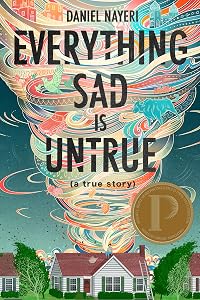
Everything Sad Is Untrue: (a true story)
by Daniel Nayeri
On This Page
Description
Juvenile Fiction. Juvenile Literature. Historical Fiction. HTML:At the front of a middle school classroom in Oklahoma, a boy named Khosrou (whom everyone calls "Daniel") stands, trying to tell a story. His story. But no one believes a word he says. To them he is a dark-skinned, hairy-armed boy with a big butt whose lunch smells funny; who makes things up and talks about poop too much. But Khosrou's stories, stretching back years, and decades, and centuries, are beautiful, and terrifying, show more from themoment his family fled Iran in the middle of the night with the secret police moments behind them, back to the sad, cement refugee camps of Italy...and further back to the fieldsnear the river Aras, where rain-soaked flowers
bled red like the yolk of the sunset had burst over everything, and further back still to the jasmine-scented city of Isfahan. Like Scheherazade in a hostile classroom, Daniel weaves a tale to save his own life: to stake his claim to the truth. And it is (a true story). show less
Tags
Recommendations
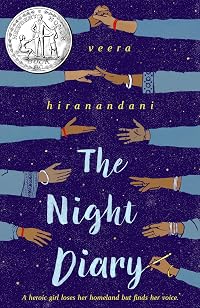
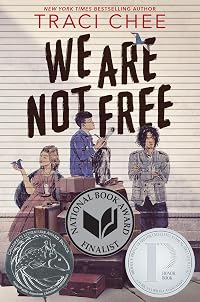

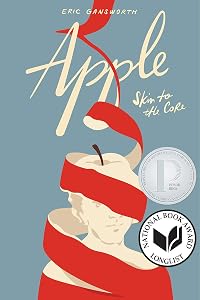
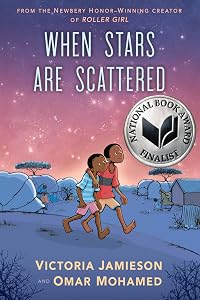
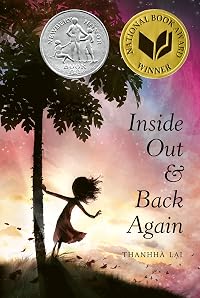

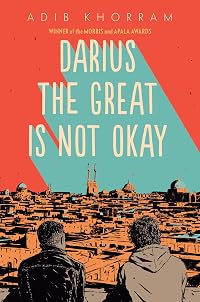
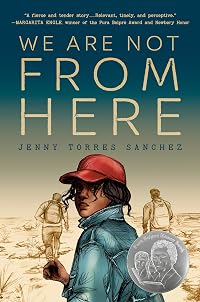
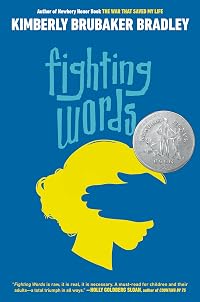
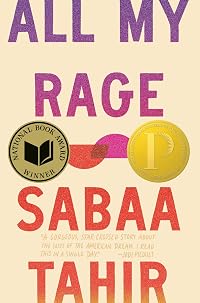


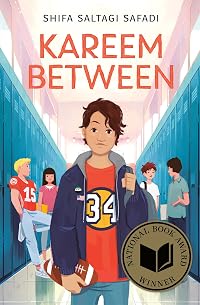

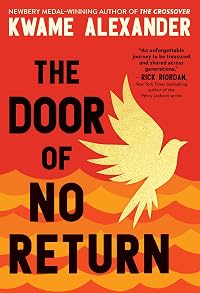
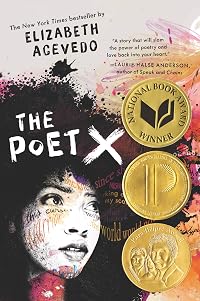
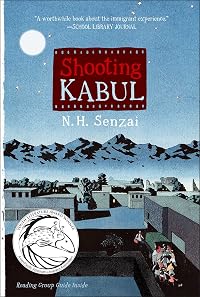
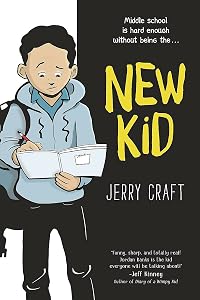
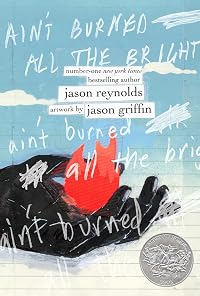
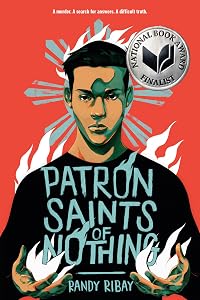
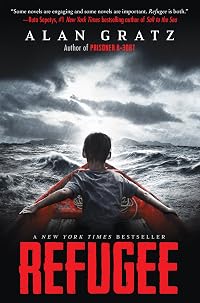
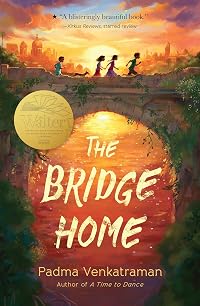
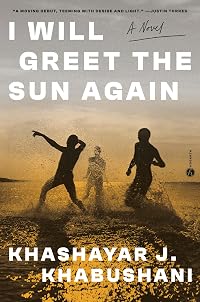
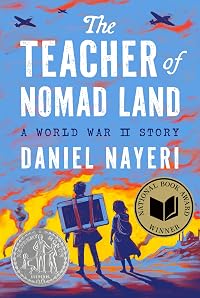
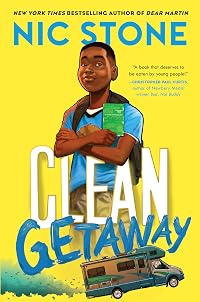
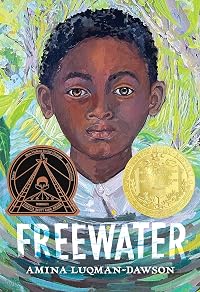
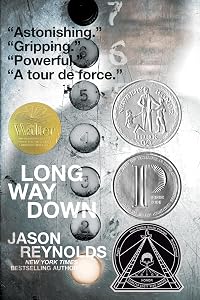
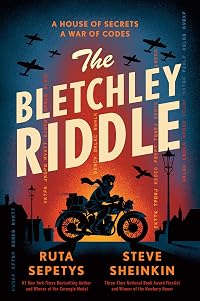
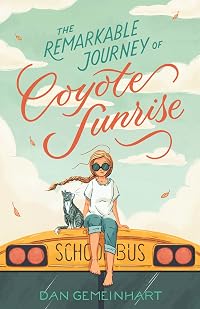

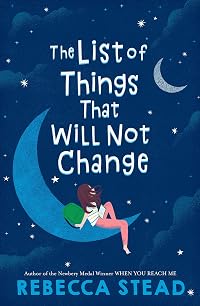
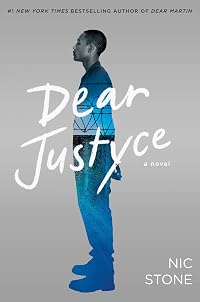
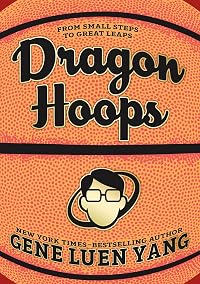

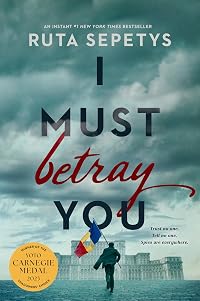
Member Recommendations
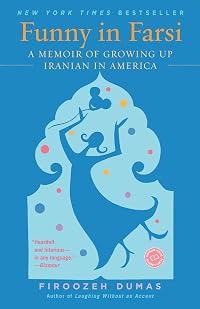
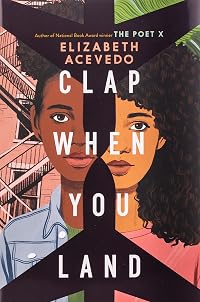
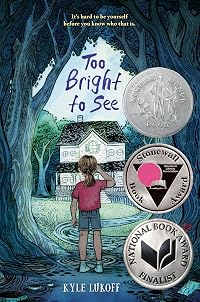
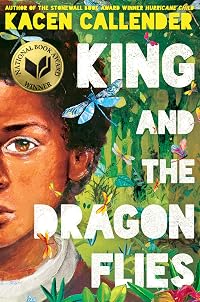
bjappleg8 both are brilliant stories - memoirs - of boys caught between worlds with heroic mothers.
Member Reviews
What an absolutely beautiful book. This is an ageless work of art.
The story is heartwarming and painful to read. As someone who grew up going to school with with kids like Daniel, the main character, it was brutal to read about the excruciating pain of being the outsider. More painful to know that I may have been a part of it or at least admit my culpability in not seeing that pain in others.
Khosrou (Daniel) is a brilliant storyteller who, despite his separation from his culture, maintains the voicing and the gravity of his inherited myths and legends. His is a modern version of those stories retold in a language that he had to learn on the fly as he traversed the globe. The magic in his words is that he never makes the reader feel show more alienated even as he tells his own story of alienation. His descriptions of his homeland and his loved ones ring to the reader as truth, even the lies. I know very little about Persian culture and much of what I do know I just learned from this book. One of the key points he discusses is the way that this culture welcomes visitors into the home, they honor their guests. Khosrou/Daniel made me feel so welcome in the home of his mind that I want to visit again.
This book should be required reading in every school in America. show less
The story is heartwarming and painful to read. As someone who grew up going to school with with kids like Daniel, the main character, it was brutal to read about the excruciating pain of being the outsider. More painful to know that I may have been a part of it or at least admit my culpability in not seeing that pain in others.
Khosrou (Daniel) is a brilliant storyteller who, despite his separation from his culture, maintains the voicing and the gravity of his inherited myths and legends. His is a modern version of those stories retold in a language that he had to learn on the fly as he traversed the globe. The magic in his words is that he never makes the reader feel show more alienated even as he tells his own story of alienation. His descriptions of his homeland and his loved ones ring to the reader as truth, even the lies. I know very little about Persian culture and much of what I do know I just learned from this book. One of the key points he discusses is the way that this culture welcomes visitors into the home, they honor their guests. Khosrou/Daniel made me feel so welcome in the home of his mind that I want to visit again.
This book should be required reading in every school in America. show less
Khosrou - now called Daniel - was born in Iran, fled via the United Arab Emirates and Italy, and eventually came to the United States with his mother and sister. Now in seventh grade in Oklahoma, he stands at the front of Mrs. Miller's class, attempting to tell his story. But his classmates lack context, so he must continually loop back, filling them in on family history, Persian culture, myths and legends, life as a refugee, and more. After all Daniel's storytelling, he brings in a near-mythical figure: his father, who stayed in Isfahan with his new wife but who comes to the U.S. for one visit.
Drawing deeply on the style and appeal of Scheherazade's tales from 1,001 Arabian Nights, Daniel tries to put into words his memories and his show more family stories, which are necessarily piecemeal and incomplete ("A patchwork story is the shame of a refugee," p. 37).
See also: The Ungrateful Refugee by Dina Nayeri, Other Words for Home by Jasmine Warga, Inside Out & Back Again by Thanhha Lai
Quotes
[Epigraphs from Billy Collins, Amir Khosrou, The Brothers Karamazov]
Persians aren't liars. They're poets, which is worse.
Poets don't even know when they're lying. They're just trying to remember their dreams. (1)
Listen.
The quick version of this story is useless. Let's agree to have a complicated conversation....If we can just rise to the challenge of communication - here in the parlor of your mind - we can maybe reach across time and space and every ordinary thing to see so deep into the heart of each other that you might agree that I am like you. (16)
But see, this is the thing with legends. They are more detailed than myths, but not always more accurate. (26)
But tears are like genies. They will never go back into the bottle. (40)
But hiding is something you do while you wait to get stronger. (42)
You don't get to choose what you remember. (49)
...every story is the sound of a storyteller begging to stay alive. (59)
The lesson here is that you can fall in love with a story you have in your head. (79)
But you either get the truth, or you get good news - you don't often get both. (80)
People are like that.
They're immune to the sadness of others. (88)
There are moments in your life where you are alone with two cups and you have to pick one to drink. (95)
We don't owe anyone our sadness. (104)
Every side of an explosion looks different....That's why there's an infinite labyrinth of stories, even in just one family. (120)
Does writing poetry make you brave? ...I think making anything is a brave thing to do. (122)
And how do you know anything for certain anyway?
Maybe don't be so certain all the time. (198)
...in polite American society, they care more if you seem happy than if you're well. (269)
Reading is the act of listening and speaking at the same time, with someone you've never met, but love....What you're doing is listening to me, in the parlor of your mind, but also speaking to yourself....You evaluate....You think and wrestle with every word. (333)
But that was the moment I realized that myths are just legends that everybody agrees on, and legends are just stories that got bigger over time. (342)
...what you believe about the future will change how you live in the present. (347)
And what if, like a rug, they are flawed? Memories are just stories we tell ourselves, after all. What if we are telling ourselves lies? (349) show less
Drawing deeply on the style and appeal of Scheherazade's tales from 1,001 Arabian Nights, Daniel tries to put into words his memories and his show more family stories, which are necessarily piecemeal and incomplete ("A patchwork story is the shame of a refugee," p. 37).
See also: The Ungrateful Refugee by Dina Nayeri, Other Words for Home by Jasmine Warga, Inside Out & Back Again by Thanhha Lai
Quotes
[Epigraphs from Billy Collins, Amir Khosrou, The Brothers Karamazov]
Persians aren't liars. They're poets, which is worse.
Poets don't even know when they're lying. They're just trying to remember their dreams. (1)
Listen.
The quick version of this story is useless. Let's agree to have a complicated conversation....If we can just rise to the challenge of communication - here in the parlor of your mind - we can maybe reach across time and space and every ordinary thing to see so deep into the heart of each other that you might agree that I am like you. (16)
But see, this is the thing with legends. They are more detailed than myths, but not always more accurate. (26)
But tears are like genies. They will never go back into the bottle. (40)
But hiding is something you do while you wait to get stronger. (42)
You don't get to choose what you remember. (49)
...every story is the sound of a storyteller begging to stay alive. (59)
The lesson here is that you can fall in love with a story you have in your head. (79)
But you either get the truth, or you get good news - you don't often get both. (80)
People are like that.
They're immune to the sadness of others. (88)
There are moments in your life where you are alone with two cups and you have to pick one to drink. (95)
We don't owe anyone our sadness. (104)
Every side of an explosion looks different....That's why there's an infinite labyrinth of stories, even in just one family. (120)
Does writing poetry make you brave? ...I think making anything is a brave thing to do. (122)
And how do you know anything for certain anyway?
Maybe don't be so certain all the time. (198)
...in polite American society, they care more if you seem happy than if you're well. (269)
Reading is the act of listening and speaking at the same time, with someone you've never met, but love....What you're doing is listening to me, in the parlor of your mind, but also speaking to yourself....You evaluate....You think and wrestle with every word. (333)
But that was the moment I realized that myths are just legends that everybody agrees on, and legends are just stories that got bigger over time. (342)
...what you believe about the future will change how you live in the present. (347)
And what if, like a rug, they are flawed? Memories are just stories we tell ourselves, after all. What if we are telling ourselves lies? (349) show less
"Every story is the sound of a storyteller begging to stay alive.”
Khosrou, the child, stands before his class in Oklahoma and tells stories of Iran, lifetimes’ worth of experiences compressed into writing prompts. Daniel, the adult, pieces together his “patchwork” past to stitch a quilt of memory in a free-wheeling, layered manner more reminiscent of a conversation than a text. At its most basic level, Nayeri’s offering is a fictionalized refugee’s memoir, an adult looking back at his childhood and the forced adoption of a new and infinitely more difficult life. Yet somehow “memoir” fails to do justice to the scope of the narrative, the self-proclaimed antithesis of just another “ ‘poor me’ tale of immigrant show more woe.” Like Scheherazade, Nayeri spins 1,001 tales: In under 400 pages he recounts Persian myth and history, leads readers through days banal and outstanding, waxes philosophical on the nature of life and love, and more. Not “beholden” to the linear conventions of Western storytelling, the story might come across as disjointed, but the various anecdotes are underscored by a painful coherence as they work to illuminate not only a larger story, but a life. And there is beauty amid the pain as well as laughter. The soul-sapping hopelessness of a refugee camp is treated with the same dramatic import as the struggle to eliminate on Western toilets. The language is evocative: simple yet precise, rife with the idiosyncratic and abjectly honest imagery characteristic of a child’s imagination. (This review has been updated to clarify that the book is a work of fiction.)
A modern epic. (author’s note, acknowledgments) (Historical fiction. 10-18)" A Kirkus Starred Review, www.kirkusreviews.com show less
Khosrou, the child, stands before his class in Oklahoma and tells stories of Iran, lifetimes’ worth of experiences compressed into writing prompts. Daniel, the adult, pieces together his “patchwork” past to stitch a quilt of memory in a free-wheeling, layered manner more reminiscent of a conversation than a text. At its most basic level, Nayeri’s offering is a fictionalized refugee’s memoir, an adult looking back at his childhood and the forced adoption of a new and infinitely more difficult life. Yet somehow “memoir” fails to do justice to the scope of the narrative, the self-proclaimed antithesis of just another “ ‘poor me’ tale of immigrant show more woe.” Like Scheherazade, Nayeri spins 1,001 tales: In under 400 pages he recounts Persian myth and history, leads readers through days banal and outstanding, waxes philosophical on the nature of life and love, and more. Not “beholden” to the linear conventions of Western storytelling, the story might come across as disjointed, but the various anecdotes are underscored by a painful coherence as they work to illuminate not only a larger story, but a life. And there is beauty amid the pain as well as laughter. The soul-sapping hopelessness of a refugee camp is treated with the same dramatic import as the struggle to eliminate on Western toilets. The language is evocative: simple yet precise, rife with the idiosyncratic and abjectly honest imagery characteristic of a child’s imagination. (This review has been updated to clarify that the book is a work of fiction.)
A modern epic. (author’s note, acknowledgments) (Historical fiction. 10-18)" A Kirkus Starred Review, www.kirkusreviews.com show less
This is the author's memoir of his young childhood in Iran, fleeing to England with his mother as a refugee and ultimately ending up in Edmond, Oklahoma, where his American classmates bully him. It is a melancholy string of memories and stories, connected by a battered sense of love and hope. Even as some of his memories are painful to read, there is an overall impression that you know Daniel is doing okay today. This book lovingly centers the humanity of the refugee.
This is a gut-punch of a book in a good way. Like Beloved it deals with hard, painful, truths. And it deals with the possibility of redemption. It’s written using the voice of a middle school student. Daniel (formerly Khosrou) wants to be able to tells stories like Scheherazade in The Arabian Nights, but he struggles with spotty memories and self-doubt as he struggles to fit in to his new life in Oklahoma as an immigrant from Iran. He is dealing with traumatic changes of status, place, and language. Unfortunately, his classmates don’t believe what he says about his past life and his former country, and think he eats weird food and smells funny.
At the end of the book, in an author’s note, Nayeri reveals that this novel is really show more his fictionalized autobiography, and hence the subtitle: a true story. show less
At the end of the book, in an author’s note, Nayeri reveals that this novel is really show more his fictionalized autobiography, and hence the subtitle: a true story. show less
[4.25] This creatively crafted memoir of an incredible boy would have been a 5-star read had this twist-filled story unfolded in a more linear fashion as opposed to what the author admits is a “patchwork text.” But he later notes that a “patchwork text is the shame of a refugee” who often has no family records to peruse and few relatives to consult. I could have lived without the heavy dose of ancient lore in the first quarter of the book. While the contextual links are clear, the tales seemed to needlessly delay the riveting biographical theme. But I quibble. “Everything Sad is Untrue” is an enlightening, heartwarming and occasionally hilarious coming-of-age tale that will stay with me for a long time to come. Are all of show more the remarkable anecdotes that grace the pages true? Nayeli assures readers that he made every effort to accurately recount his extraordinary life as a boy who was born in Iran and ends up in Oklahoma. But he also reminds us that all of our memories “are dotted with fiction.” show less
I give five stars for books that speak to my soul in some way or that beautifully completes its intention, whether it's pure joy and escape (which people would say fails to deserve five stars because it's not literary) or a beautifully written, soul-touching work (which people would say makes the work worthy of being called literature).
Is this novel fiction or non-fiction? I guess the better question is, are our memories/our stories that make us who we are true?
Daniel Nayeri becomes Scheherazade, telling his 1001 stories to metaphorically save his life. Can we believe the outlandish stories? Can we believe our own stories? After all, memory lie. Are we lying when someone remembers it differently? Our truths, our lies shape us. Daniel show more possesses a different set of memories from those of us born and raised in America--the memories/stories of a family that goes back generations. Living in Oklahoma as a refugee, Daniel fails to understand valuing a house that is a hundred years old when his grandfather still lives in his 900-year old home. How do you become "you" in a place that cannot understand generational identity? Daniel, through his storytelling, must find his identity in a foreign land, Oklahoma, while being part of a centuries old family. As his father tells him, "[Stories] are for remembering" (326). So, this novel, represents the stories--the knowledge--handed down. He states, "A patchwork story is the shame of a refugee" (37). Can sharing the story make us, the reader, understand the refugee? Can we, as the king, save him, as Scheherazade, to live another day and then to have a loving relationship because we have learned one another's identity?
Daniel, born Khosrou, tells his story in patchwork form. He tells of his family and of his memories in Iran. He considers himself Persian. Another lesson. Americans would say he's "Iranian." Going back centuries, the people are Persians. He descends from a well-off family, a royal family, if he is to be believed. He often explains by giving three stories, so don't lose the main idea as you read because the stories all go together to make a point. I cannot possibly begin to give a summary of this novel. It's a patchwork of stories creating a whole. One event doesn't just happen: what coincidences or decisions were made that led one to a place, a decision? Grandmother Ellie is exiled to England. Many events from before she was born get her to England. A family visit there changes everything for Daniel, his mother, and his sister. It's after this exile and an arrest that Daniel ends up in Oklahoma.
I could write many essays about this book. A perfect book for a classroom, the novel teaches critical thinking skills through these stories and recurring motifs. Daniel writes, "Reading is the act of listening and speaking at the same time, with someone you've never met, but love. Even if you hate them, it's a loving thing to do. You speak someone else's words to yourself, and hear them for the first time" (333). Listen to these stories--from a refugee. Truly hear these stories and their meanings from another land. Even though we may wish that everything sad is untrue, we know beauty when we truly read and hear the patchwork stories of a people. show less
Is this novel fiction or non-fiction? I guess the better question is, are our memories/our stories that make us who we are true?
Daniel Nayeri becomes Scheherazade, telling his 1001 stories to metaphorically save his life. Can we believe the outlandish stories? Can we believe our own stories? After all, memory lie. Are we lying when someone remembers it differently? Our truths, our lies shape us. Daniel show more possesses a different set of memories from those of us born and raised in America--the memories/stories of a family that goes back generations. Living in Oklahoma as a refugee, Daniel fails to understand valuing a house that is a hundred years old when his grandfather still lives in his 900-year old home. How do you become "you" in a place that cannot understand generational identity? Daniel, through his storytelling, must find his identity in a foreign land, Oklahoma, while being part of a centuries old family. As his father tells him, "[Stories] are for remembering" (326). So, this novel, represents the stories--the knowledge--handed down. He states, "A patchwork story is the shame of a refugee" (37). Can sharing the story make us, the reader, understand the refugee? Can we, as the king, save him, as Scheherazade, to live another day and then to have a loving relationship because we have learned one another's identity?
Daniel, born Khosrou, tells his story in patchwork form. He tells of his family and of his memories in Iran. He considers himself Persian. Another lesson. Americans would say he's "Iranian." Going back centuries, the people are Persians. He descends from a well-off family, a royal family, if he is to be believed. He often explains by giving three stories, so don't lose the main idea as you read because the stories all go together to make a point. I cannot possibly begin to give a summary of this novel. It's a patchwork of stories creating a whole. One event doesn't just happen: what coincidences or decisions were made that led one to a place, a decision? Grandmother Ellie is exiled to England. Many events from before she was born get her to England. A family visit there changes everything for Daniel, his mother, and his sister. It's after this exile and an arrest that Daniel ends up in Oklahoma.
I could write many essays about this book. A perfect book for a classroom, the novel teaches critical thinking skills through these stories and recurring motifs. Daniel writes, "Reading is the act of listening and speaking at the same time, with someone you've never met, but love. Even if you hate them, it's a loving thing to do. You speak someone else's words to yourself, and hear them for the first time" (333). Listen to these stories--from a refugee. Truly hear these stories and their meanings from another land. Even though we may wish that everything sad is untrue, we know beauty when we truly read and hear the patchwork stories of a people. show less
Members
- Recently Added By
Lists

High School Novels about Immigration
40 works; 1 member

Literature for Children and Teens
41 works; 2 members

Islam & the Middle East
127 works; 1 member

Top Five Books of 2022
736 works; 272 members

READ in 2024
262 works; 1 member

Books With Complete Sentence Titles
501 works; 17 members
Author Information

22+ Works 2,528 Members
Some Editions
Awards and Honors
Awards
Distinctions
Notable Lists
Common Knowledge
- Canonical title*
- Todo lo triste es mentira : (una historia verdadera) (una historia verdadera)
- Important places
- Iran; Oklahoma, USA
- Epigraph
- It seems like only yesterday that I believed / there was nothing under my skin but light. / If you cut me I would shine. -- Billy Collins (approximately), "On Turning Ten"
The people of the world say that Khosrou is an idol worshipper / Maybe so, maybe so / But he does not need the world / And he does not need the people -- Amir Khosrou
I believe like a child that suffering will be healed and made up for, that all the humiliating absurdity of human contradictions will vanish like a pitiful mirage, like the despicable fabrication of the impotent and infinitel... (show all)y small Euclidean mind of man, that in the world's finale, at the moment of eternal harmony, something so precious will come to pass that it will suffice for all hearts, for the comforting of all resentments, for the atonement of all the crimes of humanity, of all the blood they've shed; that it will make it not only possible to forgive but to justify all that has happened. --Fyodor Dostoevsky, The Brothers Karamazov - Dedication
- When I was a kid in Isfahan, I would tell my mother that someday, I would build her a castle at the top of Mount Safeh. I could see it from my window. A castle in the sky. I didn't know that life would make a liar out of m... (show all)e. I'm sorry, Mom. I didn't forget. I just never managed it. I wrote you a book instead. I know it isn't even close.
- First words
- All Persian are liars and lying is a sin.
- Last words
- (Click to show. Warning: May contain spoilers.)But we'd get there, little by little.
- Canonical LCC
- PS3614.A939 E97 2020
*Some information comes from Common Knowledge in other languages. Click "Edit" for more information.
Classifications
Statistics
- Members
- 1,170
- Popularity
- 21,500
- Reviews
- 37
- Rating
- (4.39)
- Languages
- Dutch, English, Spanish
- Media
- Paper, Audiobook, Ebook
- ISBNs
- 10
- ASINs
- 2