On This Page
Description
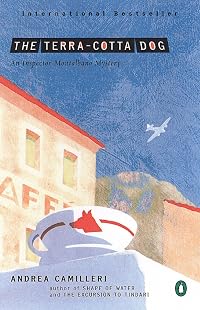
Montalbano's latest case begins with a mysterious tete a tete with a Mafioso, some inexplicably abandoned loot from a supermarket heist, and some dying words that lead him to an illegal arms cache in a mountain cave. There the inspector finds two young lovers, dead for fifty years and still embracing, watched over by a life-sized terra-cotta dog. Montalbano's passion to solve this old crime takes him on a journey through Sicily's past and into a family's dark heart amidst the horrors of show more World War II bombardment. Andrea Camilleri's Inspector Montalbano has garnered millions of fans worldwide with his sardonic take on Sicilian life. With sly wit and a keen understanding of human nature, Montalbano is a detective whose earthiness, compassion, and imagination make him totally irresistible. show lessTags
Recommendations
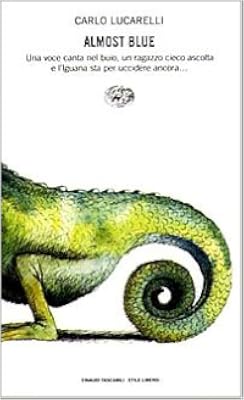


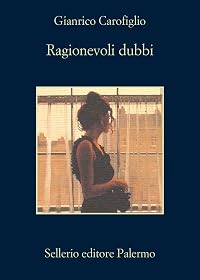
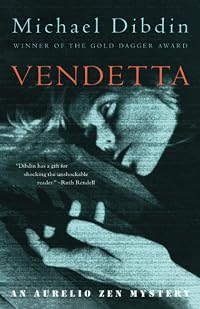
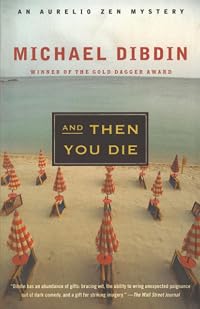

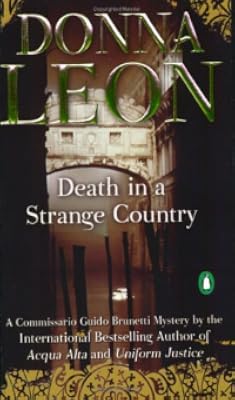
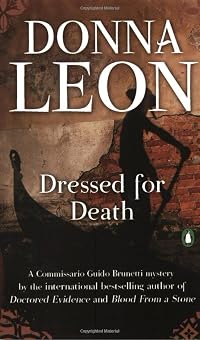
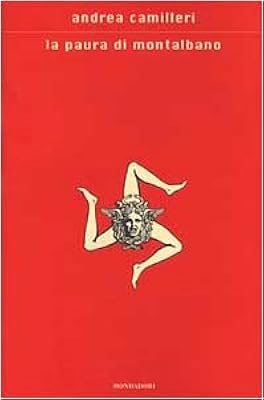
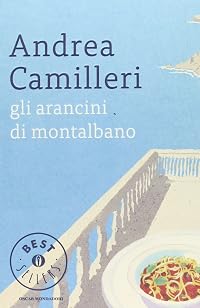
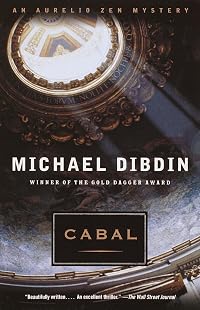
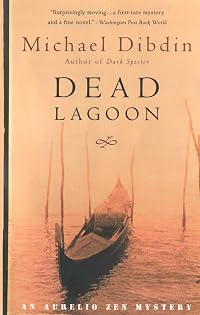
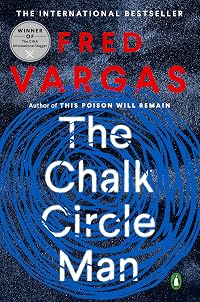
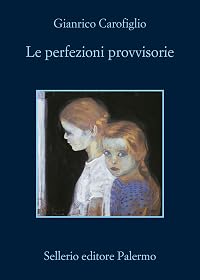

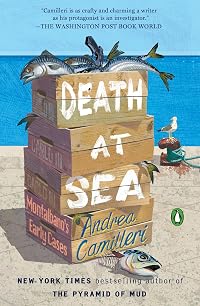
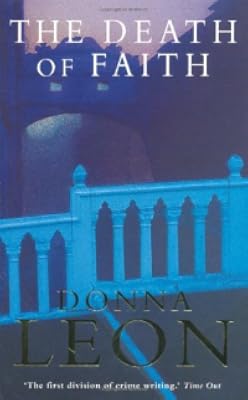
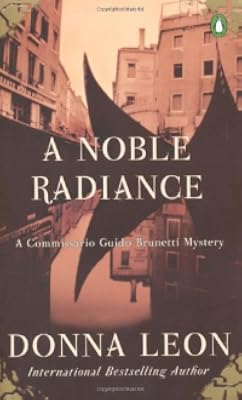
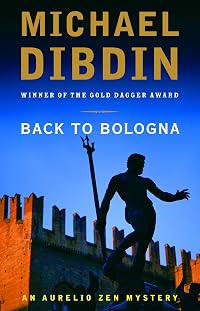
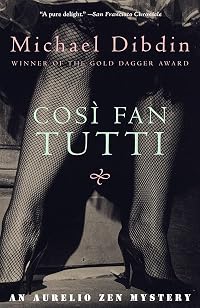

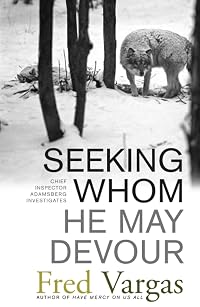

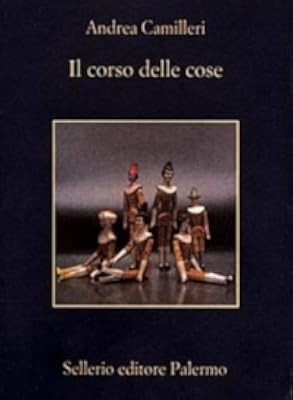


Member Recommendations
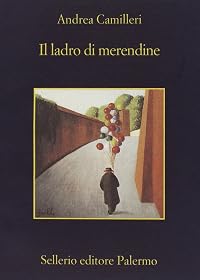
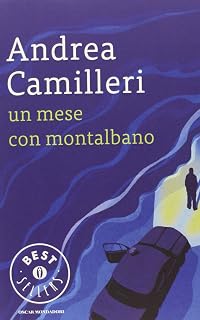
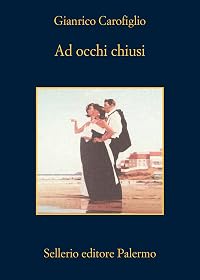
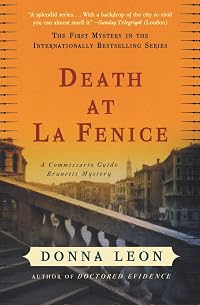
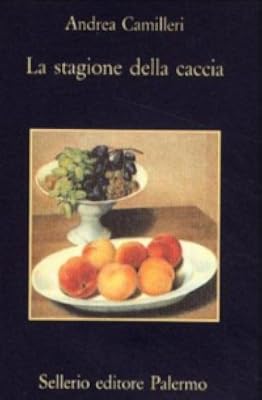
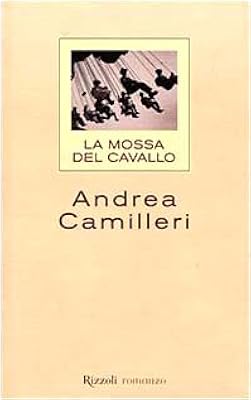
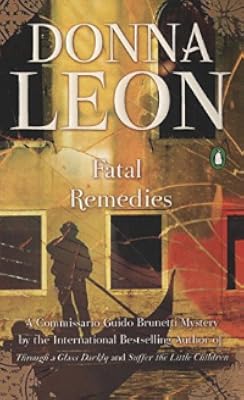
ed.pendragon The first two titles in the Montalbano series, with many of the same characters appearing in both.
20
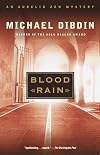
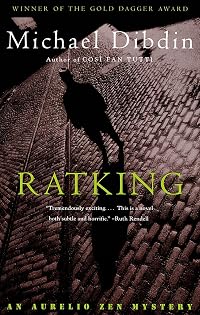
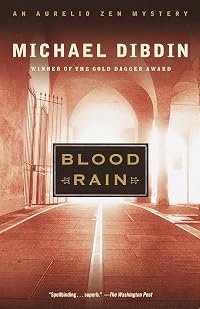
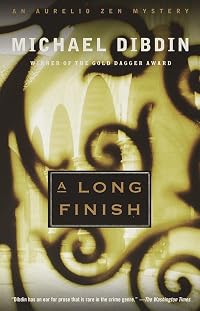
browner56 Typical examples of two excellent Italian detective series (Camilleri's Salvo Montalbano and Dibdin's Aurelio Zen); both books are set in Sicily and have Mafia-related themes.
Member Reviews
Rating: 4* of five
The Publisher Says: The Terra-Cotta Dog opens with a mysterious tete-a-tete with a mafioso, some inexplicably abandoned loot from a supermarket heist, and some dying words that lead inspector Montalbano to a secret grotto in a mountainous cave where two young lovers, dead fifty years and still embracing, are watched over by a life-size terra cotta dog. Montalbano's passion to solve this old crime takes him, heedless of personal danger, on a journey through the island's past and into a family's dark heart amid the horrors of World War II.
My Review: I am truly gruntled and kempt after reading a Montalbano novel. Sleek, in fact; one could go so far as to say consolate.
The mystery, that is the modern-day mystery of show more arms-dealing and law-breaking, gets short shrift in this delightful book. It gets passed to Montalbano's second-in-command, Augello, at Montalbano's discretion, after Augello pitches a hissy fit and acts like a neglected wife because Montalbano runs a team within a team to do his real work.
Things Go Badly. In fact, a character I loved very much pays the ultimate price for Augello's jealous fit. But Montalbano, whose head everything ultimately falls on, has already turned his attention to Livia, his quite extraordinary lover from Genoa, and a mystery from WWII.
One guess which of those two gets neglected.
The point of these books is how much a mystery gets hold of one, how deeply set the hook is when it's properly baited for the mysterian. (Other than the name of a one-hit wonder band, I've never actually used that word before, and "I do not think that word means what you think it means." {Princess Bride reference}) Sure, yeah, people are smuggling submachine guns and stuff, mmm-hmmm get back to me if something needs my attention but some a-hole killed two kids in the Act of Luuuv 50+ years ago, then put them in a cave where evidence assures us they were NOT shot, and with some very odd burial goods...a bowl of money, a jug of water, and a terra-cotta statue of a dog...and then sealed them up carefully and invisibly. WTF? as Montalbano most certainly wouldn't have thought, who does that? What kind of story makes that not only okay, but so urgent as to force someone to do it?
Exactly what I was wondering. Montalbano is my kinda guy. There are people to *do* the modern-day, not-very-challenging stuff, and even when they get stuff wrong (as they did, to his almost-fatal detriment when a shoot-out costs him the life of a friend and a month in the hospital) things will turn out, they always do...just learn to live with the consequences...but only he, Montalbano, cares to or can ferret out the seemingly unimportant but emotionally charged secrets of the past.
I was walloped upside my little punkin haid by the ending of this book. I could NOT believe an American publishing house would do this! Of course, they only did it ten years after it became a bestseller in *the rest of the world*, but let's let that slide. They did it, thank you Penguin, and they made a lovely object of the book, and they have published all of the series in proper order *smoochsmooch* on their corporate ham-producing-areas to boot!
I won't encourage anyone to read these books because, if you need encouragement, you're not the Right Stuff for them. (*snicker* THAT oughtta cause a stampede!) show less
The Publisher Says: The Terra-Cotta Dog opens with a mysterious tete-a-tete with a mafioso, some inexplicably abandoned loot from a supermarket heist, and some dying words that lead inspector Montalbano to a secret grotto in a mountainous cave where two young lovers, dead fifty years and still embracing, are watched over by a life-size terra cotta dog. Montalbano's passion to solve this old crime takes him, heedless of personal danger, on a journey through the island's past and into a family's dark heart amid the horrors of World War II.
My Review: I am truly gruntled and kempt after reading a Montalbano novel. Sleek, in fact; one could go so far as to say consolate.
The mystery, that is the modern-day mystery of show more arms-dealing and law-breaking, gets short shrift in this delightful book. It gets passed to Montalbano's second-in-command, Augello, at Montalbano's discretion, after Augello pitches a hissy fit and acts like a neglected wife because Montalbano runs a team within a team to do his real work.
Things Go Badly. In fact, a character I loved very much pays the ultimate price for Augello's jealous fit. But Montalbano, whose head everything ultimately falls on, has already turned his attention to Livia, his quite extraordinary lover from Genoa, and a mystery from WWII.
One guess which of those two gets neglected.
The point of these books is how much a mystery gets hold of one, how deeply set the hook is when it's properly baited for the mysterian. (Other than the name of a one-hit wonder band, I've never actually used that word before, and "I do not think that word means what you think it means." {Princess Bride reference}) Sure, yeah, people are smuggling submachine guns and stuff, mmm-hmmm get back to me if something needs my attention but some a-hole killed two kids in the Act of Luuuv 50+ years ago, then put them in a cave where evidence assures us they were NOT shot, and with some very odd burial goods...a bowl of money, a jug of water, and a terra-cotta statue of a dog...and then sealed them up carefully and invisibly. WTF? as Montalbano most certainly wouldn't have thought, who does that? What kind of story makes that not only okay, but so urgent as to force someone to do it?
Exactly what I was wondering. Montalbano is my kinda guy. There are people to *do* the modern-day, not-very-challenging stuff, and even when they get stuff wrong (as they did, to his almost-fatal detriment when a shoot-out costs him the life of a friend and a month in the hospital) things will turn out, they always do...just learn to live with the consequences...but only he, Montalbano, cares to or can ferret out the seemingly unimportant but emotionally charged secrets of the past.
I was walloped upside my little punkin haid by the ending of this book. I could NOT believe an American publishing house would do this! Of course, they only did it ten years after it became a bestseller in *the rest of the world*, but let's let that slide. They did it, thank you Penguin, and they made a lovely object of the book, and they have published all of the series in proper order *smoochsmooch* on their corporate ham-producing-areas to boot!
I won't encourage anyone to read these books because, if you need encouragement, you're not the Right Stuff for them. (*snicker* THAT oughtta cause a stampede!) show less
The second Montalbano novel, in which Salvo allows himself to be distracted from an investigation involving Mafia gun-running to attempt to disentangle the semiotic complexities of a crime apparently committed fifty years ago, at the time of the American landings in Sicily. Plenty of humour, with Montalbano having to cope with all three of the women from the first book (long-suffering Livia, obsessed Anna, and gorgeous Ingrid), plus his jealous deputy, Mimi Augello and the magnificently idiotic policeman Cantarella. Plenty of mocking of political an media imbecility too, and of course plenty of good Sicilian food and plenty of excuses to mine the memories of the older generation. Great fun, and I'm obviously going to have to go on and show more read a few more. show less
Fun, interesting, surprising. How can you not love this irascible, curiosity-driven Sicilian police inspector who reads Faulkner and eats so well? I'm not going to tout this series in detail--many others here have done a stellar job of that already . If you like your mysteries a little on the quirky side, you'll love these.
Read and reviewed in 2012
Read and reviewed in 2012
I had overdosed a bit on cozy/comfort reads, so the sarcastically witty The Terra-Cotta Dog was just what I needed to add some excitement to my reading. While following a lead that might result in the capture of the head of a criminal organization, Inspector Montalbano ends up discovering a 50-year-old murder from World War II. Montalbano is much more interested in the historical puzzle than in the more recent crimes on his plate, and this frustrates both his superiors and his subordinates.
This book revealed a new aspect of Montalbano's character. He's a reader, and the books he's currently reading, other books he's read, bookstores, and libraries all work their way into the story. In that respect, he reminds me of P.D. James's Adam show more Dalgliesh and Louise Penny's Armand Gamache.
Although this series is a little coarser than the types of mysteries I usually read, it's one I'm sure I'll return to periodically when I'm in the mood for something a little outside of my comfort zone. show less
This book revealed a new aspect of Montalbano's character. He's a reader, and the books he's currently reading, other books he's read, bookstores, and libraries all work their way into the story. In that respect, he reminds me of P.D. James's Adam show more Dalgliesh and Louise Penny's Armand Gamache.
Although this series is a little coarser than the types of mysteries I usually read, it's one I'm sure I'll return to periodically when I'm in the mood for something a little outside of my comfort zone. show less
Another great mystery from Camilleri featuring Commissario Montalbano who comes to an agreement with mafioso Tano the Greek. Their meeting precipitates a much bigger investigation than anyone could imagine. My only complaint about Camilleri's writing is that the profanities come across as even more crude than they are generally. I wonder if this is because of the translation or if his characters are just as vulgar in Italian. I'm inclined toward the fault lying with the translation.
With this second book in the series now under my belt, I admit I am growing rather fond of Montalbano as a character, even if I cringe at some of the food items he finds so divine to indulge in. I am not quite the seafood connoisseur that he is, although I am starting to wonder when vegetables will start to be mentioned. I find the cases he becomes embroiled with, as well as his relationship with his various underlings and the women in his life make for a nice escape from day-to-day reality for me. With this story, it was the uncovered 50 year old mystery begging to be solved that really captured my attention and made it such an enjoyable read for me. The whole locked room cave idea and the symbolic references that needed to be show more deciphered..... that is my kind of story! A good puzzle to noodle over between spurts of listening and I really liked the ending to this one. Looks like I will be extending my literary stay on Sicily a little longer as I have now started listening to book three in the series, The Snack Thief. show less
First, my compliments to Stephen Sartarelli on his translation and notes compiled for the reader to understand every nuance of Camilleri's written word.
Some say that the pace of the book is slow, but, I enjoyed this differing flavor on a detective novel. Camilleri is able to immerse us in the world of Inspector Montalbano: his love and enjoyment of mediterranean food coupled with a detailed description of the sea and the warm and rocky Sicilian geography. With a mix of humor, cynicism, compassion, and love of good food, Montalbano goes into battle against the powerful and the corrupt who are determined to block his path.
This is a"delicious" discovery for mystery afficionados and fiction lovers.
Some say that the pace of the book is slow, but, I enjoyed this differing flavor on a detective novel. Camilleri is able to immerse us in the world of Inspector Montalbano: his love and enjoyment of mediterranean food coupled with a detailed description of the sea and the warm and rocky Sicilian geography. With a mix of humor, cynicism, compassion, and love of good food, Montalbano goes into battle against the powerful and the corrupt who are determined to block his path.
This is a"delicious" discovery for mystery afficionados and fiction lovers.
Members
- Recently Added By
Lists

EU Fiction: 1950-2022
223 works; 68 members

infjsarah's wishlist
408 works; 2 members

A Rainbow of Books: Colors in the Title
570 works; 24 members

Books Read in 2019
4,052 works; 110 members
Italian Literature
558 works; 43 members

Books Read in 2006
424 works; 8 members

Read in 2006
140 works; 1 member
Author Information

428+ Works 42,069 Members
Andrea Camilleri lives in Italy. Andrea Camilleri was born in Porto Empedocle, Sicily on September 6, 1925. He began his studies at Faculty of Literature in 1944 but never finished. He started to publish poems and short stories. He studied stage and film direction at the Silvio D'Amico Academy of Dramatic Arts from 1948 to 1950 and soon began work show more as a director and screen writer. Andrea Camilleri worked on several TV productions such as Inspector Maigret wirh Gino Cervi. In 1971 he returned to the Academy of Dramatic Arts holding the chair of Movie Direction and keeping it for 20 years. In 1978 he wrote his first novel - The Way Things Go which was followed by A Thread of Smoke in 1980. In 1992 he published The Hunting Season which turned out to be a best seller. In 1994 Andrea Camilleri published the first in a long series of novels - The Shape of Water which features the character Inspector Montalbano - a ficticious Sicilian detective in the police force of Vigata, an imaginary Sicilian town. The TV adaption of this book took off in popularity and Andrea Camilleri's home town was renamed Porto Empedocle Vigata. In 1998 he won the Nino Mortoglio International Book Award. He received an honorary degree from the University of Pisa in 2005. Camilleri has worked as a television and theater director, as well as a screenwriter. In 1978 he wrote his first novel, Il Corso delle Cose. The Montalbano series, featuring the Sicilian detective Inspector Montalbano, is Camilleri's most famous work of fiction, and it has been adapted into a television series. Camilleri had written a few historical novels when, in 1994, he wrote The Shape of Water, the first book starring a Sicilian detective based in the fictional town of Vigata. Camilleri won the Nino Martoglio International Book Award in 1998. He is considered to be one of Italy's greatest contemporary writers. Andrea Camilleri passed away on July 17, 2019 at the age of 93. (Bowker Author Biography) show less
Some Editions
Awards and Honors
Notable Lists
Series

Belongs to Publisher Series
Work Relationships
Common Knowledge
- Canonical title
- The Terracotta Dog
- Original title
- Il cane di terracotta
- Alternate titles
- The TerraCotta Dog
- Original publication date
- 1996-04-18; 2002 (English: Sartarelli) (English: Sartarelli)
- People/Characters
- Salvo Montalbano; Tano il Greco; Cavaliere Miscuraca; Alcide Maraventano; Mimi Augello; Fazio (show all 8); Livia; Catarella
- Important places
- Vigata, Sicilia, Italia; Sicily, Italy
- Important events*
- Guerra Mundial, II
- Related movies
- Il commissario Montalbano (1999 | IMDb)
- First words
- Aamusarastuksesta päätellen luvassa oli aivan ilmeisesti omituinen päivä, toisin sanoen välillä auringon porotusta, välillä jääkylmiä sadekuuroja ja mausteena vielä äkillisiä tuulenpuuskia.
To judge from the entrance the dawn was making, it promised to be a very iffy day-that is, blasts of angry sunlight one minute, fits of freezing rain the next, all of it seasoned with sudden gusts of wind-one of those days ... (show all)when someone who is sensitive to abrupt shifts in weather and suffers them in his blood and brain is likely to change opinion and direction continuously, like those sheets of tin, cut in the shape of banners and roosters, that spin every which way on rooftops with each new puff of wind. - Last words*
- (Click to show. Warning: May contain spoilers.)Després va tancar la porta a poc a poquet darrera seu.
- Original language
- Italian
*Some information comes from Common Knowledge in other languages. Click "Edit" for more information.
Classifications
- Genres
- Fiction and Literature, Mystery
- DDC/MDS
- 853.914 — Literature & rhetoric Italian, Romanian & related literatures Italian fiction 1900- 20th Century 1945-1999
- LCC
- PQ4863 .A3894 .C3613 — Language and Literature French, Italian, Spanish and Portuguese literatures Italian literature Individual authors, 1961-2000
- BISAC
Statistics
- Members
- 2,135
- Popularity
- 9,650
- Reviews
- 70
- Rating
- (3.77)
- Languages
- 20 — Arabic, Catalan, Czech, Danish, Dutch, English, Finnish, French, German, Greek, Hungarian, Italian, Norwegian (Bokmål), Polish, Portuguese, Romanian, Russian, Slovenian, Spanish, Swedish
- Media
- Paper, Audiobook, Ebook
- ISBNs
- 84
- ASINs
- 25