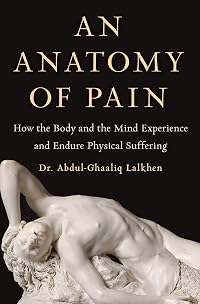
An Anatomy of Pain: How the Body and the Mind Experience and Endure Physical Suffering
by Abdul-Ghaaliq Lalkhen
On This Page
Description
"Written by a medical expert trained as an anesthesiologist, An Anatomy of Pain is the first book to clearly explain the current issues and complexities surrounding the treatment of pain and how society deals with those in pain, as well as how our bodies relate to pain. Common conception still equates pain with tissue damage but that is only a very small part of the story--the organ which produces pain is the brain. Case studies show that a woman who has undergone a c-section reports show more dramatically less pain than a patient who has had kidney stones removed in a similarly invasive operation. The soldier who drags himself or herself to safety after being shot deals with pain in a remarkably different way from someone suffering a similar injury on a street. The truth is that pain is a complex mix of nerve endings, psychological state, social preconceptions, and situational awareness." -- Amazon.com. "An illuminating, authoritative, and in-depth examination of the fascinating science behind pain and the complexities of its treatment--from one of the internationally leading doctors in pain management."--Publisher's description. show lessTags
Recommendations








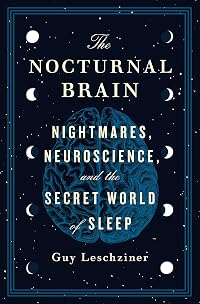


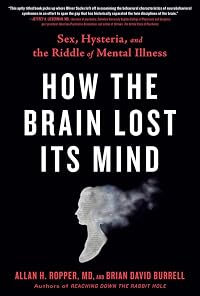




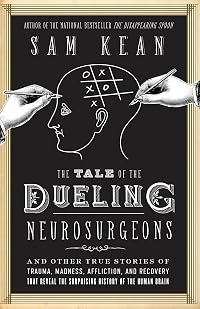

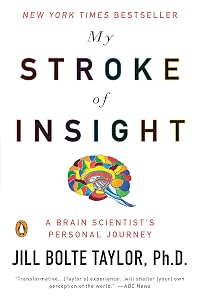





















Member Reviews
More Memoir Than Hard Science. This was a memoir-based look at the field a man has made his career in, what the science he uses is, his thoughts on his field and his practice, and ultimately a bit of a guide on the general issues of the topic at hand. For what it is, it is very well written and easily readable. But those looking for a more "hard science", heavily referenced examination of the topic... won't find that here. But from a perspective of "I've been in this field for decades, and here is what the field is, what I've done in it, and where I think it should go"... yep, this book is exactly that, and a very good general overview of the field from that perspective. Very much recommended.
In the beginning, interesting and illuminating, but 'brief history' chapter got me skimming and looking for (nonexistent!) notes or references. We'll see; I may dnf.
---
Skimming from p. 45 or so. The takeaway seems to be that doctors need to get a better picture of what is causing the patient distress & dysfunction (the pain itself is only symptom, after all), and recommend other things than drugs, needles, and knives... and that patients need to ask all the questions, like for instance how long before this intervention will take effect, how well-proven is this to work, how much will it help, how dangerous is it? Go to a pain management team sooner than later if you can.
---
Also, if the pain is chronic and has no cause, learning to show more function despite it is much preferable to living in fear of it. After all, if you're afraid to move, you'll get weaker, and then you'll actually be vulnerable to injury, which will def. cause pain. Lose weight, stop smoking, exercise, keep your appointments, take drugs as prescribed but don't expect miracles... take charge of your own self-care, don't be a victim.
Platitudes that are hard to hear, much less to obey. I know. I honestly do know. But important.
(neuropathic pain is different and has its own chapter)
Not particularly recommended. I was misled by the cover to think it would be richer, whereas it really could've been a long article. July 2021 show less
---
Skimming from p. 45 or so. The takeaway seems to be that doctors need to get a better picture of what is causing the patient distress & dysfunction (the pain itself is only symptom, after all), and recommend other things than drugs, needles, and knives... and that patients need to ask all the questions, like for instance how long before this intervention will take effect, how well-proven is this to work, how much will it help, how dangerous is it? Go to a pain management team sooner than later if you can.
---
Also, if the pain is chronic and has no cause, learning to show more function despite it is much preferable to living in fear of it. After all, if you're afraid to move, you'll get weaker, and then you'll actually be vulnerable to injury, which will def. cause pain. Lose weight, stop smoking, exercise, keep your appointments, take drugs as prescribed but don't expect miracles... take charge of your own self-care, don't be a victim.
Platitudes that are hard to hear, much less to obey. I know. I honestly do know. But important.
(neuropathic pain is different and has its own chapter)
Not particularly recommended. I was misled by the cover to think it would be richer, whereas it really could've been a long article. July 2021 show less
Loved the science behind pain and how the brain interprets it, but the latter half seems more like an ad for his clinic and their services.
Crucial topic, terrible prose
Ratings
Members
- Recently Added By
Lists

Science: Health & Medical
100 works; 1 member
Author Information
3 Works 71 Members
Common Knowledge
- Canonical title
- An Anatomy of Pain: How the Body and the Mind Experience and Endure Physical Suffering
- Alternate titles
- Pain: The Science of the Feeling Brain
Classifications
- Genres
- Nonfiction, Science & Nature, General Nonfiction
- DDC/MDS
- 616.0472 — Applied science & technology Medicine & health Diseases, Allergies, Skin Conditions Pathology; Diseases; Treatment Genetic and hereditary diseases Symptoms as a problem Pain
- LCC
- RB127 .L276 — Medicine Pathology Pathology Manifestations of disease
- BISAC
Statistics
- Members
- 63
- Popularity
- 492,816
- Reviews
- 4
- Rating
- (3.69)
- Languages
- English
- Media
- Paper, Audiobook
- ISBNs
- 2
- ASINs
- 1