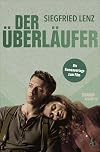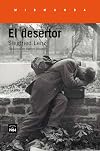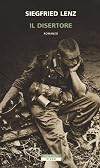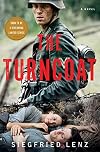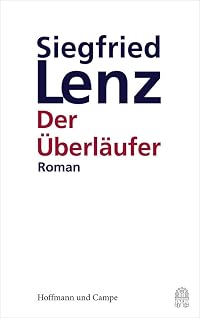
The Turncoat
by Siegfried Lenz
On This Page
Description
"Previously unpublished, this German postwar classic is one of the best books of this major writer, who died in 2014. The last summer before the end of World War II, Walter Proska is posted to a small unit tasked with ensuring the safety of a railway line deep in the forest on the border with Ukraine and Byelorussia. In this swampy region, a handful of men--stunned by the heat, attacked by mosquitoes, and abandoned by their own troops in the face of the resistance--must also submit to the show more increasingly absurd and inhuman orders of their superior. Time passes, and the soldiers isolate themselves, haunted by madness and the desire for death. An encounter with a young Polish partisan, Wanda, makes Proska further doubt the validity of his oath of allegiance, and he seeks to answer the questions that obsess him: When conscience and duty clash, which is more important? Is it possible to take any action without becoming guilty in some way? And where is Wanda, this woman from the resistance he can't forget? Written in 1951, The Turncoat is Siegfried Lenz's second novel. Rejected by his publisher, who thought that the story of a German soldier deciding to join the Red Army would be unwelcome in the context of the Cold War, the manuscript was forgotten for nearly seventy years before being rediscovered after the author's death. A posthumous triumph"-- show lessTags
Recommendations

















Member Reviews
This book is another outstanding example of Siegfried Lenz's genius as an author. What makes it astonishing is that it is in fact his second novel, published 65 years later than what was originally planned, and 2 years after the author's death in 2014. I can highly recommend it. It tells the story of how the brutality and tragedy of war changes lives with reckless disregard for humanity.
Non è un libro semplice. La narrazione di Lenz procede per salti e non sempre offre tutti gli elementi che servono a inquadrare esattamente le situazioni. Tutto voluto naturalmente: già alla sua seconda prova di romanziere Lenz si dimostra scrittore di alto livello. E scrittore che chiede al lettore disponibilità e concentrazione. La storia di Walter Proska, che abbandona la Wehrmacht per unirsi a un gruppo di partigiani, contiene un buon numero di elementi autobiografici ma viene trasfigurata in una meditazione sul senso della guerra, in un racconto nel quale le figure quasi surreali di Proska e dei suoi commilitoni si muovono nell'atmosfera sospesa del rudimentale fortino sulle paludi. Una storia di incredibile poesia che fu show more scritta troppo presto per sperare di poter apparire in una Germania che ancora doveva iniziare il lungo processo di riflessione e metabolizzazione del suo recente passato. show less
Oct 15, 2017Italian
“Er bestaan geen handen waar geen leed aan kleeft, je hebt gehandeld zoals je meende te moeten handelen. Je hebt niet braak gelegen. Je geweten heeft je steeds voorwaarts gedreven. Achter je wordt niets van belang gedaan. Wat essentieel is, gebeurt altijd verder naar voren”.
Er is veel voor te zeggen om dit citaat als belangrijk motief van dit boek te beschouwen. Het verhaal speelt zich af in de nadagen van de tweede wereldoorlog en beschrijft de soms zonderlinge avonturen van de Duitse soldaat Walter Proska.
De wereld van oorlog en dood zoekt de confrontatie met deze eenvoudige soldaat die door een “inslaande” verliefdheid besluit te kiezen voor het leven.
Wat een schrijver was Lenz !!
Er is veel voor te zeggen om dit citaat als belangrijk motief van dit boek te beschouwen. Het verhaal speelt zich af in de nadagen van de tweede wereldoorlog en beschrijft de soms zonderlinge avonturen van de Duitse soldaat Walter Proska.
De wereld van oorlog en dood zoekt de confrontatie met deze eenvoudige soldaat die door een “inslaande” verliefdheid besluit te kiezen voor het leven.
Wat een schrijver was Lenz !!
Oct 16, 2017Dutch
1
Es el último verano de la guerra. El joven soldado Walter Proska es asignado a una pequeña unidad de la Wehrmacht destinada a asegurar una línea de tren en el frente oriental. Ocultos en un bosque, en medio del calor abrasador, desgastados por los constantes ataques de mosquitos y abandonados por sus propias tropas, Proska y sus camaradas se ven sometidos a las órdenes del sargento al mando. Los soldados tratan de aislarse: uno entabla una batalla perdida contra un enorme lucio, otros pierden la cabeza y se abisman en la desesperación y la locura, otro se aficiona a abrazar los árboles para quebrarlos y otro se hace amigo de una gallina. Y Proska empieza a hacerse preguntas, cada vez más acuciantes: ¿Qué es más importante, el show more deber o la conciencia? ¿Quién es el verdadero enemigo? ¿Puede uno actuar sin ser culpable? Y, sobre todo, ¿dónde está Wanda, la partisana polaca que no se le va de la cabeza? show less
Nov 15, 2017Spanish
Novel.la molt descriptiva, tant dels llocs on passa, com dels estats d'ànim dels personatges. En un primer moment se centra en la vida dels soldats alemanys perduts enmig d'una zona pantanosa, sense cap esperança de sobreviure. En una segona part trobem al protagonista Walter Proska a l'altre costat dels combatents amb la mateixa desesperança. La vida en temps de guerra és trista i depriment i és igual de quin costat estiguis, el poble sempre sofrirà les consequències de les decisions dels més poderosos.
Jun 5, 2019Catalan
Der Verlag hatte eindeutig einen Grund, dieses zweite Manuskript des berühmten Autors ursprünglich nicht verlegen zu wollen. Um die gewollte Aussage des Stoffes zu erreichen, wurden einzelne Handlungen bis zur Unlogik konstruiert. Die Sprache dieses Frühwerkes wirkt zäh klebrig, mühsam versucht sich Wort um Wort zum Satz zu reihen, um literarische Qualität bemüht, wobei dieses Bemühen dem Leser nur allzu deutlich wird. Ich habe dieses Buch gelesen, weil ich es lesen wollte, werde es jedoch kein zweites Mal zur Hand nehmen. Zwei Sterne aus Verneigung vor den späteren Werken von Siegfried Lenz.
Mar 27, 2019German
Ratings
Members
- Recently Added By
Lists

THE WAR ROOM
813 works; 24 members
Author Information

Siegfried Lenz was born in Lyck, East Prussia on March 17, 1926. He was drafted into Nazi Germany's navy toward the end of World War II and deserted in its final days. After the war, he studied philosophy, English and literature at Hamburg University, but he left to work at the German newspaper Die Welt. He was a reporter and newspaper editor in show more the 1950s and ran election campaigns in the 1960s and 1970s. Starting in 1951, he wrote dozens of novels, short stories and children's books. His works include The Heritage, The German Lesson, and The Selected Stories of Siegfried Lenz, which won a Thomas Mann Prize. In 1988, he won the Peace Prize of the German Book Trade. He died on October 7, 2014 at the age of 88. (Bowker Author Biography) show less
Awards and Honors
Distinctions
Series
Belongs to Publisher Series
Common Knowledge
- Canonical title
- The Turncoat
- Original title
- Der Überläufer
- Original publication date
- 2016
- People/Characters*
- Walter Proska
- Important places*
- Deutschland
- Important events*
- Zweiter Weltkrieg
- First words*
- Niemand öffnete die Tür.
- Last words*
- (Click to show. Warning: May contain spoilers.)"Nicht zustellbar. Empfänger unbekannt verzogen."
- Original language*
- Deutsch
*Some information comes from Common Knowledge in other languages. Click "Edit" for more information.
Classifications
- Genres
- Fiction and Literature, General Fiction, Historical Fiction
- DDC/MDS
- 833.914 — Literature & rhetoric German & related literatures German fiction 1900- 1900-1990 1945-1990
- LCC
- PT2623 .E583 .U35 — Language and Literature German, Dutch and Scandinavian literatures German literature Individual authors or works 1860/70-1960
- BISAC
Statistics
- Members
- 138
- Popularity
- 236,995
- Reviews
- 6
- Rating
- (3.71)
- Languages
- 9 — Catalan, Danish, Dutch, English, French, German, Italian, Polish, Spanish
- Media
- Paper, Audiobook, Ebook
- ISBNs
- 22
- ASINs
- 5