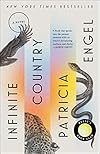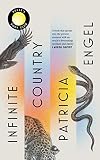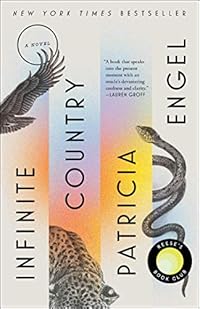
Infinite Country
by Patricia Engel
On This Page
Description
Moving their family to what they believe will be a safer but temporary home in Houston, two young parents are forced to choose between an undocumented status in America and returning to the violence of war-torn Bogotá.Tags
Recommendations

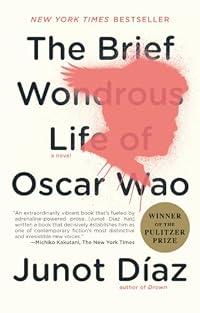
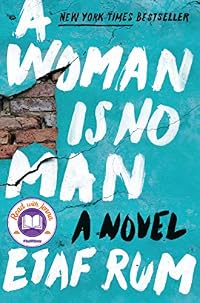
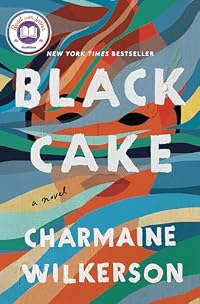
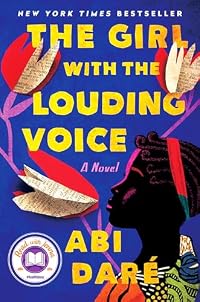

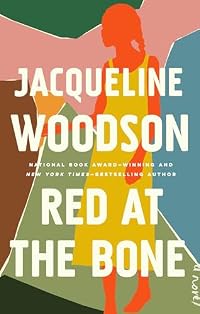
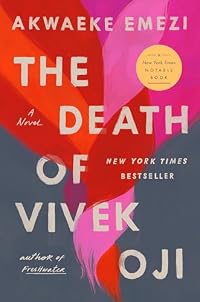

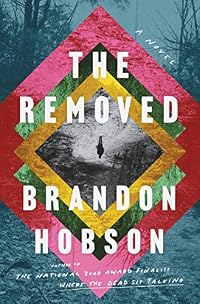
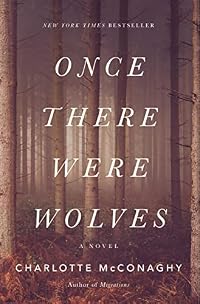






Member Recommendations


Member Reviews
Infinite Country is an exploration of the impact of immigration law on one family. Elena, Mauro, and their daughter Karina go to the U.S. on a tourist visa and make the difficult decision to stay past its expiration.
In the U.S., others might consider them poor, but they make enough money to support themselves and to support Elena's grandmother Perla, who still lives in Bogotá. Without the money sent by Elena and Mauro, Perla wouldn't be able to support herself with the small amounts she earns at the lavandería that occupies the front part of her aging home. And Perla, like that home, is aging. As less and less business comes to the lavandería, she finds herself increasing unable to work, accelerating her financial instability. The show more U.S. also offers some safety from the ongoing civil war in Columbia.
The U.S. has its threats too, particularly hatred of immigrants and the easy availability of guns, but on the whole it seems an improvement over their old lives.
In the U.S. Elena bears two more children—Nando and Talia—who, unlike the rest of the family, have American citizenship. Mauro's undocumented immigration status, revealed when police question him because he's fallen asleep in his car, means he's flown back to Columbia—and is even less likely than he was before to be able to immigrate legally to the U.S. Elena has to find work to support herself, her children, and her mother in Bogotá, which exposes her to financial and physical abuse.
The first part of the narrative is primarily delivered by an omniscient narrator with little dialogue, so we're told about the family's situation, but can also hold it at a distance. This changes in the second half of the book when all three children become the narrators of chapters.
Patricia Engel does a brilliant job of depicting the children's different perspectives. All are concerned about the integrity of their family, and all those in the U.S. face racism. Karina has the extra burden of being undocumented; Nando has citizenship, but has had it made clear repeatedly that he is not a "real" American; and Talia, also a U.S. citizen, who was sent back to Columbia to care for her now departed grandmother is preparing to return to the U.S. after years away.
Sharing this family's journeys, especially when we begin to receive some of them in first person, is a heart-wrenching business of unending precarity. Infinite Country makes it clear why the U.S. is seen as a place of hope for so many and how that hope is repeatedly challenged by immigration laws that don't value family stability.
I received a free electronic copy of this title from the publisher via EdelweissPlus; the opinions are my own. show less
In the U.S., others might consider them poor, but they make enough money to support themselves and to support Elena's grandmother Perla, who still lives in Bogotá. Without the money sent by Elena and Mauro, Perla wouldn't be able to support herself with the small amounts she earns at the lavandería that occupies the front part of her aging home. And Perla, like that home, is aging. As less and less business comes to the lavandería, she finds herself increasing unable to work, accelerating her financial instability. The show more U.S. also offers some safety from the ongoing civil war in Columbia.
The U.S. has its threats too, particularly hatred of immigrants and the easy availability of guns, but on the whole it seems an improvement over their old lives.
In the U.S. Elena bears two more children—Nando and Talia—who, unlike the rest of the family, have American citizenship. Mauro's undocumented immigration status, revealed when police question him because he's fallen asleep in his car, means he's flown back to Columbia—and is even less likely than he was before to be able to immigrate legally to the U.S. Elena has to find work to support herself, her children, and her mother in Bogotá, which exposes her to financial and physical abuse.
The first part of the narrative is primarily delivered by an omniscient narrator with little dialogue, so we're told about the family's situation, but can also hold it at a distance. This changes in the second half of the book when all three children become the narrators of chapters.
Patricia Engel does a brilliant job of depicting the children's different perspectives. All are concerned about the integrity of their family, and all those in the U.S. face racism. Karina has the extra burden of being undocumented; Nando has citizenship, but has had it made clear repeatedly that he is not a "real" American; and Talia, also a U.S. citizen, who was sent back to Columbia to care for her now departed grandmother is preparing to return to the U.S. after years away.
Sharing this family's journeys, especially when we begin to receive some of them in first person, is a heart-wrenching business of unending precarity. Infinite Country makes it clear why the U.S. is seen as a place of hope for so many and how that hope is repeatedly challenged by immigration laws that don't value family stability.
I received a free electronic copy of this title from the publisher via EdelweissPlus; the opinions are my own. show less
Leaving is a kind of death~ from Infinite Country by Patricia Engel
In exquisite writing and storytelling, Infinite Country explores love that transcends borders and separation, the bifurcated identity of those who have left their homeland for new countries, the longing and sorrow of family separation, and the myth of American Dream.
Award-winning author Patricia Engel's moving story elicits compassion and an awareness that there are no safe havens except in a family's love.
People say drugs and alcohol are the greatest and most persuasive narcotics--the elements most likely to ruin a life. They're wrong. It's love.~from Infinite Country by Patricia Engel
In Bogota, during a violent time in Columbia, teenagers Mauro and Elena fall in show more love. They have a child and move to the United States hoping for a better life. When Mauro is arrested and deported, Elena decides to stay in America with Talia, born in Colombia, and their American born son and daughter. When she finds she cannot work with the newborn girl, she sends Talia back to her mother and husband to raise in Bogota. Years pass with the family separated, growing apart.
What was it about this country that kept us hostage to its fantasy? The previous month, on its own soil, an American man went to his job at a plant and gunned down fourteen coworkers, and last spring along there were four different school shootings. A nation at war with itself, yet people still spoke of it as some kind of paradise.~from Infinite Country by Patricia Engel
The American children feel alien in an America that fears and diminishes Latinos, living in overcrowded apartments filled with illegals, targeted with hate, their mother abused by bosses. They do not see America as a haven and envy their sister in Columbia, living with their father.
But every nation in the Americas had a hidden history of internal violence. It just wore different masks, carried different weapons, and justified itself with different stories.~from Infinite Country by Patricia Engel
Talia, loves her grandmother and father, but longs to know her mother and siblings. Mauro tells Talia the stories and myths of their Andean people about the jaguar, the boa constrictor, the condor, the creation story he was told, including the lesson "we're all migrants here on earth."
When Talia sees a vicious act and reacts rashly, she is arrested and, only age fifteen, is sent to a school in the mountains for six months. She escapes and must find her way across the mountains to her father and an airline ticket to her birthplace--America.
This is a story with a happy ending. The journey is fraught and long and difficult. Each person must forgive and hold on to the one place they belong: in each other's loving arms.
That night I thought about how love comes paired with failure, apologies for deficiencies. The only remedy is compassion.~from Infinite Country by Patricia Engel
I love this novel. The gorgeous writing, the way tears welled when I felt the loneliness of people losing connection without losing their love and commitment. The beauty of the Colombian land.
One night Elena dreamed they were back on the roof of Perla's house. She stood with Maruo and the three children under the aluminium sky, gossamer clouds pushed to the mountain crests, the church of Monserrate like a merengue atop its peak. In her dreams, they'd never left their land. ~ from Infinite Country by Patricia Engel
Americans must face the depicted reality of our prejudice and laws, the way we dehumanize immigrants. How we are not better than countries we consider less free.
This is a small book in size, but large in heart and vision, a stunning gem of a read.
I received a book from the publisher through a Goodreads giveaway in exchange for a fair and unbiased review. show less
In exquisite writing and storytelling, Infinite Country explores love that transcends borders and separation, the bifurcated identity of those who have left their homeland for new countries, the longing and sorrow of family separation, and the myth of American Dream.
Award-winning author Patricia Engel's moving story elicits compassion and an awareness that there are no safe havens except in a family's love.
People say drugs and alcohol are the greatest and most persuasive narcotics--the elements most likely to ruin a life. They're wrong. It's love.~from Infinite Country by Patricia Engel
In Bogota, during a violent time in Columbia, teenagers Mauro and Elena fall in show more love. They have a child and move to the United States hoping for a better life. When Mauro is arrested and deported, Elena decides to stay in America with Talia, born in Colombia, and their American born son and daughter. When she finds she cannot work with the newborn girl, she sends Talia back to her mother and husband to raise in Bogota. Years pass with the family separated, growing apart.
What was it about this country that kept us hostage to its fantasy? The previous month, on its own soil, an American man went to his job at a plant and gunned down fourteen coworkers, and last spring along there were four different school shootings. A nation at war with itself, yet people still spoke of it as some kind of paradise.~from Infinite Country by Patricia Engel
The American children feel alien in an America that fears and diminishes Latinos, living in overcrowded apartments filled with illegals, targeted with hate, their mother abused by bosses. They do not see America as a haven and envy their sister in Columbia, living with their father.
But every nation in the Americas had a hidden history of internal violence. It just wore different masks, carried different weapons, and justified itself with different stories.~from Infinite Country by Patricia Engel
Talia, loves her grandmother and father, but longs to know her mother and siblings. Mauro tells Talia the stories and myths of their Andean people about the jaguar, the boa constrictor, the condor, the creation story he was told, including the lesson "we're all migrants here on earth."
When Talia sees a vicious act and reacts rashly, she is arrested and, only age fifteen, is sent to a school in the mountains for six months. She escapes and must find her way across the mountains to her father and an airline ticket to her birthplace--America.
This is a story with a happy ending. The journey is fraught and long and difficult. Each person must forgive and hold on to the one place they belong: in each other's loving arms.
That night I thought about how love comes paired with failure, apologies for deficiencies. The only remedy is compassion.~from Infinite Country by Patricia Engel
I love this novel. The gorgeous writing, the way tears welled when I felt the loneliness of people losing connection without losing their love and commitment. The beauty of the Colombian land.
One night Elena dreamed they were back on the roof of Perla's house. She stood with Maruo and the three children under the aluminium sky, gossamer clouds pushed to the mountain crests, the church of Monserrate like a merengue atop its peak. In her dreams, they'd never left their land. ~ from Infinite Country by Patricia Engel
Americans must face the depicted reality of our prejudice and laws, the way we dehumanize immigrants. How we are not better than countries we consider less free.
This is a small book in size, but large in heart and vision, a stunning gem of a read.
I received a book from the publisher through a Goodreads giveaway in exchange for a fair and unbiased review. show less
Books hold tremendous power. They have the power to provide a lens, transform, but most importantly they open doors to new conversations to answer questions we cannot on our own. For a book to truly have impact, it should do two things: fill you with compassion and leave you with questions.
Infinite Country was one of these books for me that will have me in conversation for a while. There were so many themes to unpack and explore.
After hearing the author say in an interview that "Immigration is about family" it has caused me to reflect deeply. The aspect of family resonated with me, especially when I think about it in conjunction with the concept of love as opposed to sacrifice. How do you stay grounded in family in spaces that view show more you as foreign and dangerous? How do you protect family in a new, unknown space while maintaining a sense of home and tradition? How do you keep home at the center when you are separated by borders? How do you fight for your own survival in the midst of family obligation? How do you love amidst uncertainty.
Community was another aspect that resonated with me. It reminded me that home and family are always carried in the heart. Borders don't change that. You find family and community in spaces where the focus is on the collective and people join together to help each other and make the best out of difficult circumstances. How do you build community without unique voices contributing to the narrative? How do you gain perspective about a different experience without exploring all angles? This was my favorite aspect of Engel's writing. Each character contributed to the family's story. We get to see the individual motivation, their challenges and the molding of each identity within the family dynamic.
But even more beautiful to me were the conversations and reactions that transpired outside of the pages. Watching Iris moved to tears as she talked about family with the author made me feel every emotion. Listening to Laura and Mari talk about being advocates for their family as children helped to solidify the idea that family is essentially love. Listening to Erica talk about how reading this helped her understand her husband's family and their journey more deeply made me emotional. Knowing that Aimee cried like I did showed me the power of allowing ourselves to be vulnerable and experience true emotion together.
Infinite Country was a beautiful book in that it will help me see what is most important. It impacted me and moved me to go beyond the pages and seek out community and share reflections and emotions with others. It also made me think about how many other stories are out there that need to be told. How we experience stories is unique. How stories bring us together is healing. show less
Infinite Country was one of these books for me that will have me in conversation for a while. There were so many themes to unpack and explore.
After hearing the author say in an interview that "Immigration is about family" it has caused me to reflect deeply. The aspect of family resonated with me, especially when I think about it in conjunction with the concept of love as opposed to sacrifice. How do you stay grounded in family in spaces that view show more you as foreign and dangerous? How do you protect family in a new, unknown space while maintaining a sense of home and tradition? How do you keep home at the center when you are separated by borders? How do you fight for your own survival in the midst of family obligation? How do you love amidst uncertainty.
Community was another aspect that resonated with me. It reminded me that home and family are always carried in the heart. Borders don't change that. You find family and community in spaces where the focus is on the collective and people join together to help each other and make the best out of difficult circumstances. How do you build community without unique voices contributing to the narrative? How do you gain perspective about a different experience without exploring all angles? This was my favorite aspect of Engel's writing. Each character contributed to the family's story. We get to see the individual motivation, their challenges and the molding of each identity within the family dynamic.
But even more beautiful to me were the conversations and reactions that transpired outside of the pages. Watching Iris moved to tears as she talked about family with the author made me feel every emotion. Listening to Laura and Mari talk about being advocates for their family as children helped to solidify the idea that family is essentially love. Listening to Erica talk about how reading this helped her understand her husband's family and their journey more deeply made me emotional. Knowing that Aimee cried like I did showed me the power of allowing ourselves to be vulnerable and experience true emotion together.
Infinite Country was a beautiful book in that it will help me see what is most important. It impacted me and moved me to go beyond the pages and seek out community and share reflections and emotions with others. It also made me think about how many other stories are out there that need to be told. How we experience stories is unique. How stories bring us together is healing. show less
Very much about traumas of separation and identity, and some other traumas as well, but not so overdone or preachy or any of the other 'best-seller' traps authors fall into. There were some constructions I didn't love, but I'm glad I read it and will be loaning it to people who have struggles finding their empathy bridge.
A truly human face on the issue of undocumented immigrants. Told with a couple narrative threads, this is as much about the journey as the destination and all the hopes that bridge that gap, as well as what it means to live in-between. The origin country is Colombia, and coincidentally I'm also in the middle of Missionaries by Philip Klay which gives a pretty horrifying account of why people might want to leave. Mauro and Elena and their daughter, procure visas and head to the US to try to earn money to support Elena's mother Perla in Bogota. She has a lavenderia that is struggling as people shift to having their own machines. They settle in TX, move East with opportunity, and due to a pregnancy, overstay their visas, living between the show more cracks and in constant fear of discovery. They have two more children in the US, Nando and Talia, and just after Talia is born, Mauro is deported. Elena struggles to stay, support the children on her own, find ways to be undetected...but the infant makes it more challenging than ever, so Talia is sent home to be raised by her grandmother. Mauro has come under the influence of alcohol, so isn't around much to help. Flash forward 15 years, and Elena and two kids are still in NJ, and Mauro and Talia are still in Colombia; Perla has died, Mauro has gotten sober, and Talia has been sent to reform school for a crime of justice. Knowing she literally has a plane ticket waiting for her, she escapes her detention center, makes her way to Bogota, and hopes to complete her journey in the US. The reality and challenge for the whole family is: Nando and Talia are US citizens; Elena and Karina are illegal; Mauro is blacklisted from returning. So many what ifs and conditional situations determine their fate. Not to mention that the children in each country hardly know their parents from the other after so long apart. Heartbreaking but hopeful, this story is rich in culture and context, and empathy for an issue that has no easy solutions and demands to be addressed with the dignity due humanity. show less
“And maybe there is no nation or citizenry; they’re just territories mapped in place of family, in place of love, the infinite country.” (191)
...
This is a story of myth, of legend. It’s actually several stories that move between borders and across countries through oral tradition and documenting experiences. It’s a collection of stories about love and the sacrifices we make for those we love; it’s about atonement and what we’re willing to do to feel worthy; it’s about belonging and the journey we take to find home. I love the journey of this family—a beautiful mosaic of snapshots pieced together from their individual experiences. In an ebb and flow between two countries and between different time periods, the full show more picture of this family emerges. And it’s a beautiful picture.
I loved getting to know each member of this family, and while I really love how each member of the family offers a slightly different perspective of the immigrant experience, Mauro and Talia, the two who stay in Columbia for fifteen years, are my favorites. From the beginning, my heart ached for Mauro, abandoned and neglected from an early age. His struggle for something better than what he’d been given but doesn’t feel he deserves had me rooting for him and his American dream early on. I love his love for Elena and his family and the work he goes through battling his demons of alcoholism and abandonment in order to be the man his family deserves. I love Talia and her strength and compassion. She is fierce and loyal, which is apparent in her caring for her dying grandmother and her trek across Columbia after her escape from a girl’s prison. I also really love the relationship she has with her father and how she rescues her father even while she’s just a baby.
Mostly, what I love about this book is that it is a story of a family, a family who endures and sacrifices in order to be together—no matter the cost. show less
...
This is a story of myth, of legend. It’s actually several stories that move between borders and across countries through oral tradition and documenting experiences. It’s a collection of stories about love and the sacrifices we make for those we love; it’s about atonement and what we’re willing to do to feel worthy; it’s about belonging and the journey we take to find home. I love the journey of this family—a beautiful mosaic of snapshots pieced together from their individual experiences. In an ebb and flow between two countries and between different time periods, the full show more picture of this family emerges. And it’s a beautiful picture.
I loved getting to know each member of this family, and while I really love how each member of the family offers a slightly different perspective of the immigrant experience, Mauro and Talia, the two who stay in Columbia for fifteen years, are my favorites. From the beginning, my heart ached for Mauro, abandoned and neglected from an early age. His struggle for something better than what he’d been given but doesn’t feel he deserves had me rooting for him and his American dream early on. I love his love for Elena and his family and the work he goes through battling his demons of alcoholism and abandonment in order to be the man his family deserves. I love Talia and her strength and compassion. She is fierce and loyal, which is apparent in her caring for her dying grandmother and her trek across Columbia after her escape from a girl’s prison. I also really love the relationship she has with her father and how she rescues her father even while she’s just a baby.
Mostly, what I love about this book is that it is a story of a family, a family who endures and sacrifices in order to be together—no matter the cost. show less
At the dawn of the new millennium, Colombia is a country devastated by half a century of violence. Elena and Mauro are teenagers when they meet, their blooming love an antidote to the mounting brutality of life in Bogotá. Once their first daughter is born, and facing grim economic prospects, they set their sights on the United States.
They travel to Houston and send wages back to Elena’s mother, all the while weighing whether to risk overstaying their tourist visas or to return to Bogotá. As their family expands, and they move again and again, their decision to ignore their exit dates plunges the young family into the precariousness of undocumented status, the threat of discovery menacing a life already strained. When Mauro is show more deported, Elena, now tasked with caring for their three small children, makes a difficult choice that will ease her burdens but splinter the family even further.
Award-winning, internationally acclaimed author Patricia Engel, herself the daughter of Colombian immigrants and a dual citizen, gives voice to Mauro and Elena, as well as their children, Karina, Nando, and Talia—each one navigating a divided existence, weighing their allegiance to the past, the future, to one another, and to themselves. Rich with Bogotá urban life, steeped in Andean myth, and tense with the daily reality for the undocumented in America, Infinite Country is the story of two countries and one mixed-status family—for whom every triumph is stitched with regret and every dream pursued bears the weight of a dream deferred. show less
They travel to Houston and send wages back to Elena’s mother, all the while weighing whether to risk overstaying their tourist visas or to return to Bogotá. As their family expands, and they move again and again, their decision to ignore their exit dates plunges the young family into the precariousness of undocumented status, the threat of discovery menacing a life already strained. When Mauro is show more deported, Elena, now tasked with caring for their three small children, makes a difficult choice that will ease her burdens but splinter the family even further.
Award-winning, internationally acclaimed author Patricia Engel, herself the daughter of Colombian immigrants and a dual citizen, gives voice to Mauro and Elena, as well as their children, Karina, Nando, and Talia—each one navigating a divided existence, weighing their allegiance to the past, the future, to one another, and to themselves. Rich with Bogotá urban life, steeped in Andean myth, and tense with the daily reality for the undocumented in America, Infinite Country is the story of two countries and one mixed-status family—for whom every triumph is stitched with regret and every dream pursued bears the weight of a dream deferred. show less
Members
- Recently Added By
Published Reviews
ThingScore 75
The prose is serpentine and exciting as it takes the scenic route to nowhere. There is a compliment in that. Her writing sets out to be majestic, and it is, like an overflowing soufflé.
The most unforgettable scenes in the novel are the intimate and meticulously rendered descriptions of Andean landscapes and mythology, of Colombia’s long history of violence. Engel’s capacity to dive deep show more into history and folklore extends also into her narration of the life of Talia’s father and the family patriarch, Mauro.
The novel captures the romance of the immigrants’ first days in America with a visceral tenderness. Their skin darkens in the Texan sun. They see the ocean for the first time. I feel sorry for their lost youth, then angry at their gullibility.
This is a compulsively readable novel that will make you feel the oxytocin of comfort and delusion.
The ending reads like child-of-immigrant fan fiction. I’d hire Engel to ghostwrite my nightmares. show less
The most unforgettable scenes in the novel are the intimate and meticulously rendered descriptions of Andean landscapes and mythology, of Colombia’s long history of violence. Engel’s capacity to dive deep show more into history and folklore extends also into her narration of the life of Talia’s father and the family patriarch, Mauro.
The novel captures the romance of the immigrants’ first days in America with a visceral tenderness. Their skin darkens in the Texan sun. They see the ocean for the first time. I feel sorry for their lost youth, then angry at their gullibility.
This is a compulsively readable novel that will make you feel the oxytocin of comfort and delusion.
The ending reads like child-of-immigrant fan fiction. I’d hire Engel to ghostwrite my nightmares. show less
added by VivienneR
Patricia Engel’s novels don’t begin so much as they crack open. Consider the first line of the Miami writer’s 2010 debut, “Vida”: “It was the year my uncle got arrested for killing his wife, and our family was the subject of all the town gossip.” The start of 2016’s “The Veins of the Ocean” presents a man, maddened by his wife’s infidelity, who takes their toddler son to show more a bridge, lifts the boy “as high in the sky as he’d go” and throws him into Biscayne Bay. The child survives. The father is dead by the third page.
“Infinite Country,” Engel’s latest novel, leads with another surprising act of violence. At a reformatory in the Colombian mountains, a group of girls, “some of whom were murderers on the verge,” lure a nun into their room with cries of “Fire!,” subdue her and escape. The mastermind of this plot is 15-year-old Talia, an American born to Colombian immigrants and sentenced to the prison school after she burned a man in Bogotá with hot oil as revenge for a murdered cat.
A gifted storyteller whose writing shines even in the darkest corners, Engel understands that the threat of violence is a constant in people’s lives and that emotional acts of abuse can be as harmful as physical ones. In “Infinite Country,” she focuses on the psychological injury that results when families are “split as if by an ax” for political or economic reasons.
“Infinite Country” falters only when, late in the book, Engel hands over the narration to Karina and Nando in a well-intentioned if discordant gesture to bring these previously unexamined characters into the foreground. The siblings — one an American citizen, the other undocumented — have important things to say about what Karina calls “the United States of Diasporica,” but the shift in perspective and a surprise twist deflate what had been airtight storytelling.
It’s not a fatal error. Engel brings the story of Elena and Mauro, and that of Talia’s quest for freedom, to a satisfying close. And in literature, as in life, the question of citizenship, of what it means to belong to a country and to have a country belong to you, remains unresolved. “I haven’t yet figured out if by the place of my birth I was betrayed or I am the betrayer,” Karina says, “or why this particular nation and not some other should be our family pendulum.” show less
“Infinite Country,” Engel’s latest novel, leads with another surprising act of violence. At a reformatory in the Colombian mountains, a group of girls, “some of whom were murderers on the verge,” lure a nun into their room with cries of “Fire!,” subdue her and escape. The mastermind of this plot is 15-year-old Talia, an American born to Colombian immigrants and sentenced to the prison school after she burned a man in Bogotá with hot oil as revenge for a murdered cat.
A gifted storyteller whose writing shines even in the darkest corners, Engel understands that the threat of violence is a constant in people’s lives and that emotional acts of abuse can be as harmful as physical ones. In “Infinite Country,” she focuses on the psychological injury that results when families are “split as if by an ax” for political or economic reasons.
“Infinite Country” falters only when, late in the book, Engel hands over the narration to Karina and Nando in a well-intentioned if discordant gesture to bring these previously unexamined characters into the foreground. The siblings — one an American citizen, the other undocumented — have important things to say about what Karina calls “the United States of Diasporica,” but the shift in perspective and a surprise twist deflate what had been airtight storytelling.
It’s not a fatal error. Engel brings the story of Elena and Mauro, and that of Talia’s quest for freedom, to a satisfying close. And in literature, as in life, the question of citizenship, of what it means to belong to a country and to have a country belong to you, remains unresolved. “I haven’t yet figured out if by the place of my birth I was betrayed or I am the betrayer,” Karina says, “or why this particular nation and not some other should be our family pendulum.” show less
added by VivienneR
Lists

Anticipated 2021 Reads
231 works; 7 members

Books Read in 2023
5,547 works; 145 members

Library ebooks and electronic audio books
52 works; 1 member

World Books
51 works; 4 members

Books Read in 2021
5,361 works; 114 members

Book of the Month Selections 2016 to Present
130 works; 5 members

Reese Witherspoon Book Club
100 works; 3 members

Reese's Book Club
122 works; 2 members
Author Information

6+ Works 1,383 Members
Some Editions
Awards and Honors
Common Knowledge
- Canonical title
- Infinite Country
- Original publication date
- 2021-03-02
- People/Characters
- Talia; Mauro; Elena; Karina; Fernando "Nando"; Perla (show all 7); Aguja
- Important places
- Bogotá, Colombia; Houston, Texas, USA; Delaware, USA; New Jersey, USA
- Epigraph
- Mi patria es la tierra.
---Arturo Salcedo Martinez, Sentido de Patria
Diasporism is my mode.
---R. B. Kitaj, First Diasporist Manifesto - Dedication
- For my parents and my brother
- First words
- It was her idea to tie up the nun.
- Quotations
- Talia considered how people who do horrible things can be victims, and how victims can be people who do horrible things.
Only women knew the strength it took to love men through their evolution to who they thought they were supposed to be.
Real love, her mother once told her, was proven only by endurance.
During the.years Elena and Mauro contemplated staying in the country and the threat of being caught and sent back, they thought only of their lives lived here or lived there, not a fractured in-between. It never occurred to t... (show all)hem their family could be split as if by an ax.
It had been Mauro's idea to leave. Elena only followed.
How odd that in the end it was he who returned home and she who stayed.
Their separation was involuntary. But time and borders did more to distance them than any divorce or widowing could.
When you leave one country for another, no one tells you years will bleed together like rain on newsprint.
Another word I hate: minority. A way to imply we're out-numbered (we're not), and suggest we are less than.
Karina and Talia, binational, each born in one country and raised in another like repotted flowers, creatures forced to live in the wrong habitat.
Lies often accompany longing. - Last words
- (Click to show. Warning: May contain spoilers.)And maybe there is no nation or citizenry; they're just territories mapped in place of family, in place of love, the infinite country.
- Blurbers
- Groff, Lauren; Mengiste, Maaza; Clement, Jennifer; De Robertis, Carolina; Novey, Idra; Nayeri, Dina (show all 9); Kwon, R. O.; Urrea, Luis Alberto; Ko, Lisa
Classifications
Statistics
- Members
- 905
- Popularity
- 29,518
- Reviews
- 37
- Rating
- (3.89)
- Languages
- Dutch, English, Italian
- Media
- Paper, Audiobook, Ebook
- ISBNs
- 17
- ASINs
- 4