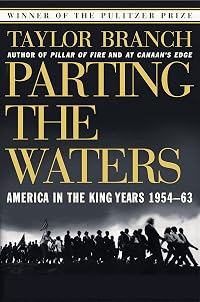
On This Page
Description
Chronicles the civil rights struggle from the twilight of the Eisenhower years through the assassination of President Kennedy.Tags
Recommendations
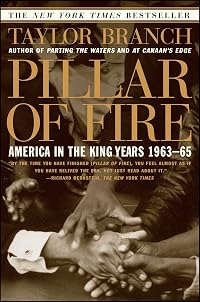
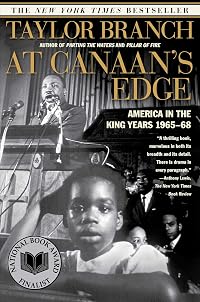
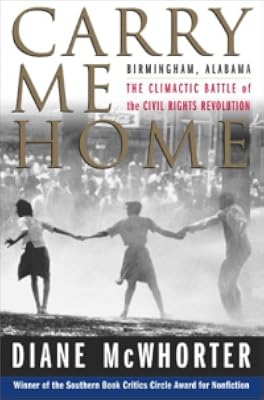
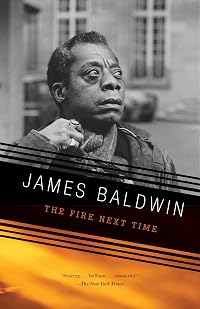
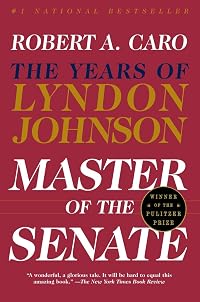
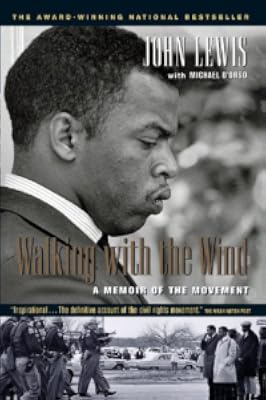


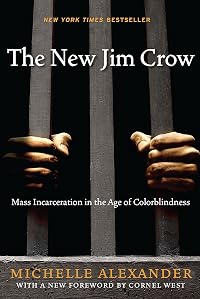
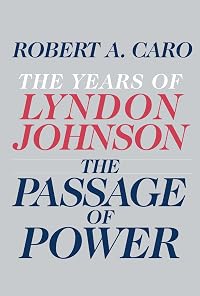
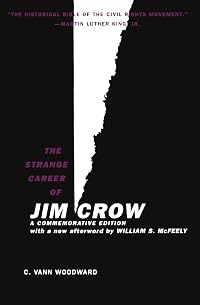
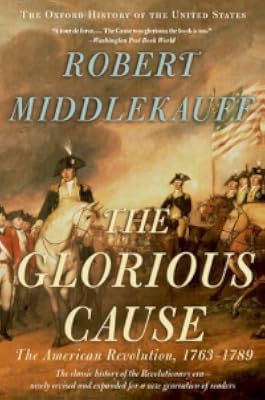


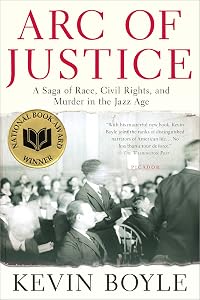

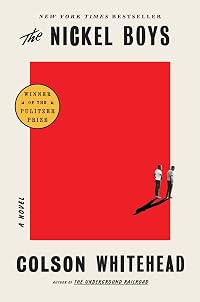
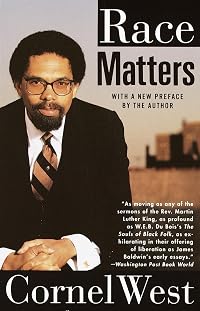


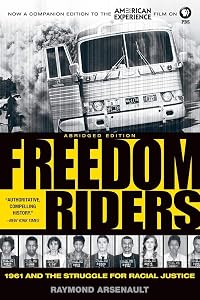

Member Recommendations
eromsted The best study of the Civil Rights Movement in Mississippi.
Member Reviews
Taylor Branch makes the life of Dr. Martin Luther King, Jr. the primary focus of this first volume,
while he illuminates the faith and strength of the many brave, daring, and controversial men and women who supported,
inspired and sustained him. That Dr. King did not always do the same for them is an example of the author's extensive
research, sparing no one, Black or White, male or female, rich or poor, Baptist or Atheist, radical or conservative - from the Kennedys to King -
to examine
fault lines, evil, and greatness.
From Vernon Johns and Stanley Levison to Robert Moses, Bayard Rustin, and John Lewis, all are heroes!
Taylor Branch moves with understated eloquence and honesty as he relates how kids were risking their lives
in pursuit of show more FREEDOM while their rich religious elders and the liberal establishment in Washington created
a violent farce for white racists to gloat over. They could continue to murder, then sue the survivors for creating a disturbance.
Questions: Did MLK ever help those men he was imprisoned with? He gave them a promise.
Why did Eisenhower do so little to help?
and, most important, would Dr. King have sent his own children out to face the deadly hoses and the snarling dogs?
The "Children's March" that saved The South could so easily have turned into the Bull Connor/George Wallace Children's Massacre.
Would King and the other pacifist leaders have confronted the men who sent that little girl rolling down the street?
How did the rich northern Baptist churches justify themselves when so many African Americans in the South
faced lives of near-starvation, poverty, and no schools, doctors, or hospitals?
The author 'parts the waters' is so many ways, revealing the lame and dangerous excuses the Kennedys offered for their refusals
to send in the desperately needed federal forces to end and prevent the violence and murders of those merely seeking to register to vote.
Where was the promised "Voter Protection?!?"
And why did the Baptist leaders waste so much time and money on ridiculous confrontations
like the Taylor Preacher fracas? Again, Taylor Branch spares no fools.
What could be improved are the confusingly marked photographs, notably the first set. show less
while he illuminates the faith and strength of the many brave, daring, and controversial men and women who supported,
inspired and sustained him. That Dr. King did not always do the same for them is an example of the author's extensive
research, sparing no one, Black or White, male or female, rich or poor, Baptist or Atheist, radical or conservative - from the Kennedys to King -
to examine
fault lines, evil, and greatness.
From Vernon Johns and Stanley Levison to Robert Moses, Bayard Rustin, and John Lewis, all are heroes!
Taylor Branch moves with understated eloquence and honesty as he relates how kids were risking their lives
in pursuit of show more FREEDOM while their rich religious elders and the liberal establishment in Washington created
a violent farce for white racists to gloat over. They could continue to murder, then sue the survivors for creating a disturbance.
Questions: Did MLK ever help those men he was imprisoned with? He gave them a promise.
Why did Eisenhower do so little to help?
and, most important, would Dr. King have sent his own children out to face the deadly hoses and the snarling dogs?
The "Children's March" that saved The South could so easily have turned into the Bull Connor/George Wallace Children's Massacre.
Would King and the other pacifist leaders have confronted the men who sent that little girl rolling down the street?
How did the rich northern Baptist churches justify themselves when so many African Americans in the South
faced lives of near-starvation, poverty, and no schools, doctors, or hospitals?
The author 'parts the waters' is so many ways, revealing the lame and dangerous excuses the Kennedys offered for their refusals
to send in the desperately needed federal forces to end and prevent the violence and murders of those merely seeking to register to vote.
Where was the promised "Voter Protection?!?"
And why did the Baptist leaders waste so much time and money on ridiculous confrontations
like the Taylor Preacher fracas? Again, Taylor Branch spares no fools.
What could be improved are the confusingly marked photographs, notably the first set. show less
A monumental work in scope, research and importance. Although Martin Luther King, Jr. is the central figure, the book isn't exactly a biography of MLK, it's more a biography of a movement that changed the United States and became an inspiration for many other social movements. The work and sacrifices of hundreds of people is chronicled within this book, which can be a little daunting especially when you consider that at over 900 pages of text and another 150 or so of notes, references and the index, this is only the first book in a trilogy. Lucky for us, the writing is clear and the stories of the struggle are filled with drama, poignancy, and political gamesmanship.
Although incredible gains have been made in the 70 years since the time show more this book covers, this book still resonates as many of the issues still exist. Black people are incarcerated more easily and more subject to police violence, voting rights are being attacked and, in general, the administration currently seems to agree with many that somehow civil rights went too far.
In terms of the book, my only complaint is that the chapters are too long. I wish the author could have figured out a way to break them up into more digestible chunks. Even so, I look forward to reading the next book in the trilogy. show less
Although incredible gains have been made in the 70 years since the time show more this book covers, this book still resonates as many of the issues still exist. Black people are incarcerated more easily and more subject to police violence, voting rights are being attacked and, in general, the administration currently seems to agree with many that somehow civil rights went too far.
In terms of the book, my only complaint is that the chapters are too long. I wish the author could have figured out a way to break them up into more digestible chunks. Even so, I look forward to reading the next book in the trilogy. show less
Written with "skill and passion" by an admirer of King, Brach's thesis is that King is the central figure of US history in the 50s and 60s. Present here in a compelling biography with all of his strengths and his weaknesses, King's representative status is only matched by the Kennedys who appear in the second half of the narrative as a politicized foil to the sincere convictions of King. At various points in the narrative, it becomes clear that the Kennedys are over their heads in the world of racial politics and John, at least, is portrayed as much more comfortable in foreign policy than in race matters. The Kennedys' attempts to "manage" the civil rights movement to their own political advantage almost leads to serious bloodshed in show more the context of both the Freedom Rides and the admission of James Meredith to Ole Miss.
Clayborne Carson, in reviewing the book for the Journal of Southern History, casts the main theme of the book as a struggle between civil rights activists and the national liberal leadership:
No previous work has revealed so clearly the contrast between, on the one hand, the worldview of activists transformed by their experiences in the expanding southern struggle and, on the other hand, that of national liberal leaders, who consistently misunderstood the political implications of mass black activism, seeing it merely as a bothersome and potentially dangerous manifestation of discontent rather than as an effort to achieve constantly redefined racial aspirations. (p. 562)
Branch provides an intimate portrait of the Kennedy Justice Department, an organizational which Harris Wofford was relatively insignificant and Burke Marshall was chosen to head the Civil Rights Division because of his lack of Civil Rights experience. Kennedy became a reluctant convert to the civil rights cause only after events had moved him against his own personal apathy and resistance to take up the cause.
Amongst the other portraits of national leaders, J. Edgar Hoover comes through as the ultimate bureaucratic politician. Using his finely tuned political intelligence organization, Hoover was able to influence national policy while claiming for his G-Men the ability to stay above the fray as the civil rights of blacks were violated in the South. Building on the work of David Garrow, we see Hoover as the vindictive and petty man who guarded his bureaucratic power against all challengers.
Starting the book with a highly engaging portrait of Vernon Johns, MLK's predecessor in the Montgomery pulpit, the book it is also a sensitive portrait of the black church and its role within the movement. Branch shows that the church was a real source of strength for the movement but also that the movement was riven by the conflicts within the Church, as King's moderate activist wing sparred with conservative fundamentalists.
In his second volume Pillar of Fire, according to William Chafe, the central role of King is lost amongst a welter of detail. James Findlay makes the same point about this second volume, noting that the work is the worse for this loss of King as the central thread to the book. More fundamentally, John Dittmer in reviewing the second volume for Reviews in American History, faults that volume for missing the importance of local people. Missing from this account of "old-fashioned" race history are the accounts of Fannie Lou Hamer and Diane Nash Bevel along with anyone else not "deemed important enough to have their telephone conversations taped." show less
Clayborne Carson, in reviewing the book for the Journal of Southern History, casts the main theme of the book as a struggle between civil rights activists and the national liberal leadership:
No previous work has revealed so clearly the contrast between, on the one hand, the worldview of activists transformed by their experiences in the expanding southern struggle and, on the other hand, that of national liberal leaders, who consistently misunderstood the political implications of mass black activism, seeing it merely as a bothersome and potentially dangerous manifestation of discontent rather than as an effort to achieve constantly redefined racial aspirations. (p. 562)
Branch provides an intimate portrait of the Kennedy Justice Department, an organizational which Harris Wofford was relatively insignificant and Burke Marshall was chosen to head the Civil Rights Division because of his lack of Civil Rights experience. Kennedy became a reluctant convert to the civil rights cause only after events had moved him against his own personal apathy and resistance to take up the cause.
Amongst the other portraits of national leaders, J. Edgar Hoover comes through as the ultimate bureaucratic politician. Using his finely tuned political intelligence organization, Hoover was able to influence national policy while claiming for his G-Men the ability to stay above the fray as the civil rights of blacks were violated in the South. Building on the work of David Garrow, we see Hoover as the vindictive and petty man who guarded his bureaucratic power against all challengers.
Starting the book with a highly engaging portrait of Vernon Johns, MLK's predecessor in the Montgomery pulpit, the book it is also a sensitive portrait of the black church and its role within the movement. Branch shows that the church was a real source of strength for the movement but also that the movement was riven by the conflicts within the Church, as King's moderate activist wing sparred with conservative fundamentalists.
In his second volume Pillar of Fire, according to William Chafe, the central role of King is lost amongst a welter of detail. James Findlay makes the same point about this second volume, noting that the work is the worse for this loss of King as the central thread to the book. More fundamentally, John Dittmer in reviewing the second volume for Reviews in American History, faults that volume for missing the importance of local people. Missing from this account of "old-fashioned" race history are the accounts of Fannie Lou Hamer and Diane Nash Bevel along with anyone else not "deemed important enough to have their telephone conversations taped." show less
As a work of craftsmanship, this book is flawless. In 900 pages, I did not find one sentence that could have been written any clearer, and despite many disparate threads and points of view I never once wished the material had been organized differently.
As a work of history, this book is stunning. I was born in the 1960's, so I didn't experience these events first hand, and yet they hadn't made it to the history books either. So this book was my first introduction to the events and people that shaped the world where I grew up. I frankly had no idea what Dr. King had accomplished: All I knew was that he had a dream and he was assassinated. After reading this book, finally I understand why we have a Dr. Martin Luther King holiday.
I never show more really understood how bad conditions in the South were. I knew African-Americans did not have the right to vote, did not have equal schools, and did not have economic opportunity; I knew they were subject to unequal justice, arrested for crimes on flimsy evidence; I knew they could be beaten and law enforcement would look the other way . . . but I didn't know that they could be beaten, or pistol whipped, or even shot, and then they would be the ones arrested -- for disturbing the peace. I didn't know that in response to efforts to register new Negro voters, the Mississippi legislature passed laws allowing current voters to object to the moral character of new applicants. I didn't know that Georgia sentenced Dr. King to four months on a chain gang because he was driving with an out-of-state license. All branches of state government -- executive, legislative, and judicial -- actively persecuted people attempting to exercise their civil rights.
Meanwhile, the federal government spent most of its resources investigating civil rights leaders for ties to communism, rather than investigating the people who were bombing, shooting, and beating citizens who were attempting to integrate society and register new voters. When I read how the FBI and the Kennedy administration twisted the intelligence apparatus to persecute Dr. King, I better understood modern day criticisms of enhanced powers for the FBI.
In 900 pages Taylor Branch covered a whole lot that I didn't know, so I could go on for my own 900 pages; instead I will just say that if you are interested in American history, this book would be well worth your time. show less
As a work of history, this book is stunning. I was born in the 1960's, so I didn't experience these events first hand, and yet they hadn't made it to the history books either. So this book was my first introduction to the events and people that shaped the world where I grew up. I frankly had no idea what Dr. King had accomplished: All I knew was that he had a dream and he was assassinated. After reading this book, finally I understand why we have a Dr. Martin Luther King holiday.
I never show more really understood how bad conditions in the South were. I knew African-Americans did not have the right to vote, did not have equal schools, and did not have economic opportunity; I knew they were subject to unequal justice, arrested for crimes on flimsy evidence; I knew they could be beaten and law enforcement would look the other way . . . but I didn't know that they could be beaten, or pistol whipped, or even shot, and then they would be the ones arrested -- for disturbing the peace. I didn't know that in response to efforts to register new Negro voters, the Mississippi legislature passed laws allowing current voters to object to the moral character of new applicants. I didn't know that Georgia sentenced Dr. King to four months on a chain gang because he was driving with an out-of-state license. All branches of state government -- executive, legislative, and judicial -- actively persecuted people attempting to exercise their civil rights.
Meanwhile, the federal government spent most of its resources investigating civil rights leaders for ties to communism, rather than investigating the people who were bombing, shooting, and beating citizens who were attempting to integrate society and register new voters. When I read how the FBI and the Kennedy administration twisted the intelligence apparatus to persecute Dr. King, I better understood modern day criticisms of enhanced powers for the FBI.
In 900 pages Taylor Branch covered a whole lot that I didn't know, so I could go on for my own 900 pages; instead I will just say that if you are interested in American history, this book would be well worth your time. show less
It is difficult to adequately classify Taylor Branch's monumental Parting the Waters: America in the King Years 1954-63, the Pulitzer Prize-winning first volume in Branch's trilogy on the American Civil Rights era. The book is audacious in its scope, brimming with new insights from dozens of interviews with participants. It is epic, not just in narrative or research but in length.
In attempting to sort out the religious, cultural, and political waters that propelled and buffeted the Civil Rights movement, Branch explicitly hypothesizes that "[Martin Luther] King's life is the best and most important metaphor for American history in the watershed postwar years." This has many significant consequences, beginning with the genre of the show more book, which is a mix of biography and narrative history. Branch balances these genres well in his detailed, but also deliberately focused, writing.
And while a focus on King seems almost pedestrian from a Civil Rights perspective, Branch is arguing more broadly, I think, and arguing that King is the single most important figure of the age, period. Carefully, but emphatically, Branch is signaling a reassessment of other key figures in the 1960s, especially John Kennedy, Lyndon Johnson, and Robert Kennedy. He sees King's story as more central to the era than JFK's Camelot, LBJ's Vietnam, and RFK's populism borne out of social anxiety.
Whether Branch entirely succeeds in this provocative thesis is a matter of some debate, particularly as it relates to the other over-arching issue of the period, the Cold War. Branch, through his detailed examination of King's close associate Stanley Levison, who was regarded as a Communist agent by J. Edgar Hoover and the FBI, seems to argue that the Communist threat to the United States, especially domestically, was sensationally overstated by the FBI. While this is true, it does not directly override the Communist threat globally to the US in the era.
But this meta-argument is irrelevant to the other historical content of Branch's extremely fine book. He incorporates dozens of characters from the era in detail, emphasizing the multiple people beyond King who shaped and forwarded the Civil Rights movement. While mostly chronological, Branch is not handcuffed by the day-to-day timeline, which allows him to highlight the different perspective's of the people involved "in making history" through their day-to-day decisions and actions.
Branch is at his best when dealing with King though, especially as he explores the relationships that King had with the other major participants of the era: government officials, allies, intellectuals, and religious leaders. In fact, it is these last participants who really benefit from Branch's careful analysis: even though Branch focuses extensive attention on the political aspects of the era, he never loses sight of the movement's roots in African-American Christianity (actually, almost entirely Baptist as opposed to African Methodist). And he demonstrates what an odd figure King was among the Baptist ministers of the time, which led to some strained relationships with King and other pastors, including some of those who worked closely with him.
In summary, the book is highly recommended. It is elegantly written, and shows the fruits of Branch's significant research. It is informative, entertaining, and moving, and certainly stands as one of the best volumes about both the Civil Rights movement and the American decade chronicled. show less
In attempting to sort out the religious, cultural, and political waters that propelled and buffeted the Civil Rights movement, Branch explicitly hypothesizes that "[Martin Luther] King's life is the best and most important metaphor for American history in the watershed postwar years." This has many significant consequences, beginning with the genre of the show more book, which is a mix of biography and narrative history. Branch balances these genres well in his detailed, but also deliberately focused, writing.
And while a focus on King seems almost pedestrian from a Civil Rights perspective, Branch is arguing more broadly, I think, and arguing that King is the single most important figure of the age, period. Carefully, but emphatically, Branch is signaling a reassessment of other key figures in the 1960s, especially John Kennedy, Lyndon Johnson, and Robert Kennedy. He sees King's story as more central to the era than JFK's Camelot, LBJ's Vietnam, and RFK's populism borne out of social anxiety.
Whether Branch entirely succeeds in this provocative thesis is a matter of some debate, particularly as it relates to the other over-arching issue of the period, the Cold War. Branch, through his detailed examination of King's close associate Stanley Levison, who was regarded as a Communist agent by J. Edgar Hoover and the FBI, seems to argue that the Communist threat to the United States, especially domestically, was sensationally overstated by the FBI. While this is true, it does not directly override the Communist threat globally to the US in the era.
But this meta-argument is irrelevant to the other historical content of Branch's extremely fine book. He incorporates dozens of characters from the era in detail, emphasizing the multiple people beyond King who shaped and forwarded the Civil Rights movement. While mostly chronological, Branch is not handcuffed by the day-to-day timeline, which allows him to highlight the different perspective's of the people involved "in making history" through their day-to-day decisions and actions.
Branch is at his best when dealing with King though, especially as he explores the relationships that King had with the other major participants of the era: government officials, allies, intellectuals, and religious leaders. In fact, it is these last participants who really benefit from Branch's careful analysis: even though Branch focuses extensive attention on the political aspects of the era, he never loses sight of the movement's roots in African-American Christianity (actually, almost entirely Baptist as opposed to African Methodist). And he demonstrates what an odd figure King was among the Baptist ministers of the time, which led to some strained relationships with King and other pastors, including some of those who worked closely with him.
In summary, the book is highly recommended. It is elegantly written, and shows the fruits of Branch's significant research. It is informative, entertaining, and moving, and certainly stands as one of the best volumes about both the Civil Rights movement and the American decade chronicled. show less
Well, this certainly deserved the Pulitzer Prize. Over a thousand pages of names, events, drama, pain, blood, suffering, injustice, success and hope. Almost impossible to take in one long reading (but it was on loan, so I persevered) because of the hundreds of characters and dozens of threads (can one say 'plots'?). Taylor still manages to write with a light touch and good humour. And this is just Part 1 of the trilogy!
Did not dock a star for the 20 missing pages in the paperback edition I read. Accidents will happen. I enjoyed how smoothly this was written--the thing is huge, so it was a nice bonus while I propped up the brick, that it was also a decent read. This is not always true with biographies.
The book is very detailed about the civil rights movement and the times in general. It's a triple biography that adds names, details and background to all that black and white footage I watched while eating supper with my mom. History and TV trays are forever inseparable in my mind.
I found the chapter about his schooling especially interesting. He's learning to preach. The young preachers trade licks like guitar players. There are forms to play with and show more tricks of the trade. They work on their moves. Put the patterns in the right hands and it's quite an art. I can see now, how that cross-over happens between early rock n' roll and preaching.
This is the first of 3 volumes. Excellent photographs. show less
The book is very detailed about the civil rights movement and the times in general. It's a triple biography that adds names, details and background to all that black and white footage I watched while eating supper with my mom. History and TV trays are forever inseparable in my mind.
I found the chapter about his schooling especially interesting. He's learning to preach. The young preachers trade licks like guitar players. There are forms to play with and show more tricks of the trade. They work on their moves. Put the patterns in the right hands and it's quite an art. I can see now, how that cross-over happens between early rock n' roll and preaching.
This is the first of 3 volumes. Excellent photographs. show less
Members
- Recently Added By
Lists

LT picks: Blue Books
197 works; 40 members

Top-Rated Books on LibraryThing
272 works; 118 members

Non-Fiction Worth Reading
1,016 works; 256 members

Books recommended by Barack Obama
295 works; 28 members

Fake Top 100 Nonfiction
79 works; 3 members

100 New Classics
101 works; 13 members

Obama Reads
181 works; 3 members
Favourite Books
1,820 works; 316 members

r/AskHistorians' Recommended Books
1,068 works; 19 members

Mustich's 1000 Books to Read Before You Die: A Life Changing List
1,001 works; 20 members
Author Information

13+ Works 5,594 Members
Taylor Branch is the bestselling author of Parting the Waters: America in the King Years, 1954-63; Pillar of Fire: America in the King Years, 1963-65; At Canaan's Edge: America in the King Years, 1965-1968; and The Clinton Tapes. He has won the Pulitzer Prize, the National Book Critics Circle Award, the National Humanities Medal, and the Dayton show more Literary Peace Prize's Life-time Achievement Award. He lives in Baltimore with his wife, Christy Macy. show less
Some Editions
Awards and Honors
Awards
Distinctions
Notable Lists
Series

Work Relationships
Common Knowledge
- Canonical title
- Parting the Waters: America in the King Years 1954-63
- Original title
- Parting the Waters. America in the King Years, 1954-63
- Alternate titles*
- De geschiedenis van een droom. Amerika onder Martin Luther King en de Kennedy's
- Original publication date
- 1988
- Important events
- Civil Rights Movement, USA
- Canonical DDC/MDS
- 973.0496073
- Canonical LCC
- E185.61
*Some information comes from Common Knowledge in other languages. Click "Edit" for more information.
Classifications
- Genres
- Politics and Government, History, Nonfiction, General Nonfiction, Biography & Memoir, Religion & Spirituality
- DDC/MDS
- 973.0496073 — History & geography History of North America United States United States Ethnic And National Groups Other Groups African Americans African Americans
- LCC
- E185.61 — History of the United States United States Elements in the population Afro-Americans Status and development since emancipation
- BISAC
Statistics
- Members
- 2,496
- Popularity
- 7,762
- Reviews
- 26
- Rating
- (4.50)
- Languages
- Dutch, English, Spanish
- Media
- Paper, Audiobook, Ebook
- ISBNs
- 22
- ASINs
- 20