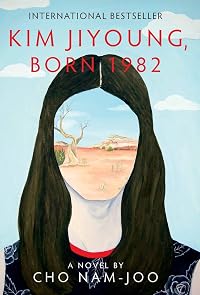
Kim Jiyoung, Born 1982
by Cho Nam-Joo
On This Page
Description
A New York Times Editors Choice SelectionA global sensation, Kim Jiyoung, Born 1982 "has become...a touchstone for a conversation around feminism and gender" (Sarah Shin, Guardian).
One of the most notable novels of the year, hailed by both critics and K-pop stars alike, Kim Jiyoung, Born 1982 follows one woman's psychic deterioration in the face of rampant misogyny. In a tidy apartment on the outskirts of Seoul, millennial "everywoman" Kim Jiyoung spends her days caring for her infant show more daughter. But strange symptoms appear: Jiyoung begins to impersonate the voices of other women, dead and alive. As she plunges deeper into this psychosis, her concerned husband sends her to a psychiatrist. Jiyoung narrates her story to this doctor—from her birth to parents who expected a son to elementary school teachers who policed girls' outfits to male coworkers who installed hidden cameras in women's restrooms. But can her psychiatrist cure her, or even discover what truly ails her? "A social treatise as well as a work of art" (Alexandra Alter, New York Times), Kim Jiyoung, Born 1982 heralds the arrival of international powerhouse Cho Nam-Joo. show less
Tags
Recommendations


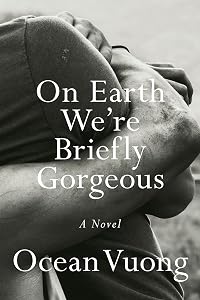
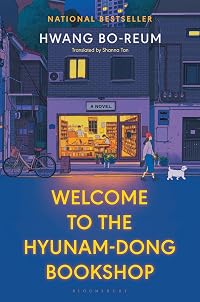
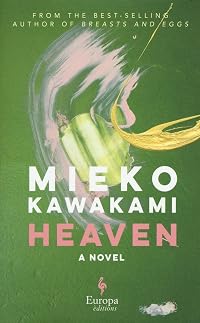
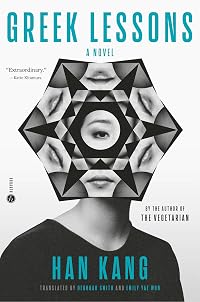

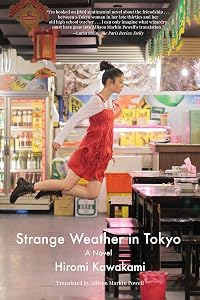

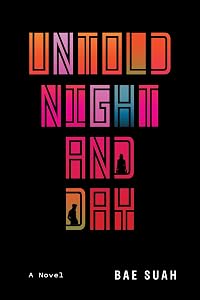
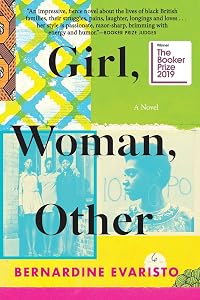

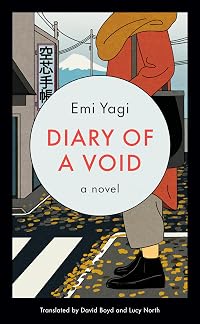














Member Recommendations
Member Reviews
This is one of the books every guy should read but they probably won’t. And I don’t mean only white, privileged conservatives, but also the nice guys who think themselves progressive cause they “help out their wives” by changing the baby or doing the dishes.
The story is written in a form of a report - no what-ifs, no opinions just facts. As if written from an unbiased perspective. It feels like trying to muffle and belittle the desperate cry of Jiyoung and other women, but it makes their message even more powerful. It’s a proof itself of how hopeless their situation is - you are telling our story, you know the facts and you still don’t get it!
Reading it is like walking on that glass ceiling that limits them, this thick show more surface of sexism and callousness disguised as “tradition” and “natural order”. You see them cry and bang at the glass from below, but there is nothing you can do about it and you are not encouraged to - that’s the way life is and it’s supposed to stay that way.
Besides, what are they even crying about?Sitting at home all day doing nothing, living off their husbands paycheck… show less
The story is written in a form of a report - no what-ifs, no opinions just facts. As if written from an unbiased perspective. It feels like trying to muffle and belittle the desperate cry of Jiyoung and other women, but it makes their message even more powerful. It’s a proof itself of how hopeless their situation is - you are telling our story, you know the facts and you still don’t get it!
Reading it is like walking on that glass ceiling that limits them, this thick show more surface of sexism and callousness disguised as “tradition” and “natural order”. You see them cry and bang at the glass from below, but there is nothing you can do about it and you are not encouraged to - that’s the way life is and it’s supposed to stay that way.
Besides, what are they even crying about?Sitting at home all day doing nothing, living off their husbands paycheck… show less
Jiyoung is a young wife and mother whose behaviour starts to cause concern for her husband and his family. When she fell pregnant with her daughter Jiyoung had to resign from the job she had fought so hard to get in the first place and yet as a mother she is treated with scorn by professional working men. All of this seems to be history repeating itself as Jiyoung's mother also suffered from the fact of her gender.
This is a short and very powerful read. Whilst South Korea comes across as a very enlightened country the deep roots of sexism are clearly outlined in this book. From the way, sons are treated as opposed to daughters, to inequalities in education at every stage, to the job market and then to the expectation that women will show more leave work to become wives and mothers the book offers both an entertaining narrative and a polemic backed by references. I found the tale of Jiyoung and her mother very affecting and am disappointed that there has been such an antifeminist backlash in Korea over this. show less
This is a short and very powerful read. Whilst South Korea comes across as a very enlightened country the deep roots of sexism are clearly outlined in this book. From the way, sons are treated as opposed to daughters, to inequalities in education at every stage, to the job market and then to the expectation that women will show more leave work to become wives and mothers the book offers both an entertaining narrative and a polemic backed by references. I found the tale of Jiyoung and her mother very affecting and am disappointed that there has been such an antifeminist backlash in Korea over this. show less
Nach der Geburt ihrer Tochter und, aus Mangel an Betreuungsmöglichkeit, der Aufgabe ihres Berufs ist Kim Jiyoung etwas verloren. Die postnatale Depression wirft sie schließlich ganz aus der Bahn. Ihre Psyche schlüpft in den Charakter von Menschen in ihrem Umfeld, ihre eigene Persönlichkeit verschwindet dahinter. Ein Psychologe ergründet die Ursache und blickt dabei auf das typische Leben koreanischer Frauen. Schon vor der Geburt beginnt der Wettlauf mit dem anderen Geschlecht. Sollten sie überhaupt die Geburt erleben, erwartet sie ein Leben in zweiter Reihe.
Nam-joo Chos Roman ist ein globales Phänomen, das einen sehr speziellen Beitrag zur Feminismusdebatte und einen Einblick in eine aus westlicher Welt sehr befremdliche show more Gesellschaft liefert. Zwar ist die Geschichte als Roman angelegt, zahlreiche Fakten untermauern jedoch die Schilderungen.
Man kann vor Entsetzen nur staunen über die Ungerechtigkeit, die mit Tradition begründet und immer weiter verfestigt wird. Bei den Kindern schon werden die Jungen bevorzugt: erhalten die besseren Zimmer, mehr Essen und Bildung, die ihnen die Schwestern finanzieren müssen, auch wenn diese intelligenter sind. In der Schule genießen sie mehr Freiheiten, die Mädchen erleben frühzeitig schon sexuelle Grenzüberschreitungen, die jedoch abgetan werden – sie gehören halt einfach dazu. Auch im Alltag erlebt Jiyoung zahlreiche Übergriffe, wobei man ihr dafür meist die Schuld zuschreibt, was muss sie auch abends noch draußen rumlaufen oder einen Rock tragen?
Auch der Start ins Berufsleben ist beschwerlich, die Universitäten unterstützen nur die männlichen Studierenden bei der Jobsuche und Frauen werden auf Einstiegspositionen nicht nur schlechter bezahlt, sondern wiederum schlechter behandelt und wie Freiwild behandelt. Peinliche Situationen wechseln sich mit Demütigungen ab, aber nur wenige stellen sich dagegen; der Kampf für mehr Gerechtigkeit ist hart und beschwerlich und endet in der Regel dann doch mit der Resignation der Frauen. Spätestens mit der Frage nach der Familiengründung - genauestens beäugt von den Familien, die für sich das natürliche recht der Einmischung beanspruchen - ist unweigerlich der Abschied angesagt. Infrastruktur und Verständnis für arbeitende Mütter sind nicht vorhanden.
Man fühlt sich nicht um Jahrzehnte, sondern um Jahrhunderte zurückversetzt. Gleichberechtigung ist eine Fehlanzeige und selbst junge Männer mit progressiver Haltung fallen doch immer wieder in klassische Muster zurück oder merken gar nicht, dass ihr vermeintliches Entgegenkommen unter der Oberfläche ebenso diskriminierend ist wie das Verhalten der vorherigen Generationen.
Ein bemerkenswertes Buch, das nicht so sehr durch sprachliche Finesse oder Figurenentwicklung, sondern durch die Darstellung der koreanischen Gesellschaft beeindruckt. Dass Frauen weniger berufliche Chancen haben, trotz besser Leistungen in Schule und Universität, ist dabei nicht so sehr verwunderlich, das verhält sich ja bei uns nicht grundlegend anders, es ist viel mehr die Grundhaltung, die in der nicht nur patriarchalen, sondern offen misogynen Gesellschaft als völlig normal angesehen wird. show less
Nam-joo Chos Roman ist ein globales Phänomen, das einen sehr speziellen Beitrag zur Feminismusdebatte und einen Einblick in eine aus westlicher Welt sehr befremdliche show more Gesellschaft liefert. Zwar ist die Geschichte als Roman angelegt, zahlreiche Fakten untermauern jedoch die Schilderungen.
Man kann vor Entsetzen nur staunen über die Ungerechtigkeit, die mit Tradition begründet und immer weiter verfestigt wird. Bei den Kindern schon werden die Jungen bevorzugt: erhalten die besseren Zimmer, mehr Essen und Bildung, die ihnen die Schwestern finanzieren müssen, auch wenn diese intelligenter sind. In der Schule genießen sie mehr Freiheiten, die Mädchen erleben frühzeitig schon sexuelle Grenzüberschreitungen, die jedoch abgetan werden – sie gehören halt einfach dazu. Auch im Alltag erlebt Jiyoung zahlreiche Übergriffe, wobei man ihr dafür meist die Schuld zuschreibt, was muss sie auch abends noch draußen rumlaufen oder einen Rock tragen?
Auch der Start ins Berufsleben ist beschwerlich, die Universitäten unterstützen nur die männlichen Studierenden bei der Jobsuche und Frauen werden auf Einstiegspositionen nicht nur schlechter bezahlt, sondern wiederum schlechter behandelt und wie Freiwild behandelt. Peinliche Situationen wechseln sich mit Demütigungen ab, aber nur wenige stellen sich dagegen; der Kampf für mehr Gerechtigkeit ist hart und beschwerlich und endet in der Regel dann doch mit der Resignation der Frauen. Spätestens mit der Frage nach der Familiengründung - genauestens beäugt von den Familien, die für sich das natürliche recht der Einmischung beanspruchen - ist unweigerlich der Abschied angesagt. Infrastruktur und Verständnis für arbeitende Mütter sind nicht vorhanden.
Man fühlt sich nicht um Jahrzehnte, sondern um Jahrhunderte zurückversetzt. Gleichberechtigung ist eine Fehlanzeige und selbst junge Männer mit progressiver Haltung fallen doch immer wieder in klassische Muster zurück oder merken gar nicht, dass ihr vermeintliches Entgegenkommen unter der Oberfläche ebenso diskriminierend ist wie das Verhalten der vorherigen Generationen.
Ein bemerkenswertes Buch, das nicht so sehr durch sprachliche Finesse oder Figurenentwicklung, sondern durch die Darstellung der koreanischen Gesellschaft beeindruckt. Dass Frauen weniger berufliche Chancen haben, trotz besser Leistungen in Schule und Universität, ist dabei nicht so sehr verwunderlich, das verhält sich ja bei uns nicht grundlegend anders, es ist viel mehr die Grundhaltung, die in der nicht nur patriarchalen, sondern offen misogynen Gesellschaft als völlig normal angesehen wird. show less
‘’Help out? What is it with you and ‘’helping out?’’ You’re going to ‘’help out’’ with chores. ‘’Help out’’ with raising your baby. ‘’Help out’’ with finding me a new job. Isn’t this your house, too? Your home? Your child? And if I work, don’t spend my pay, too? Why do you keep saying ‘’help out’’ like you’re volunteering to pitch in on someone else’s work?’’
You are harassed at school by a cruel boy. Your teacher smiles and tells you it’s because he ‘’likes’’ you, this is how boys communicate their...affection and you’ll eventually get used to it. You are threatened with rape at a bus stop, thankfully saved by a considerate lady. Your father blames your stubbornness show more in choosing an after-school activity and implies that your skirt is too short. Your idle, lazy, useless brother has the right to take the largest portion during dinner while you and your sister HAVE to be happy with whatever is left. I mean, why aren’t YOU happy with that? And it doesn’t stop there. Oh, no. Your mother supports you and urges you to follow your dream. And you do. You deserve a promotion but you’re overlooked because you lack a penis. You get married and go through the Holy Inquisition organised by your (moron) husband’s relatives on how to conceive a child. And it had better be a boy, ok? We need BOYS! The ones who will benefit our bloody society. You give up your work and you’re called a parasite living off your husband’s hard-earned money. And then, you fall apart...Once more, welcome to Hell.
Meaning, a society reserved only for men.
If you are one of those who glorify certain countries and their way of life, it is urgent that you should read this book. Without the need for elaborate language and flowery descriptions, Cho Nam-Joo creates a novel that is the very definition of a punch in the stomach. It exposes all the ways a society can and does go horribly wrong, oppressing, abusing, violating. All with the blessings of a system that changes too little, too slowly, too inadequately. It mirrors issues that have been going on for so long in every society of our world and the fact that every single one of our weaknesses will be exploited by states and family alike. Do you find the strength to stand up or do you let yourself be smothered by habit and shameless direct and indirect blackmailing and abusing? This outstanding novel leaves little room for hope…
‘’You’re right, in a world where doctors can cure cancer and do heart transplants, there isn’t a single pill to treat menstrual cramps.’ Her sister pointed at her own stomach. ‘’The world wants our uterus to be drug-free. Like sacred grounds in a virgin forest.’’
My reviews can also be found on https://theopinionatedreaderblog.wordpress.com/ show less
You are harassed at school by a cruel boy. Your teacher smiles and tells you it’s because he ‘’likes’’ you, this is how boys communicate their...affection and you’ll eventually get used to it. You are threatened with rape at a bus stop, thankfully saved by a considerate lady. Your father blames your stubbornness show more in choosing an after-school activity and implies that your skirt is too short. Your idle, lazy, useless brother has the right to take the largest portion during dinner while you and your sister HAVE to be happy with whatever is left. I mean, why aren’t YOU happy with that? And it doesn’t stop there. Oh, no. Your mother supports you and urges you to follow your dream. And you do. You deserve a promotion but you’re overlooked because you lack a penis. You get married and go through the Holy Inquisition organised by your (moron) husband’s relatives on how to conceive a child. And it had better be a boy, ok? We need BOYS! The ones who will benefit our bloody society. You give up your work and you’re called a parasite living off your husband’s hard-earned money. And then, you fall apart...Once more, welcome to Hell.
Meaning, a society reserved only for men.
If you are one of those who glorify certain countries and their way of life, it is urgent that you should read this book. Without the need for elaborate language and flowery descriptions, Cho Nam-Joo creates a novel that is the very definition of a punch in the stomach. It exposes all the ways a society can and does go horribly wrong, oppressing, abusing, violating. All with the blessings of a system that changes too little, too slowly, too inadequately. It mirrors issues that have been going on for so long in every society of our world and the fact that every single one of our weaknesses will be exploited by states and family alike. Do you find the strength to stand up or do you let yourself be smothered by habit and shameless direct and indirect blackmailing and abusing? This outstanding novel leaves little room for hope…
‘’You’re right, in a world where doctors can cure cancer and do heart transplants, there isn’t a single pill to treat menstrual cramps.’ Her sister pointed at her own stomach. ‘’The world wants our uterus to be drug-free. Like sacred grounds in a virgin forest.’’
My reviews can also be found on https://theopinionatedreaderblog.wordpress.com/ show less
Like a furious collective roar. Its power lies in how it's the story for so many women: the societal and cultural sexism supported by the wilful ignorance of those who benefit. The use of actual references were so effective in the way it removed the thin veneer of fiction from the stark reality. Like the reverse of a fictionalised documentary, this was a made-up story of one woman's life non-fictionalised for a collective experience. I'm haunted by Kim Jiyoung. Reading it consisted of me doing pained chuckles and feeling like the emoji with the tightly drawn lip smile and dead open eyes with one tear falling.
Kim JiYoung ist eine junge Frau in Seoul, studiert, glücklich verheiratet und Mutter eines kleinen Mädchens – eigentlich ein perfektes Leben. Eigentlich … Denn plötzlich verwandelt sie sich im Beisein ihres Mannes in andere Personen: ihre Mutter, eine frühere Freundin, immer Frauen aus ihrem näheren Umfeld.
Cho Nam-Joo erzählt sachlich und neutral die Lebensgeschichte JiYoungs, die sich vermutlich nur wenig von der anderer Südkoreanerinnen unterscheidet. Im Vergleich zur Generation ihrer Mutter eher modern aufgewachsen, muss sie nach Schule und abgeschlossenem Studium feststellen, dass die Begünstigungen ihrer Studienkollegen im Arbeitsleben noch wesentlich größer sind als zuvor, obwohl deren Abschlüsse deutlich schlechter show more sind. Und auch im Alltag muss sie immer wieder realisieren und selbst erfahren, wie respektlos Männer mit Frauen umgehen und auf sie herabschauen.
Die Geschichte ist ein einziges Trauerspiel, das nüchtern aufzeigt (zeitweilig wie ein Sachbuch), wie immens die Benachteiligung von Frauen noch immer ist. Auch wenn Südkorea wirtschaftlich betrachtet ein fortschrittliches Land sein mag, gesellschaftspolitisch scheint es sich in der Steinzeit zu befinden. Doch es wäre unbillig, alleine Südkorea an den Pranger zu stellen. Denn Kim JiYoungs Erlebnisse sind universal – ich wette: Jede Frau wird sich in diesem Buch wiederfinden; die eine mehr, die andere weniger, aber alle haben ihre Erfahrungen gemacht mit Benachteiligungen, Feindlichkeiten und Respektlosigkeiten ihresgleichen gegenüber.
Auch wenn Viele das Wort Emanzipation nicht mehr hören können oder wollen: Dieses Buch macht überdeutlich, dass es noch ein weiter Weg ist, und zwar auf der ganzen Welt, bis wir tatsächlich von Gleichberechtigung zwischen Frau und Mann reden können. show less
Cho Nam-Joo erzählt sachlich und neutral die Lebensgeschichte JiYoungs, die sich vermutlich nur wenig von der anderer Südkoreanerinnen unterscheidet. Im Vergleich zur Generation ihrer Mutter eher modern aufgewachsen, muss sie nach Schule und abgeschlossenem Studium feststellen, dass die Begünstigungen ihrer Studienkollegen im Arbeitsleben noch wesentlich größer sind als zuvor, obwohl deren Abschlüsse deutlich schlechter show more sind. Und auch im Alltag muss sie immer wieder realisieren und selbst erfahren, wie respektlos Männer mit Frauen umgehen und auf sie herabschauen.
Die Geschichte ist ein einziges Trauerspiel, das nüchtern aufzeigt (zeitweilig wie ein Sachbuch), wie immens die Benachteiligung von Frauen noch immer ist. Auch wenn Südkorea wirtschaftlich betrachtet ein fortschrittliches Land sein mag, gesellschaftspolitisch scheint es sich in der Steinzeit zu befinden. Doch es wäre unbillig, alleine Südkorea an den Pranger zu stellen. Denn Kim JiYoungs Erlebnisse sind universal – ich wette: Jede Frau wird sich in diesem Buch wiederfinden; die eine mehr, die andere weniger, aber alle haben ihre Erfahrungen gemacht mit Benachteiligungen, Feindlichkeiten und Respektlosigkeiten ihresgleichen gegenüber.
Auch wenn Viele das Wort Emanzipation nicht mehr hören können oder wollen: Dieses Buch macht überdeutlich, dass es noch ein weiter Weg ist, und zwar auf der ganzen Welt, bis wir tatsächlich von Gleichberechtigung zwischen Frau und Mann reden können. show less
Diagnosis: Murder
(Full disclosure: I received a free e-ARC for review through NetGalley. Trigger warning for misogyny and violence against women, including sexual assault.)
"The girls stowed away repulsive, frightening experiences with males deep in their hearts without even realising it themselves."
"Jiyoung was standing in the middle of a labyrinth. Conscientiously and calmly, she was searching for a way out that didn’t exist to begin with."
"Jiyoung did not feel good as she checked ‘NO’ with her own hand. The world had changed a great deal, but the little rules, contracts and customs had not, which meant the world hadn’t actually changed at all."
Kim Jiyoung lives in a small apartment on the outskirts of Seoul with her husband, show more Jung Daehyun, and her baby daughter Jung Jiwon. A middle child who grew up in a working class family, Jiyoung attended university and landed a job at a small marketing agency after graduation. One of just a handful of women, she enjoyed her work well enough but quit after just a few years to have and raise Jiwon.
About a year after Jiwon's birth, Jiyoung started exhibiting strange symptoms: she would "become" other people. Always women, always known to her, both living and dead: for example, her own mother, Oh Misook, or Cha Seungyeon, a mutual college friend of both Jiyoung and Daehyun who died in childbirth. Alarmed, Daehyun sought the help of a psychiatrist; Kim Jiyoung, Born 1982 is presented as the doctor's case study of Jiyoung.
Kim Jiyoung, Born 1982 is basically a laundry list of the misogynist slights that Korean women - and especially Korean mothers - are subjected to, both historically and in contemporary society. (Ditto: women who dare to live and breathe and exist in any patriarchal society. As someone born and raised in the United States, I found roughly 97.8% of Jiyoung's experiences easily translatable across cultures.) Even as I explain the plot this way, it seems like Kim Jiyoung, Born 1982 should make for a fairly tedious read; and yet, it's anything but.
As Jiyoung's psychiatrist traces a path through her early childhood, high school and university years, marriage, and motherhood, we're forced to bear witness as a young girl's spirit is beaten down, degraded, and eroded - just like her mother's and grandmother's before her - while, as outsiders looking in, we are powerless to stop it. We are watching a murder: psychological, emotional, psychic, spiritual. A death by a million cuts: some tiny, others not so much. Intergenerational trauma galore.
There are the "smaller" microaggressions, such as how the boys are always allowed to go first: served the first (and best) portions of food at home, or permitted to do their presentations first at school. Then there's the bigger stuff: gender discrimination in hiring and pay; limited career opportunities and pink collar jobs; sex-selective abortion; the indoctrination into rape culture, starting in elementary school; sexual harassment and assault; the pressure to have children; and the simultaneous idolization and vilification of stay-at-home moms.
When Jiyoung finally "snaps," you'll wonder why it took so long. Her adoption of other personas isn't the disease, but rather a symptom: of a society that dismisses, denigrates, devalues, and outright hates women. Only by becoming other women can she challenge the status quo. They function as Jiyoung's protectors, when Jiyoung is barred from protecting herself. (Sometimes.)
The coup de grace is the psychiatrist's personal notes at the end, wherein he recounts his own wife's struggles, thus positioning himself as the rare male beast, better suited to understanding Jiyoung's predicament than most. Mansplaining meets "not all men," while completely and utterly failing to help either beleaguered woman. It's enough to make you wonder why Jiyoung didn't opt for a female psychiatrist ... but only if you missed the entire point of the book.
http://www.easyvegan.info/2020/04/17/kim-jiyoung-born-1982-by-cho-nam-joo/ show less
(Full disclosure: I received a free e-ARC for review through NetGalley. Trigger warning for misogyny and violence against women, including sexual assault.)
"The girls stowed away repulsive, frightening experiences with males deep in their hearts without even realising it themselves."
"Jiyoung was standing in the middle of a labyrinth. Conscientiously and calmly, she was searching for a way out that didn’t exist to begin with."
"Jiyoung did not feel good as she checked ‘NO’ with her own hand. The world had changed a great deal, but the little rules, contracts and customs had not, which meant the world hadn’t actually changed at all."
Kim Jiyoung lives in a small apartment on the outskirts of Seoul with her husband, show more Jung Daehyun, and her baby daughter Jung Jiwon. A middle child who grew up in a working class family, Jiyoung attended university and landed a job at a small marketing agency after graduation. One of just a handful of women, she enjoyed her work well enough but quit after just a few years to have and raise Jiwon.
About a year after Jiwon's birth, Jiyoung started exhibiting strange symptoms: she would "become" other people. Always women, always known to her, both living and dead: for example, her own mother, Oh Misook, or Cha Seungyeon, a mutual college friend of both Jiyoung and Daehyun who died in childbirth. Alarmed, Daehyun sought the help of a psychiatrist; Kim Jiyoung, Born 1982 is presented as the doctor's case study of Jiyoung.
Kim Jiyoung, Born 1982 is basically a laundry list of the misogynist slights that Korean women - and especially Korean mothers - are subjected to, both historically and in contemporary society. (Ditto: women who dare to live and breathe and exist in any patriarchal society. As someone born and raised in the United States, I found roughly 97.8% of Jiyoung's experiences easily translatable across cultures.) Even as I explain the plot this way, it seems like Kim Jiyoung, Born 1982 should make for a fairly tedious read; and yet, it's anything but.
As Jiyoung's psychiatrist traces a path through her early childhood, high school and university years, marriage, and motherhood, we're forced to bear witness as a young girl's spirit is beaten down, degraded, and eroded - just like her mother's and grandmother's before her - while, as outsiders looking in, we are powerless to stop it. We are watching a murder: psychological, emotional, psychic, spiritual. A death by a million cuts: some tiny, others not so much. Intergenerational trauma galore.
There are the "smaller" microaggressions, such as how the boys are always allowed to go first: served the first (and best) portions of food at home, or permitted to do their presentations first at school. Then there's the bigger stuff: gender discrimination in hiring and pay; limited career opportunities and pink collar jobs; sex-selective abortion; the indoctrination into rape culture, starting in elementary school; sexual harassment and assault; the pressure to have children; and the simultaneous idolization and vilification of stay-at-home moms.
When Jiyoung finally "snaps," you'll wonder why it took so long. Her adoption of other personas isn't the disease, but rather a symptom: of a society that dismisses, denigrates, devalues, and outright hates women. Only by becoming other women can she challenge the status quo. They function as Jiyoung's protectors, when Jiyoung is barred from protecting herself. (Sometimes.)
The coup de grace is the psychiatrist's personal notes at the end, wherein he recounts his own wife's struggles, thus positioning himself as the rare male beast, better suited to understanding Jiyoung's predicament than most. Mansplaining meets "not all men," while completely and utterly failing to help either beleaguered woman. It's enough to make you wonder why Jiyoung didn't opt for a female psychiatrist ... but only if you missed the entire point of the book.
http://www.easyvegan.info/2020/04/17/kim-jiyoung-born-1982-by-cho-nam-joo/ show less
Members
- Recently Added By
Lists

Books Read in 2020
4,379 works; 124 members

Books Read in 2021
5,361 works; 114 members

BookTok Adult
115 works; 2 members

Korean literature
68 works; 5 members

WSL
3 works; 1 member

Favorite Books in Translation
320 works; 133 members

Wishlist
48 works; 1 member
Author Information

8 Works 1,969 Members
Some Editions
Awards and Honors
Awards
Distinctions
Common Knowledge
- Canonical title
- Kim Jiyoung, Born 1982
- Original title
- 82년생 김지영
- Original publication date
- 2016-10
- People/Characters
- Kim Yi-Jeong; Hye-Soo; Kim Ji-Young; Ji-Suk; Young-Soo; Mi-Sook
- Related movies
- Kim Ji-young: Born 1982 (2019)
- First words
- Kim Jiyoung is thirty-three years old, or thirty-four in Korean age.
- Blurbers
- Ma, Ling; Wang, Weike; Batuman, Elif
- Original language
- Korean
Classifications
- Genres
- General Fiction, Fiction and Literature
- DDC/MDS
- 895.73 — Literature & rhetoric Literatures of other languages Literatures of East and Southeast Asia Korean Korean fiction
- LCC
- PL994.17 .N36 .A61613 — Language and Literature Languages and literatures of Eastern Asia, Africa, Oceania Languages of Eastern Asia, Africa, Oceania Korean language and literature Korean literature Individual authors and works
- BISAC
Statistics
- Members
- 1,730
- Popularity
- 12,784
- Reviews
- 85
- Rating
- (3.95)
- Languages
- 14 — Chinese, Czech, Dutch, English, French, German, Hungarian, Italian, Korean, Polish, Romanian, Spanish, Turkish, Portuguese (Portugal)
- Media
- Paper, Audiobook, Ebook
- ISBNs
- 39
- ASINs
- 16