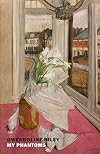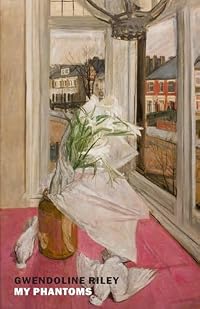
My Phantoms
by Gwendoline Riley
On This Page
Description
"Helen Grant, known to her acquaintances as Hen, is a mystery to her daughter. An extrovert with few friends who has sought intimacy in the wrong places; a twice-divorced mother of two now living alone surrounded by her memories, Helen has always haunted Bridget. Now Bridget sees Helen once a year, and considers the problem to be contained. As she looks back on their tumultuous relationship- the performances and small deceptions- she tries to reckon with the cruelties inflicted on both show more sides. But when Helen makes it clear that she wants more, it seems an old struggle will have to be replayed"-- show lessTags
Recommendations




















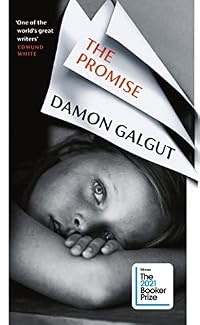





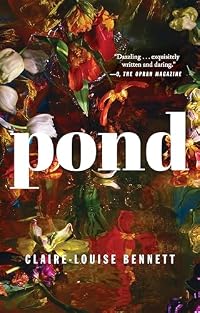


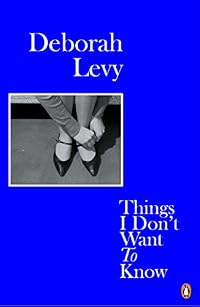



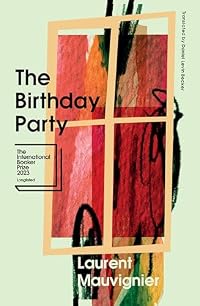









Member Recommendations
Member Reviews
Exceptional writing that really captures the toxicity of a family situation with two people who never should have been parents. That their marriage fell apart is secondary to the story, but just that Bridget Grant at age ten can see each of their flaws precisely and though they are colored by reflection now that she is in her 20s, they remain pretty accurate. Their mother Helen (Hen) had custody of Bridge and her older sister Michelle; they had Saturday visits with their father, Lee until they could legally walk away from him. He would parade them to his sisters' or mother's homes on these visits, bumming meals under the guise of family visiting time, which no one enjoyed. For him, what was essential was "Getting one over. Being an show more exceptional case." He fancied himself well-known and well-liked and in the know, but he sounds completely insufferable. The story is mainly about Hen and Bridget and their relationship over time. Hen likes drama and attention and always has a story in which she features as the star. "There was some other figure she'd conceived and was playing to. That's how it felt. Somebody beyond our life." (9) Bridget has limited her contact, but they have birthdays a week apart, so their annual meet-up always occurred for that reason solely. Bridget has never had her over or introduced her to her partner, John, relegating her mother to a very specific and small place in her life. Their communication is sporadic and sparse, mostly by text which Bridge viewed as 'announcements' rather than keeping in touch: "It was hard to know how to reply to an announcement. What seemed to be required was a reaction rather than a response." (73) These entrenched patterns make Bridge seem heartless at times, especially when her mother really needs her. I appreciated the inner nature of this story, rather than any big events happening. So much of life is tied to relationships - for good and bad - and Riley nails that concept. show less
Bridget Grant’s mother and father are unsettling. Her mother, Helen who is known as Hen, desperately wants to fit in. It is something she gestures towards throughout her life, never fully achieving it nor, perhaps, having a clear sense of what achieving it would be like. Bridget’s father is an altogether nastier piece of work, playing to the gallery even if only an imaginary gallery; pointlessly cruel to both Hen, Bridget, and Bridget’s sister, Michelle. Bridget’s only defence against him is to close herself off from him in hopes that he will just go away. It is somewhat surprising then to find that Bridget and her sister survive this upbringing. Mostly.
So much is odd about Bridget’s characterization of her parents and their show more sometimes friends that the reader may begin to suspect Bridget’s point of view. Is she as stable and clear-eyed as she appears? Understandably her relations with her mother, later in life, remain strained, but she is also distant with her sister, who has only a minor role in this novel. As the title suggests, Bridget is haunted by her mother, never fully exorcising her influence (or the memory of her repulsive father). So it comes as a bit of a shock when we see later see Bridget in a simple relationship with her partner, John. Is it convincing?
Absolutely amazing writing, I think. It must be so difficult to get the tone just right. Gwendoline Riley does.
Easily recommended to those up for a bit of nasty families. show less
So much is odd about Bridget’s characterization of her parents and their show more sometimes friends that the reader may begin to suspect Bridget’s point of view. Is she as stable and clear-eyed as she appears? Understandably her relations with her mother, later in life, remain strained, but she is also distant with her sister, who has only a minor role in this novel. As the title suggests, Bridget is haunted by her mother, never fully exorcising her influence (or the memory of her repulsive father). So it comes as a bit of a shock when we see later see Bridget in a simple relationship with her partner, John. Is it convincing?
Absolutely amazing writing, I think. It must be so difficult to get the tone just right. Gwendoline Riley does.
Easily recommended to those up for a bit of nasty families. show less
I wavered between a 4 and a 5-star review for this, but in the end, the impact on me was so thunderous a 5 seemed the only option. This brief book is an episodic overview of the relationship between our narrator, Bridget, and her mother. To a lesser extent, Bridget's relationship to her father is explored, but mostly we see it as a substantial factor in building Bridget's antipathy for and separation from her mother. She was angry with her mother for things she did, but angrier by far that her mother did not protect her from her father's narcissism and related cruelty. For her own part, Bridget's mother is obsessed with her own unhappiness. She has a clear idea of what her life should be like and tries to play at living that life rather show more than connecting with the life she has or finding out what actually gives her pleasure. I watched my mother perform life rather than living it, and I can say for certain it is a foolproof recipe for anxiety and depression and for making your children feel defective and unliked. Bridget, once she is an adult, plays at trying to please her mother, taking her to nice restaurants she perceives as being what she wants when in fact those visits are ways to show her mother her own success (which is as false and performative for Bridget as her mother's actions are.) Bridget is then bitter and angry when her mother does not enjoy the outings and responds in the expected passive-aggressive manner. All of this is conveyed through small moments. Nothing happens in the book, and yet everything happens in the book. In the end, Bridget is as unloving a caretaker as her mother was, wearing the heavy weight of her duty, her martyrdom, for all to see.
As I said, this was very personal for me. I thought about a lot of things I have chosen not to think about much since my parents' long-ago deaths. I expect to keep thinking about those things for some time to come. I am not sure I am pleased about this, I was happy not dealing with all of that, but my own spoiled compartmentalization efforts do not change the fact that this book accomplished its goals with literary elegance and precision. If this sort of exploration appeals to you, I can say I cannot imagine it being done better. I don't know if I enjoyed the read, but its impact was profound. show less
As I said, this was very personal for me. I thought about a lot of things I have chosen not to think about much since my parents' long-ago deaths. I expect to keep thinking about those things for some time to come. I am not sure I am pleased about this, I was happy not dealing with all of that, but my own spoiled compartmentalization efforts do not change the fact that this book accomplished its goals with literary elegance and precision. If this sort of exploration appeals to you, I can say I cannot imagine it being done better. I don't know if I enjoyed the read, but its impact was profound. show less
This book could have easily triggered me since I am estranged from my own mother, but this mother is a different branch of personality disorder entirely. Pleasant surprize that my favorite character from First Love was the subject of an entire book! Again there is an ironic distance between the characters, and towards the end the distance almost felt cruel, but I think the behaviour of the narrator is a position of self-defence. When a mother is toxic, sometimes all you can do is distance yourself and try to salvage your own life so that she doesn't take you down with her. Great book.
My Phantoms, Gwendoline Riley, author; Hannah Curtis, narrator
This is such a tenderly told tale of a family forced to come to grips with their relationships, past and present, as terminal illness and death loom. They have to explore their feelings and the reasons for them as they react to the current trauma. Was their behavior justified? Bridget is forced to face her own life as she now must deal with her mother’s, and as she relates little anecdotal moments, the reader gets a picture of the way the family interacts with each other.
Bridget’s mother is Helen Grant. Once her family had lived in Venezuela where her father was a photographer for the Shell Oil Chemical Company. Helen pretty much married to escape her home which was show more anything but peaceful for her. As she puts it, though, she left home and married simply because that was what was done at that time. Helen was born in 1945 and seemed to consider herself a child of the 60’s. She loved to travel. Eventually, she had two children. One, a very devoted daughter, Michelle; the other, Bridget, who is very angry and resentful and has hardly seen her mother since she left home, a home which was not a happy place for her.
Helen, called Hen because of how she pronounced her name as she learned to talk, seems self-absorbed or, perhaps, even distracted. The children’s father, Lee Grant, seems passive-aggressive, perhaps, even cruel at times. Hen eventually leaves him. Bridget, eventually also leaves her family, as Helen did, and she rarely looks back. She, like her mother, found peace leaving home.
Although Helen kept busy, she was rarely content; she often complained, and had two failed marriages. Bridget and Michelle are both unmarried, living with partners, and have no children. Bridget leaves the care of her mother to her sister and rarely helps out or shows up, unless it is an emergency.
As Bridget tells the story, almost in a conversation with the reader, her anger and disappointment with her parents reveals itself. Her mother’s sarcasm and passive-aggression come alive. They both seem to quietly torment each other. It seems that some personality traits have passed on through the generations.
The author has captured the intense relationships of the family members and explores the subtle evidence of their frustration with each other, their anger that sometimes seems to seethe below the surface, and the way they deal with each other. Michelle is the devoted daughter who steps in to help all the time, apparently without resentment. She and her partner care for her mother, seemingly willingly, though there is no way that Bridget would take on the same responsibility,anyway. She has resisted even introducing her mother to her partner, David, for years.
As the three family members are explored in detail, only one seems likeable to me, since she is somewhat sympathetic, another somewhat self absorbed, and the final one marches to her own drummer. The events and the reasons that have created their personalities dance across the page. This seems like a family tortured by dysfunctional relationships that never morphed into better ones until it seemed to be too late. Their secrets and inability to deal with the reality of their situation became a larger reality when Hen developed a brain tumor and lost even more of her lackluster comprehension of the real world.
The narrator is superb, capturing every nuance of the conversations taking place with the appropriate emphasis and emotion that takes the reader right into the moment, right into a kind of quiet emotional experience that seems ready to erupt into a maelstrom. The author explores the relationships subtly but very insightfully as she illustrates the behavior of the characters and the reasons for that behavior. show less
This is such a tenderly told tale of a family forced to come to grips with their relationships, past and present, as terminal illness and death loom. They have to explore their feelings and the reasons for them as they react to the current trauma. Was their behavior justified? Bridget is forced to face her own life as she now must deal with her mother’s, and as she relates little anecdotal moments, the reader gets a picture of the way the family interacts with each other.
Bridget’s mother is Helen Grant. Once her family had lived in Venezuela where her father was a photographer for the Shell Oil Chemical Company. Helen pretty much married to escape her home which was show more anything but peaceful for her. As she puts it, though, she left home and married simply because that was what was done at that time. Helen was born in 1945 and seemed to consider herself a child of the 60’s. She loved to travel. Eventually, she had two children. One, a very devoted daughter, Michelle; the other, Bridget, who is very angry and resentful and has hardly seen her mother since she left home, a home which was not a happy place for her.
Helen, called Hen because of how she pronounced her name as she learned to talk, seems self-absorbed or, perhaps, even distracted. The children’s father, Lee Grant, seems passive-aggressive, perhaps, even cruel at times. Hen eventually leaves him. Bridget, eventually also leaves her family, as Helen did, and she rarely looks back. She, like her mother, found peace leaving home.
Although Helen kept busy, she was rarely content; she often complained, and had two failed marriages. Bridget and Michelle are both unmarried, living with partners, and have no children. Bridget leaves the care of her mother to her sister and rarely helps out or shows up, unless it is an emergency.
As Bridget tells the story, almost in a conversation with the reader, her anger and disappointment with her parents reveals itself. Her mother’s sarcasm and passive-aggression come alive. They both seem to quietly torment each other. It seems that some personality traits have passed on through the generations.
The author has captured the intense relationships of the family members and explores the subtle evidence of their frustration with each other, their anger that sometimes seems to seethe below the surface, and the way they deal with each other. Michelle is the devoted daughter who steps in to help all the time, apparently without resentment. She and her partner care for her mother, seemingly willingly, though there is no way that Bridget would take on the same responsibility,anyway. She has resisted even introducing her mother to her partner, David, for years.
As the three family members are explored in detail, only one seems likeable to me, since she is somewhat sympathetic, another somewhat self absorbed, and the final one marches to her own drummer. The events and the reasons that have created their personalities dance across the page. This seems like a family tortured by dysfunctional relationships that never morphed into better ones until it seemed to be too late. Their secrets and inability to deal with the reality of their situation became a larger reality when Hen developed a brain tumor and lost even more of her lackluster comprehension of the real world.
The narrator is superb, capturing every nuance of the conversations taking place with the appropriate emphasis and emotion that takes the reader right into the moment, right into a kind of quiet emotional experience that seems ready to erupt into a maelstrom. The author explores the relationships subtly but very insightfully as she illustrates the behavior of the characters and the reasons for that behavior. show less
This is an incredibly well written and subtle book about a toxic mother-daughter relationship. We gradually build up a picture of Bridget's childhood and relationship both with her father and mother, whilst also seeing her adult relationship with her mother. It's tense, funny and unsparing.
Not my favorite book this year due to the poisonous relationship between mother and daughter which made me want to look away, it was painful to be there for their infrequent meetings, but the writing is stellar. It is a slim, spare novel which moves right along.
Members
- Recently Added By
Published Reviews
ThingScore 100
“I absolutely loved it. Its my favorite novel of this year and then I ordered up absolutely everything Gwendoline Riley has ever written and I read all of that as well. . . . As I kept reading I was thinking how has Gwendoline Riley done this? How has she gained access to every unworthy thought I’ve ever had about my so-called ‘loved ones’?”
added by aprille
Lists

Books Read in 2023
5,547 works; 145 members

Netgalley Reads
456 works; 3 members

Borrowed Books 2023 (Books We Have Read BUT do NOT Own)
41 works; 1 member
Author Information

8+ Works 808 Members
Awards and Honors
Awards
Distinctions
Notable Lists
Common Knowledge
- Canonical title
- My Phantoms
- Original publication date
- 2021
- People/Characters
- Bridget Grant; Helen Grant; Lee Grant
- Important places
- London, England, UK; Manchester, England, UK
- First words
- There was ‘nothing for him’ in England.
- Last words
- (Click to show. Warning: May contain spoilers.)The woman lifted my mother's legs together, laid them out and pulled up the sheet.
- Blurbers
- Birch, Dinah; Ali, Monica
- Original language
- English
Classifications
Statistics
- Members
- 299
- Popularity
- 106,766
- Reviews
- 15
- Rating
- (3.84)
- Languages
- Dutch, English
- Media
- Paper, Audiobook, Ebook
- ISBNs
- 10
- ASINs
- 5