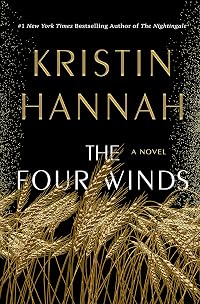
The Four Winds
by Kristin Hannah
On This Page
Description
"Texas, 1934. Millions are out of work and a drought has broken the Great Plains. Farmers are fighting to keep their land and their livelihoods as the crops are failing, the water is drying up, and dust threatens to bury them all. One of the darkest periods of the Great Depression, the Dust Bowl era, has arrived with a vengeance. In this uncertain and dangerous time, Elsa Martinelli-like so many of her neighbors-must make an agonizing choice: fight for the land she loves or go west, to show more California, in search of a better life. The Four Winds is an indelible portrait of America and the American Dream, as seen through the eyes of one indomitable woman whose courage and sacrifice will come to define a generation"-- show lessTags
Recommendations
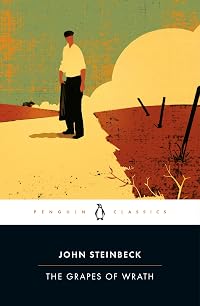
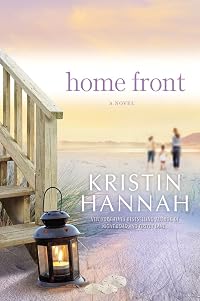
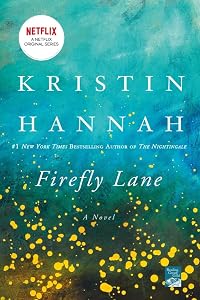
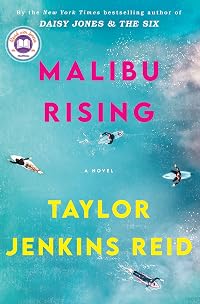

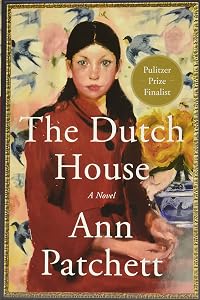

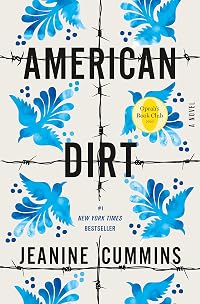
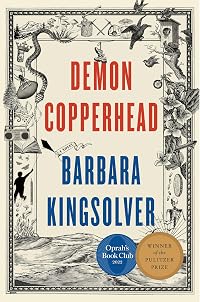
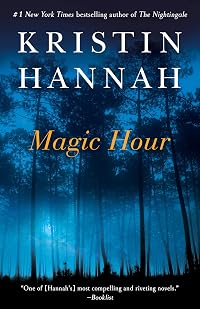


Member Recommendations


by anonymous user
Member Reviews
I read a review of "The Four Winds" by Kristin Hannah. The reviewer said she did not finish because it was too depressing. I almost didn't read this book. But this was by Kristin Hannah! She is a phenomenal storyteller. After I finished the novel all I could think about is what I would have missed had I not read the amazing story about the Great Depression and the Dust Bowl in the plains (hence, the depressive nature of the storyline). Kristin Hannah wrote about true history. Yes, there are hard times, cruel people, and unforgiving land. Her prose was so expressive you could almost taste the dust, feel the heat. The characters were so real. This is the first time in a long time I cried while reading a book. Her wonderful characters show more showed the true American spirit. These people did not want handouts. They knew how to work hard and just wanted to raise their families and live the American dream. Sometimes we need to be reminded why they were called "The Greatest Generation". Your heart will ache for Elsa and her family. But in the end, you will come to understand: with faith, hope, and love you can surmount the circumstances you are given. And when you lose everything, Love remains. show less
Do yourself a favor and read this book now, and make sure you have a large box of tissues on standby.
This book absolutely gutted me, but in the best, most beautiful way. Kristin Hannah’s writing and strong characters had me absolutely sobbing throughout this book.
This is my first 5-star read of the year, and even though it’s only March 1st I know it’s going to be a contender for best book of the year.
It’s often said, “Tough times don’t last, tough people do.” However, the three generations of Martinellis in The Four Winds deal with way more tough times than anyone should. This family is anchored by three generations of strong women: Rose, Elsa and Loreda. Each explorers and warriors in their own way, bonded by devotion, show more admiration and love. I love how Kristin Hannah started weaving in Loreda as a narrator in the story, giving this young girl her own voice.
The research that the author did when prepping for the book is evident. The difficult years during The Dust Bowl and Great Depression in Texas and California is upsetting and heartbreaking. The strength of character and will these people had is amazing. Although fictional characters, you know many of these stories are rooted in real family histories. Definitely made me reflect on the fact that it’s often those with the least that tend to give the most. As displayed with how Jeb, Jean and Elsa relied on one another and gave and shared so selflessly.
While the whole book is amazing, the end is absolutely full of beautiful lines. The one that spoke to me the most is, ‘That’s what love is, I think. It’s all of it. Tears, anger, joy, struggle. Mostly, it’s durable. It lasts.’
What are you doing still reading this review - go read the book now!! show less
This book absolutely gutted me, but in the best, most beautiful way. Kristin Hannah’s writing and strong characters had me absolutely sobbing throughout this book.
This is my first 5-star read of the year, and even though it’s only March 1st I know it’s going to be a contender for best book of the year.
It’s often said, “Tough times don’t last, tough people do.” However, the three generations of Martinellis in The Four Winds deal with way more tough times than anyone should. This family is anchored by three generations of strong women: Rose, Elsa and Loreda. Each explorers and warriors in their own way, bonded by devotion, show more admiration and love. I love how Kristin Hannah started weaving in Loreda as a narrator in the story, giving this young girl her own voice.
The research that the author did when prepping for the book is evident. The difficult years during The Dust Bowl and Great Depression in Texas and California is upsetting and heartbreaking. The strength of character and will these people had is amazing. Although fictional characters, you know many of these stories are rooted in real family histories. Definitely made me reflect on the fact that it’s often those with the least that tend to give the most. As displayed with how Jeb, Jean and Elsa relied on one another and gave and shared so selflessly.
While the whole book is amazing, the end is absolutely full of beautiful lines. The one that spoke to me the most is, ‘That’s what love is, I think. It’s all of it. Tears, anger, joy, struggle. Mostly, it’s durable. It lasts.’
What are you doing still reading this review - go read the book now!! show less
Wow! This book was a ride! The depth and complexity of this book creates an emotional whirlwind, eliciting feelings of excitement, sadness, tranquility, frustration, hope, despair, heartbreak, pride, anger, and optimism...the list goes on. The journey isn not just a read but an emotional experience.
The authenticity with which the story is told really blew me away. The realism of the characters' lives moves the narrative beyond mere fiction into a reflection of life's unpredictable nature. Elsa's journey reflects this unpredictability. Just when I found myself cheering for her imminent victory, something happened and snatched away the hope I held for her. This repeated cycle of anticipation and loss created an emotional connection, show more making her journey emblematic of the human condition. I did find myself a little annoyed at how much she lamented about 'not being pretty' but with parents like hers, who wouldn't end up with that kind of trauma?
Loreda is another character wrapped in complexity. My feelings for her bounced back and forth between immense frustration and intense respect. The characters in this book mirror the contradictions and challenges of real life and it realistically reflects the battles between mother and daughter.
The political element of the story created a narrative that placed capitalism in a critical light, often portraying it as the antagonist in the lives of the characters, particularly the migrant workers. In stark contrast, concepts of communism and socialism were depicted with a sense of idealism and hope, suggesting a path toward equality and justice for the oppressed. It is important to highlight the struggles of migrant workers who are caught in the relentless gears of a capitalist system that prioritizes profit over people and this story does it well. I want to send this book to everyone who has knee-jerk reactions to the politics of today.
There are a lot of reviews criticizing how depressing and bleak this story is, but I can imagine that was the reality for so many during this time. I didn't expect to like this book as much as I did, and I highly recommend it if you aren't looking for a predictable fairy-tale of a story, even though it will break your heart over and over. show less
The authenticity with which the story is told really blew me away. The realism of the characters' lives moves the narrative beyond mere fiction into a reflection of life's unpredictable nature. Elsa's journey reflects this unpredictability. Just when I found myself cheering for her imminent victory, something happened and snatched away the hope I held for her. This repeated cycle of anticipation and loss created an emotional connection, show more making her journey emblematic of the human condition. I did find myself a little annoyed at how much she lamented about 'not being pretty' but with parents like hers, who wouldn't end up with that kind of trauma?
Loreda is another character wrapped in complexity. My feelings for her bounced back and forth between immense frustration and intense respect. The characters in this book mirror the contradictions and challenges of real life and it realistically reflects the battles between mother and daughter.
The political element of the story created a narrative that placed capitalism in a critical light, often portraying it as the antagonist in the lives of the characters, particularly the migrant workers. In stark contrast, concepts of communism and socialism were depicted with a sense of idealism and hope, suggesting a path toward equality and justice for the oppressed. It is important to highlight the struggles of migrant workers who are caught in the relentless gears of a capitalist system that prioritizes profit over people and this story does it well. I want to send this book to everyone who has knee-jerk reactions to the politics of today.
There are a lot of reviews criticizing how depressing and bleak this story is, but I can imagine that was the reality for so many during this time. I didn't expect to like this book as much as I did, and I highly recommend it if you aren't looking for a predictable fairy-tale of a story, even though it will break your heart over and over. show less
In 1931 in the Texas panhandle, Elsa Wolcott is the awkward daughter in a family that values appearances above everything. She is considered too tall and too thin to be anything other than a spinster; however, Elsa yearns for a husband and children. One evening Elsa breaks free of her restrictive environment in a daring red dress she has sewn, and meets 18-year old Rafe Martinelli, who will change her destiny in unimagined ways. When Elsa becomes pregnant, she is shunned by her family and then lives on the Martinelli wheat farm in a lifestyle she never knew with a husband she barely knows. Elsa eventually becomes a cherished member of the Martinelli family with parents who recognize her worth.
When Rafe suddenly abandons his wife and show more children during the unrelenting drought that ruins their crops, Elsa bonds even more closely with the Martinellis despite their hardships. This is the time of the dust bowl and the Great Depression when families leave for what they think is the promised land in California. Elsa is forced to make the difficult decision also to join those heading west with her children. When they reach California, it is only to encounter even greater hardships. Those migrating to California are known collectively as "Okies" and forced to endure humiliation, exploitation and poverty in unimaginable ways.
Kristin Hannah has done remarkable research into this dark history in American life. Elsa's indomitable strength and courage, combined with the accounting of the horrors of the dust bowl, make this a memorable reading experience. show less
When Rafe suddenly abandons his wife and show more children during the unrelenting drought that ruins their crops, Elsa bonds even more closely with the Martinellis despite their hardships. This is the time of the dust bowl and the Great Depression when families leave for what they think is the promised land in California. Elsa is forced to make the difficult decision also to join those heading west with her children. When they reach California, it is only to encounter even greater hardships. Those migrating to California are known collectively as "Okies" and forced to endure humiliation, exploitation and poverty in unimaginable ways.
Kristin Hannah has done remarkable research into this dark history in American life. Elsa's indomitable strength and courage, combined with the accounting of the horrors of the dust bowl, make this a memorable reading experience. show less
Summary: Set in the Dust Bowl depression era, Elsa Martinelli grows from a timid girl to a mother whose fight for her children fulfills her grandfather’s exhortation to “be brave.”
Kristin Hannah has done it again. Written a book that gets inside your head, grips your heart and does not let go. In my mind, this one holds its own with The Grapes of Wrath, both in capturing the conditions of the Dust Bowl and the migrant camps in California, and in its lead character, Elsa Martinelli, who holds her own with Tom Joad.
Elsa was the sickly sister of two beautiful girls, taken out of school and confined to her home after contracting rheumatic fever. Suppressed by her successful father and overbearing mother, she takes refuge in her show more books–and dreams of someone who will love her. She also hears the words of her grandfather, a former Texas Ranger: “Be brave.” The rest of this book is Elsa’s struggle against the verdict that she is weak, unloved, and undesirable to be brave.
It begins with sewing and an alluring dress, and setting out to find love–and she does, with Rafe Martinelli, who she ends up having to marry, abandoned by her own family. The Martinellis are farmers in the Texas panhandle. She embraces their way of life, the hard manual labor of a farm, and discovers herself embraced by Rafe’s parents, if not so much by Rafe.
Then comes the drought and the dust storms. The reader feels oneself living through the storms, breathing in the dust, developing hacking coughs, and watching one’s livelihood blown away. We watch the land die, the animals die, and Elsa’s young son, Ant, nearly die of dust pneumonia. Elsa fights for their survival, and that of her in-laws. She fights to hold onto her daughter Loreda, who blames her for Rafe’s abandonment of the family.
Against all that holds her to this family, she reluctantly leaves with her children to save Ant’s health. She calls them the Martinelli Explorers Club, as they drive west, risking the dangers of the road only to find the desperate conditions of the migrant camps, the disdain with which they are all viewed by Californians, and the heartless corruption of growers who use force, credit slavery, and desperation to keep them laboring for ever decreasing wages.
So many see Elsa’s beauty and spirit even when Elsa does not. The Martinelli’s. Eventually Loreda. Jean in the migrant camp. John the Communist. The story centers around Elsa’s awakening to who she really is–her beauty, her voice, and her bravery. We see her struggle against the message that she was unloved and unlovely and what it takes to awaken her to who she is and the lie she had accepted for so many years.
Like the other Hannah works I’ve read, The Nightingale and The Great Alone, we observe the development of a strong female character who faces harrowing circumstances, often at the hands of men, with courage and character. Here we have men both abusive, and of great honor. Each of the latter, Elsa’s grandfather, Mr. Martinelli, and John Valen, see and affirm in Elsa far more than a sickly girl, an unchosen daughter-in-law, and a careworn mother. They point us to relationships between men and women that do not require one to be weak for the other to be strong. The strength of these men enable this woman to flourish in her own strength, the strength and the voice of a warrior. show less
Kristin Hannah has done it again. Written a book that gets inside your head, grips your heart and does not let go. In my mind, this one holds its own with The Grapes of Wrath, both in capturing the conditions of the Dust Bowl and the migrant camps in California, and in its lead character, Elsa Martinelli, who holds her own with Tom Joad.
Elsa was the sickly sister of two beautiful girls, taken out of school and confined to her home after contracting rheumatic fever. Suppressed by her successful father and overbearing mother, she takes refuge in her show more books–and dreams of someone who will love her. She also hears the words of her grandfather, a former Texas Ranger: “Be brave.” The rest of this book is Elsa’s struggle against the verdict that she is weak, unloved, and undesirable to be brave.
It begins with sewing and an alluring dress, and setting out to find love–and she does, with Rafe Martinelli, who she ends up having to marry, abandoned by her own family. The Martinellis are farmers in the Texas panhandle. She embraces their way of life, the hard manual labor of a farm, and discovers herself embraced by Rafe’s parents, if not so much by Rafe.
Then comes the drought and the dust storms. The reader feels oneself living through the storms, breathing in the dust, developing hacking coughs, and watching one’s livelihood blown away. We watch the land die, the animals die, and Elsa’s young son, Ant, nearly die of dust pneumonia. Elsa fights for their survival, and that of her in-laws. She fights to hold onto her daughter Loreda, who blames her for Rafe’s abandonment of the family.
Against all that holds her to this family, she reluctantly leaves with her children to save Ant’s health. She calls them the Martinelli Explorers Club, as they drive west, risking the dangers of the road only to find the desperate conditions of the migrant camps, the disdain with which they are all viewed by Californians, and the heartless corruption of growers who use force, credit slavery, and desperation to keep them laboring for ever decreasing wages.
So many see Elsa’s beauty and spirit even when Elsa does not. The Martinelli’s. Eventually Loreda. Jean in the migrant camp. John the Communist. The story centers around Elsa’s awakening to who she really is–her beauty, her voice, and her bravery. We see her struggle against the message that she was unloved and unlovely and what it takes to awaken her to who she is and the lie she had accepted for so many years.
Like the other Hannah works I’ve read, The Nightingale and The Great Alone, we observe the development of a strong female character who faces harrowing circumstances, often at the hands of men, with courage and character. Here we have men both abusive, and of great honor. Each of the latter, Elsa’s grandfather, Mr. Martinelli, and John Valen, see and affirm in Elsa far more than a sickly girl, an unchosen daughter-in-law, and a careworn mother. They point us to relationships between men and women that do not require one to be weak for the other to be strong. The strength of these men enable this woman to flourish in her own strength, the strength and the voice of a warrior. show less
As someone who grew up in California, I find it deeply shameful that my education (which was in many ways excellent) did not address nor talk about the horrors of the Dustbowl and the migrants who came West seeking refuge. Sure, there was mention of Cesar Chavez and the Delano Table Grape strike at some point, but other than that, if you had asked me who the "Okies" were, I could not have told you until much later in life, when Dorothea Lange's famous photograph "Migrant Mother" (1936) finally posted on my radar screen. Kristin Hannah's beautiful novel helps to give voice to the Americans who were so mistreated--by local governments, by the Federal government, by private interests--and in so doing unearths a pattern of power that has show more plagued us since the first colonists oppressed and stole land from indigenous peoples.
The story is generational as well...Elsa Martinelli works hard not to recommit the sins of her unloving and abusive parents, and each new challenge adds dimension and growth to her character. Elsa's daughter Loreda navigates abandonment while also slowly shaping her own sense of justice. Elsa's in-laws represent the deep connection farmers have to the land, and the faith they hold on to that it will provide--even when it does not. Hannah writes of community in the darkest hours--whether it is a kindred soul in a tent-city, a handful of folks with the courage of their convictions, or a librarian surreptitiously providing access to education. Her characters are strong and vibrant, set against beautifully rendered scenery (some of it gorgeous, some of it awful).
[VERY MILD SPOILER IN NEXT PARAGRAPH]
The American Dream is very real, and Hannah exposes the rips and tattered shreds alongside the hope and abundance. The Great Depression is in the past, yes, but it would be folly not to understand the legacy of its narratives. My only true disappointment with the book is the deaths, as there are but two major ones--both women--and I think it (slightly) undermines the celebration of women that is the spine of the story, but it is recompensed by the unresolved disappearance of someone who seems like he might be a major character. Hannah artfully turns the road of the narrative from where it might have gone at the outset and centers it on the story of Elsa. show less
The story is generational as well...Elsa Martinelli works hard not to recommit the sins of her unloving and abusive parents, and each new challenge adds dimension and growth to her character. Elsa's daughter Loreda navigates abandonment while also slowly shaping her own sense of justice. Elsa's in-laws represent the deep connection farmers have to the land, and the faith they hold on to that it will provide--even when it does not. Hannah writes of community in the darkest hours--whether it is a kindred soul in a tent-city, a handful of folks with the courage of their convictions, or a librarian surreptitiously providing access to education. Her characters are strong and vibrant, set against beautifully rendered scenery (some of it gorgeous, some of it awful).
[VERY MILD SPOILER IN NEXT PARAGRAPH]
The American Dream is very real, and Hannah exposes the rips and tattered shreds alongside the hope and abundance. The Great Depression is in the past, yes, but it would be folly not to understand the legacy of its narratives. My only true disappointment with the book is the deaths, as there are but two major ones--both women--and I think it (slightly) undermines the celebration of women that is the spine of the story, but it is recompensed by the unresolved disappearance of someone who seems like he might be a major character. Hannah artfully turns the road of the narrative from where it might have gone at the outset and centers it on the story of Elsa. show less
Intense, real and absorbing!
Not since The Grapes of Wrath have I been so realistically immersed in such a time of hardships as the Great Depression and droughts of the Dust Bowl areas of the 1930’s. Told from a woman’s point of view, I found Elsa Wolcott’s story inspirational.
The trials of an undervalued, unloved girl, who painfully finds life and purpose is only the beginning.
The introduction focuses on the loneliness of Elsa within her family, the role they’ve colluded to keep her in, unwittingly or not, leaving Elsa stunted by their unyielding perception of her.
Her one moment of fight for freedom, the making of a dress in rose silk, leads to something else. A small but devastatingly painful vignette. I must admit when I saw show more the silk dress reemerge in a different guise I was shocked. Nothing said stay in your alloted place as did that symbolic moment. Elsa was not allowed to be more. When she was shown attention, of course she gravitated towards it. She was thirsty. This in turn leads to being cast out from her family into a new one.
Set in Texas, Elsa now a Martinelli cleaves to her new family. Their joys are hers and when the continuous drought tuns the Texas panhandle into a dust bowl, she fights on.
Elsa’s story gives insights into the spirit of many of the women of the time despite the meanness of comfortable fearful and their lip service to Christian charity. Others are supportive, and nowhere more so than the women in the shanty camps of California
The dust bowl descriptions of the destructive dirt winds are harrowing. A manmade climate crisis that continues to haunt the past and mirror the future. Turning cows milk brown is just one. The threat of dust pneumonia another. Birds falling from the sky, animals and people painfully depleted.
When Elsa and her children leave for the promise of a golden Californian future, the bad had turned to worse.
Fear and greed is the Californian face. Elsa and her family make friends, meet with ridicule and hatred and become employment fodder for merciless cotton kings. Chewed up and spat out.
The influx of peoples referred to as the Okies was mammoth. Desperation and competition vied as government assistance was withdrawn. Any jobs the people did get were poorly paid and then wages were slashed for profit. The shameful practice of having pickers being economically beholden to the company, where the company charges rent and pays in chits that can only be redeemed in the company store, was rife. Families could never get out from under their debt. Children joined the picker lines. This was enforced labor. The Okies were economical slave labor. The choices were live or die.
Elsa is a warrior. Her trials in Texas were almost unbearable, and yet the California experience trumps even that. She is a woman with a fierce heart when it counts. Her meeting with a communist labor agitator is another turning point.
I was glued to every word. I was equally elated, appalled and devastated,
Hannah is a strong voice speaking into the past and the present. Four Winds has all the earmarks of a classic bringing alive those times for today’s readers, jogging us into reflection and introspection. One can’t help but see parallels between the then and now.
Her author’s note is a fitting finale.
A St. Martin's Press ARC via NetGalley
(Opinions expressed in this review are completely my own.) show less
Not since The Grapes of Wrath have I been so realistically immersed in such a time of hardships as the Great Depression and droughts of the Dust Bowl areas of the 1930’s. Told from a woman’s point of view, I found Elsa Wolcott’s story inspirational.
The trials of an undervalued, unloved girl, who painfully finds life and purpose is only the beginning.
The introduction focuses on the loneliness of Elsa within her family, the role they’ve colluded to keep her in, unwittingly or not, leaving Elsa stunted by their unyielding perception of her.
Her one moment of fight for freedom, the making of a dress in rose silk, leads to something else. A small but devastatingly painful vignette. I must admit when I saw show more the silk dress reemerge in a different guise I was shocked. Nothing said stay in your alloted place as did that symbolic moment. Elsa was not allowed to be more. When she was shown attention, of course she gravitated towards it. She was thirsty. This in turn leads to being cast out from her family into a new one.
Set in Texas, Elsa now a Martinelli cleaves to her new family. Their joys are hers and when the continuous drought tuns the Texas panhandle into a dust bowl, she fights on.
Elsa’s story gives insights into the spirit of many of the women of the time despite the meanness of comfortable fearful and their lip service to Christian charity. Others are supportive, and nowhere more so than the women in the shanty camps of California
The dust bowl descriptions of the destructive dirt winds are harrowing. A manmade climate crisis that continues to haunt the past and mirror the future. Turning cows milk brown is just one. The threat of dust pneumonia another. Birds falling from the sky, animals and people painfully depleted.
When Elsa and her children leave for the promise of a golden Californian future, the bad had turned to worse.
Fear and greed is the Californian face. Elsa and her family make friends, meet with ridicule and hatred and become employment fodder for merciless cotton kings. Chewed up and spat out.
The influx of peoples referred to as the Okies was mammoth. Desperation and competition vied as government assistance was withdrawn. Any jobs the people did get were poorly paid and then wages were slashed for profit. The shameful practice of having pickers being economically beholden to the company, where the company charges rent and pays in chits that can only be redeemed in the company store, was rife. Families could never get out from under their debt. Children joined the picker lines. This was enforced labor. The Okies were economical slave labor. The choices were live or die.
Elsa is a warrior. Her trials in Texas were almost unbearable, and yet the California experience trumps even that. She is a woman with a fierce heart when it counts. Her meeting with a communist labor agitator is another turning point.
I was glued to every word. I was equally elated, appalled and devastated,
Hannah is a strong voice speaking into the past and the present. Four Winds has all the earmarks of a classic bringing alive those times for today’s readers, jogging us into reflection and introspection. One can’t help but see parallels between the then and now.
Her author’s note is a fitting finale.
A St. Martin's Press ARC via NetGalley
(Opinions expressed in this review are completely my own.) show less
Members
- Recently Added By
Published Reviews
Hannah brings Dust Bowl migration to life in this riveting story of love, courage, and sacrifice...combines gritty realism with emotionally rich characters and lyrical prose that rings brightly and true from the first line
added by Dariah
Epic and transporting, a stirring story of hardship and love...Majestic and absorbing.
added by Dariah
Lists

Best Historical Fiction
620 works; 261 members

Top Five Books of 2021
604 works; 181 members

Historical Fiction
889 works; 89 members

Recommend the 20 best books you've read in the last five years
2,168 works; 606 members

In or About the 1930s
198 works; 27 members
LibraryThingers' 1001 Books You Must Read Before You Die
442 works; 29 members

Pleasant Surprises: Books That Exceeded Our Expectations
418 works; 143 members

Books Read in 2023
5,638 works; 147 members

Five star books
1,767 works; 110 members

Books Read in 2022
5,226 works; 115 members

Mothers and Daughters
114 works; 11 members

Historical fiction by women authors
15 works; 5 members

Deena's Favorites--How Many have you read?
102 works; 3 members

Tagged Great Depression
23 works; 3 members

Income Inequality
20 works; 4 members

Top Five Books of 2023
767 works; 317 members

READ in 2024
262 works; 1 member

StoryTel 2024
61 works; 1 member

H
177 works; 2 members

Book of the Month Selections 2016 to Present
130 works; 5 members

August TBR
14 works; 1 member

Read with Jenna
91 works; 2 members

Books Read in 2021
5,361 works; 114 members

el
1,139 works; 1 member
Author Information

83+ Works 77,568 Members
Kristin Hannah was born in Southern California in September 1960. Before becoming a full-time writer, she worked in an advertising agency and practiced law in Seattle. Hannah and her mom began writing a novel together when her mother was suffering from cancer. When her mother died, she put the draft away and continued to practice law. While show more pregnant with her son, and on bed rest, she took out the draft that she and her mother had written and began to write in earnest. Her draft was done by the time she gave birth. In 1990, she became a published writer and has been writing ever since. She has won numerous awards including the Golden Heart, the Maggie and 1996 National Reader's Choice award. In 2004, she won the Rita Award for Best Novel: Between Sisters. Her title Winter Garden made the New York Times Bestseller List for 2011. Many of Hannah's other titles have made the New York Times Bestsellers List since then including: Night Road, Home Again, Home Front, Fly Away, The Nightingale, Comfort and Joy, True Colours, and The Great Alone. She has written a series entitled Girls of Firefly Lane which includes the books, Firefly Lane, and Fly Away. Two of her books are being made into feature films, The Nightingale, and Home Front. (Bowker Author Biography) show less
Some Editions
Awards and Honors
Awards
Distinctions
Notable Lists
Common Knowledge
- Canonical title
- The Four Winds
- Original publication date
- 2021
- People/Characters
- Elsinore "Elsa" Wolcott; Raffaello "Rafe" Martinelli; Minerva Wolcott; Eugene Wolcott; Rosalba"Rose" Martinelli; Antonio "Tony" Martinelli (show all 12); Loreda Martinelli; Anthony "Ant" Martinelli; Jean Dewey; Jack Valen; Natalia; Thomas Welty
- Important places
- Dalhart, Texas, USA; Lonesome Tree, Texas, USA; Welty, California, USA
- Important events
- Dust Bowl Era; Great Depression
- Epigraph
- To damage the earth is to damage your children.
--WENDELL BERR... (show all)Y,
FARMER AND POET
I see one-third of a nation ill-housed, ill-clad, ill-nourished. . . . The test of our progress is not whether we add more to the abundance of those who have much; it is whether we provide enough for those who have too ... (show all)little.
--FRANKLIN D. ROOSEVELT
We draw our strength from the very despair in which we have been forced to live. We shall endure.
... (show all); --CÉSAR CHÁVEZ
One thing was left, as clear and perfect as a drop of rain---the desperate need to stand together . . . They would rise and fall and, in their falling, rise again.
&n... (show all)bsp; --SANORA BABB,
WHOSE NAMES ARE UNKNOWN - Dedication
- Dad, this one's for you.
- First words
- Hope is a coin I carry: an American penny, given to me by a man I came to love. There were times in my journey when it felt as if that penny and the hope it represented were the only things that kept me going. -Prologue
Elsa Wolcott had spent years in enforced solitude, reading fictional adventures and imagining other lives. In her lonely bedroom, surrounded by the novels that had become her friends, she sometimes dared to dream of an advent... (show all)ure of her own, but not often. Her family repeatedly told her that it was the illness she'd survived in childhood that had transformed her life and left it fragile and solitary, and on good days, she believed it. -Chapter One - Quotations
- Be brave, or pretend to be. It's all the same.
- Last words
- (Click to show. Warning: May contain spoilers.)The first Martinelli to go to college.
A girl. - Blurbers
- Owens, Delia
- Original language*
- Englisch
- Canonical DDC/MDS
- 813.54
- Canonical LCC
- PS3558.A4763
*Some information comes from Common Knowledge in other languages. Click "Edit" for more information.
Classifications
Statistics
- Members
- 6,592
- Popularity
- 1,838
- Reviews
- 242
- Rating
- (4.13)
- Languages
- 11 — Danish, Dutch, English, Finnish, French, German, Italian, Romanian, Spanish, Swedish, Portuguese (Portugal)
- Media
- Paper, Audiobook, Ebook
- ISBNs
- 45
- ASINs
- 13