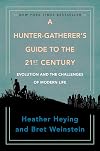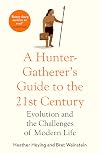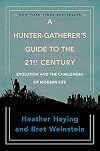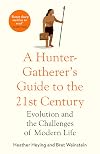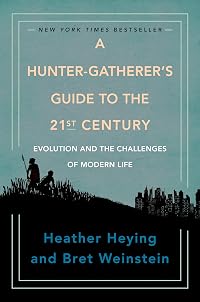
A Hunter-Gatherer's Guide to the 21st Century: Evolution and the Challenges of Modern Life
by Heather Heying, Bret Weinstein
On This Page
Description
"For evolutionary biologists Heather Heying and Bret Weinstein, the cause of many modern woes is clear: the world is out of sync with humans' ancient brains and bodies. The authors cut through the disputes surrounding issues like sex, gender, diet, parenting, sleep, education, and more to outline a science-based worldview that will empower the reader to live a better, wiser life. They distill more than twenty years of research and first-hand accounts from the most biodiverse ecosystems on show more Earth into straightforward principles and guidance for confronting our culture of hyper-novelty"-- show lessTags
Recommendations
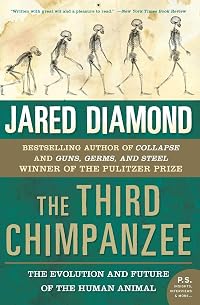
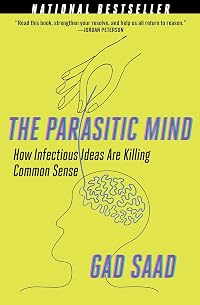
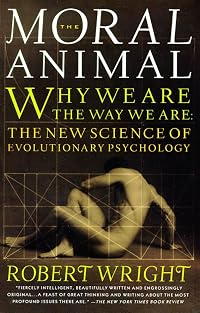
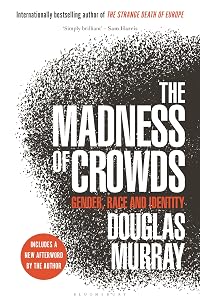








Member Reviews
Considering that humanity has spent more than 95 percent of its collective 200,000-year history as hunter-gatherers, we should not be surprised to find some mismatches between our evolutionary predispositions and the post-industrial environment we currently inhabit. And if this is the case—which to some extent it surely is—then by studying evolutionary biology and psychology, along with modern hunter-gatherer groups, we can gain some insights on the roots of many of our physical, mental, and social problems. Then, and only then, can we begin to reevaluate some of our behaviors to better align with our nature and our history, thus resolving many otherwise intractable problems. This, in a nutshell, is the argument and purpose of the show more book.
The problem, of course, is how far you’re willing to take this argument. It’s one thing to concede that evolution gives us certain predispositions (e.g., the compulsion to binge eat) that no longer match environmental realities (an overabundance of sugary foods), leading to disastrous consequences (obesity, heart disease, etc.), and that by understanding the mismatch, we can modify our behaviors (whole food diets, intermittent fasting, etc.), leading to better outcomes. Few reasonable people would argue against these more clear-cut cases.
But the authors don’t stop there. They want to take the argument further and claim that all long-standing cultural adaptations “evolve to serve the genome” (and they really mean this). This tactic, however, seems little more than using genetics and evolution to support the beliefs and practices approved by the authors. If every long-lasting cultural practice can be said to support the genome, then those practices can be defended on seemingly scientific grounds. But this is nothing more than an illusion, and should be recognized as such by the reader.
It’s not necessarily useful to think of humans in this way. Humanity separated itself from the rest of the animal kingdom primarily via our ability to transcend genetic determination and to decide how to live using reason and experience. And if a cultural practice is bad for the genes but good for the individual, to hell with the genes. The classic example is contraception. This long-running practice of enjoying sex without bearing children cannot have “evolved to serve the genome,” and yet those who practice it by intentionally not having children are not living an impoverished or defective life in any sense simply because their genes may not like it.
If reason tells you that you would prefer a child-free life, then that’s what you should do, irrespective of what your genome would tell you. Similarly, in many matters, evolutionary biology offers us no help whatsoever in making life choices; rather, philosophy becomes far more important. But the authors want to pretend that every aspect of our lives can be guided by evolutionary logic when in reality they’re simply using a particular reading of evolution to justify their own beliefs (don’t watch porn, have casual sex, or take medication). Readers should be able to see through this ruse pretty easily, I would hope.
So take the content for what it’s worth. As I said above, there’s much to learn about our evolutionary past, which can provide deep insights into how we can modify our behavior for the better. But don’t think that evolutionary logic can make all the decisions for us, or that our own reason and capacity for independent philosophical thought cannot or should not override what may or may not be “best” for our genes, or for whatever traditional practices justify themselves on the basis of longevity alone (a bullshit argument often used by conservatives or religious fundamentalists). show less
The problem, of course, is how far you’re willing to take this argument. It’s one thing to concede that evolution gives us certain predispositions (e.g., the compulsion to binge eat) that no longer match environmental realities (an overabundance of sugary foods), leading to disastrous consequences (obesity, heart disease, etc.), and that by understanding the mismatch, we can modify our behaviors (whole food diets, intermittent fasting, etc.), leading to better outcomes. Few reasonable people would argue against these more clear-cut cases.
But the authors don’t stop there. They want to take the argument further and claim that all long-standing cultural adaptations “evolve to serve the genome” (and they really mean this). This tactic, however, seems little more than using genetics and evolution to support the beliefs and practices approved by the authors. If every long-lasting cultural practice can be said to support the genome, then those practices can be defended on seemingly scientific grounds. But this is nothing more than an illusion, and should be recognized as such by the reader.
It’s not necessarily useful to think of humans in this way. Humanity separated itself from the rest of the animal kingdom primarily via our ability to transcend genetic determination and to decide how to live using reason and experience. And if a cultural practice is bad for the genes but good for the individual, to hell with the genes. The classic example is contraception. This long-running practice of enjoying sex without bearing children cannot have “evolved to serve the genome,” and yet those who practice it by intentionally not having children are not living an impoverished or defective life in any sense simply because their genes may not like it.
If reason tells you that you would prefer a child-free life, then that’s what you should do, irrespective of what your genome would tell you. Similarly, in many matters, evolutionary biology offers us no help whatsoever in making life choices; rather, philosophy becomes far more important. But the authors want to pretend that every aspect of our lives can be guided by evolutionary logic when in reality they’re simply using a particular reading of evolution to justify their own beliefs (don’t watch porn, have casual sex, or take medication). Readers should be able to see through this ruse pretty easily, I would hope.
So take the content for what it’s worth. As I said above, there’s much to learn about our evolutionary past, which can provide deep insights into how we can modify our behavior for the better. But don’t think that evolutionary logic can make all the decisions for us, or that our own reason and capacity for independent philosophical thought cannot or should not override what may or may not be “best” for our genes, or for whatever traditional practices justify themselves on the basis of longevity alone (a bullshit argument often used by conservatives or religious fundamentalists). show less
This is a weird book. Great topic and interesting premise, but it ranges from brilliantly insightful to dangerous horrid pseudoscience dressed up as fact-based intellectual discourse. It's hard to recommend at all (hence the demotion to 2 stars) because of how warped and malign their thinking is on several critical issues. But it is also thought provoking, and an interesting exercise in sussing out how they let their ideology corrupt the otherwise good points, so I refrained from withholding the second star.
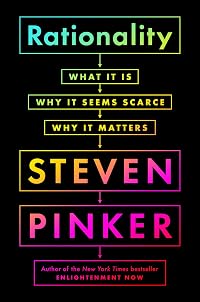
Overall, I would skip it and instead read The Naked Ape by Desmond Morris, The Selfish Gene by Richard Dawkins, Sapiens by Yuval Noah Harari, and Enlightenment Now by Steven Pinker
Note: I didn't know anything about these people show more before reading the book, but apparently they are Ivermectin-hawking Covid-conspiracists, which isn't too surprising considering their irrational opposition to things like fluoridated water and GMO food. show less
Overall, I would skip it and instead read The Naked Ape by Desmond Morris, The Selfish Gene by Richard Dawkins, Sapiens by Yuval Noah Harari, and Enlightenment Now by Steven Pinker
Note: I didn't know anything about these people show more before reading the book, but apparently they are Ivermectin-hawking Covid-conspiracists, which isn't too surprising considering their irrational opposition to things like fluoridated water and GMO food. show less
They promise to deliver an awful lot at the start of the book and they start off quite well but eventually fail to deliver fully. Still not a waste of time
Amazon September 2021
奇科幻小火堆第65週的創作參考資料乃是Heather Heying與Bret show more Weinstein的《21世紀狩獵採集者的生存指南》,這是由於《來自新世界》探討的是在核彈級的個體能力(咒力)下,為了避免族群毀滅需要多重的枷鎖與控制。而《21世紀狩獵採集者的生存指南》則憂心改變生態區位的能力過強,最終因為知識債與技術債而反噬人類這一物種的存序。。
作者Couple是一對演化生物學家夫妻檔,而且專注的方向是族群層面的演化(而非基因層面或個體層面),生物演化時會去適應一個個生態區位,然而人類的生態區位十分特別。人類的生態區位是「我把管他什麼生態區位極區赤道山區平原通通變成我的喜歡的生態區位」。
然而這種外掛等級的能力,最終越改越多,讓環境(世界)越變越快,最終快過我們的身體硬體改變速度,也導致技術債與知識債的產生,而這些債務或許有一天會像咒力那樣反噬我們這個種族。
這個硬體失靈/不匹配現象有可能是確定已知因此大家會想辦法教育或以其它方式預防的,比如「有些有機溶劑聞起來香香的」(缺乏天生趨避能力),但也可能是風險未知,比如我們入夜後還長時間浸在波長與正午日光更像而與火光較不像的LED燈光裡,對生理時鐘與精神狀態是否可能有影響。
先說這本書的作者們在這方面是非常多疑的那種,多疑到乍看之下有點像是某種腦包的「前現代時代最棒」浪漫派。不過仔細去看會發現與其說他們反對抗生素,不如說他們的立場是「抗生素是個好東西,但我們是否用得太多了?以及所有的細菌都需要這樣殺嗎?有沒有可能,我們什麼時候也誤擊了友軍卻從來沒有發現?」
他們發展出來一個概念稱為「Omega原則」,大意是:任何複雜、耗費資源、而且在文化裡持續了很長時間(這個很長應該是好幾代,然後沒錯,他們認為天擇不只作用在基因、個體或族群上,也會作用在文化上)的傳統,都應該先假設它是有適應價值的,亦即所耗費的那個資源應該要在其它層面有意義。
也就是說,你在去除這個現象之前,最好先弄清楚一開始它為什麼會存在?有什麼用途?那個用途還成立嗎?這並不是說所有的傳統都是好的、對的、或沒問題的。而是搞清楚這些問題,確認該現象處理的狀況已經不存在,或是已有替代機制來處理時,再把它移除,會比較安全。比如傳統大家族有時非常讓人窒息,但好比毀廢派移除家族概念讓人原子化(全部包給政府),我們的社會支持系統、公務員(與稅金)真的夠扛,或是我們的心理狀態確實能適應嗎?
與之相對的是任何一個新技術或新發明問世時,或許也要先觀察一下這麼做會付出什麼代價。麻疹疫苗很方便又很安全,但我猜當初應該沒想到接種二十年後會失效,產生一整代易感人群。(相對於感染者是終身免疫,但是能量應該不夠人人補打,所以目前只有預定去疫區旅行的人才補打喔。)塑膠袋好用輕便又方便,然而……
(附帶一題,這對作者看起來很像死硬保守派對嗎?但其實他們的自我認同是自由派XD)
不過必須說明他們有些操作我不會建議大家都使用。比如說「自己判斷骨折是否需要固定,還是復位就好夾板拆掉」。畢竟有些人擅長傾聽自己的身體,有些人……嗯。
有一個意外適合創作者的小小點,在這本書的最後一個章節現身。是它提到很多信仰存在「文意上錯誤但隱喻上正確」的現象。
比如說某高原居民相信播種一定要在滿月。滿月月光本身對農作物發展沒有任何用途,這信仰另外促成大家全在同一天播種,於是就像十七年蟬同一天離開土壤,會偷吃種子的生物也沒辦法一口氣全部吃光種子。
我相信設定出一些這種「文意上錯誤但隱喻上正確」的信仰,應該會是奇科幻創作者超愛的挑戰XD show less
作者Couple是一對演化生物學家夫妻檔,而且專注的方向是族群層面的演化(而非基因層面或個體層面),生物演化時會去適應一個個生態區位,然而人類的生態區位十分特別。人類的生態區位是「我把管他什麼生態區位極區赤道山區平原通通變成我的喜歡的生態區位」。
然而這種外掛等級的能力,最終越改越多,讓環境(世界)越變越快,最終快過我們的身體硬體改變速度,也導致技術債與知識債的產生,而這些債務或許有一天會像咒力那樣反噬我們這個種族。
這個硬體失靈/不匹配現象有可能是確定已知因此大家會想辦法教育或以其它方式預防的,比如「有些有機溶劑聞起來香香的」(缺乏天生趨避能力),但也可能是風險未知,比如我們入夜後還長時間浸在波長與正午日光更像而與火光較不像的LED燈光裡,對生理時鐘與精神狀態是否可能有影響。
先說這本書的作者們在這方面是非常多疑的那種,多疑到乍看之下有點像是某種腦包的「前現代時代最棒」浪漫派。不過仔細去看會發現與其說他們反對抗生素,不如說他們的立場是「抗生素是個好東西,但我們是否用得太多了?以及所有的細菌都需要這樣殺嗎?有沒有可能,我們什麼時候也誤擊了友軍卻從來沒有發現?」
他們發展出來一個概念稱為「Omega原則」,大意是:任何複雜、耗費資源、而且在文化裡持續了很長時間(這個很長應該是好幾代,然後沒錯,他們認為天擇不只作用在基因、個體或族群上,也會作用在文化上)的傳統,都應該先假設它是有適應價值的,亦即所耗費的那個資源應該要在其它層面有意義。
也就是說,你在去除這個現象之前,最好先弄清楚一開始它為什麼會存在?有什麼用途?那個用途還成立嗎?這並不是說所有的傳統都是好的、對的、或沒問題的。而是搞清楚這些問題,確認該現象處理的狀況已經不存在,或是已有替代機制來處理時,再把它移除,會比較安全。比如傳統大家族有時非常讓人窒息,但好比毀廢派移除家族概念讓人原子化(全部包給政府),我們的社會支持系統、公務員(與稅金)真的夠扛,或是我們的心理狀態確實能適應嗎?
與之相對的是任何一個新技術或新發明問世時,或許也要先觀察一下這麼做會付出什麼代價。麻疹疫苗很方便又很安全,但我猜當初應該沒想到接種二十年後會失效,產生一整代易感人群。(相對於感染者是終身免疫,但是能量應該不夠人人補打,所以目前只有預定去疫區旅行的人才補打喔。)塑膠袋好用輕便又方便,然而……
(附帶一題,這對作者看起來很像死硬保守派對嗎?但其實他們的自我認同是自由派XD)
不過必須說明他們有些操作我不會建議大家都使用。比如說「自己判斷骨折是否需要固定,還是復位就好夾板拆掉」。畢竟有些人擅長傾聽自己的身體,有些人……嗯。
有一個意外適合創作者的小小點,在這本書的最後一個章節現身。是它提到很多信仰存在「文意上錯誤但隱喻上正確」的現象。
比如說某高原居民相信播種一定要在滿月。滿月月光本身對農作物發展沒有任何用途,這信仰另外促成大家全在同一天播種,於是就像十七年蟬同一天離開土壤,會偷吃種子的生物也沒辦法一口氣全部吃光種子。
我相信設定出一些這種「文意上錯誤但隱喻上正確」的信仰,應該會是奇科幻創作者超愛的挑戰XD show less
Jul 1, 2026Chinese, traditional
Ratings
Members
- Recently Added By
Lists

Top Five Books of 2022
736 works; 272 members

Books Read in 2022
5,226 works; 115 members

Absent from the Merrimack Valley Library Consortium libraries
192 works; 1 member
Author Information
1 Work 273 Members

1 Work 273 Members
Common Knowledge
- Canonical title*
- Jägar-samlar-guiden till det tjugoförsta århundradet : evolutionen och det moderna livets utmaningar
*Some information comes from Common Knowledge in other languages. Click "Edit" for more information.
Classifications
- Genres
- Anthropology, Science & Nature, Nonfiction, General Nonfiction
- DDC/MDS
- 304.2 — Society, government, & culture Social sciences, sociology & anthropology Factors affecting social behavior Human ecology
- LCC
- GF50 .H48 — Geography, Anthropology and Recreation Human ecology. Anthropogeography Human ecology. Anthropogeography
- BISAC
Statistics
- Members
- 273
- Popularity
- 118,402
- Reviews
- 5
- Rating
- (3.48)
- Languages
- English, French, Spanish, Swedish
- Media
- Paper, Audiobook, Ebook
- ISBNs
- 11
- ASINs
- 6